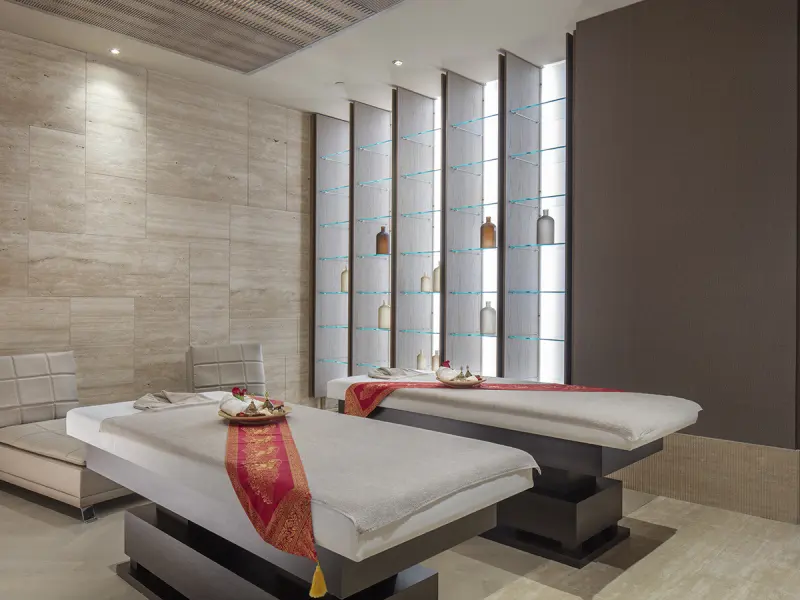
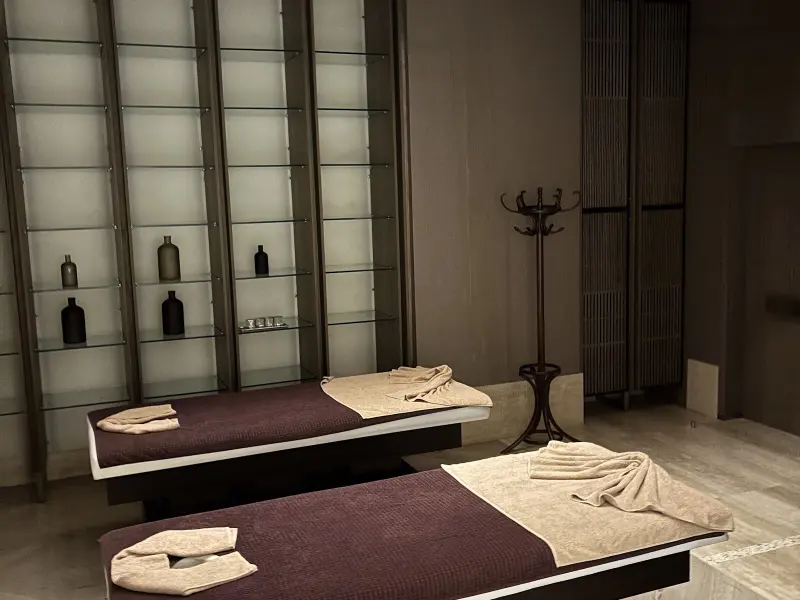
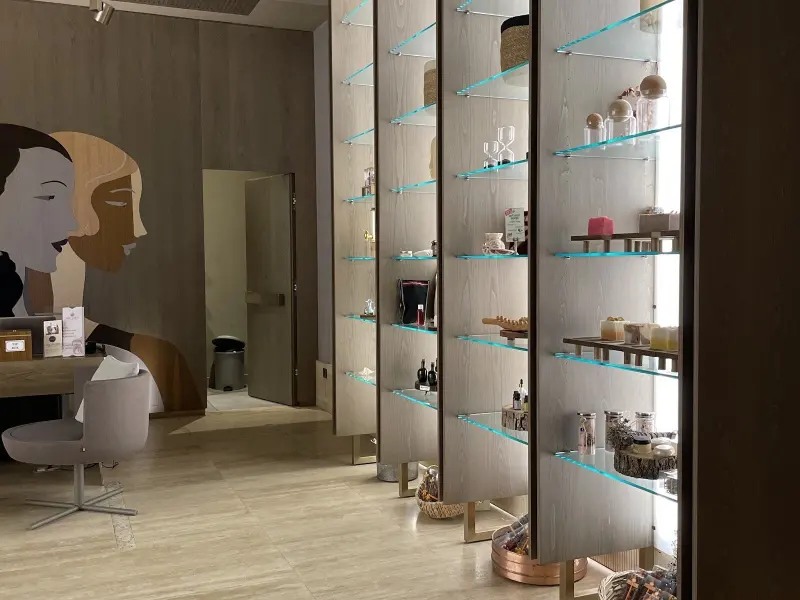
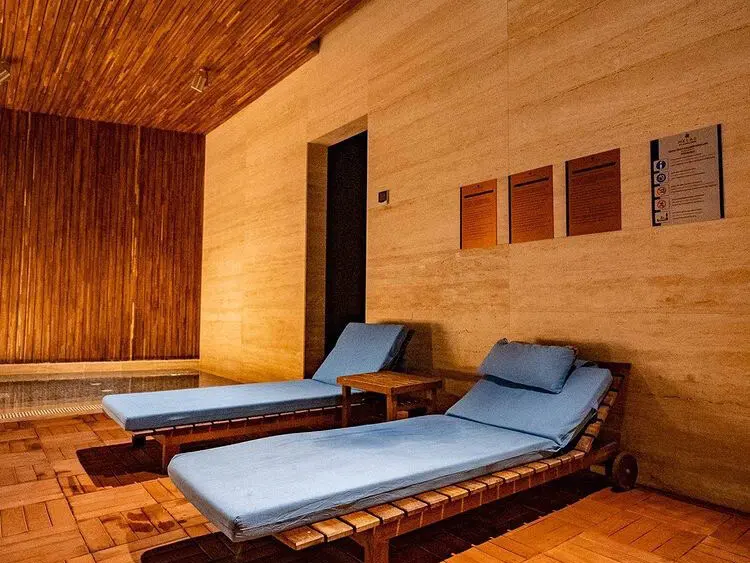
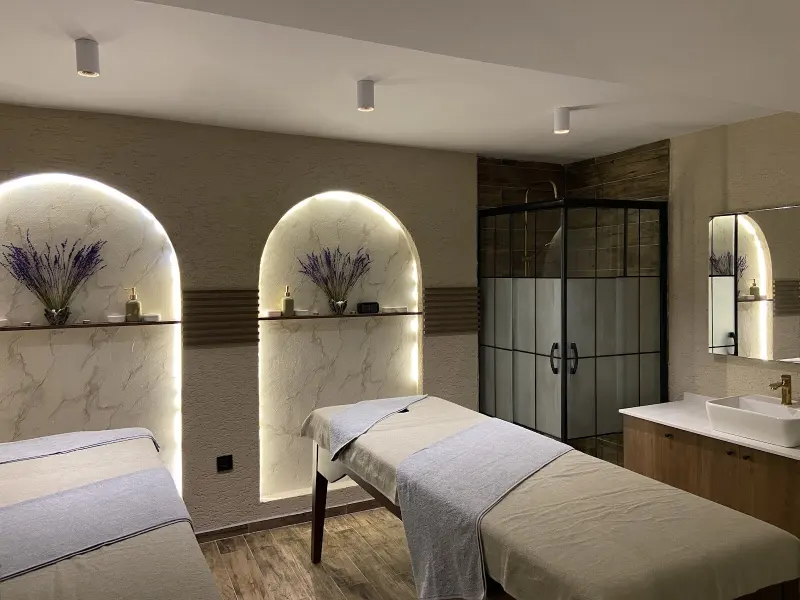
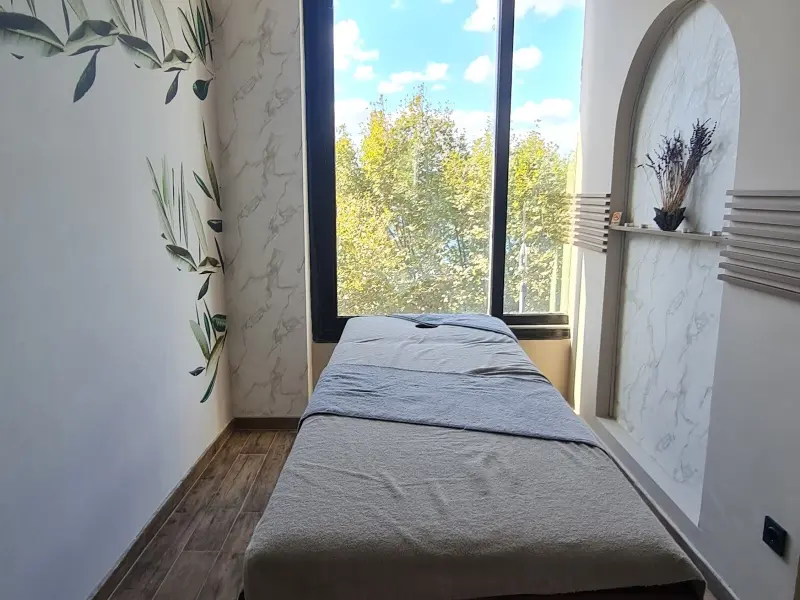
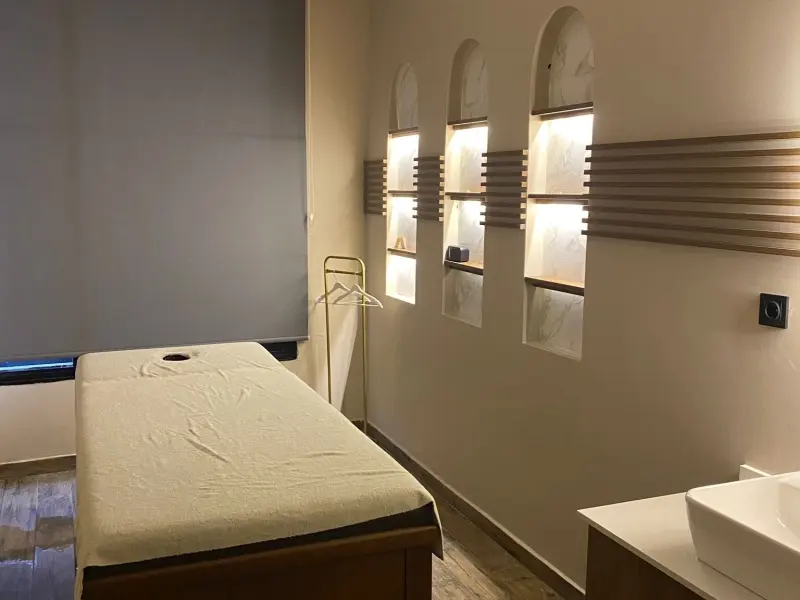
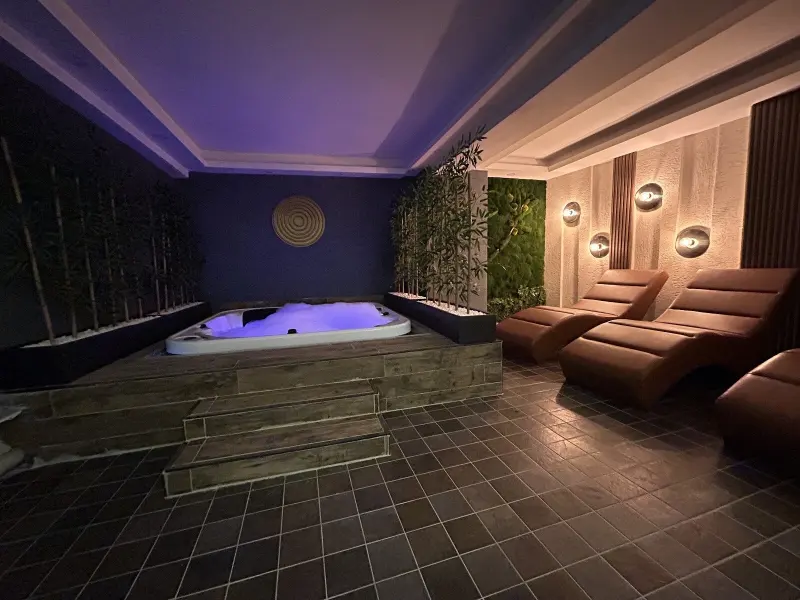
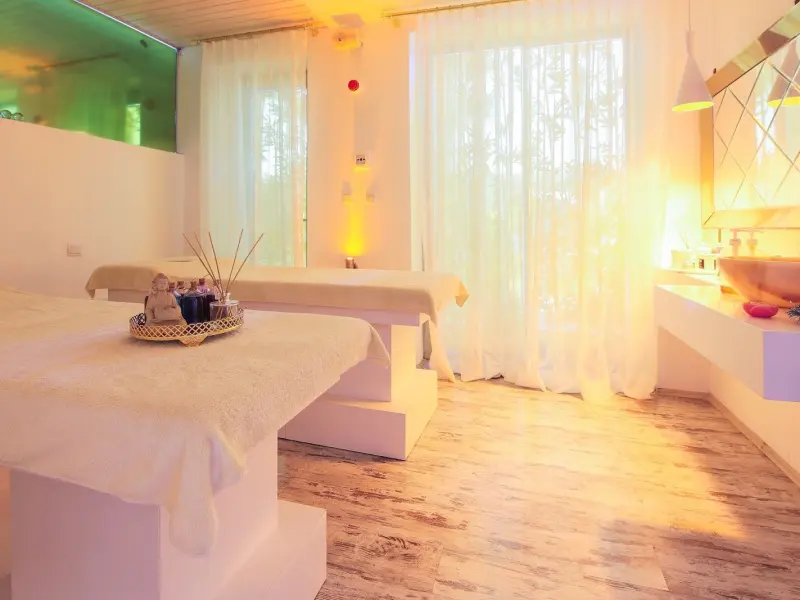
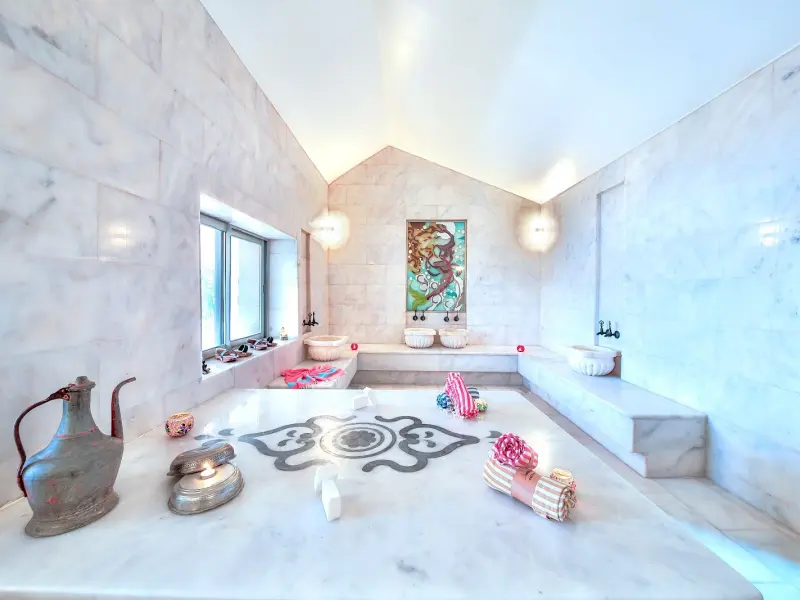
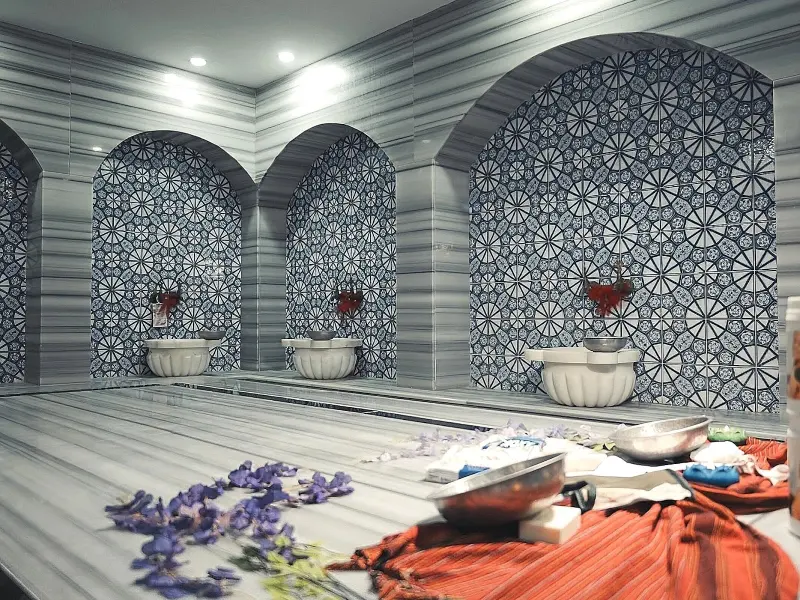
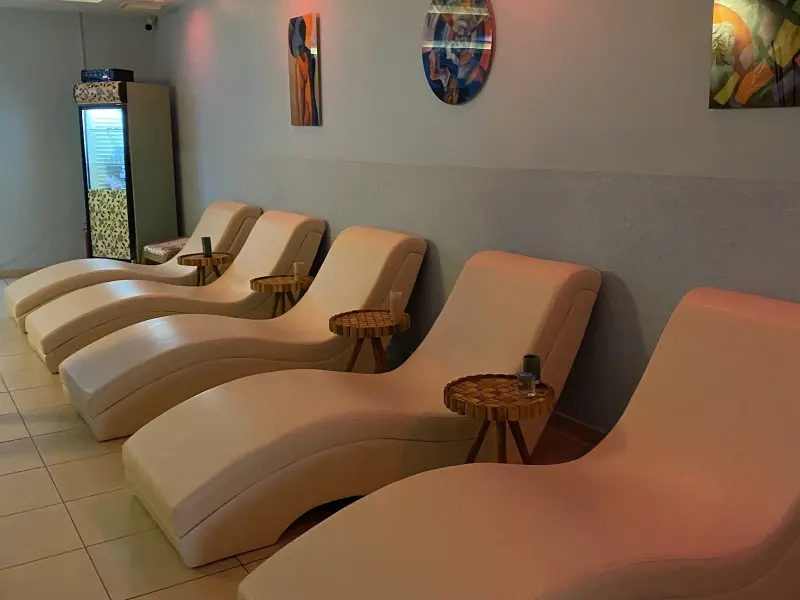
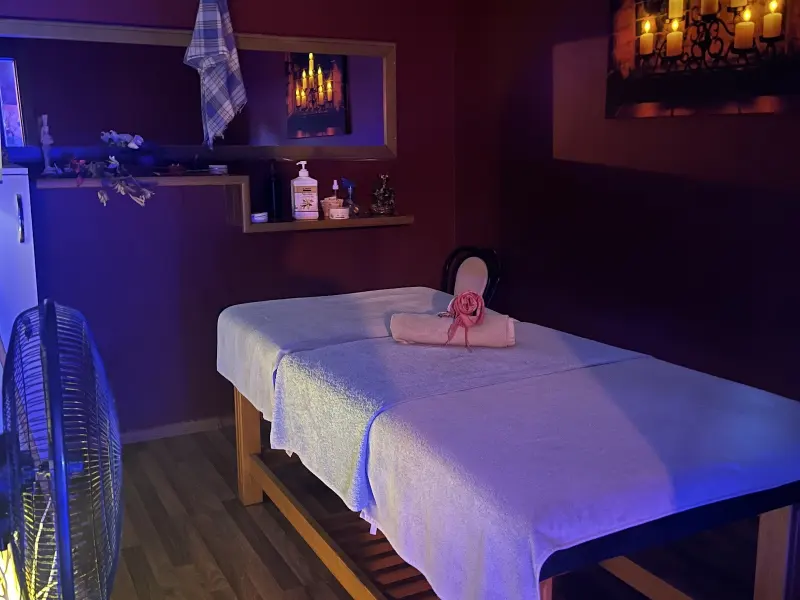
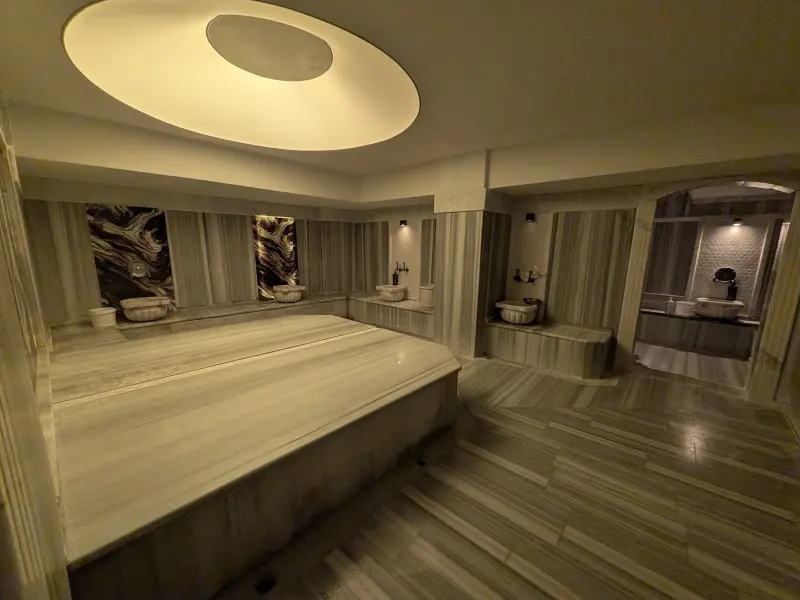
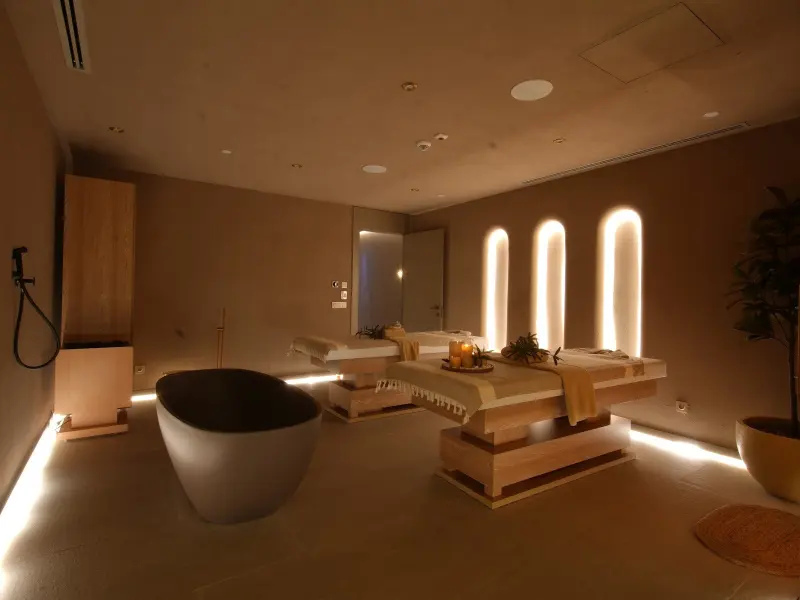
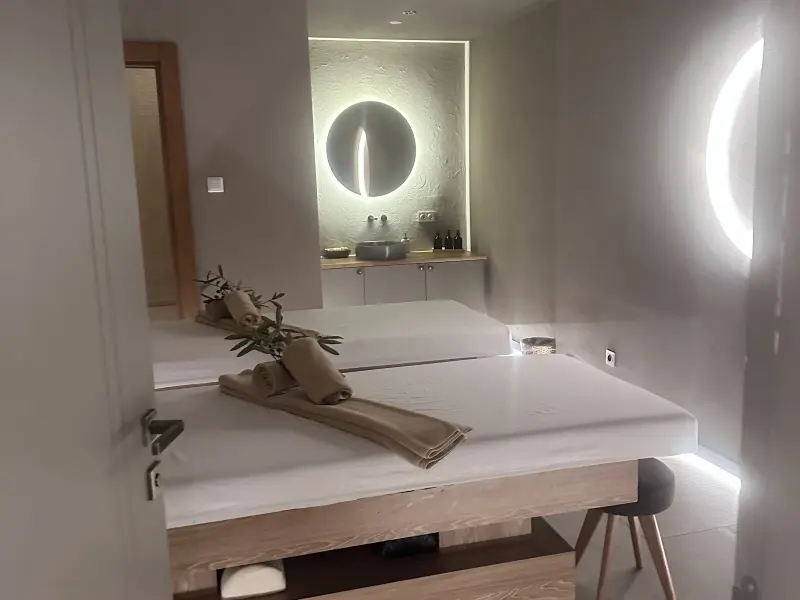
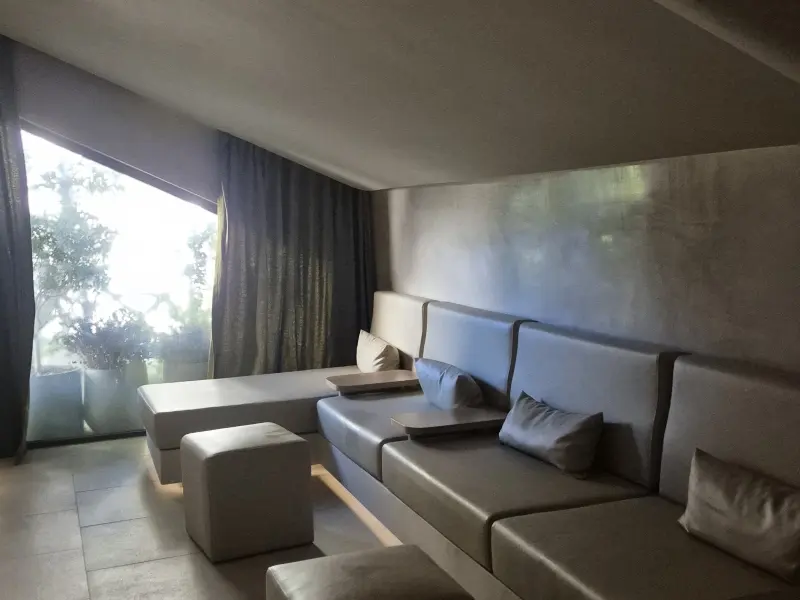
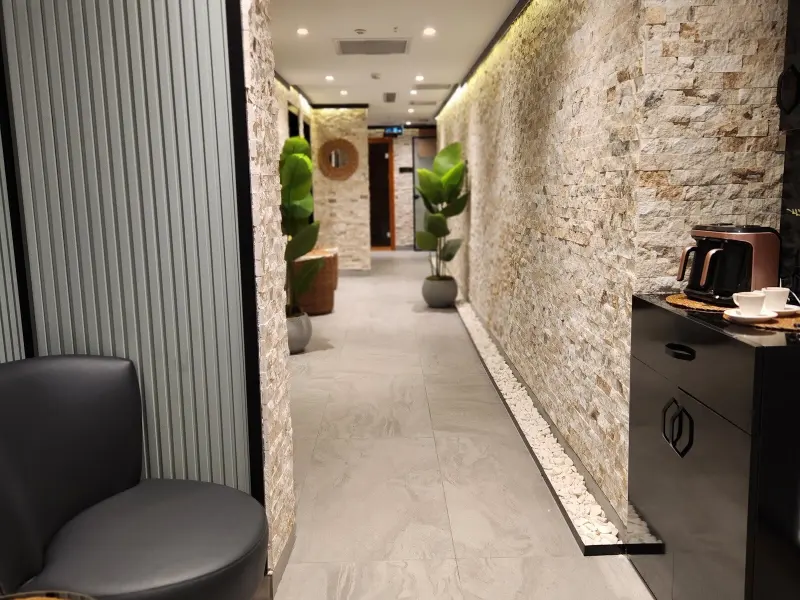
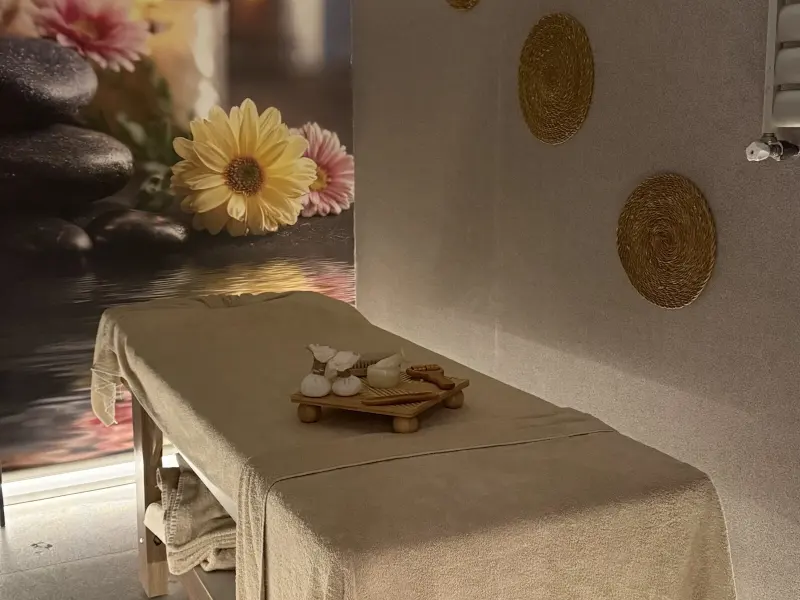
Skin and body care is the umbrella term for spa treatments aimed at the skin itself: professional facials, body scrubs, clay or seaweed body masks, cellulite treatment and manicure and pedicure all fall into this group. Unlike massage, the aim is to cleanse the skin, clear away dead skin and moisturise rather than to relax the muscles. On Spa Deneyimi, this group has six treatment types with venues listed; below, the types are compared and it is explained which suits which need.
What skin and body treatments have in common is that their effects are largely temporary and are maintained by regular repetition. A scrub softens the skin in the first session and a moisturising mask leaves a plumpness you can feel for a few days; treatments that promise permanent slimming or permanent firming should be approached with caution. Cystic acne, rosacea, eczema and suspicious moles are outside the scope of these treatments and are a matter for a dermatologist.
Comparison of skin and body treatment types
Skin and body treatment types differ by the area treated, the products used and the length. The durations in the table are common ranges; they may be shorter or longer depending on the venue's programme.
Choosing a treatment by need
When choosing a skin or body treatment, the starting point is the complaint you want to address or the occasion you are preparing for. The pairings below offer a general roadmap; if you are undergoing skin treatment, your doctor's advice takes priority.
- If you are trying a spa treatment for the first time: A body scrub is short, its steps are simple and you feel the result as soon as the session ends. For the face, a hydrating facial without extraction is a gentle start.
- If your skin looks dry, flaky or dull: First a body scrub, then a moisturising body mask. Many venues combine the two in one session.
- If you have blackheads and clogged pores on your face: A facial with deep cleansing and extraction. For inflamed and frequently recurring spots, see a dermatologist first.
- If orange-peel skin on your legs and hips bothers you: Cellulite treatment; it is planned not as a single session but as a regular series, and the effect fades when you stop.
- If you have corns, cracked heels and hardened skin on your feet: A pedicure; if you also want exfoliation, a mask and a longer foot massage, ask about the spa pedicure option that includes them.
- If you are preparing for a wedding or an important event: Plan your facial at least 7-10 days before and your manicure and pedicure 1-2 days before; this way any redness will have passed.
- If you want a comprehensive treatment in a single appointment: A body treatment combining exfoliation, mask and moisturising, or a spa package built around the hammam.
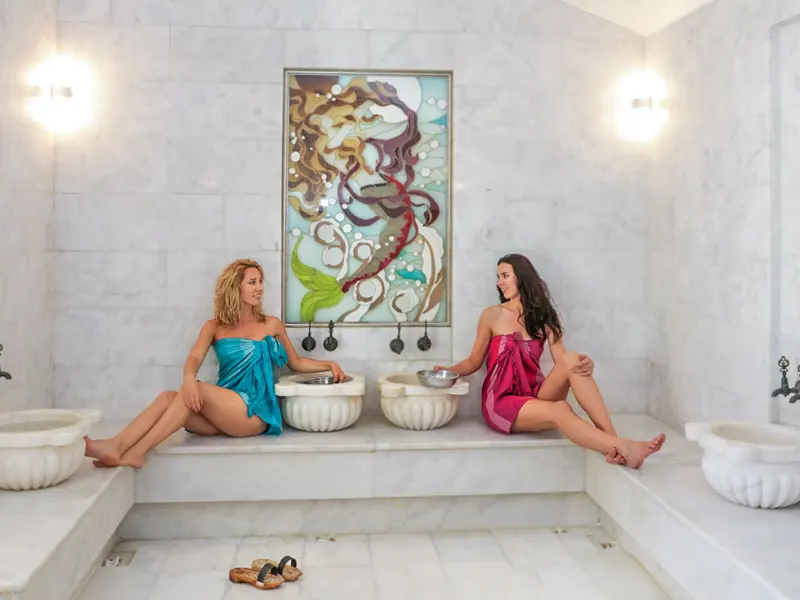
- If you are having a kese (exfoliating scrub) in the hammam on the same day: You do not need a separate body scrub; kese also removes dead skin, and having both one after the other can wear the skin down more than necessary. A moisturising body mask after the kese is a better complement.
How a treatment session works
A skin or body treatment appointment usually starts with a short consultation. The therapist asks about your skin type, the products and medication you use, your allergies and any procedures you have had recently (waxing, laser hair removal, cosmetic treatments). If you use a retinoid or isotretinoin, be sure to say so; steps involving exfoliation and extraction are adjusted or left out accordingly. Arriving 10-15 minutes before your appointment leaves enough time for the form and changing.
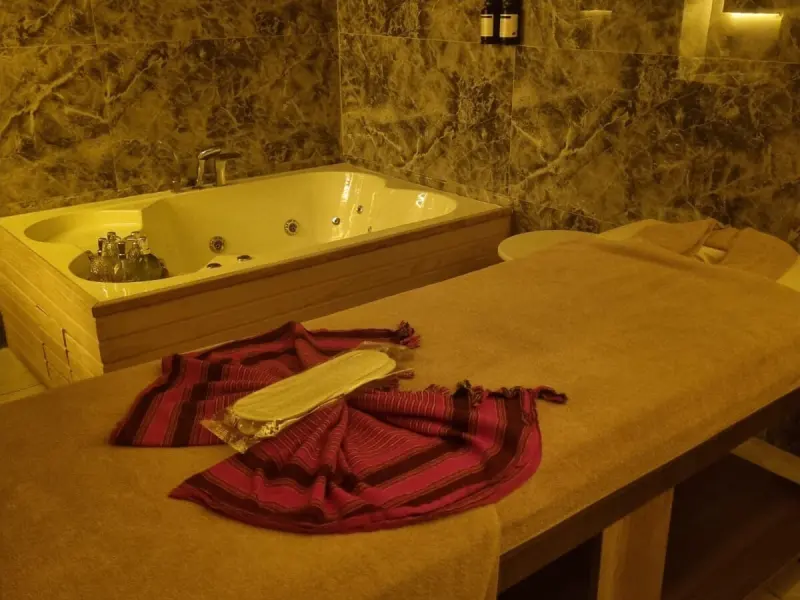
For a facial, you take off your top and your hair is tied back with a band; because make-up removal is part of the programme, you do not have to arrive without make-up. For body treatments, most venues provide disposable underwear and a towel; only the area being treated is uncovered during the treatment. Coming to a pedicure appointment in open-toed shoes or slippers makes things easier while the polish dries.
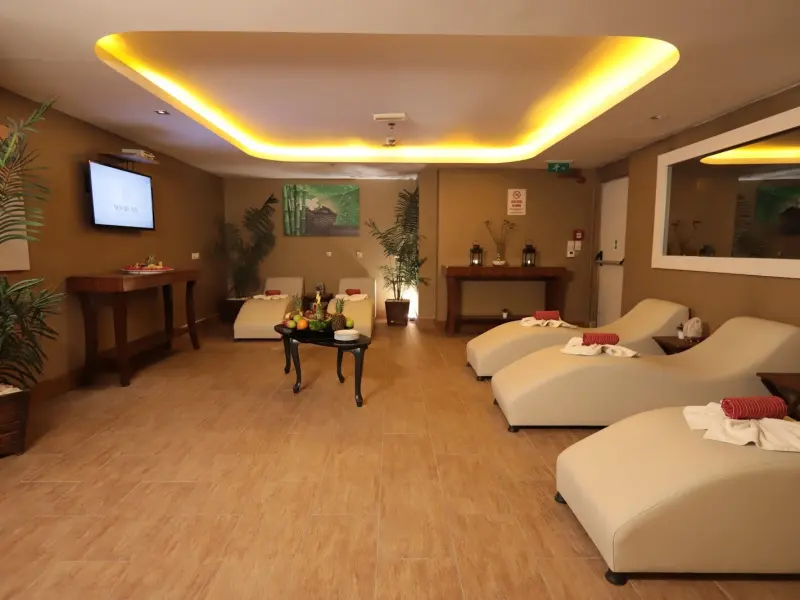
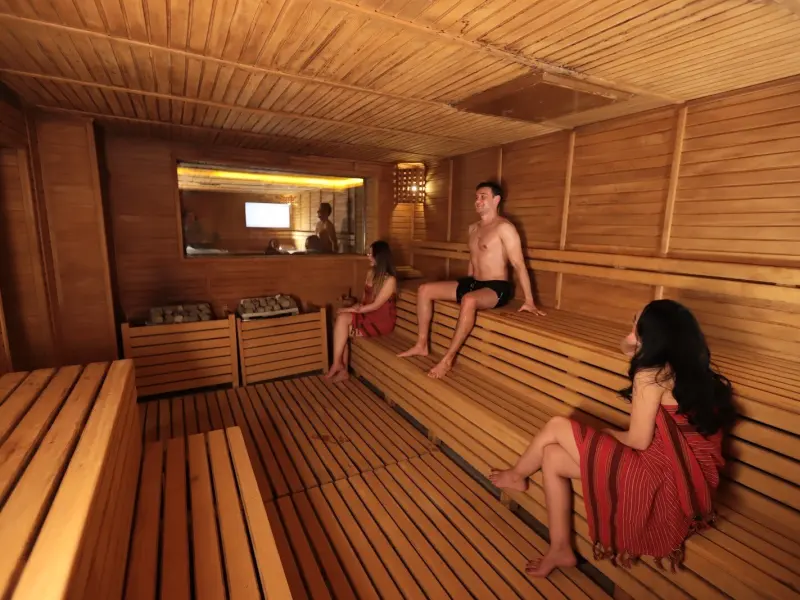
If the venue also has a hammam, sauna or steam room, using the hot areas before the treatment is a common order. After the treatment the skin may look pink for a few hours; it is advisable to avoid make-up and heavily perfumed products that day, to keep out of direct sun for 24-48 hours and to use sunscreen.
What determines the price
Skin and body treatment prices do not follow a single tariff; two treatments with the same name can differ greatly in content and length. The price is determined mainly by these factors:
- Length and number of steps: A facial consisting only of cleansing and a mask will not cost the same as a programme with extraction, serum and facial massage.
- Products used: The product brand, the type of material such as clay, thermal mud or seaweed, and serums with active ingredients are reflected directly in the cost.
- Single session or series: For programmes planned as a series, such as cellulite treatment, the single-session price and the series price may differ.
- Type of venue and use of facilities: Some hotel spas include use of the hammam, sauna and relaxation area with the treatment; at others only the treatment itself is charged.
- Day and season: At busy times such as weekends, religious holidays and the wedding season, both the price and the ease of getting an appointment can change.
For the general logic of spa prices, see the guide explaining what determines massage and spa prices. When booking, asking which steps the treatment includes, how many minutes it lasts and whether use of the facilities is included makes it easier to compare two venues.
Where to have skin and body treatments
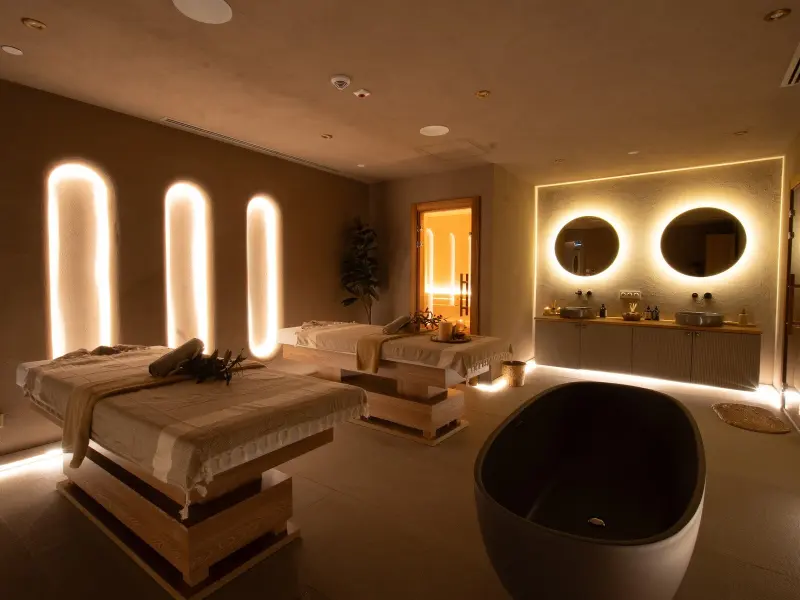
On our list, skin and body treatments are offered mainly at hotel spas; a large share of these are spas inside city hotels that also accept outside guests. A notable observation is that almost all the venues offering treatments also have a Turkish bath, and more than half have kese and foam massage on the same menu. So a body treatment is often taken on the same visit, as a continuation of the hammam ritual. Day spas and hammams also make up a large part of the list; at a historic hammam, a body mask may be offered as one step of the traditional ritual.
The most common treatment type is the facial; body scrubs, body masks, body treatments and cellulite treatment are found at fewer venues. Manicure and pedicure are found in the treatment or nail section of a few hotels. By city, more than half of the venues are in Istanbul, spread across many districts on both the European and Asian sides; the district with several options side by side is Beşiktaş. In Ankara, the options are largely concentrated in hotel spas in Çankaya. On the coast, treatments are part of the holiday route: in Antalya, a hammam and spa in Side, and in Muğla, the spa of a resort hotel in Milas offer these treatments.
Who should take care
Skin and body treatments are low-risk for most people; even so, in some situations a treatment should be postponed or its content changed. If any of the following applies to you, mention it when making your appointment:
- Active skin problems: Exfoliation and masks are not applied to areas with an eczema or psoriasis flare-up, inflamed acne, cold sores, an open wound, sunburn or a new tattoo.
- Medication and recent procedures: Treatments involving exfoliation are inadvisable for people using isotretinoin or a retinoid, those who have had a recent cosmetic procedure, and within 48-72 hours after waxing or laser hair removal; consult your doctor.
- Pregnancy: Heat-retaining wrapped masks are not recommended; discuss the active ingredients to be used in a facial with your doctor.
- Cardiovascular disease, uncontrolled blood pressure and diabetes: Get a doctor's approval before treatments involving hot wraps and prolonged heat.
- Varicose veins, a history of thrombosis and use of blood thinners: The deep mechanical massage and vacuum in cellulite treatment can cause bruising; in these cases it is not done, or a doctor's approval is needed.
- Diabetes and circulation disorders: In a pedicure, cutting the cuticles and scraping corns can turn a small cut into a serious wound; have foot care done by a podiatrist or under a doctor's supervision.
- Thyroid conditions and allergies: Masks containing seaweed contain iodine; if you are allergic to product ingredients, ask for a patch test on a small area.