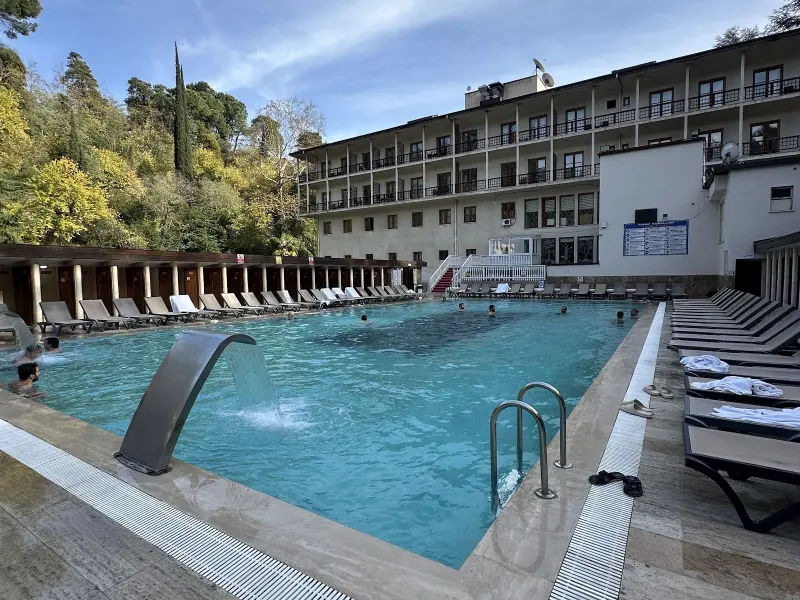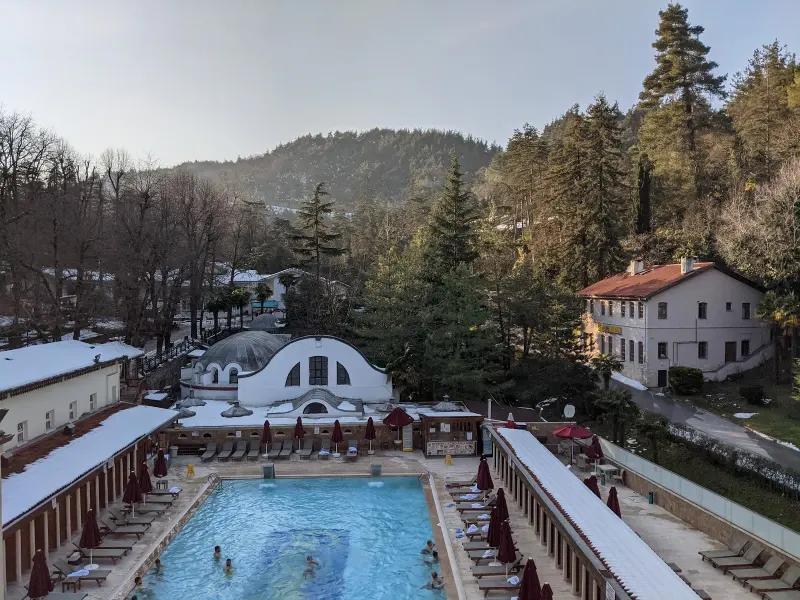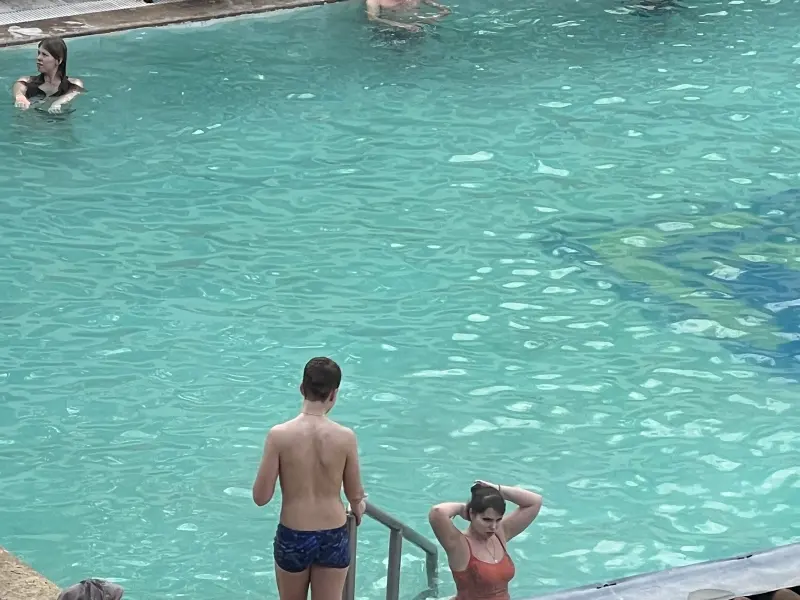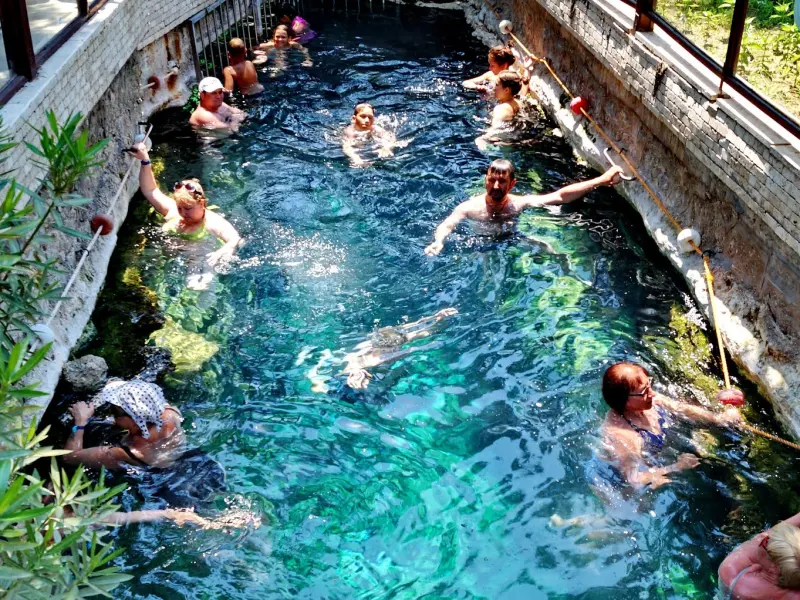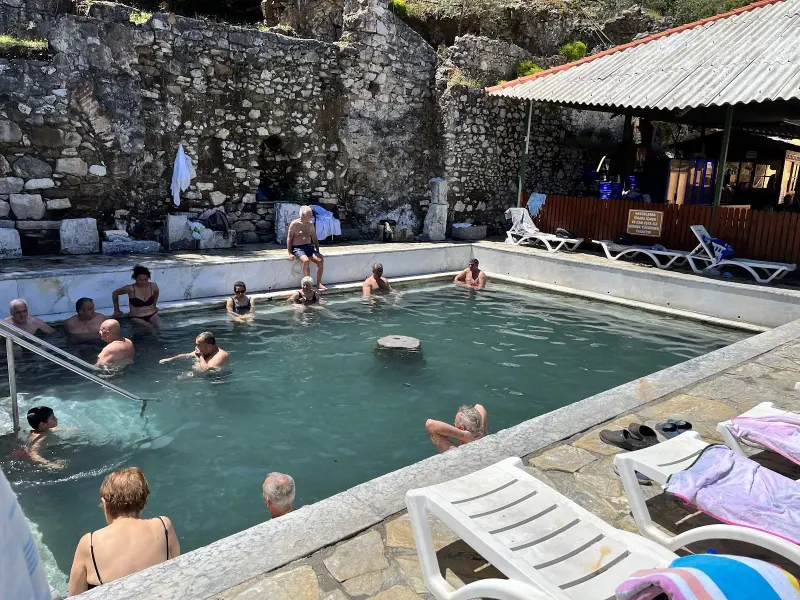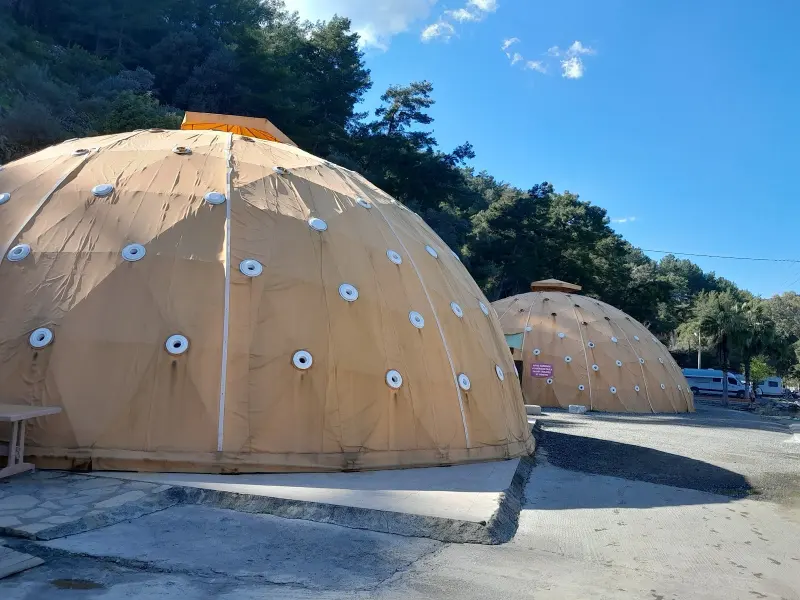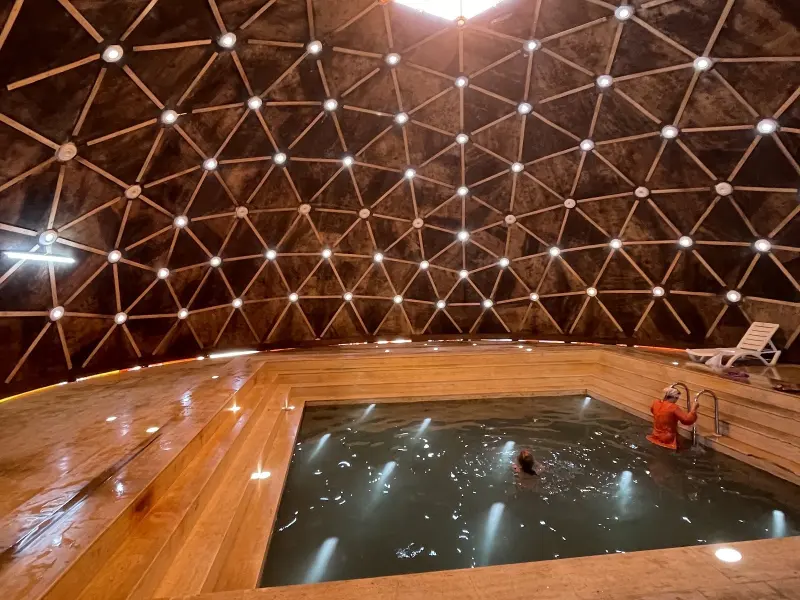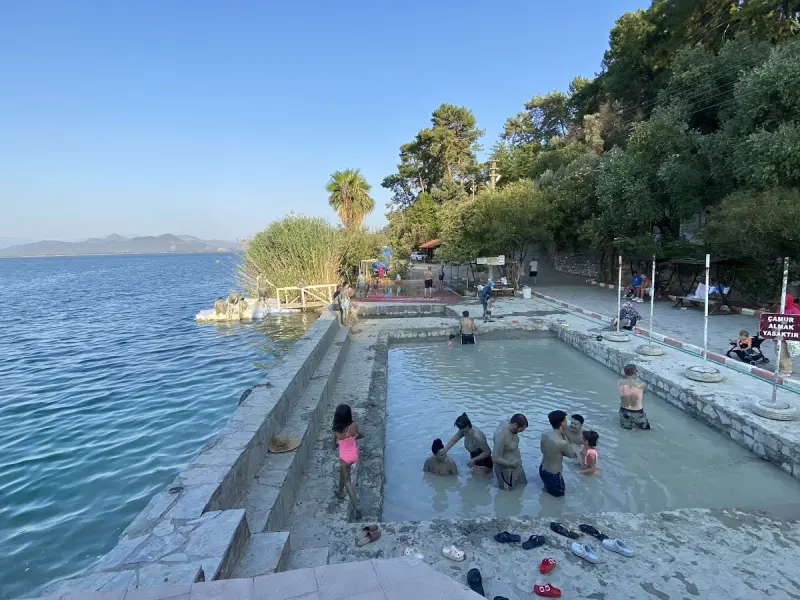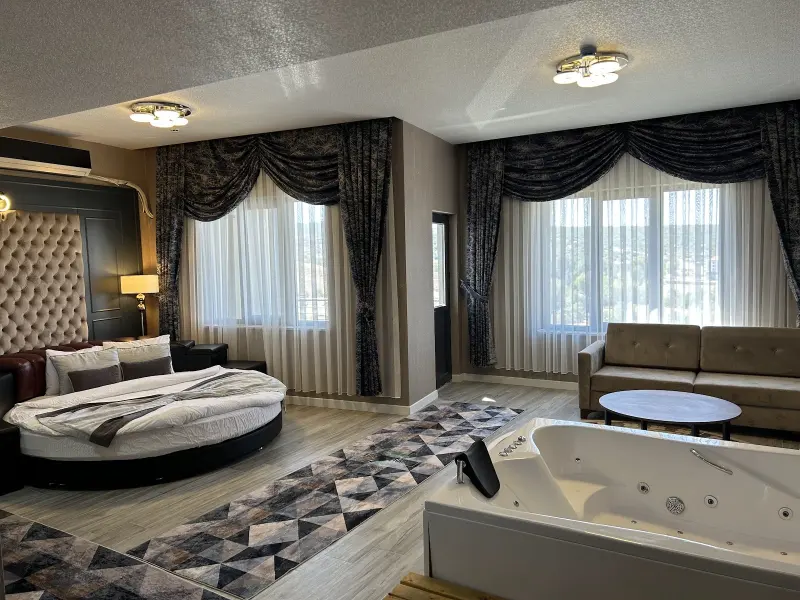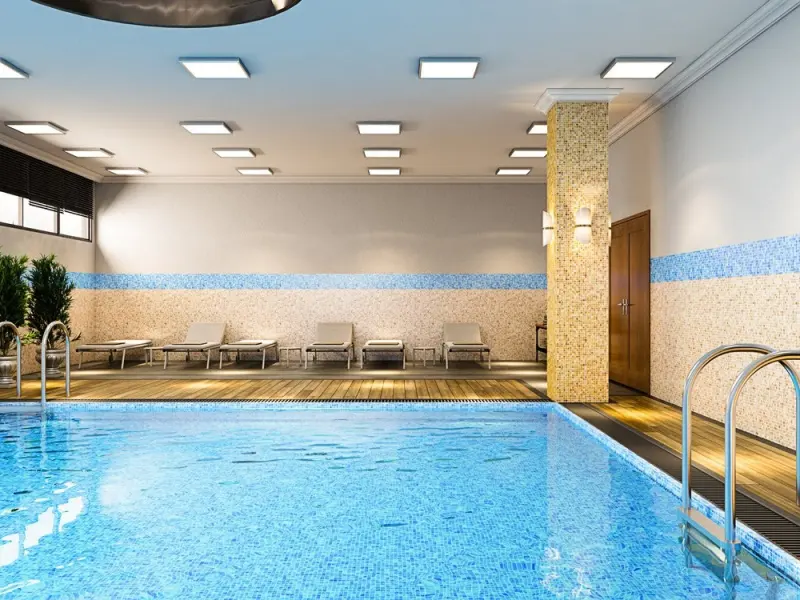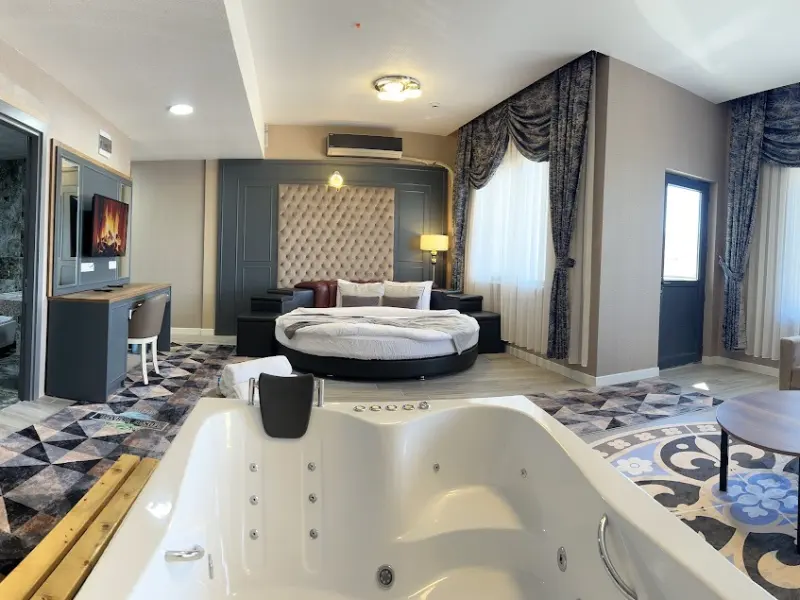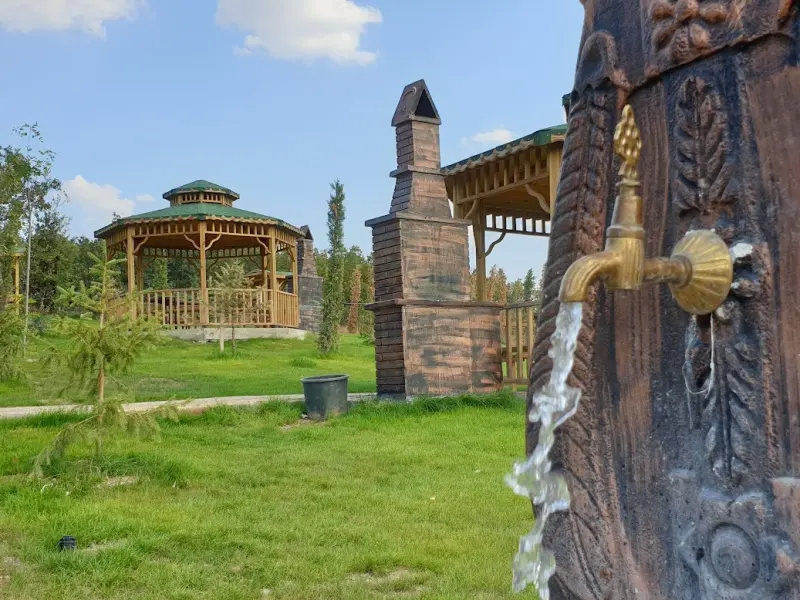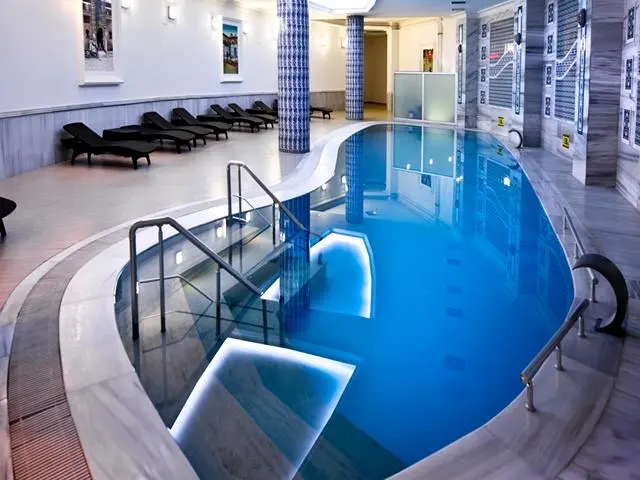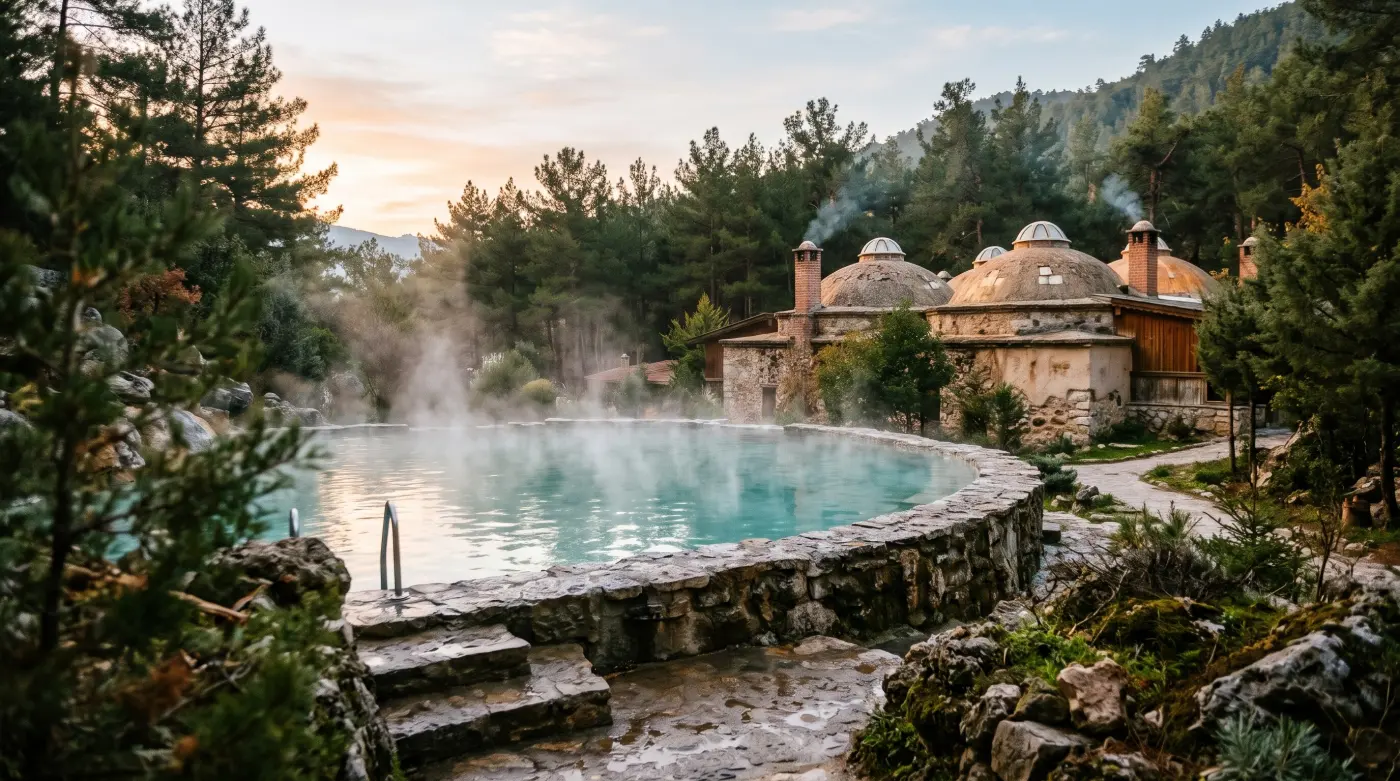
A thermal pool is a pool filled with spring water that comes out of the ground naturally hot; in Turkey it is also commonly called a hot water pool. The Ministry of Health's Regulation on Hot Springs (Kaplıcalar Yönetmeliği) counts water whose temperature at the point of emergence is 20 °C or higher as thermal water. Pools are mostly kept close to body temperature, at around 35-40 °C, and the advice is not to stay in for more than 20 minutes at a time.
A thermal pool and a kaplıca (hot spring spa) are often found in the same venue, but they are not the same thing. Below you will find what makes water thermal, temperature and time recommendations, the differences from a kaplıca, a thermal hammam and a heated pool, and who should consult a doctor first.
What makes water thermal?
What makes water thermal is its temperature at the moment it leaves the spring. The Regulation on Hot Springs gives three definitions:
- Thermal water: water whose temperature at the point of emergence is 20 °C or higher
- Mineral water: water containing at least 1 gram of dissolved minerals per litre and free of bacteriological and chemical contamination
- Thermomineral water: water that is both mineral water and 20 °C or higher at the point of emergence
In other words, not all thermal water is mineral water, and not all mineral water is hot. Water that travels a long way underground picks up minerals from the rocks it passes through. Waters containing sulphur are known for their smell of rotten eggs; the Ministry of National Education's (MEB) hot spring module defines water containing at least 1 milligram of sulphur per litre as sulphurous water.
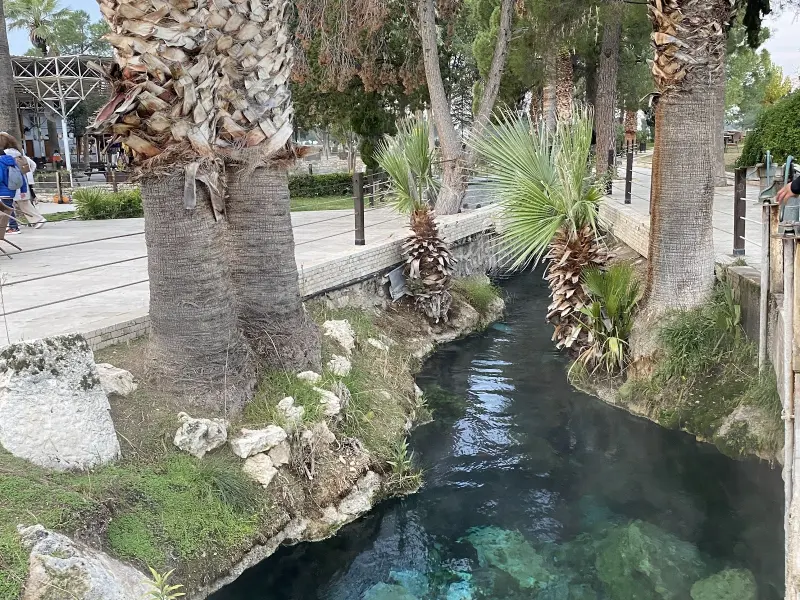
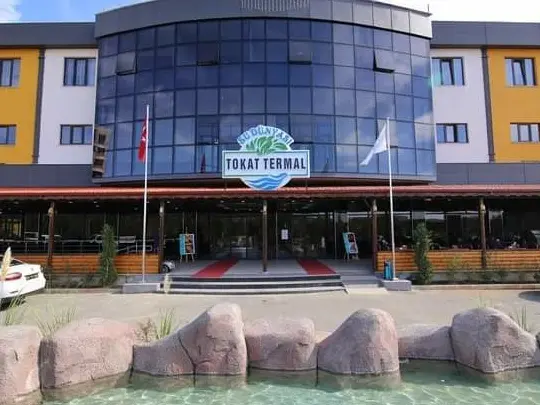
The temperature at the source and the temperature of the pool are not the same either. The spring that feeds the pools at Tokat Termal Sulusaray emerges at 53.5 °C; water this hot is cooled before it goes into the pool. The TDV Encyclopaedia of Islam also writes that in historic kaplıcas, the very hot water arriving from the spring was cooled in basins and pools before use.
How hot is a thermal pool?
Thermal pools are mostly kept between 35 and 40 °C. According to MEB's hot spring module, thermal bath cures are carried out in water at 35-38 °C, close to body temperature. A few examples from venues in our guide:
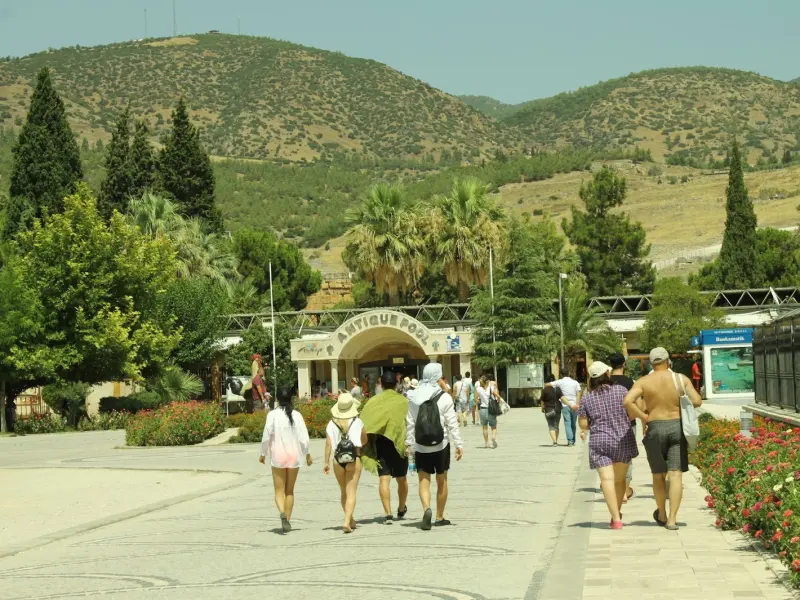
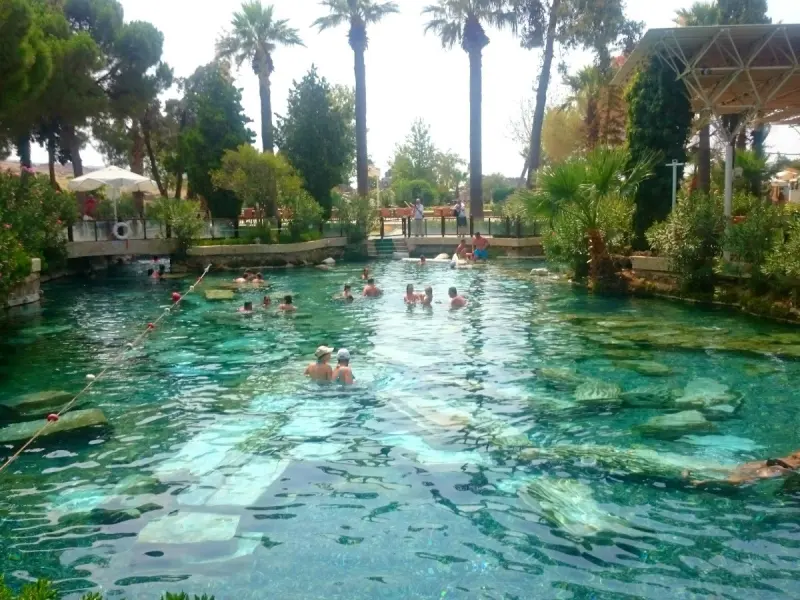
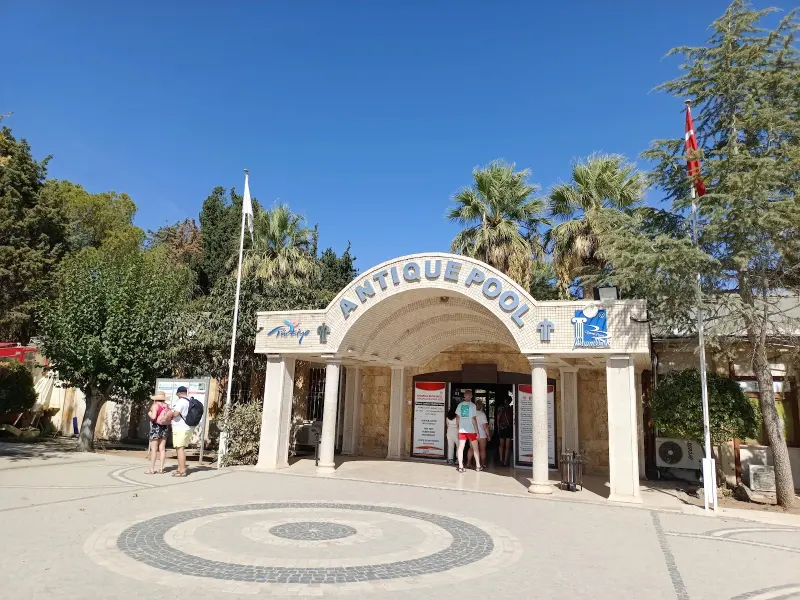
- Pamukkale Antik Havuz (the Antique Pool), inside the ancient city of Hierapolis in Denizli, is an open-air pool where you swim in thermal water of about 36 °C among toppled ancient columns.
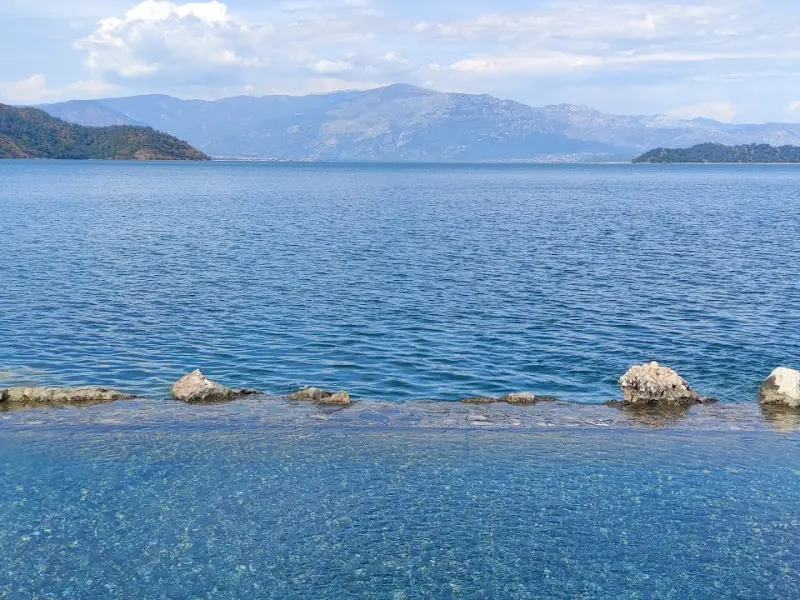
- Sultaniye Kaplıcaları in Köyceğiz, Muğla, is a municipal kaplıca with indoor and outdoor pools fed by 39 °C thermal water, and a mud pool.
- The Sign Kocaeli in Başiskele, Kocaeli, offers its thermal pools at 36-42 °C.
The same venue may have pools at different temperatures; check the sign at the entrance or ask a member of staff. The US Centers for Disease Control and Prevention (CDC) recommends that water in hot tubs should not be hotter than 40 °C. In pools close to 40 °C, keep your time short.
How long should you stay in a thermal pool?
People stay in a thermal pool for 15-20 minutes at a time; 20 minutes is the upper limit. Prof. Dr. Müfit Zeki Karagülle, President of the Turkish Spa Medicine and Balneology Association (Türk Kaplıca Tıbbı ve Balneoloji Derneği), says no one should spend more than 20 minutes in these waters. On your first dip, and in pools above 38 °C, start with around 10 minutes.
A dip can be planned like this:
- Shower before getting into the pool.
- Get into the water slowly and give your body time to adjust in the first few minutes.
- Get out slowly after 15-20 minutes, or sooner if you feel unwell; standing up suddenly in hot water can make you dizzy.
- Rest for at least as long as you were in the water, and drink water.
- If you go in again later in the day, repeat the same routine.
When you use a thermal pool on holiday, you can take several short dips during the day; what matters is resting after each one. A therapeutic kaplıca cure is a different thing: under the regulation, a cure means the treatment factor is repeated in a set dose, in a series and at regular intervals, and a doctor sets the programme. MEB's module states, for example, that mud baths are given 2-3 times a week, for a total of 10-15 applications.
What is a kaplıca?
A kaplıca is a bathing place built over a natural hot spring; for the same place the Turkish Language Association (TDK) also gives the words ılıca and çermik. The Regulation on Hot Springs, on the other hand, defines a kaplıca as a facility where natural thermal or thermomineral water environments are made available to the public. Licensed kaplıca facilities must employ a specialist doctor and health staff; treatments using bathing, drinking and mud are planned and supervised by a specialist in medical ecology and hydroclimatology.
This is why the word kaplıca can mean two things: a historic bathing building such as the Eski Kaplıca or Yeni Kaplıca in Bursa, or a health facility where a doctor plans cures. Yalova Termal Kaplıcaları is a historic complex run under the Ministry of Health that brings together the Kurşunlu and Valide baths, an outdoor thermal pool and private family cabins. You can find all venues of this kind on the kaplıca page.
The difference between a thermal pool, a kaplıca, a thermal hammam and a heated pool
The difference between a thermal pool and a kaplıca, a thermal hammam, a hammam and a heated pool lies in where the water comes from and how it is used:
| Where does the water come from? | How is it used? | Treatment | |
|---|---|---|---|
| Thermal pool | Natural hot spring (20 °C or higher at the source) | Warming up and resting, sitting or swimming | None, for relaxation |
| Kaplıca | Thermal or thermomineral spring | Pool, tub, drinking, mud | May offer a cure planned by a doctor |
| Thermal hammam | Natural hot spring | Hammam with a pool, basins, scrub and foam | None |
| Hammam | Mains or well water, heated | Sweating on the navel stone, scrub and foam | None |
| Heated pool, jacuzzi | Mains or well water, heated and disinfected | Swimming, relaxing | None |
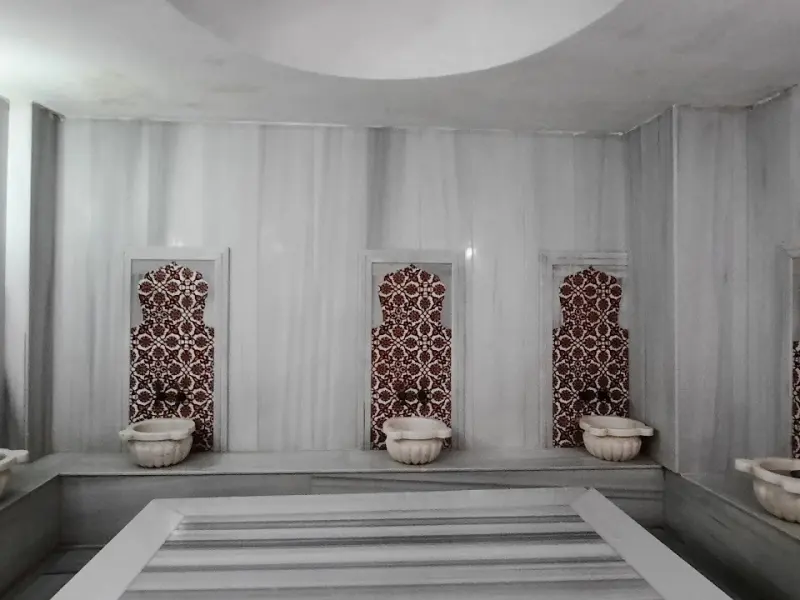
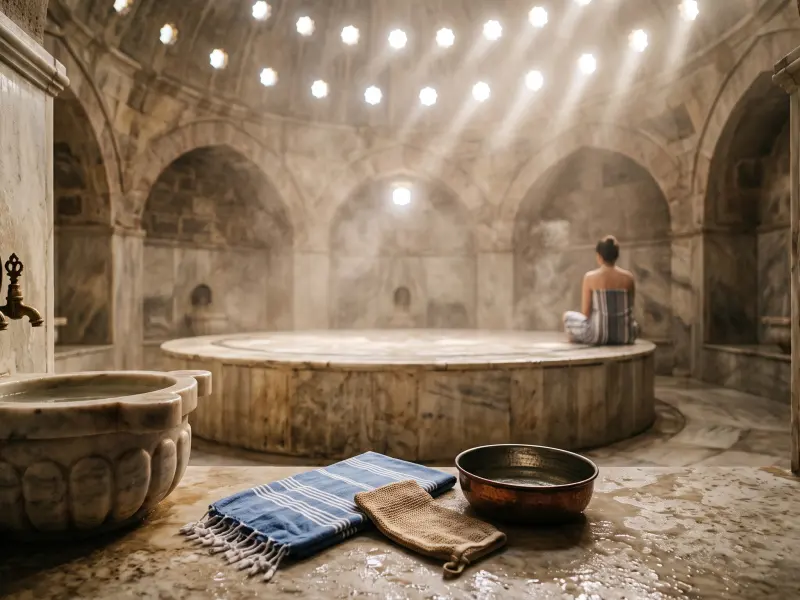
A thermal hammam is a hammam that runs on water arriving hot from the spring; the historic kaplıcas in Bursa's Çekirge and Kükürtlü neighbourhoods are of this kind. According to the TDV Encyclopaedia of Islam, in a kaplıca a large pool takes the place of the hammam's navel stone, and no furnace is needed to heat the water. We describe these buildings one by one in the article Bursa's historic hammams and kaplıcas.
In a hammam, by contrast, the water is heated, and the heat mainly comes from hot air and warmed marble; you can find the values room by room in our hammam temperature guide.
A heated pool or jacuzzi is not thermal; the water is heated and disinfected. The Ministry of Health regulation that applies to swimming pools excludes kaplıca and mineral water pools used for health purposes from its scope; the two kinds of pool are subject to separate rules. This is why, when a hotel calls its pool thermal, it is worth asking which spring the water comes from.
What should you take to a thermal pool?
When getting ready for a thermal pool, take the following with you:
- Swimsuit and slippers: the poolside is wet and slippery.
- Swimming cap: some venues require a cap in the pool.
- Towel or bathrobe: usually provided in hotels; ask in advance at municipal facilities and for day entry.
- Water bottle: you sweat in hot water too.
- Shampoo for the shower afterwards and a hair tie
- Leave your jewellery at home: sulphurous water can tarnish silver.
In many thermal venues women and men have separate sections or separate hours; family cabins are usually rented separately. Ask about these arrangements and the conditions for day entry before you go.
Who should consult a doctor before using a thermal pool?
The hot water of a thermal pool is not equally suitable for everyone. Prof. Karagülle notes that hot thermal waters can be dangerous in some cases; for example, with circulatory disorders, kaplıcas in humid regions can be harmful in the summer months. Consult your doctor first in the following situations:
- Pregnancy: the CDC advises pregnant people to talk to a healthcare provider before using a hot tub.
- Cardiovascular disease and circulatory disorders
- High or low blood pressure
- Regular medication, especially blood pressure and heart medication
- Skin conditions, open wounds or infection
- Fever or acute illness: don't go in during this time.
The CDC advises that children under 5 should not use hot tubs and that no one should drink alcohol before or while using one. If you want to use thermal water for treatment, plan it with a doctor; this article is not a substitute for medical advice.
Where can you find thermal pools in Turkey?
Thermal venues are spread across many of Turkey's provinces. Some of the places where thermal venues in our guide are concentrated:
- Afyonkarahisar: thermal hotels in Gazlıgöl and the city centre, and the municipal kaplıca in Sandıklı
- Denizli: thermal hotels in Pamukkale and Karahayıt
- Ankara: thermal venues in Kızılcahamam, Haymana and Beypazarı
- Bursa and Yalova: the historic kaplıcas of Çekirge and Yalova Termal
Beyond these, there are also thermal venues in Yoncalı (Kütahya), Edremit (Balıkesir), Eskişehir, Kırşehir and Tokat. You can list all venues by the thermal pool service.
Frequently asked questions
Can you use a thermal pool every day?
Healthy adults can use one every day on holiday; what matters is not going over 20 minutes per dip and resting in between. If you have a chronic condition, ask your doctor how often.
Can you drink thermal pool water?
No; the CDC advises not swallowing pool water. Some kaplıcas have separate springs for drinking (içmece); a doctor decides when and how much to drink.
Why does thermal water smell?
Sulphurous waters give off a smell like rotten eggs because of the hydrogen sulphide they contain. The smell comes from the water's natural composition; not all thermal water smells.
Is a thermal pool the same as a jacuzzi?
No. In a jacuzzi, mains water is usually heated and set in motion with air bubbles; the water in a thermal pool arrives hot from the spring. In some thermal hotels the jacuzzis are also filled with thermal water.
Can children use a thermal pool?
The CDC advises that children under 5 should not use hot tubs. For older children, keep the time short and supervise them at all times; some thermal venues have a separate children's pool.
Sources
- Ministry of Health Regulation on Hot Springs, consolidated text (Lexpera), checked October 2026
- MEB MEGEP module: Hot Springs, Springs and Natural Mineral Waters (PDF), checked October 2026
- TDV Encyclopaedia of Islam: Kaplıca, checked October 2026
- TDK Current Turkish Dictionary: ılıca, termal, checked October 2026
- Milliyet: See a doctor before going to a thermal spa (interview with Prof. Dr. Müfit Zeki Karagülle, July 2024), checked October 2026
- CDC: What You Can Do to Stay Healthy in Hot Tubs, checked October 2026
- Regulation on the Health Principles for Swimming Pools (Lexpera), checked October 2026
This article was written by the Spa Deneyimi editors. Rankings and verification badges cannot be bought.