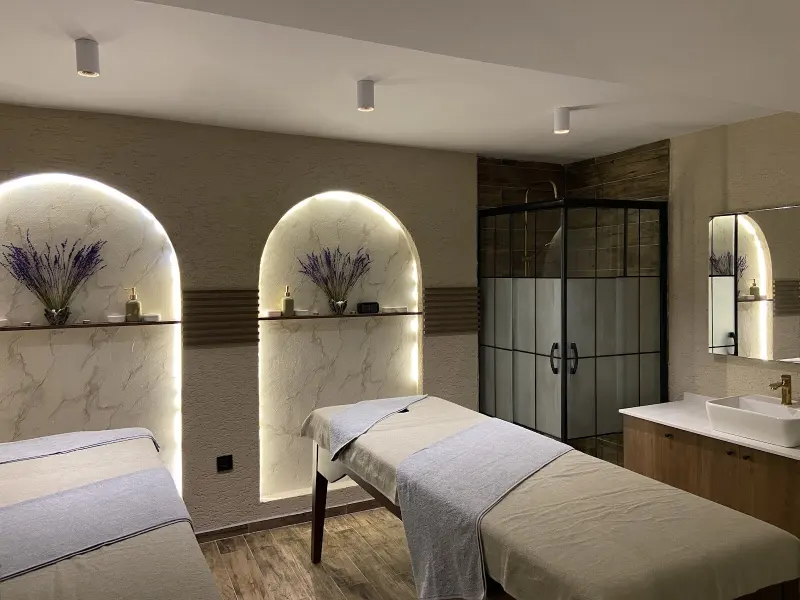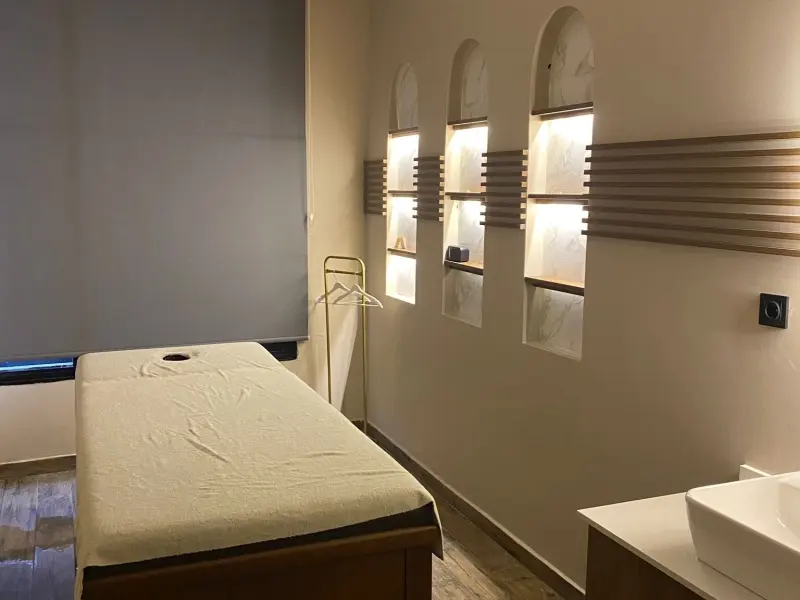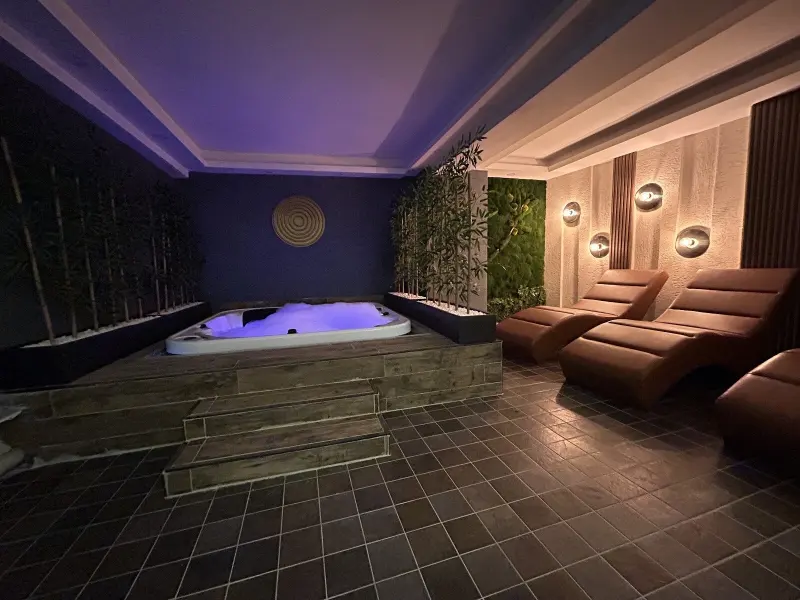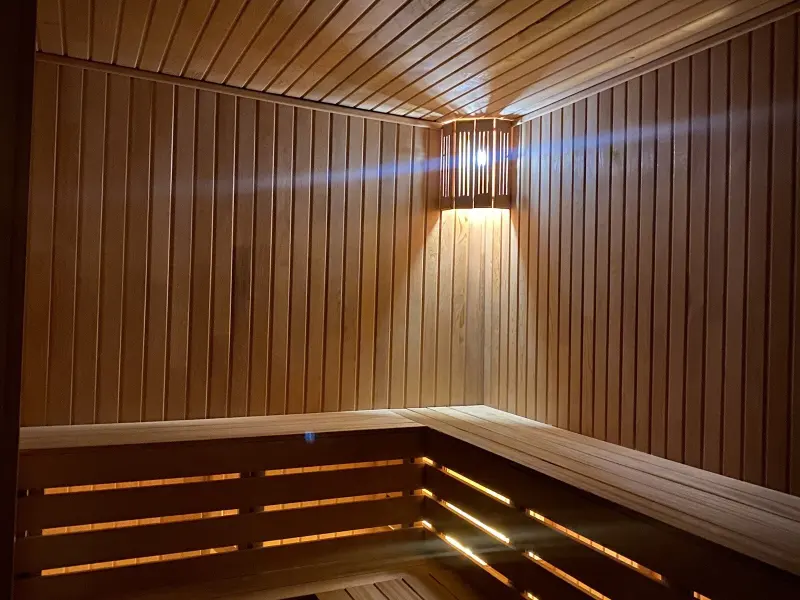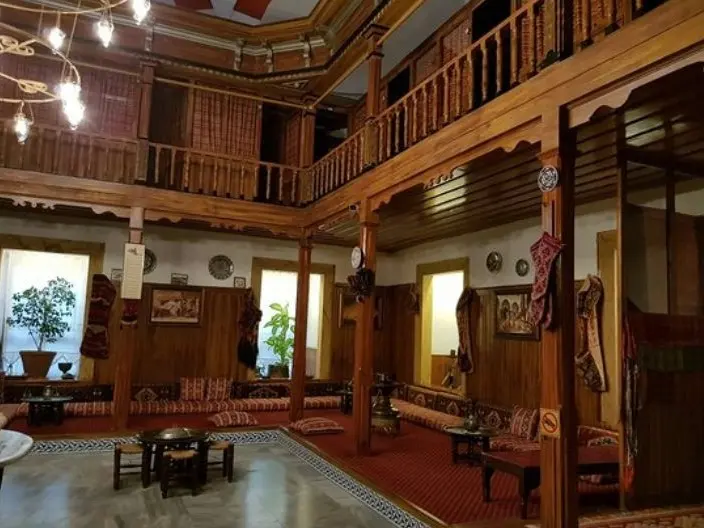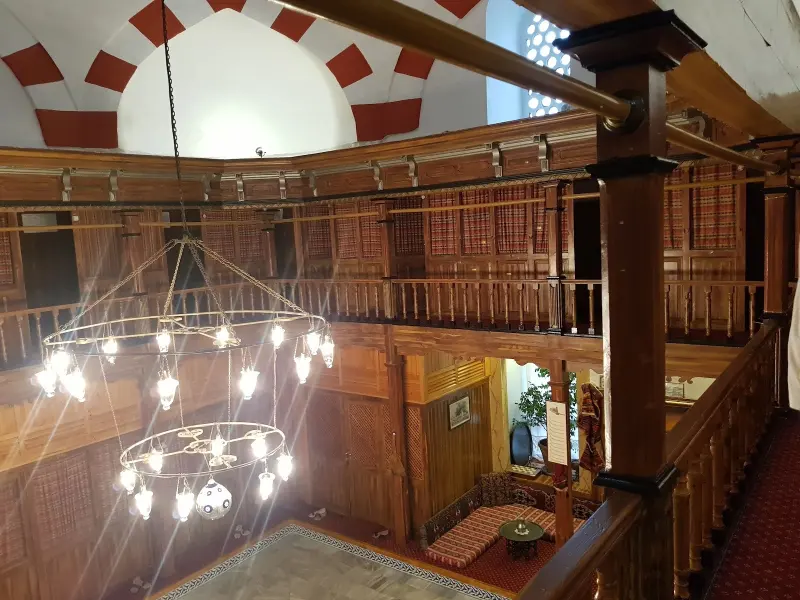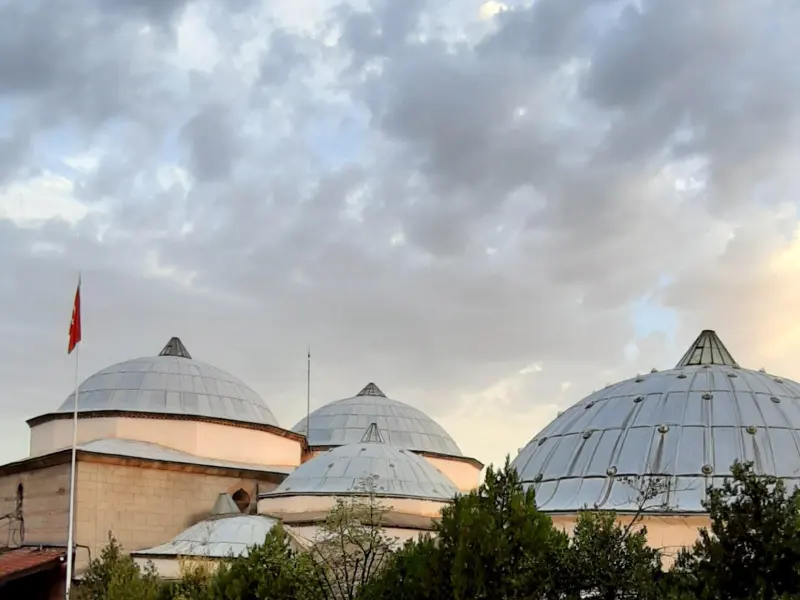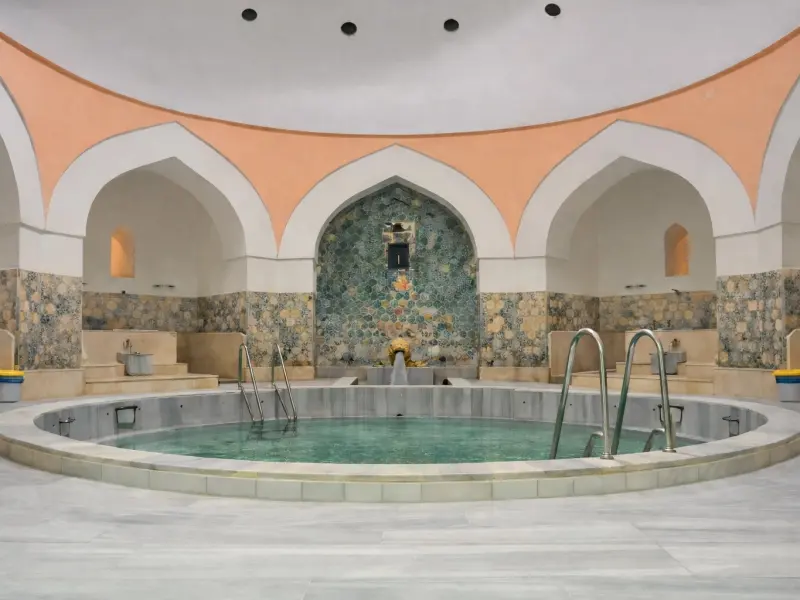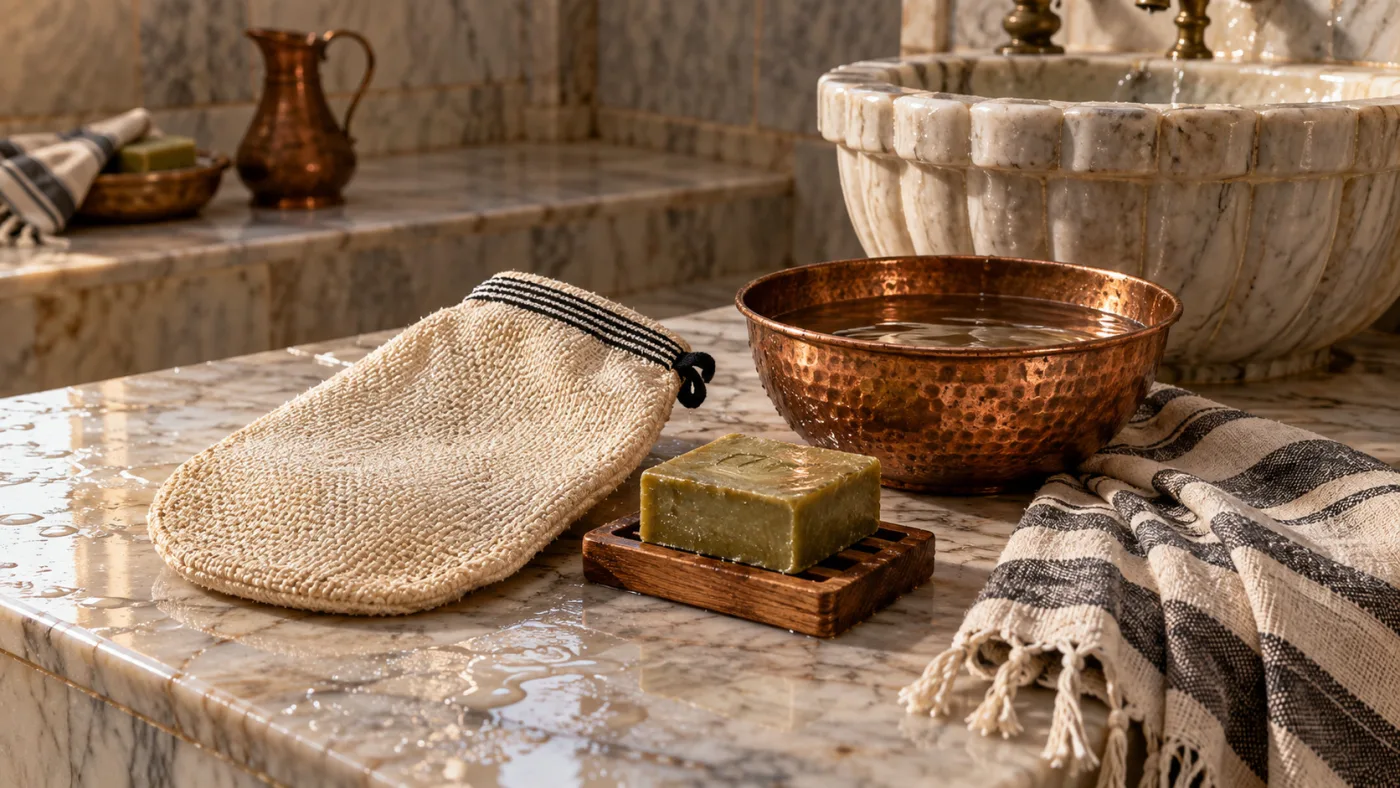
Kese is a mechanical exfoliation done with a coarse-textured mitt on skin that has been warmed and wetted, and it removes the surface layer of dead skin. For normal skin, a full kese in the hammam every 3-4 weeks is enough, because the skin's top layer renews itself in about a month. With dry, sensitive or darker skin the interval should be longer; if you have an open wound, sunburn or active eczema, kese should not be done.
What is kese?
Kese is a central part of the Turkish hammam tradition. The Turkish Language Association's dictionary defines the kese as a pocket-shaped cloth "worn on the hand during washing to remove dirt, used to scrub the body". In everyday Turkish, "kese yapmak", "kese atmak" and "kese yaptırmak" all describe the same thing: giving or having a kese scrub.
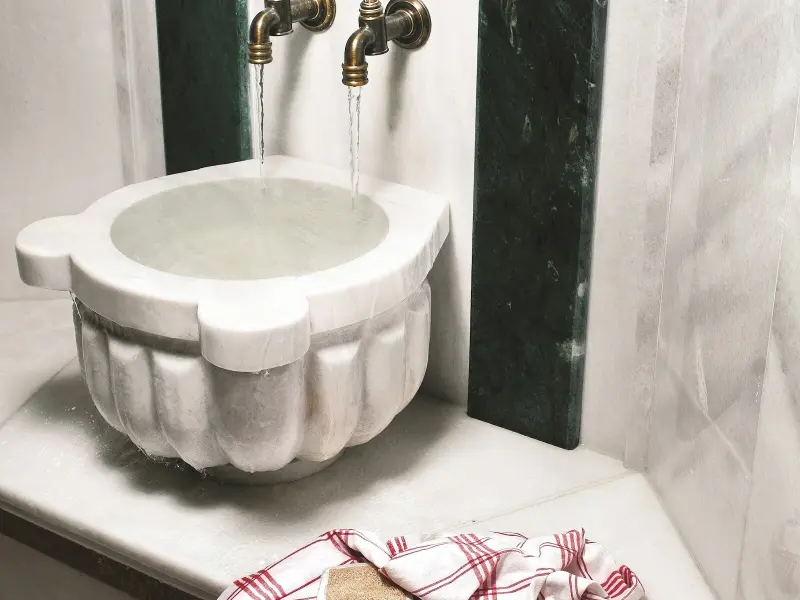
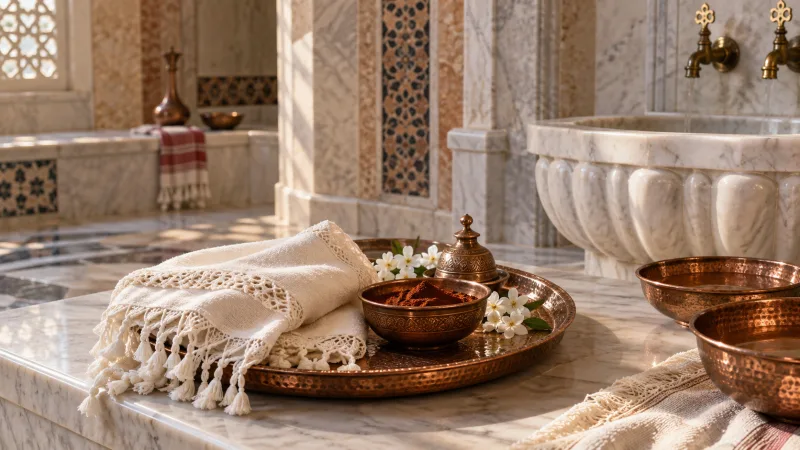
The kese used to be the bather's own belonging: in the Ottoman period, women brought their kese in their bundles together with their peştemal, loofah, soap and hammam bowl, and silk kese mitts were common in the hammams. Today most hammams provide the kese themselves.
The grey rolls that come off during a kese are popularly known as "dirt"; most of them are dead skin cells softened by the hot water. Although this outermost layer of the skin is made of dead cells, it is not useless: it is a protective barrier that stops water from easily entering or leaving the body. That is why lots of rolls coming off does not mean a better kese has been done.
Kese is a cleansing and skincare treatment; it leaves the skin smoother. It does not treat any illness, it does not make you lose weight and it does not get rid of cellulite.
How is kese done in the hammam?
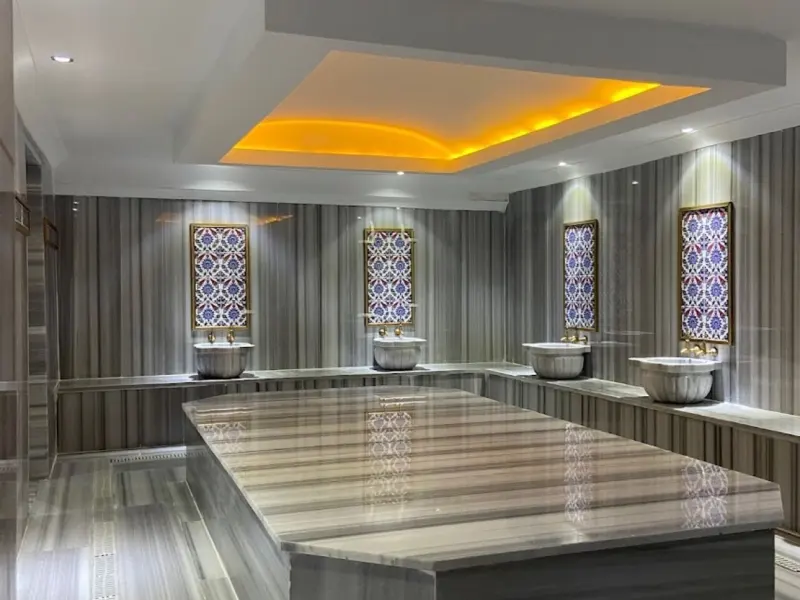
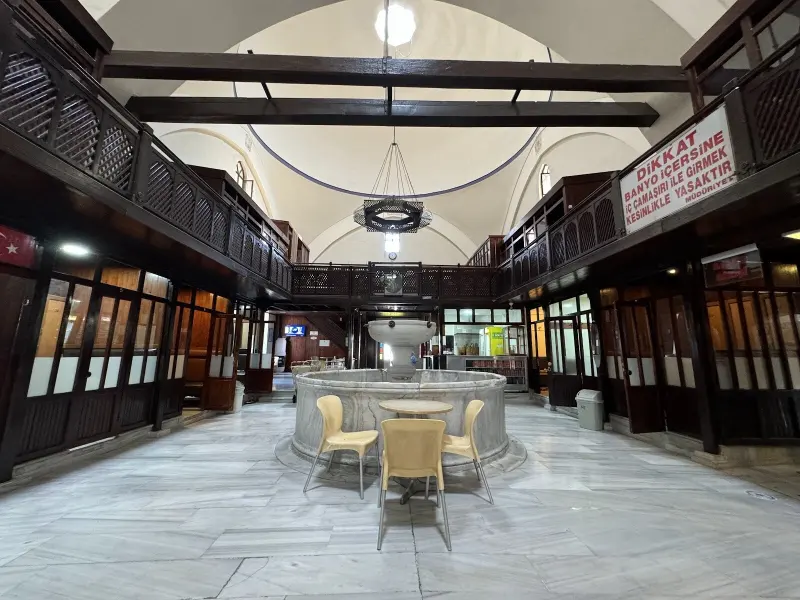
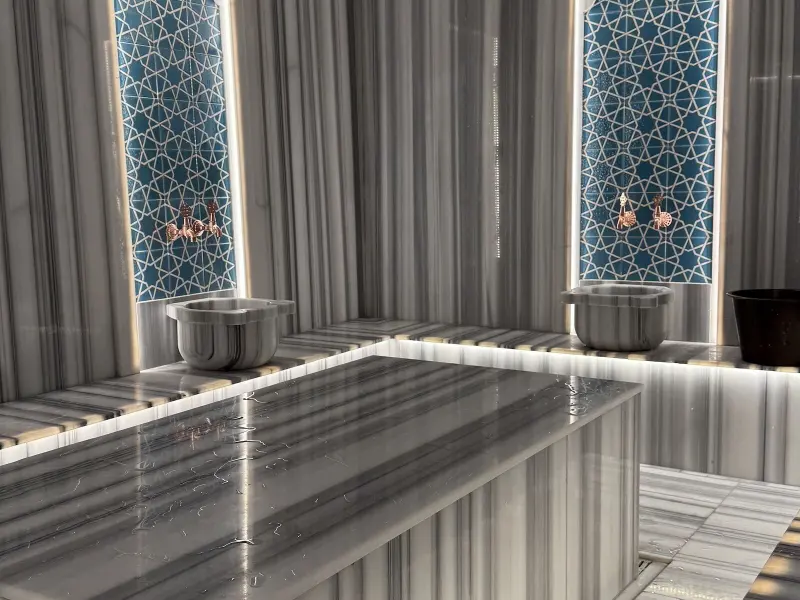
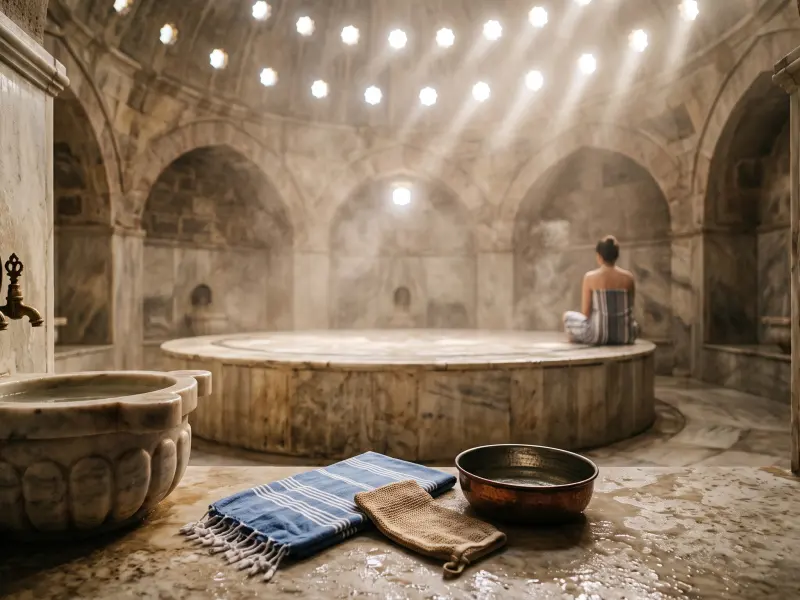
In the hammam, kese starts with the body being prepared by sweating on the navel stone (the heated marble platform). In most hammams the sequence is as follows:
- Warming up: sit or lie in the hot room or on the navel stone for 15-20 minutes. This step is essential for softening the skin; kese is never done on cold skin.
- Wetting: in the men's section the tellak, and in the women's section the natır, wets your body with warm water.
- Kese: the attendant puts the wet kese on their hand and scrubs the body section by section, usually starting with the back and continuing with the arms, legs and torso. This part usually takes 15-25 minutes.
- Rinsing: the dead skin that comes off is rinsed away completely with warm water.
- Foam: if it is included in the package, the foam massage comes after the kese.
- Rest: cool down in the cool room, drink some water and apply moisturiser to your skin.
A slight feeling of friction and warmth is normal, but kese should not hurt. If you feel burning or scratching, simply saying "lighter, please" is enough. The pinkness of the skin after kese usually fades within a few hours. If you are going for the first time, also read how to use a hammam and what to pack in your hammam bag.
How do you do kese at home?
Kese at home should be lighter than in the hammam; the skin does not soften as much as it does there, and it is hard to judge the pressure with your own hand.
- Take a hot shower or soak in the bath for 10-15 minutes.
- Wet the kese. Do not use soap; kese is done on wet skin without soap.
- Work with short, light movements and do not go over the same spot again and again. Press a little more on thick areas such as the elbows, knees and heels, and less on the inner arms and the neck.
- Do not use a body kese on your face or genital area.
- Rinse with warm water and apply moisturiser straight away while your skin is still damp.
- Wash and wring out the kese and hang it to dry outside the bathroom.
Kese in the hammam is more thorough, because the skin softens for a long time in the hot, humid air and the attendant applies even pressure to the whole body, including the back. Kese at home is enough to keep the skin smooth between hammam visits; you can leave areas you cannot reach, such as the back, to the hammam.
How often should you have kese?
How often to have kese depends on your skin type and how coarse the kese is. For a full kese in the hammam, these intervals suit most people:
- Normal skin: every 3-4 weeks, in other words once a month.
- Oily, thick skin: every 2-3 weeks.
- Dry, sensitive or acne-prone skin: every 6-8 weeks, or less often.
The reasoning behind these intervals is the rate at which the skin renews itself. New cells formed in the lower layer of the skin reach the outermost layer in about a month; because a full kese removes most of this layer, it needs time to form again. The American Academy of Dermatology also states that the more aggressive the exfoliation, the less often it should be done, and that over-exfoliating can leave the skin red and irritated.
A light kese at home should not be done more than once a week either; for sensitive skin, every two to three weeks is enough. In winter, when the skin is drier anyway, it makes sense to leave longer between sessions. Do not have a hard kese for the first time just before a special day such as a wedding, a bridal hammam or a holiday; allow a few days for any redness to fade.
Who should have it less often: people with dry or sensitive skin; people with darker skin tones, because harsh exfoliation can increase dark patches in some people; and people using products containing retinoids, retinol or benzoyl peroxide, because these make the skin more sensitive.
What is the difference between kese and foam massage?
Kese and foam massage are different treatments, and in most hammams they are offered together as "kese and foam". Kese is an exfoliation that removes dead skin; foam massage is a wash with soap foam and a light massage. The order is usually kese first, then foam: the dead skin is removed first, then the body is washed with foam. If you have sensitive skin, you can have the foam only or ask for a light kese.
How do you choose a kese mitt?
The kese mitt is traditionally made from bürümcük, a fine fabric woven from raw silk. Today there are kese mitts with silk and synthetic textures, ranging from soft to coarse. For sensitive skin, choose a soft-textured kese. You can take your own kese to the hammam; it puts your mind at rest about hygiene, and because you know how coarse it is, the result is more predictable.
Because a kese, like a loofah, is porous and stays damp, it can collect dead skin and bacteria. After each use, rinse it, dry it outside the bathroom and do not share it with anyone. If you see mould, notice a bad smell or see that it is worn, buy a new one.
Who should not have kese, or should consult a doctor first?
Do not have kese in the following cases:
- If you have an open wound, a scratch, sunburn or a new tattoo.
- If you have a flare-up of eczema or psoriasis. Scratches and grazes can trigger a psoriasis flare-up, and skin with eczema is sensitive to irritants and heat.
- Straight after shaving or waxing; wait a few days.
Consult your doctor first in the following cases:
- If you are being treated for a skin condition or taking medication that makes the skin more sensitive.
- If you take blood thinners or bruise easily.
- If you have diabetes or loss of sensation; you may not fully feel the heat and the friction.
- If you are pregnant, or have cardiovascular disease or high blood pressure: here the heat of the hammam matters as much as the kese. We explain what to watch out for during pregnancy in our guide to massage and spas during pregnancy.
Where can you have kese?
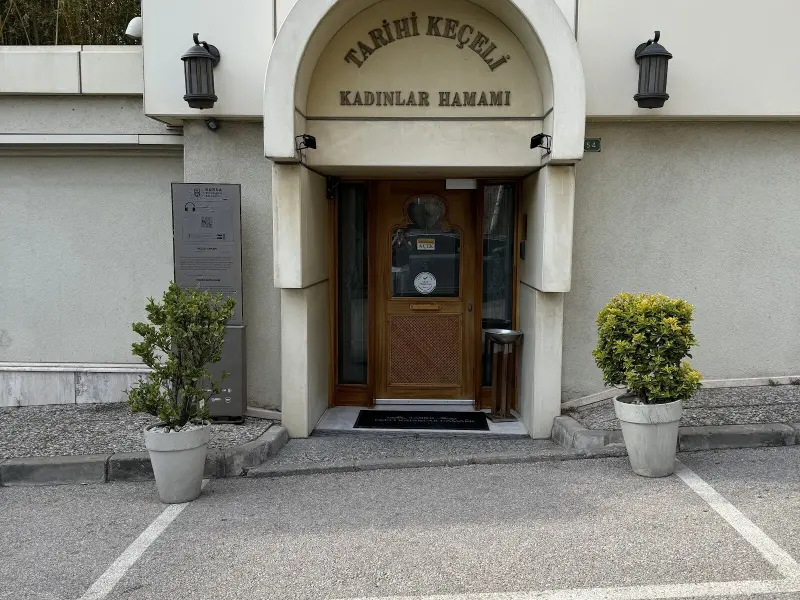
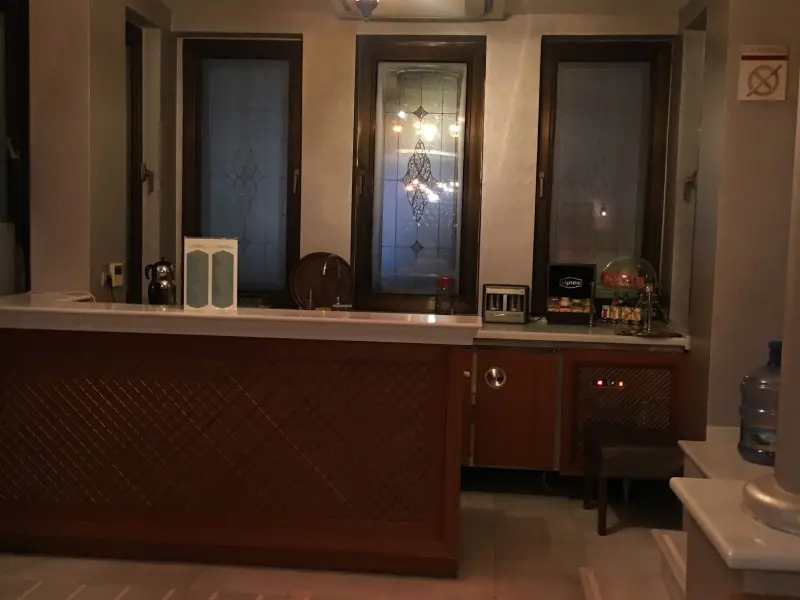
Kese is offered at almost every venue with a hammam; you can list the venues offering kese by city. In historic hammams kese is often part of the package: in Istanbul, the Süleymaniye Hammam includes kese, foam and refreshments in the price of its ritual of about 105 minutes. In Çekirge, Bursa, the Keçeli Historic Women's Hammam offers a Turkish bath with thermal water, kese and foam for women only.
The price of kese is determined by the type of hammam, the city, the duration and the services included in the package; for Istanbul, the details are in Istanbul hammam prices.
Frequently asked questions
How often should you have kese?
In the hammam, a full kese can be done every 3-4 weeks for normal skin, every 2-3 weeks for oily skin and every 6-8 weeks for dry and sensitive skin. A light kese at home should not be done more than once a week.
How long does kese take?
The kese itself usually takes 15-25 minutes. With the 15-20 minutes of warming up beforehand and the foam that follows, you need to allow at least an hour in the hammam.
Is kese done first, or foam?
Kese first, then foam. The kese removes the dead skin; the foam then washes the body with soap.
Does kese hurt?
It should not. A feeling of friction and warmth is normal; if you feel burning or scratching, ask the attendant to go lighter.
What should you do after kese?
Apply moisturiser straight away and avoid long periods in the sun the same day; freshly exfoliated skin is more sensitive.
Can kese be done on the face?
A body kese is too coarse for the face; do not use it there. For the face, choose softer products suited to facial skin.
Sources
- Turkish Language Association, Current Turkish Dictionary: entries "kese" and "bürümcük" — checked October 2026
- American Academy of Dermatology: How to safely exfoliate at home — checked October 2026
- Cleveland Clinic: Epidermis — checked October 2026
- Cleveland Clinic: Loofahs can double as bacterial breeding grounds — checked October 2026
- NHS: Psoriasis — causes — checked October 2026
- NHS: Atopic eczema — checked October 2026
- Başaran and Polat, "Kildans of Harput in the Late Ottoman Period", Academic Knowledge 9 (1), 2026 (PDF, in Turkish) — checked October 2026
This article was written by the Spa Deneyimi editors. Rankings and verification badges cannot be bought.