
Closed · opens today at 08:00 Mixed
Mixed
Turkish BathTraditional Hammam Ritual +1

56 venues found
Closed · opens today at 08:00 Mixed
Closed · opens today at 07:00 Mixed
from₺1,250 · ≈ €23
Closed · opens today at 07:30
Closed · opens today at 10:00
Closed · opens today at 09:00
Closed · opens today at 10:00
Separate sections
Open · closes at 02:00

Separate sections
Separate sections

Separate sections
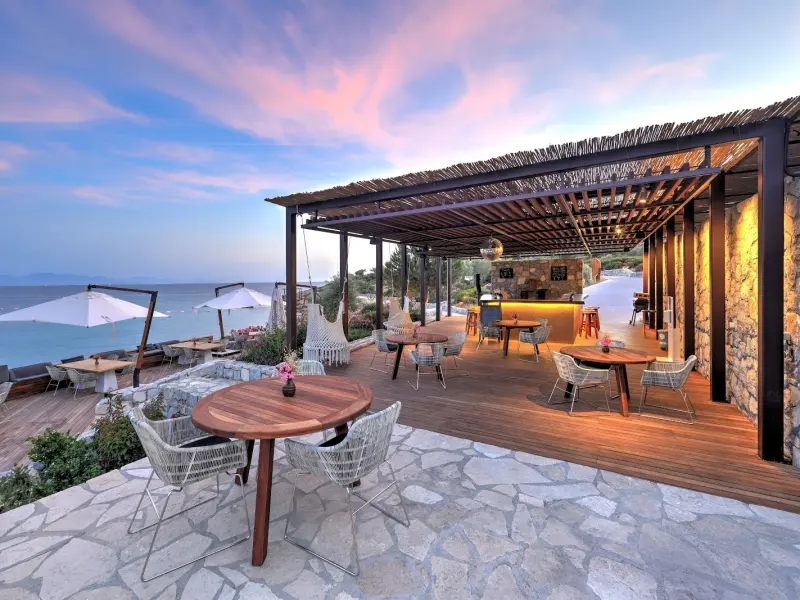
Separate sections
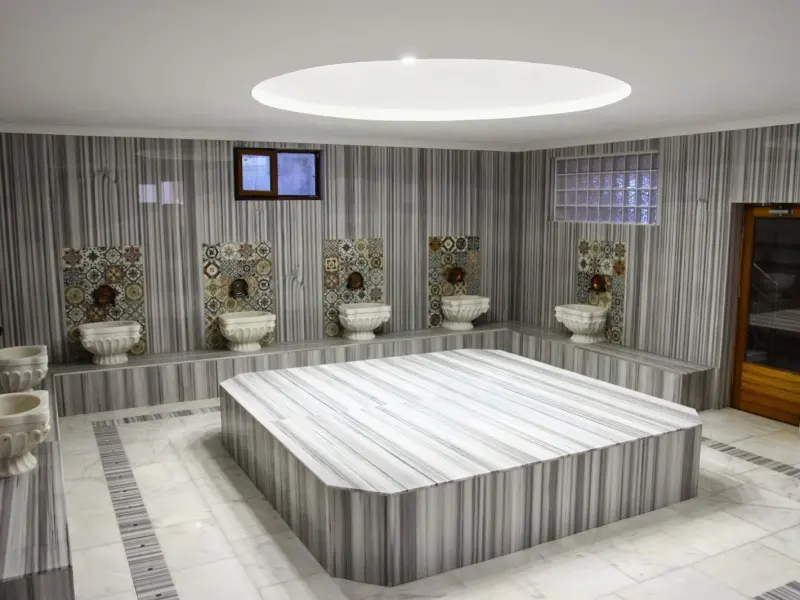
Closed · opens today at 09:00 Separate sections
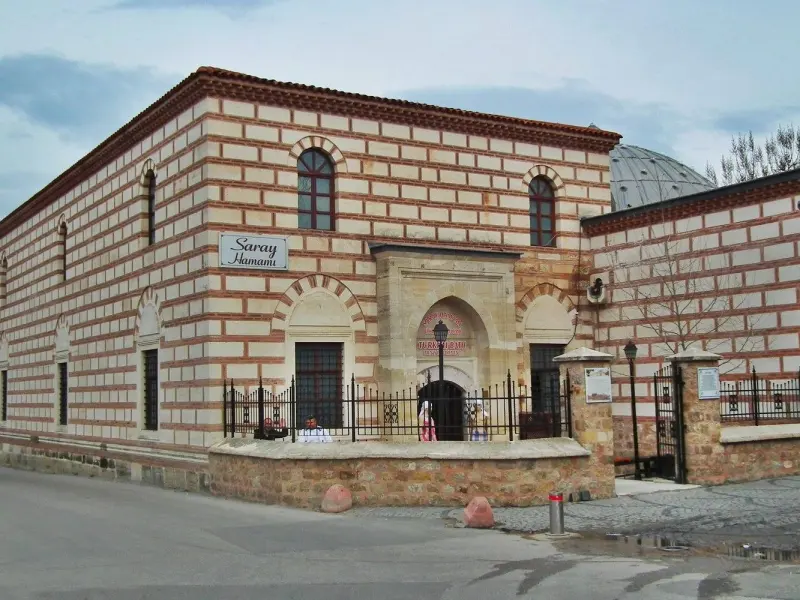
Closed · opens today at 07:00 Separate sections

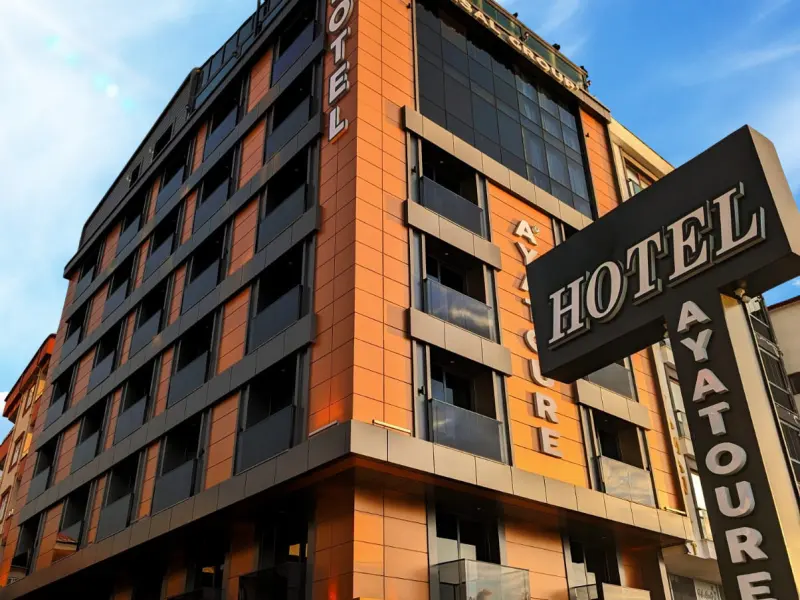
Closed · opens today at 10:00
Separate hours
Open · closes at 02:00
Closed · opens today at 09:00 Mixed
Closed · opens today at 10:00
The recommended order is based on rating and number of reviews, and on how complete and up to date a listing is. A paid membership does not change the order.
The map couldn't be loaded
A facial (also called skin care or face care) is a professional treatment that begins with an assessment of skin type and continues through cleansing, exfoliation, steam, extraction, mask, serum and moisturising steps. The content of the steps and the products used vary with skin type: different programmes are used for oily, dry, combination, sensitive and mature skin.
In a spa setting, a facial is often booked on the same visit as a hammam, sauna or massage. Most of the listed venues are hotel spas and day spas in Istanbul, particularly in Beşiktaş; there are also facilities offering facials in Ankara, Antalya and Muğla.
A facial is done lying on your back in a treatment chair or on a bed. Your hair is held back with a band; if the neck and décolletage are also being treated, you may be asked to undress your upper body and cover yourself with a towel. A typical session runs in this order:
If a product causes a burning or stinging sensation during the treatment, tell the therapist straight away; the product can be changed or that step skipped.
A facial takes 45-75 minutes; basic programmes are at the shorter end, while those with massage and an extra mask are at the longer end. Because of the skin's renewal cycle, having one every 4-6 weeks is recommended; more frequent treatment, especially treatment that includes exfoliation, can weaken the skin's barrier. For intensive programmes aimed at a specific concern, the therapist decides the interval and number of sessions according to how your skin responds.
Straight after a facial the skin looks cleaner, softer and more hydrated. This effect is not permanent; it is maintained with a regular routine at home. A single session should not be expected to remove structural problems such as wrinkles, pigmentation marks or acne scars. The skin may be red for a few hours; this is normal. It is recommended not to wear make-up on the day of the treatment, to protect the skin from the sun for 24-48 hours and to stop using exfoliating and retinol products for a few days. If extraction was done, temporary redness and small scabs may appear.
A facial is a cosmetic treatment, not a dermatology service. For cystic acne, rosacea, psoriasis, eczema, suspicious moles and lesions that do not heal, see a dermatologist. If you are taking, or have recently taken, a treatment such as isotretinoin (Roaccutane), treatments involving exfoliation and extraction are inadvisable; consult your doctor.
The treatment is postponed in cases of active herpes (cold sores), sunburn, open wounds, active inflamed acne and recent cosmetic procedures. Retinoids and some acid-containing products are not used during pregnancy, so if you are pregnant, mention it when making your appointment. Tell them if you are allergic to any of the products used; a patch test may be requested for sensitive skin.
A facial covers only the face, neck and décolletage. A body treatment applies a similar approach to the body, bringing together exfoliation, mask, massage and moisturising steps. A body scrub, on the other hand, focuses on a single step: removing dead skin with a granular mixture. Because facial skin is thinner and more sensitive than the skin of the body, the coarse-grained mixtures used on the body are not applied to the face. Before a wedding, a facial is often part of bridal packages; to allow for possible redness and scabbing, it is recommended to schedule it at least a week before the wedding.
The price of a facial is determined by the length of the session, the brand and ingredients of the products used, device support such as ultrasound or LED, and whether steps such as extraction, an extra mask and massage are included. At hotel spas and day spas, whether the treatment includes use of the wet area also affects the cost; packages taken with a hammam are priced differently from services booked separately. Details are in the guide to what determines spa prices. When booking, you could ask:
Because of the skin's renewal cycle, once every 4-6 weeks is recommended. More frequent treatments, especially those that include a peel, can weaken the skin's protective barrier. If you are following an intensive programme for a specific concern, your specialist will set the frequency.
Yes, redness lasting a few hours is normal, especially if extractions or a peel were done. Do not wear make-up on the day of the treatment, protect your skin from the sun for 24-48 hours, and take a break of a few days from exfoliating products and products containing retinol. If the redness lasts longer than a day, or comes with blistering or severe itching, see your specialist.
For superficial blackheads and mild acne, cleansing and extractions can bring relief. However, cystic and inflamed acne should not be treated with a facial; see a dermatologist instead. If you are taking, or have recently taken, a treatment such as isotretinoin, peels and extractions are not advisable.
The usual length is 45-75 minutes. Basic facials take 45 minutes; comprehensive programmes that include masks, massage and additional serums can run to 75 minutes. Device-assisted treatments may take longer.
Stop using exfoliating products, retinol and acids a few days before the treatment. If you have had waxing or laser hair removal, wait at least 48-72 hours. If you have sunburn, an active cold sore or an open wound, postpone the appointment. Tell your specialist about any medication and skincare products you use.
No. A facial is a cosmetic treatment, not a medical diagnosis or treatment service. For cystic acne, rosacea, psoriasis, eczema, suspicious moles and lesions that do not heal, always see a dermatologist.
The basic steps are the same; the difference lies in adjustments made for skin type and shaving habits. As men's skin is usually thicker and oilier, cleansing and pore care come to the fore. Since skin becomes more sensitive after shaving, it is advisable to shave the day before rather than just before the treatment, and to tell the practitioner about any irritation in the shaved area.
On suitable skin and with the right technique it usually leaves no marks; brief redness and small scabs are normal. The risk of marks increases when inflamed or deep spots are forcibly squeezed; for this reason, practitioners do not touch such blemishes and refer cystic acne to a dermatologist. Squeezing spots at home is not recommended for the same reason.
Are you sure?
Choose one more venue to compare.