Separate sections
Separate sections
Thermal PoolTurkish Bath +1
42 venues found
Separate sections
Separate sections
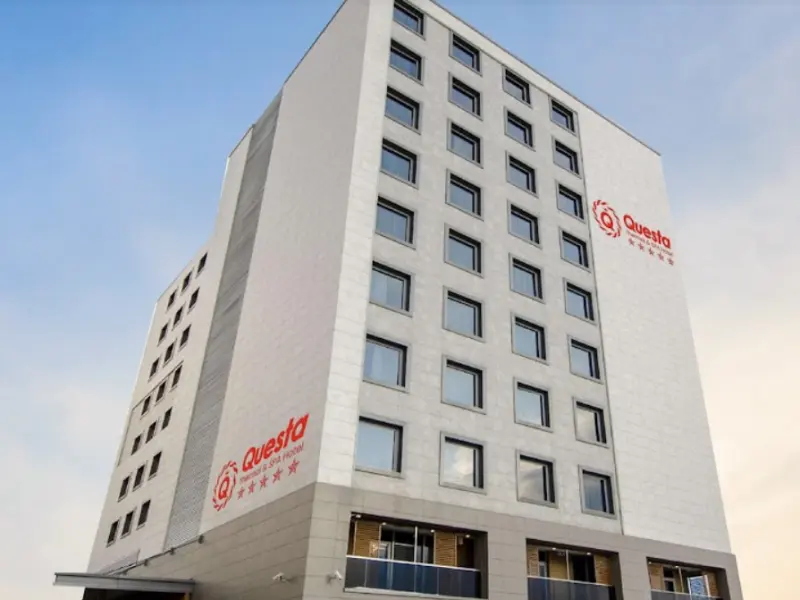
Mixed
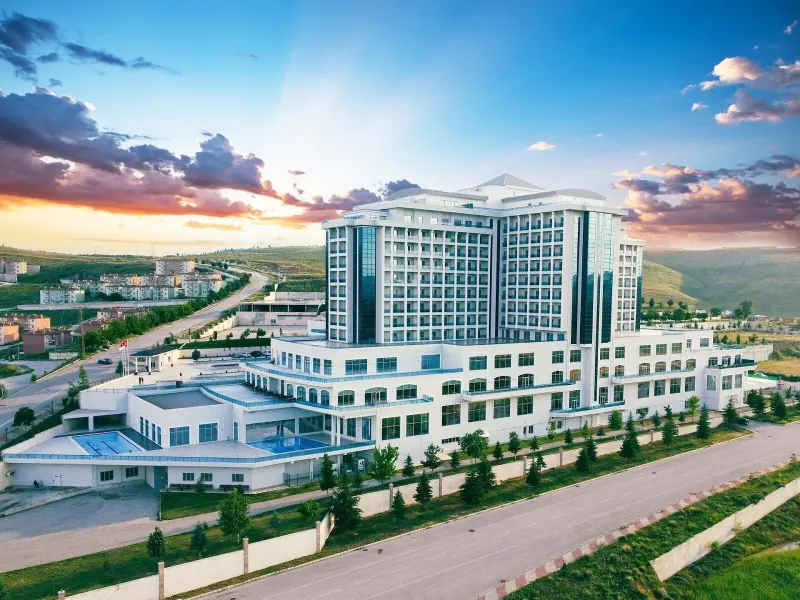
Mixed
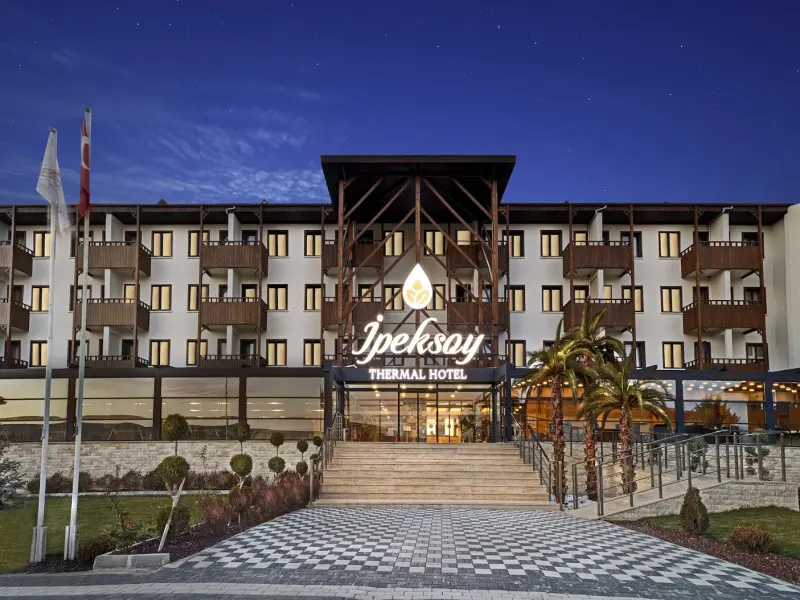
Separate sections
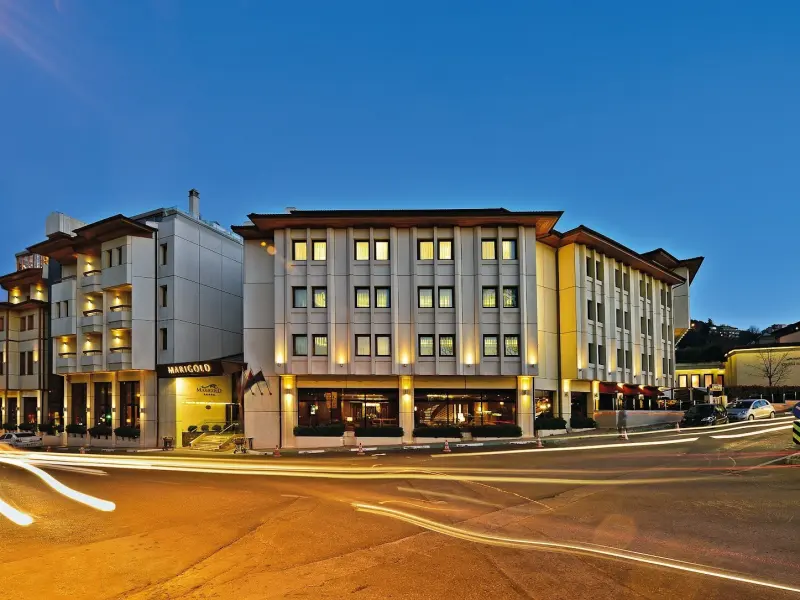
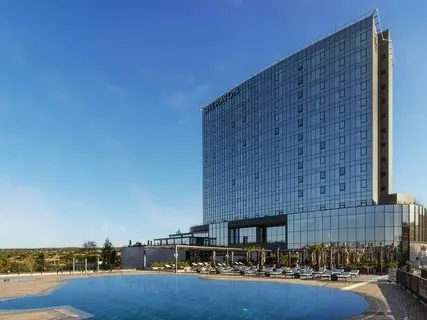
Separate sections
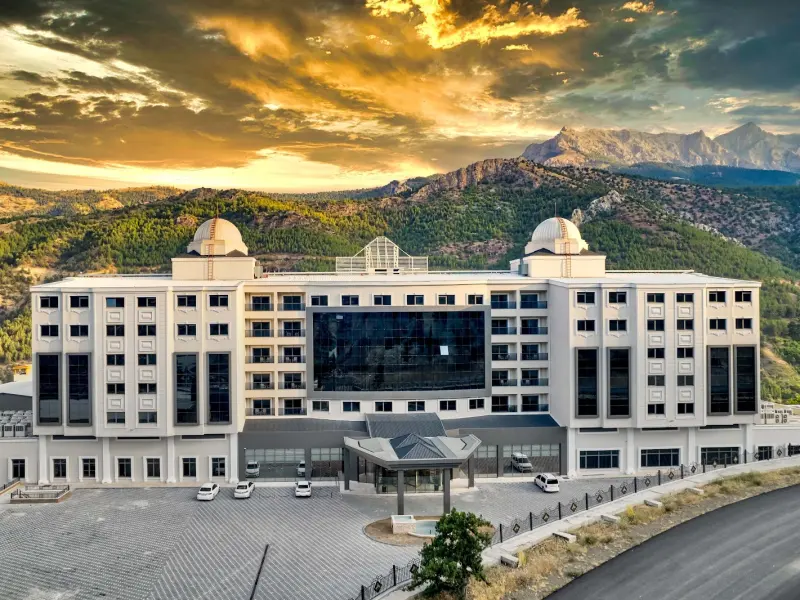
Separate sections
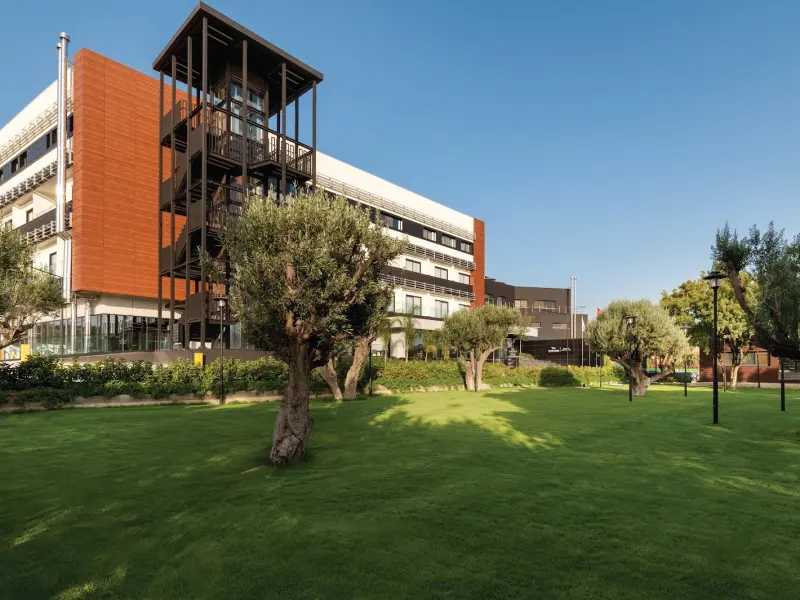
Separate sections
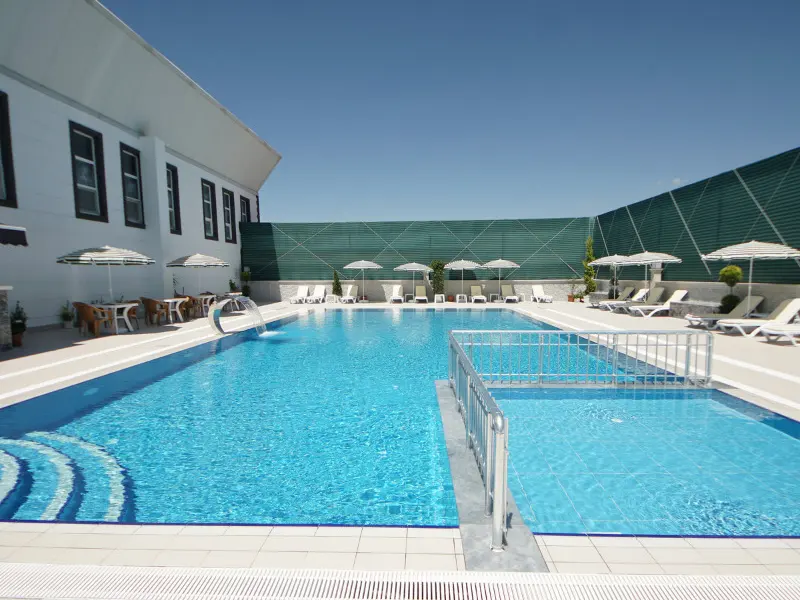
Separate hours
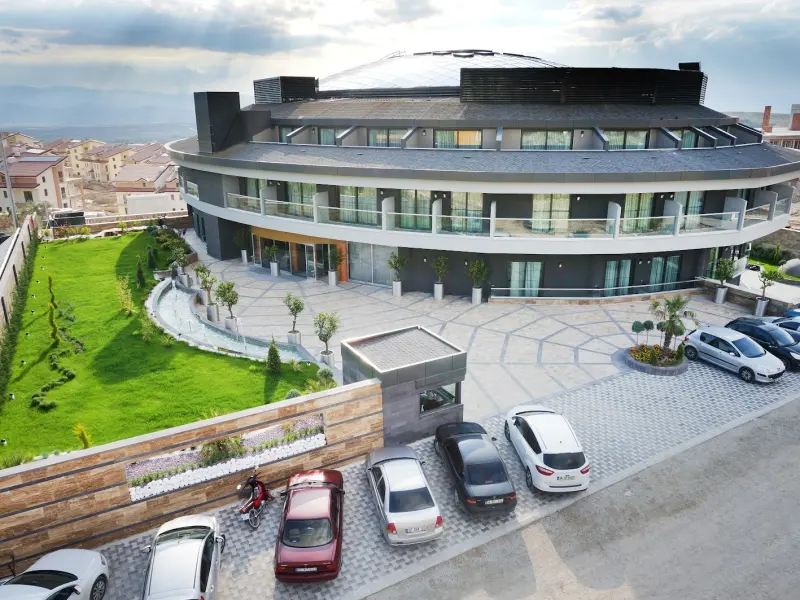
Separate sections
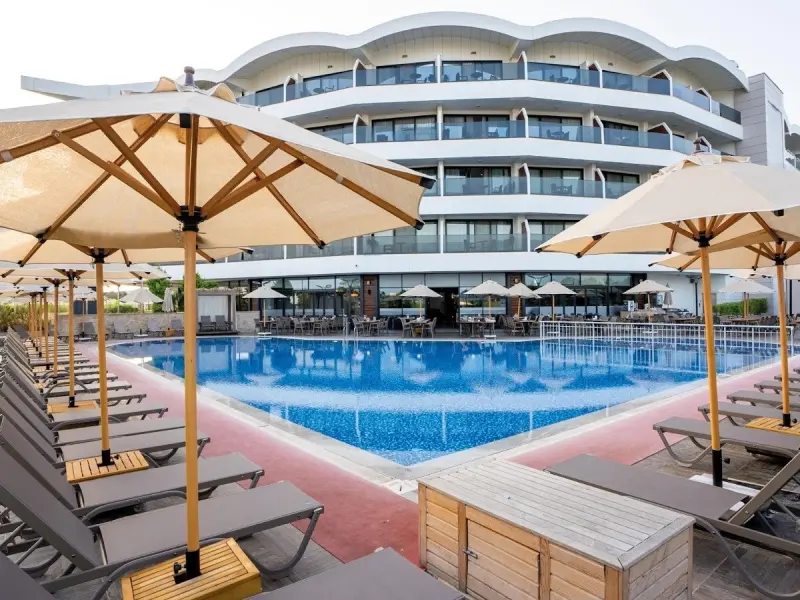
Mixed
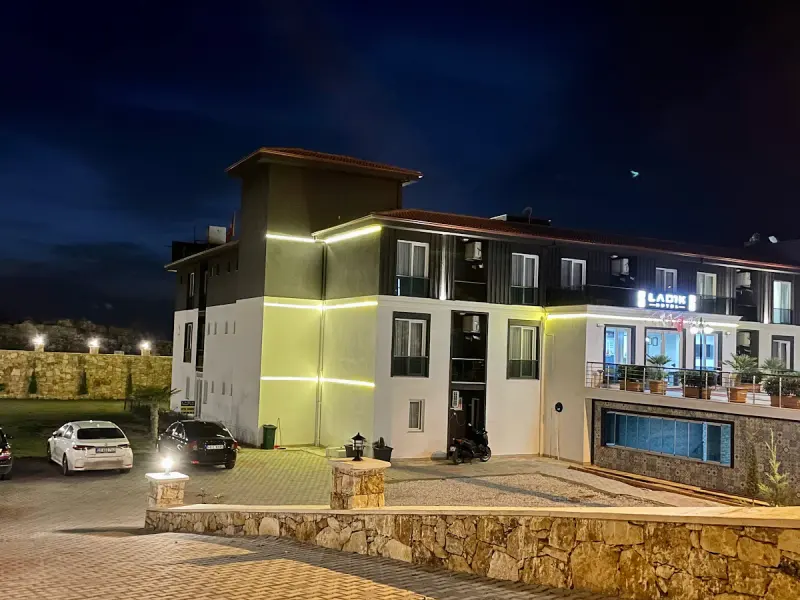
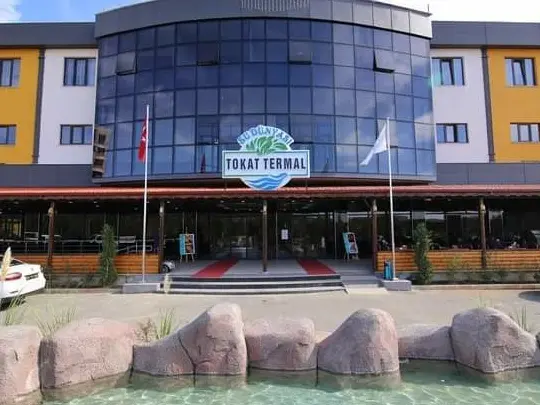
Closed · opens today at 08:30
Closed · opens today at 07:00 Women
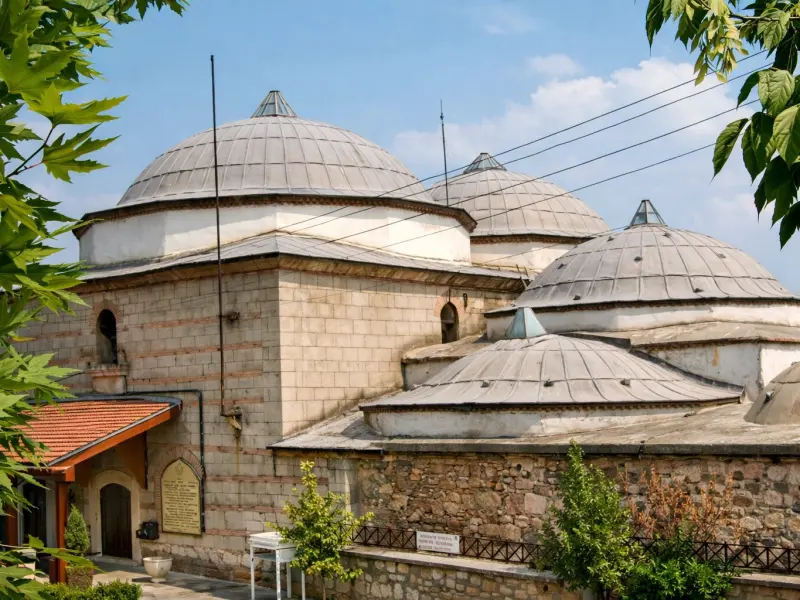
Closed · opens today at 05:00 Separate hours
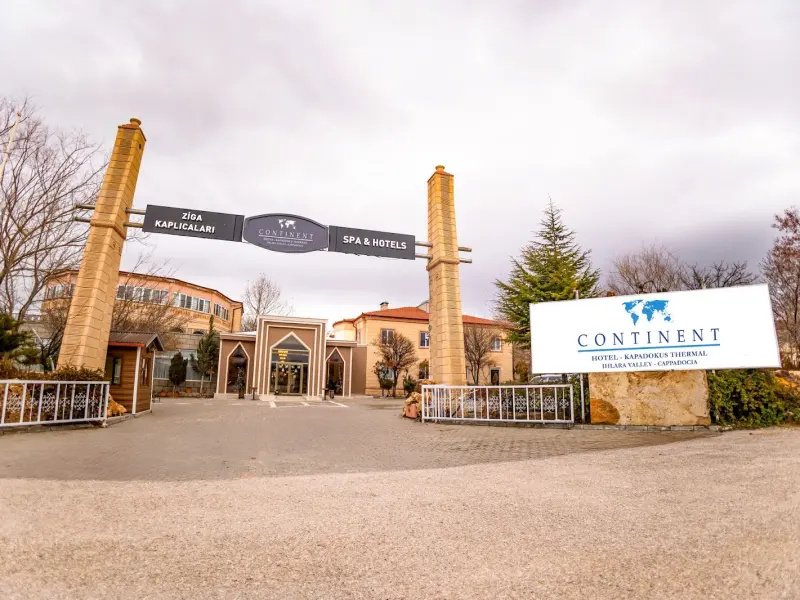
Separate sections
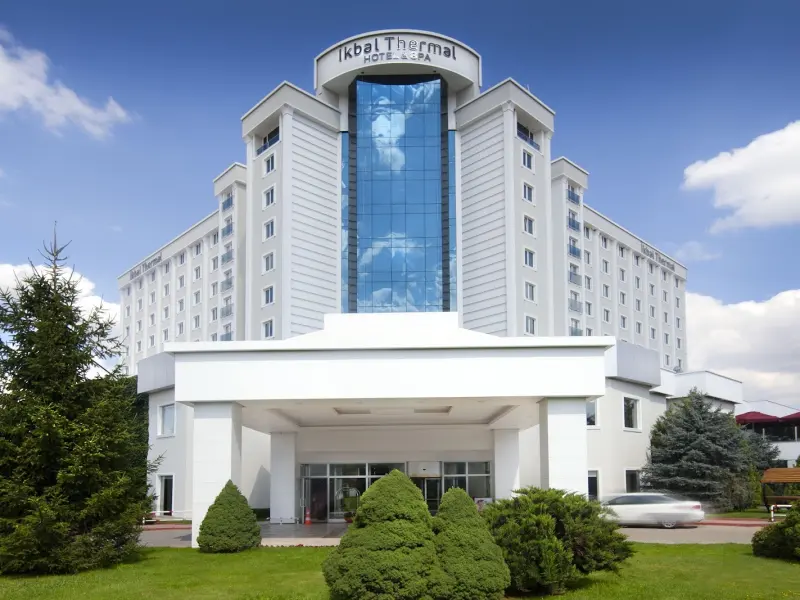
Separate sections
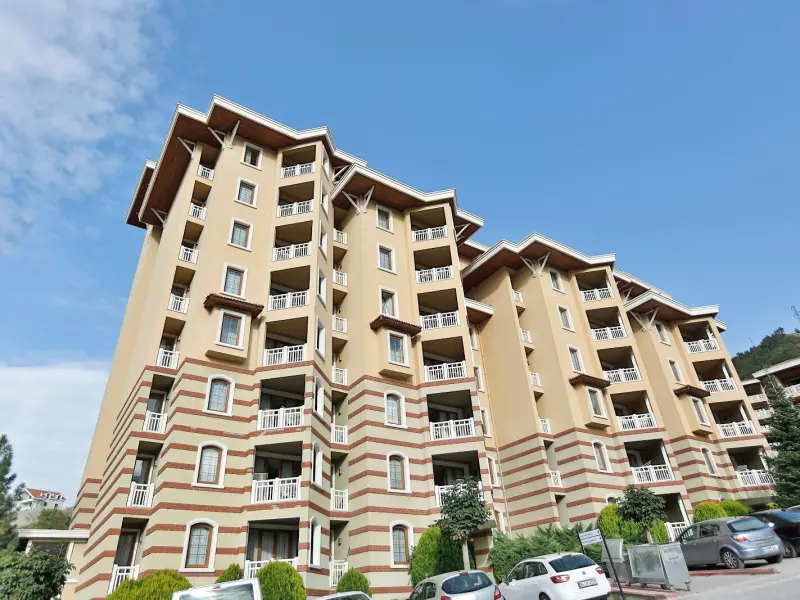
Separate hours
Separate sections
Separate sections
Separate sections
Separate sections
The recommended order is based on rating and number of reviews, and on how complete and up to date a listing is. A paid membership does not change the order.
The map couldn't be loaded
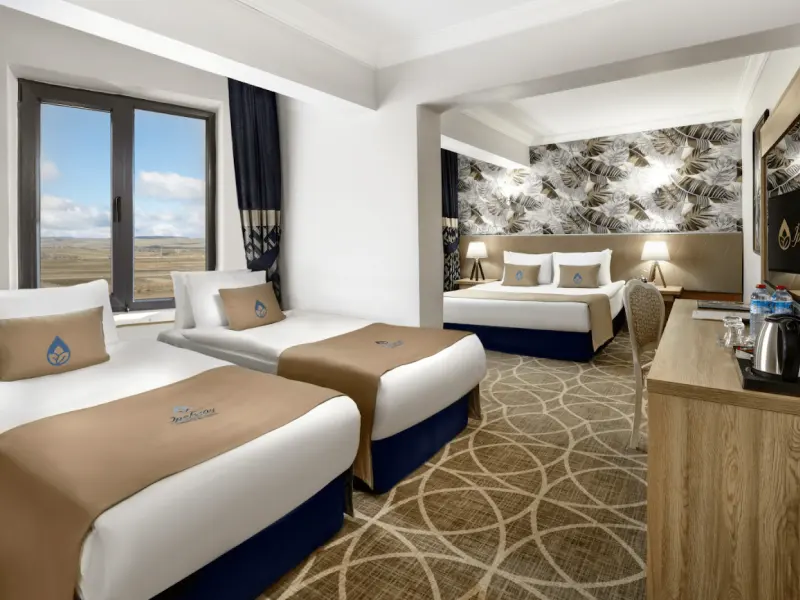
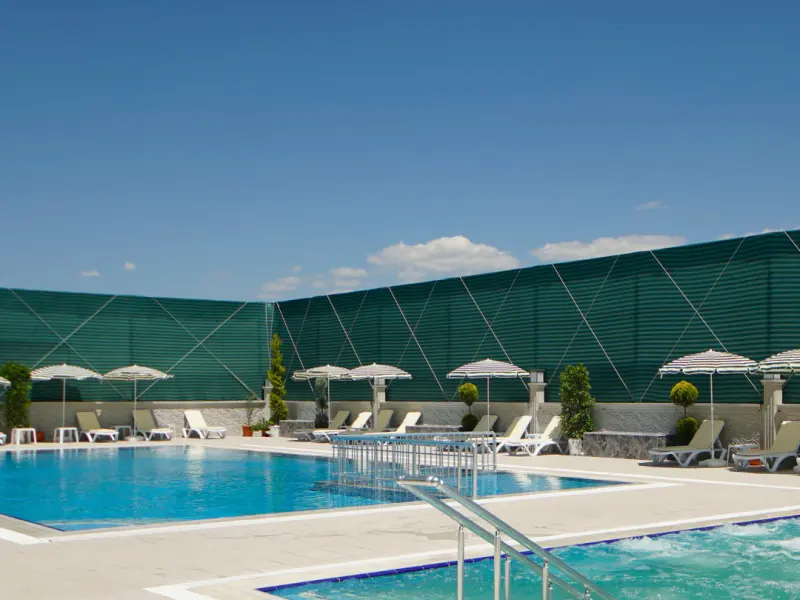
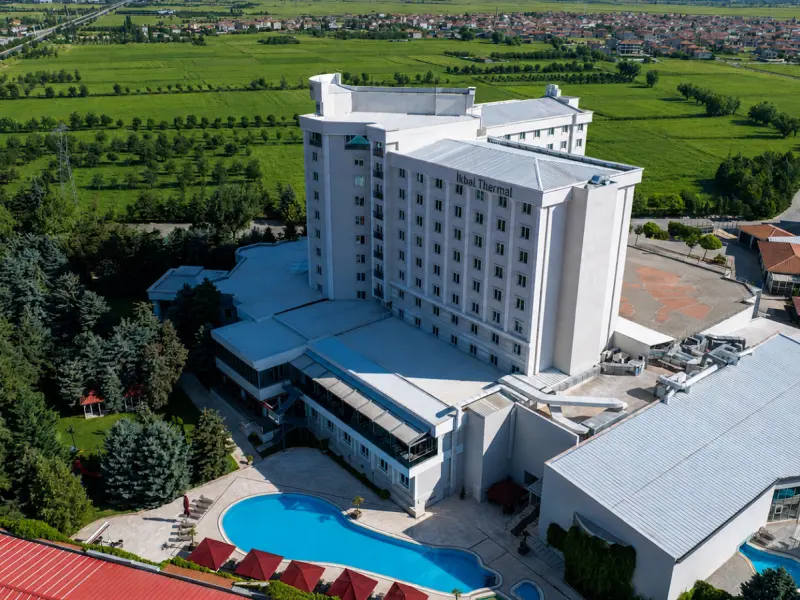
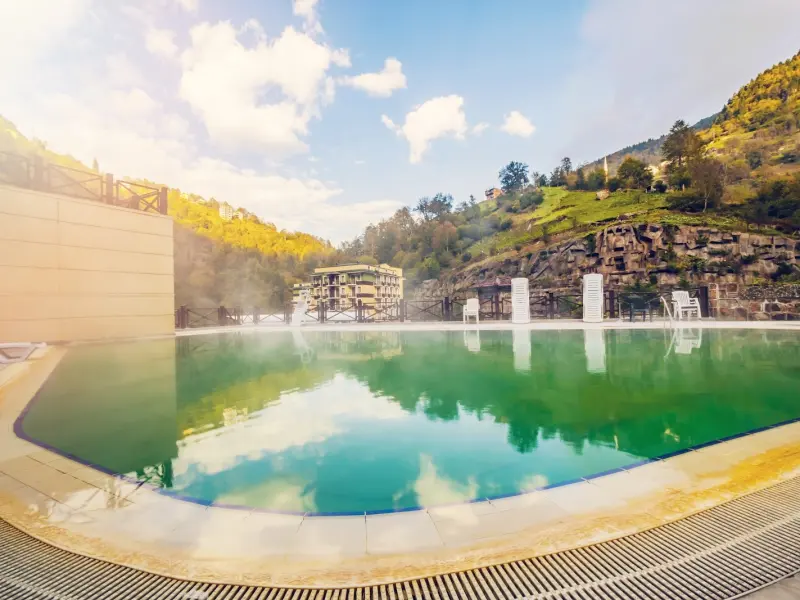
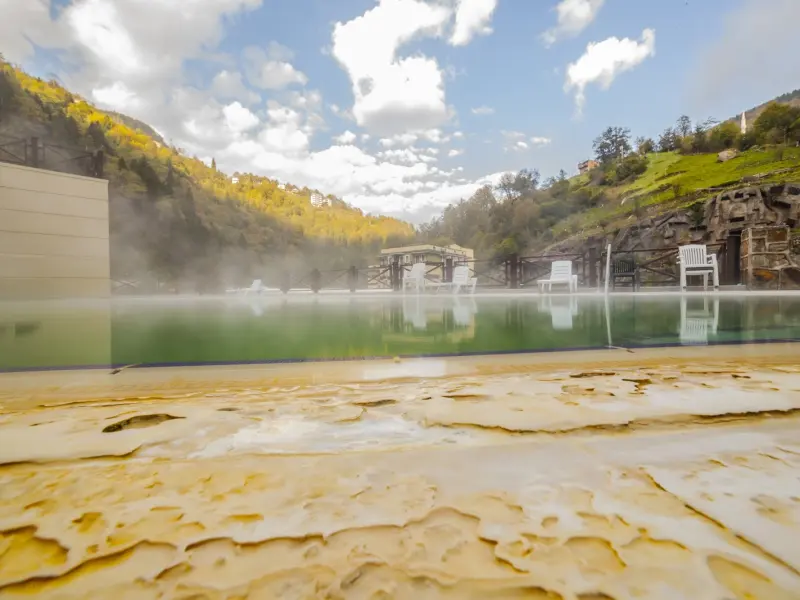
A thermal spa is a type of venue that uses spring water rising naturally hot from underground in its pools and baths. What sets it apart from an ordinary hotel spa is that the pool is fed not with heated mains water but with spring water; the temperature and mineral composition of the water vary from spring to spring. On Spa Deneyimi this heading covers thermal hotels with accommodation, day-use thermal facilities and traditional hot springs together.
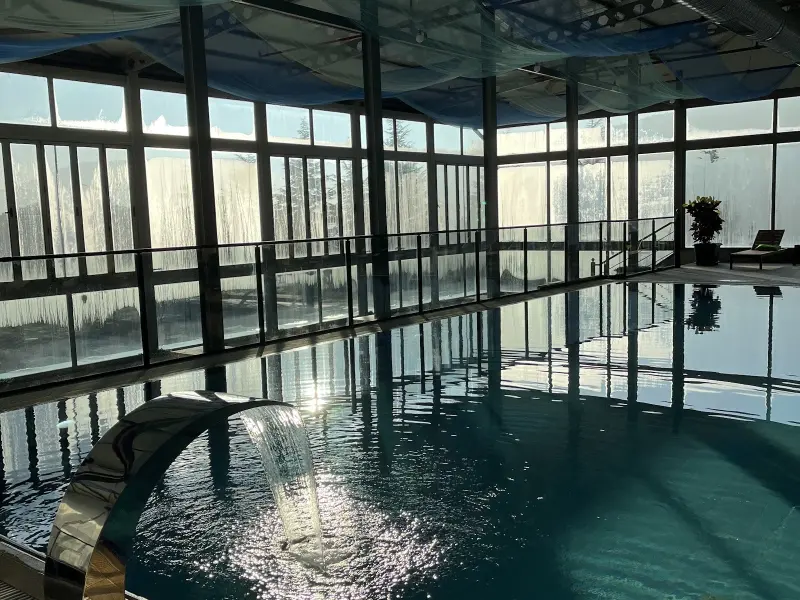
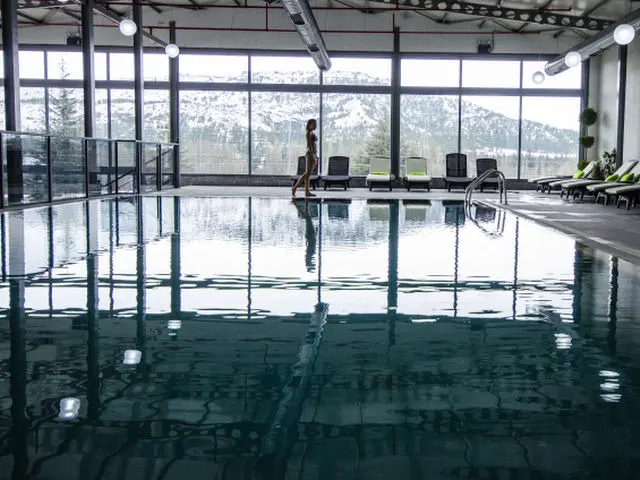
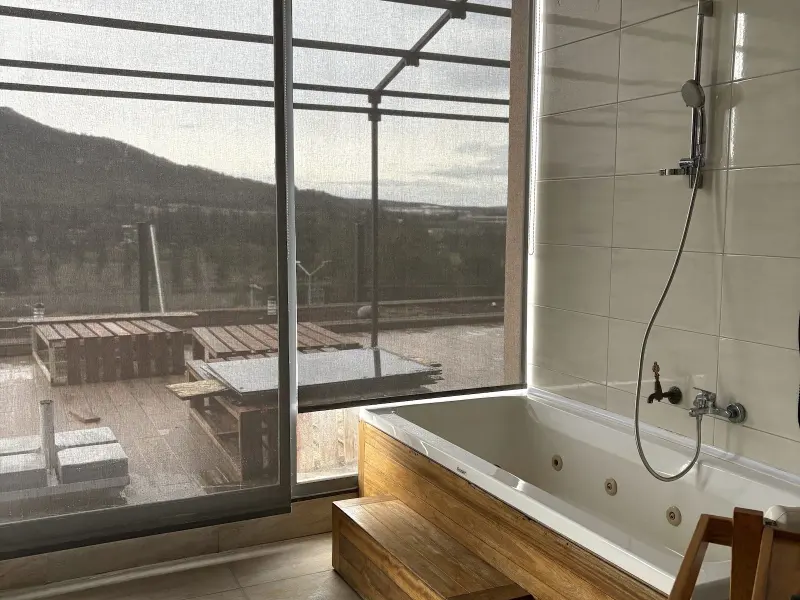
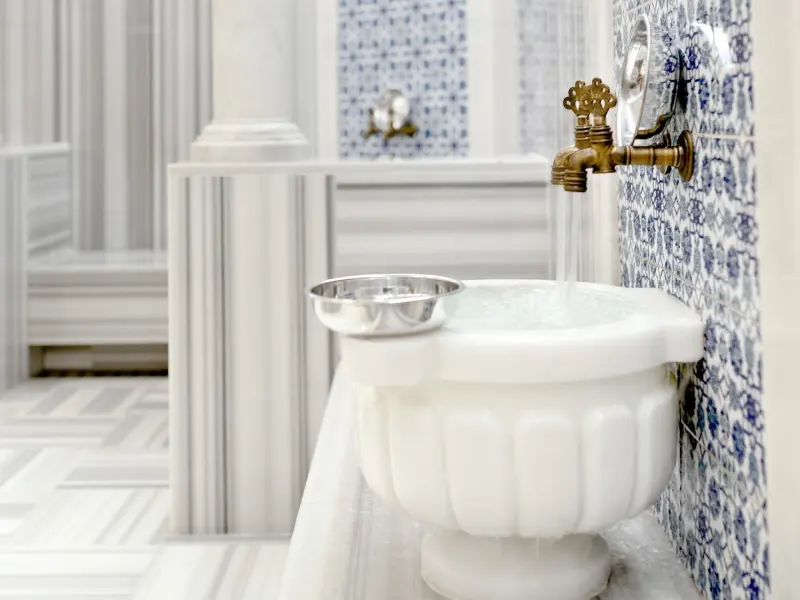
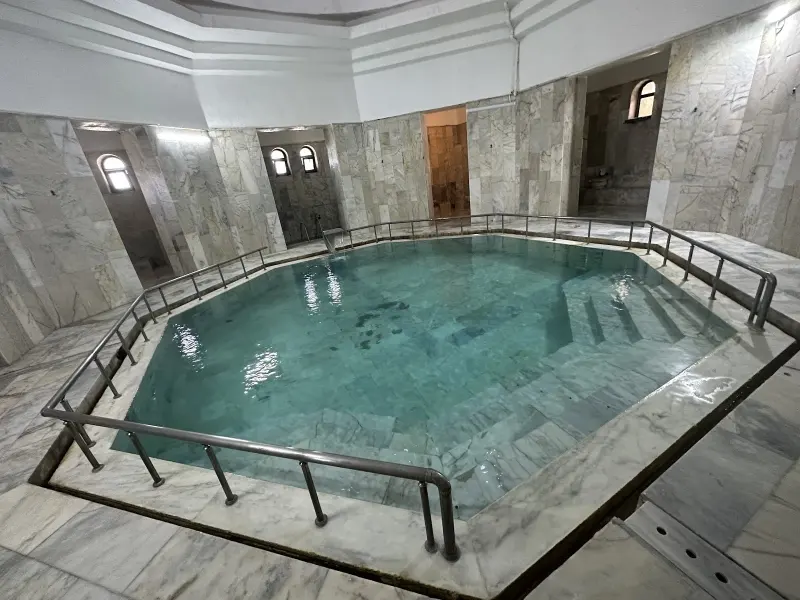
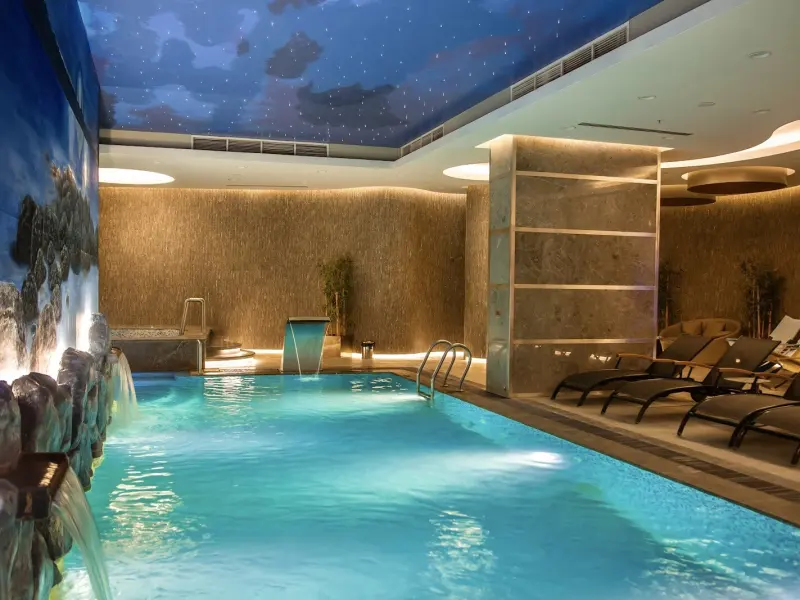
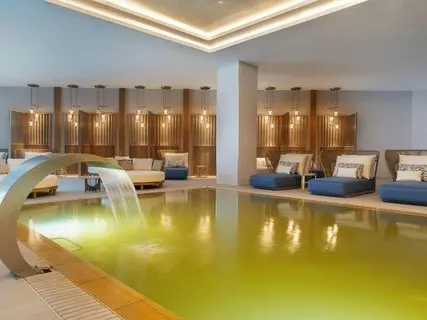
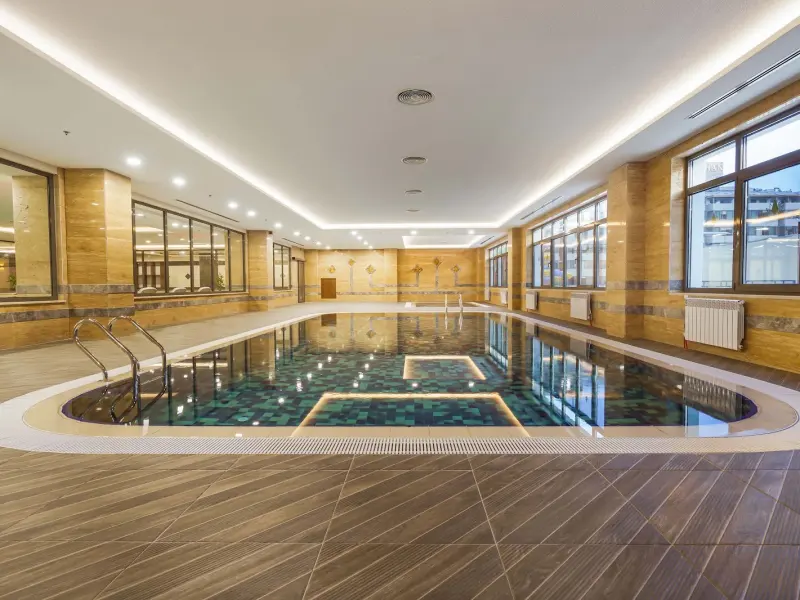
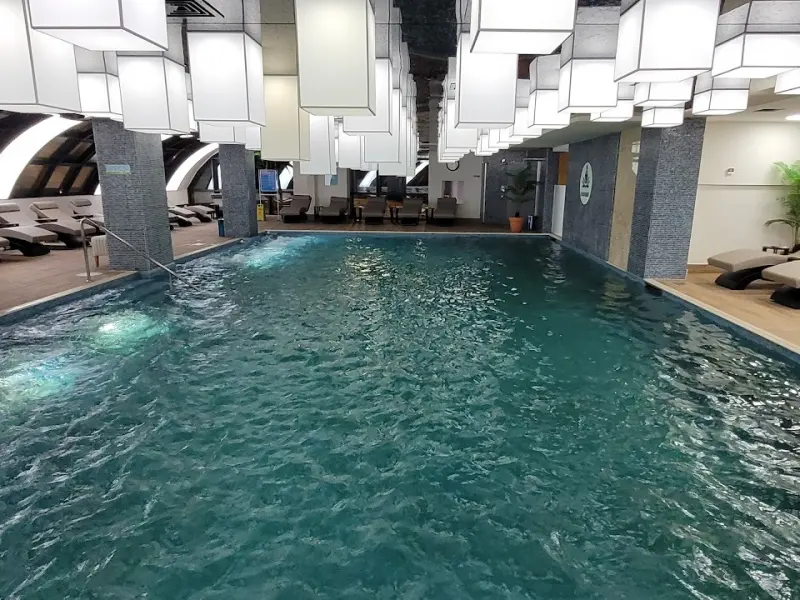
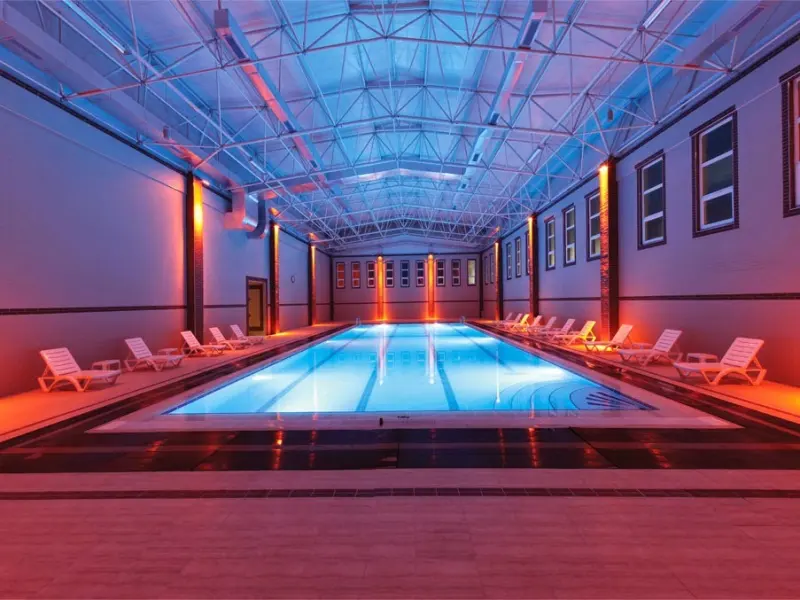
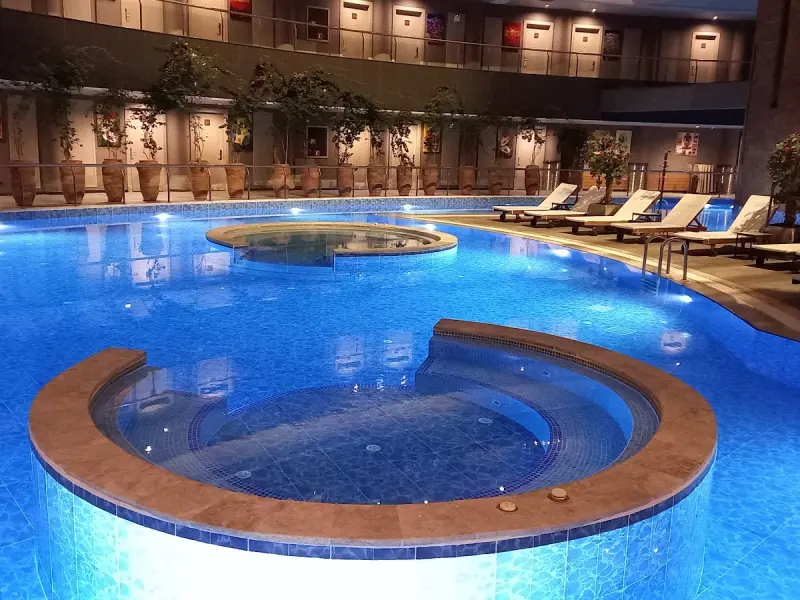
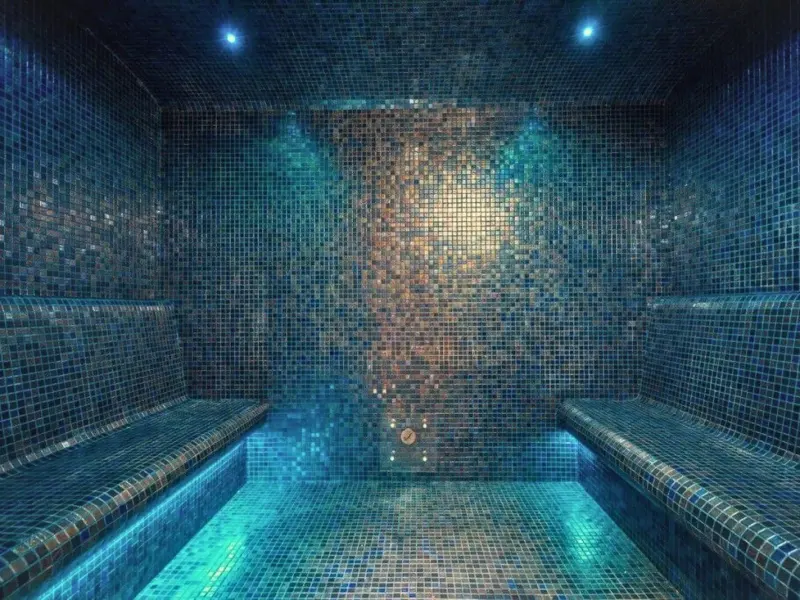
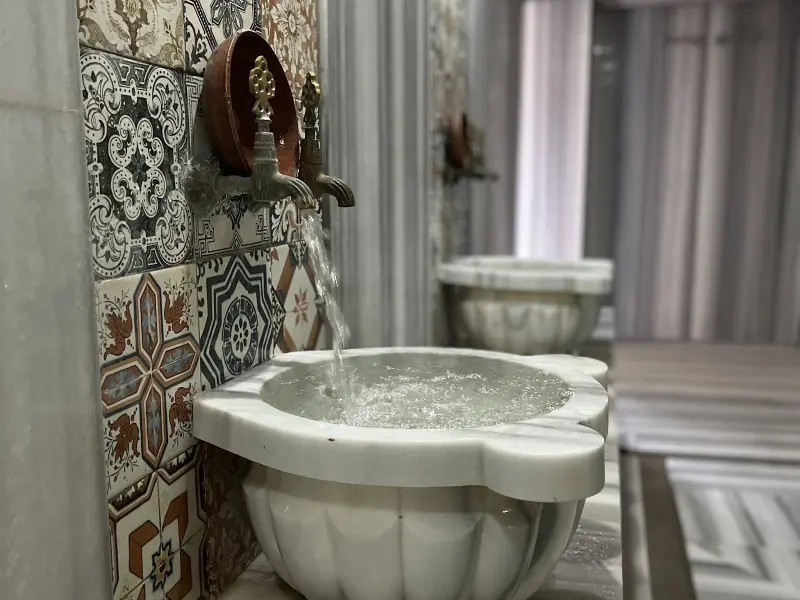
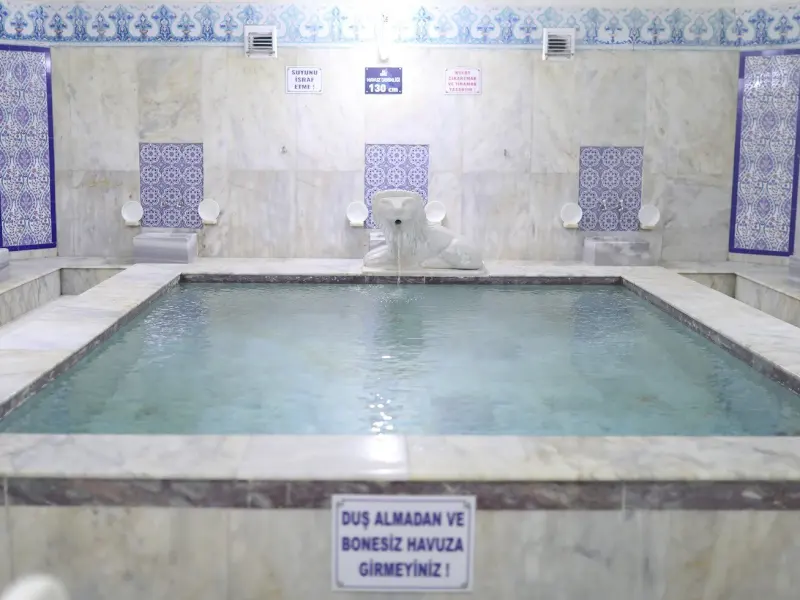
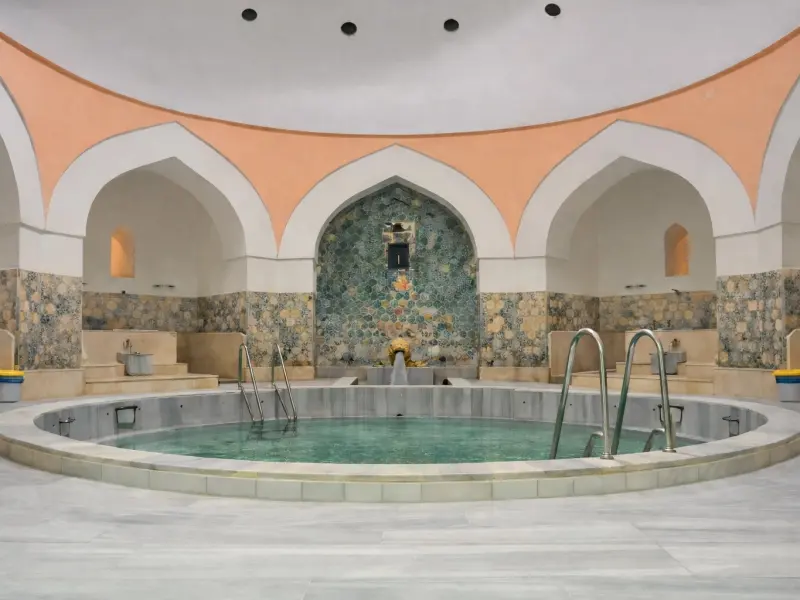
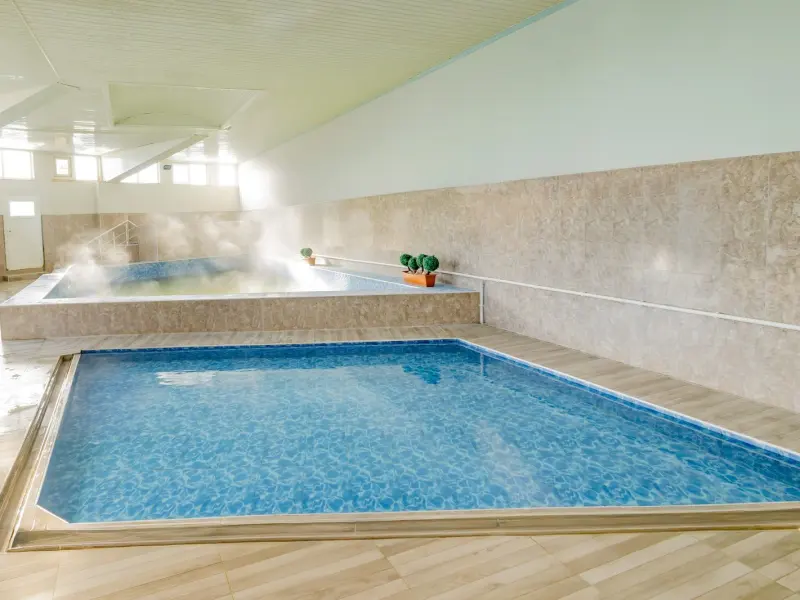
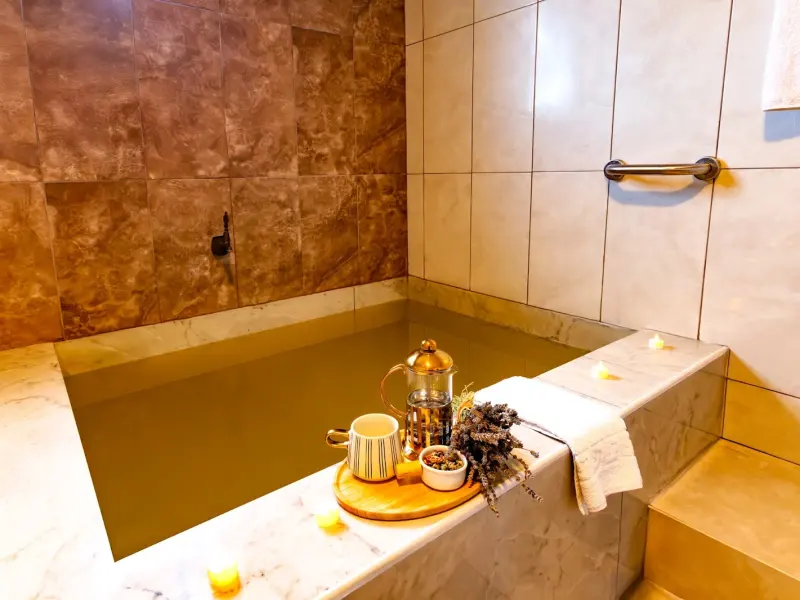
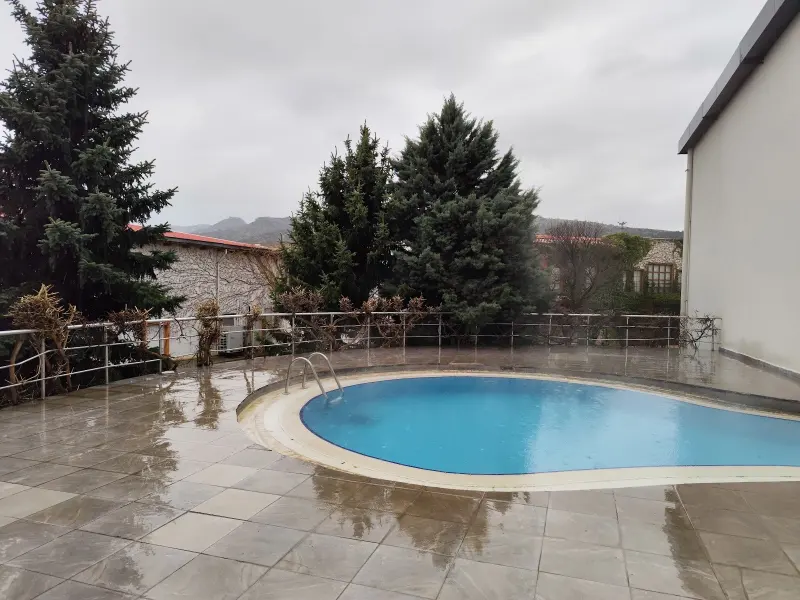
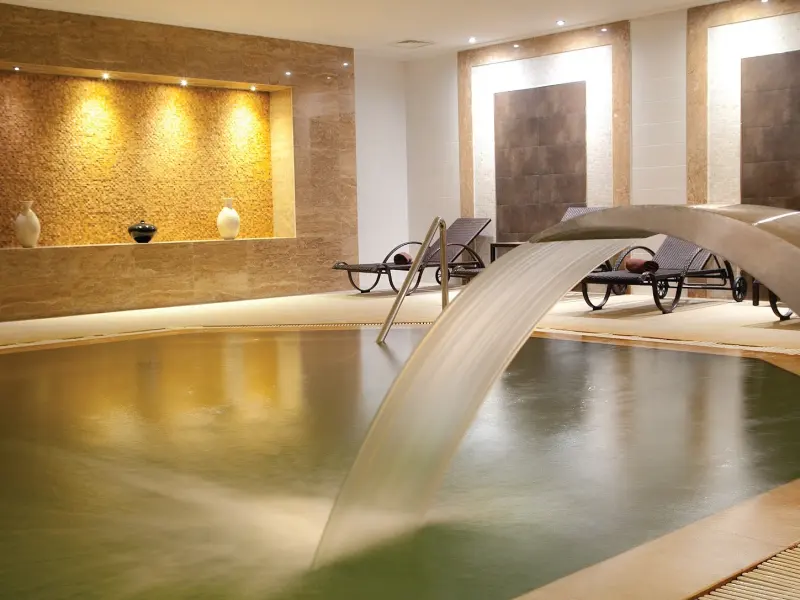
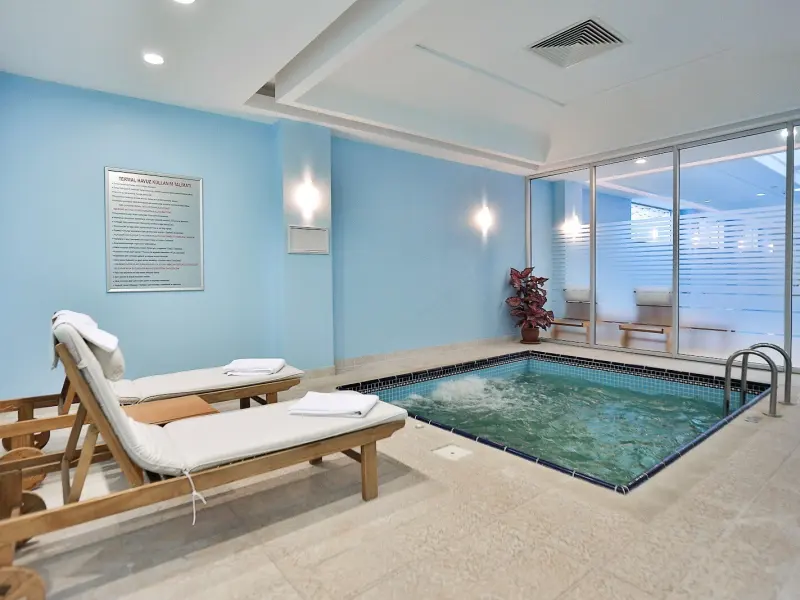
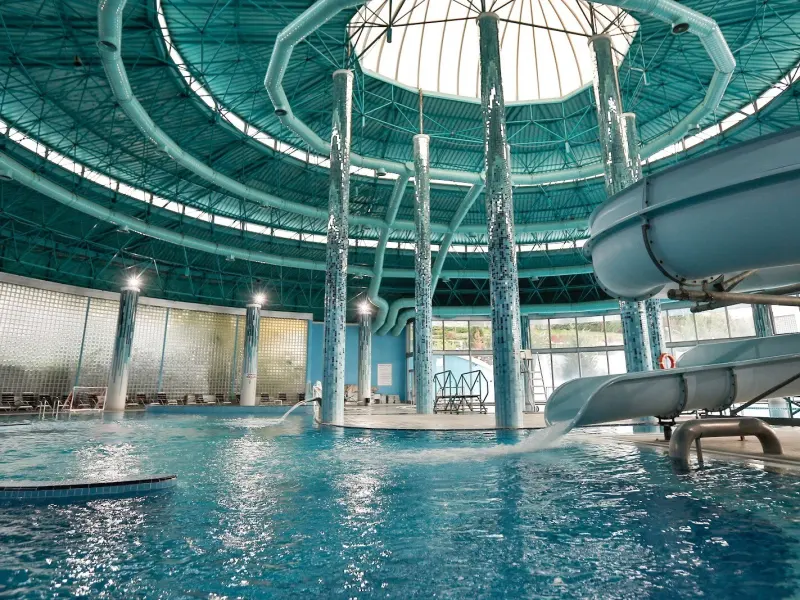
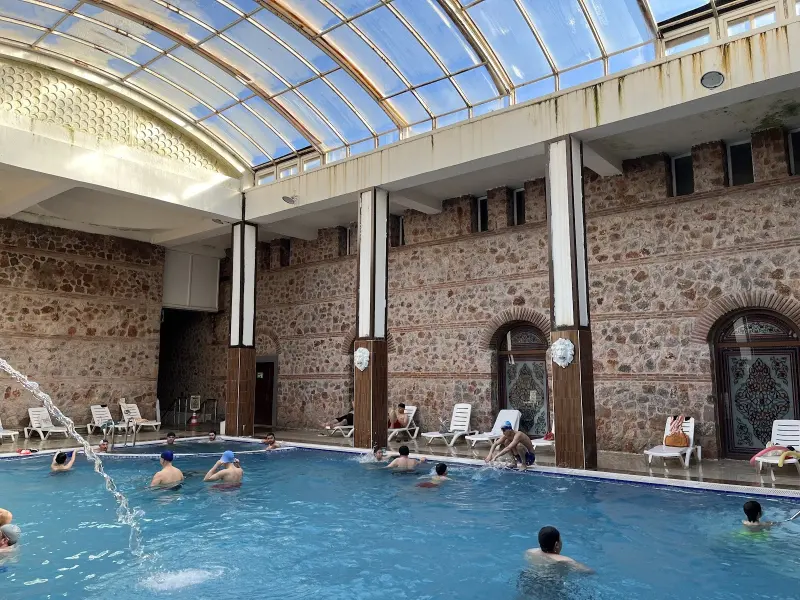
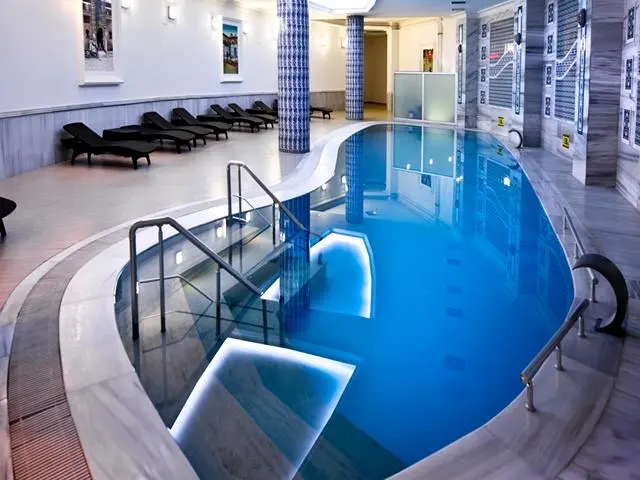
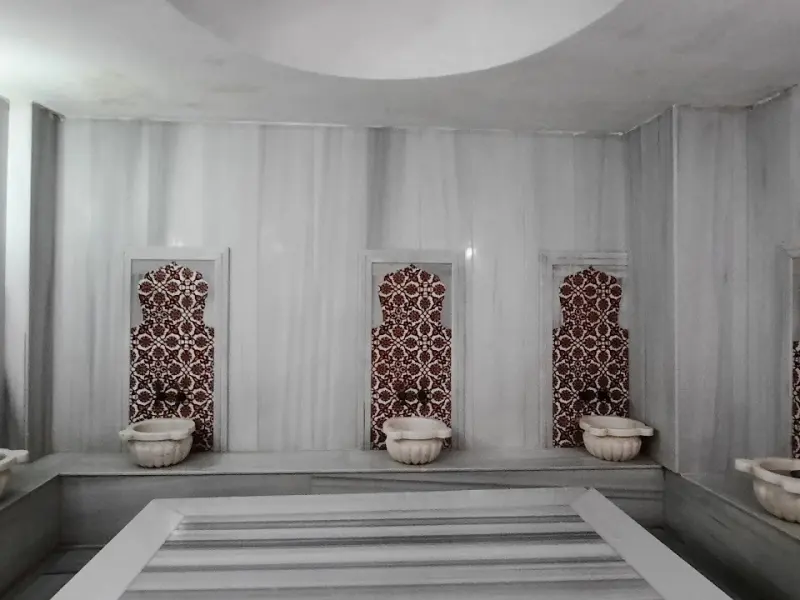
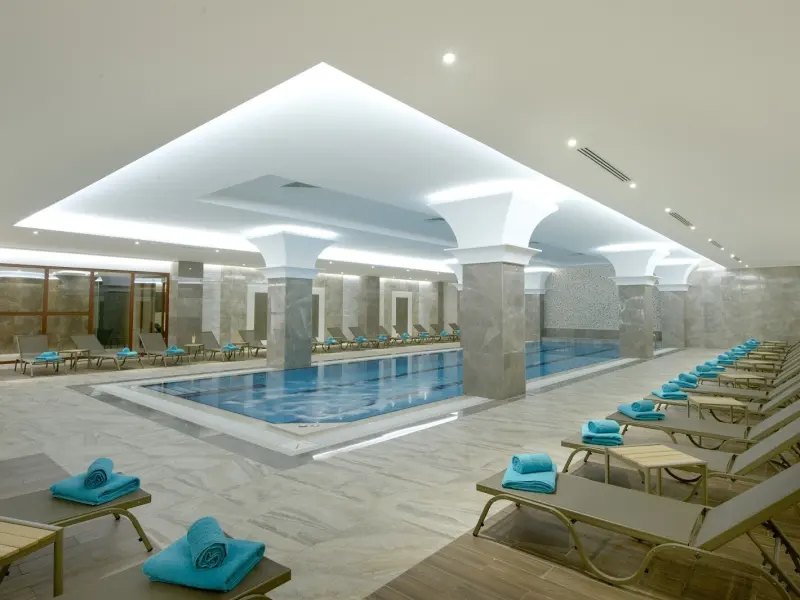
At the heart of thermal facilities is the thermal pool: every facility in the listing has at least one thermal pool, and some have both an outdoor and an indoor thermal pool. After the thermal pool, the most common facility is a Turkish bath; many places also have a sauna and steam room. Another facility often mentioned in descriptions is the private family bath: these cubicles, where families or couples use the thermal water in a small pool or tub set aside for them, are a typical part of hot spring culture in Turkey. A few places also offer a salt room.
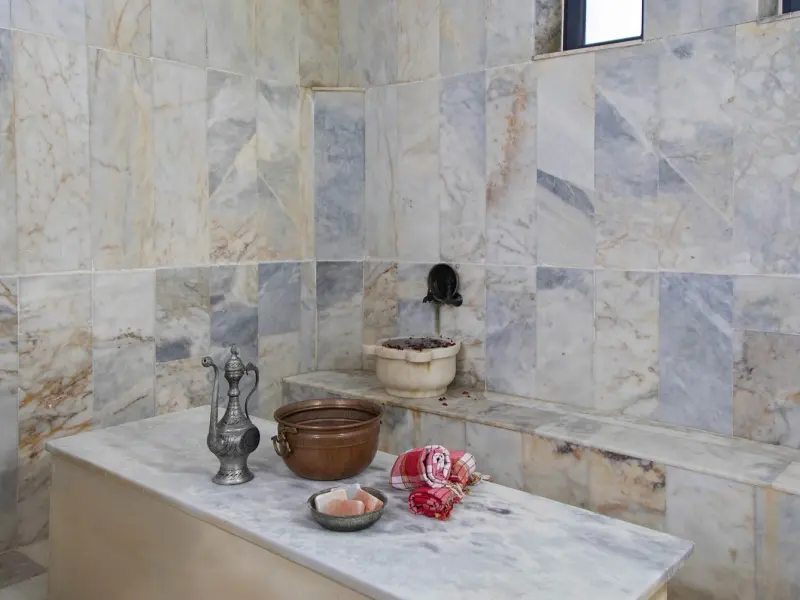
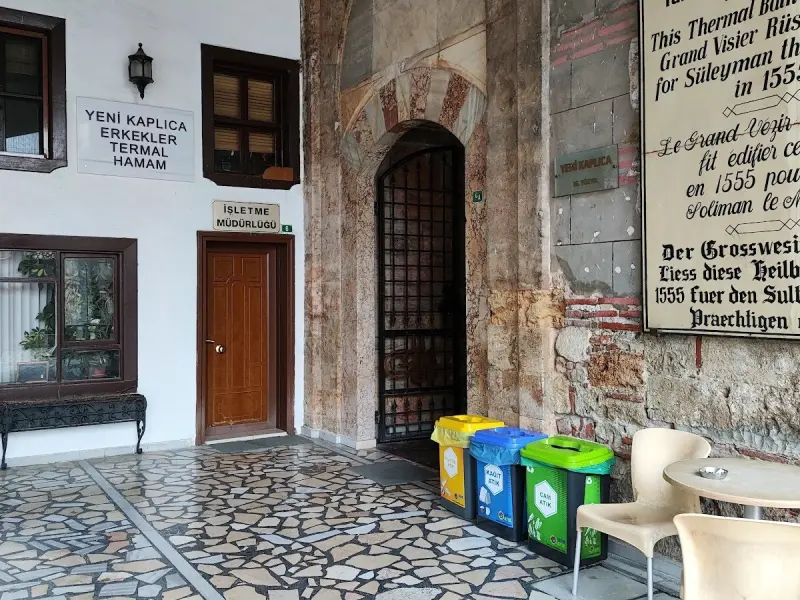
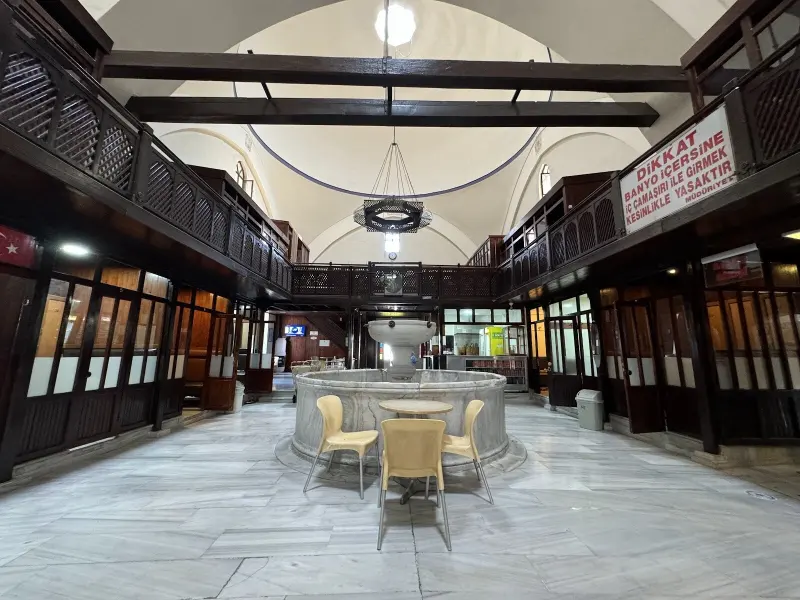
The massage and treatment menu is narrower than at city spas; in this type the emphasis is on the water. In the historic thermal hammams of Bursa and Eskişehir, kese (exfoliating scrub) and foam massage continue as a traditional service, while large thermal hotels may also have a gym, massage rooms and spa packages. Facility descriptions mention a range of values, from pool temperatures of around 38-40°C to spring temperatures approaching 60°C; at places where the spring rises very hot, the water is usually cooled before it is fed into the pool.
A thermal spa is the choice of those who want to spend long, quiet stretches of time in the water, especially those planning a few days of rest in the cold season. Going in and out of the pool at short intervals during the day, resting in between and combining it with the hammam is the usual way of using this type; for this reason thermal facilities suit a stay or a full-day visit rather than a single massage session. Thanks to family baths, families and couples who want privacy also often choose thermal facilities. For those thinking of going to a hot spring because of rheumatic or musculoskeletal complaints, thermal water is a complementary setting for rest and does not replace medical treatment; discuss with your doctor how many days, and how many times a day, you should bathe.
Three sub-types come under the thermal spa heading; the main differences between them are accommodation and the scale of the facility. A hotel spa with a heated pool, however, does not count as a thermal facility:
| Type | Accommodation | Typical facilities | Who it is for |
|---|---|---|---|
| Thermal hotel | Yes | Outdoor and indoor thermal pools, hammam, sauna, family bath | Those who want to stay a few days and use the water every day |
| Hot spring | Varies by place | Pools and baths at the source, with spring water for drinking at some | Those looking for traditional hot spring bathing |
| Thermal facility | None or limited | Day-use thermal pools and baths | A visit of a few hours during the day |
| Hotel spa | Yes | Heated pool, hammam, sauna, massage | A visit focused on massage and treatments rather than thermal water |
In the listing these types often overlap: most thermal hotels are also labelled as hotel spas, while some historic hammams count as both a hammam and a hot spring because they are fed by thermal water. If a facility's description uses the word "thermal", it is worth asking whether the water filling the pool comes from a spring.
Hot thermal water dilates the blood vessels, speeds up the pulse and can cause blood pressure to drop. If you have cardiovascular disease, uncontrolled high or low blood pressure, are pregnant, or have a feverish illness, an open wound or active skin infection, recent surgery, a history of deep vein thrombosis or epilepsy, consult your doctor before getting into a thermal pool. The general advice is not to stay in hot water for more than 15-20 minutes at a time, to rest somewhere cool in between and to drink water. You should not go into the pool after drinking alcohol or straight after a heavy meal. As sulphurous water can tarnish silver jewellery, it is a good idea to leave your jewellery in your room.
Whether people not staying at a thermal hotel can use its pool and hammam for the day depends on the venue; some places sell day entry to outside guests, while others open their facilities only to hotel guests. Arrangements for women and men also vary from place to place: the listing includes facilities that open their pools to women and men at separate times, ones with separate women's and men's sections, a historic thermal hammam that serves women only, and mixed pools. Swimwear is worn in mixed pools; in separate sections and in hammams a peshtemal is used. In most places family baths are rented for a set time; ask in advance how long for, what is included in the price and whether there is an age limit for children. Swimwear, slippers and a water bottle are usually all you need to take; some places ask you to wear a swimming cap in the pool.
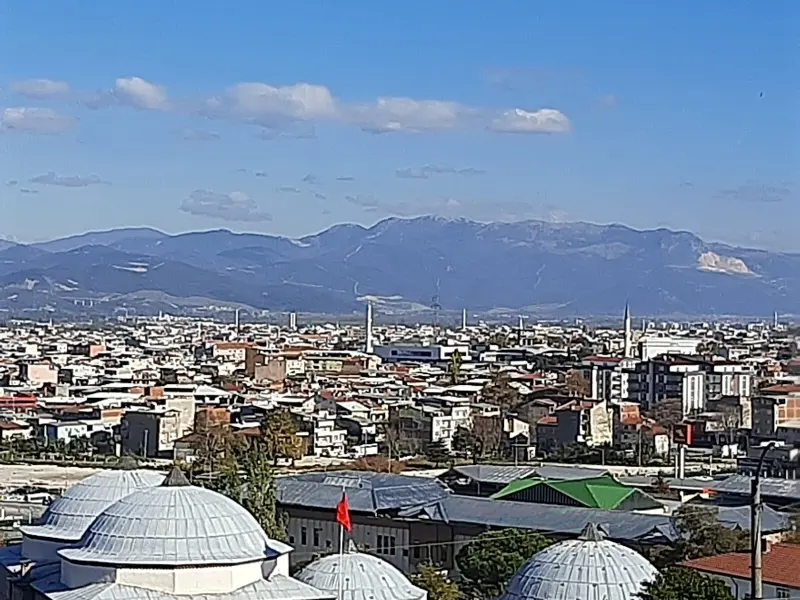
Unlike city spas, thermal facilities are spread not according to population centres but according to where the hot springs are. In the listing, the Kızılcahamam and Beypazarı districts of Ankara, the Osmangazi district of Bursa, known for its hot spring tradition, and Güre and Altınoluk on the Edremit coast of Balıkesir stand out. To these are added facilities in Afyonkarahisar, Kütahya, Eskişehir, Kırşehir, the Pamukkale area of Denizli, Kuşadası in Aydın and Manisa, and in the east in Bingöl and Ağrı. At coastal spots such as Edremit and Kuşadası, a thermal stay can also be combined with a beach holiday.
Are you sure?
Choose one more venue to compare.