Separate sections
Separate sections
Thermal PoolTurkish Bath +1
44 venues found
Separate sections
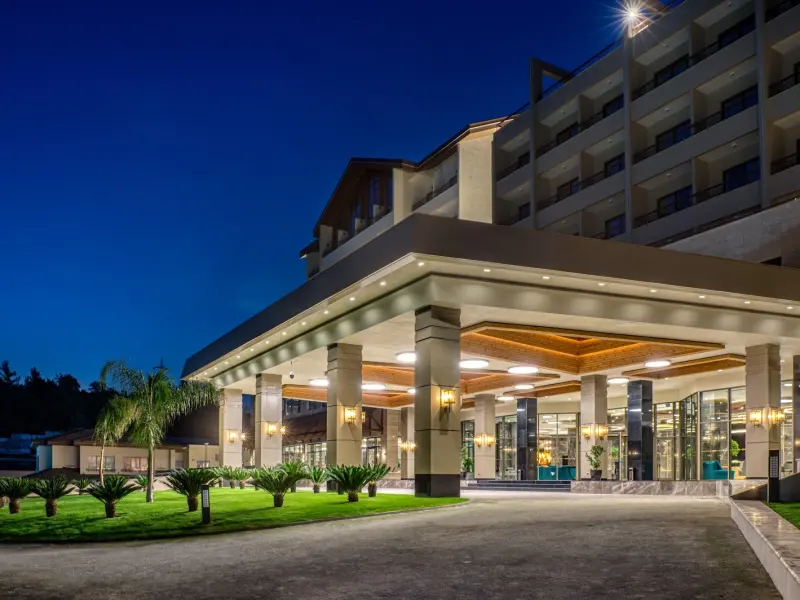
Separate sections
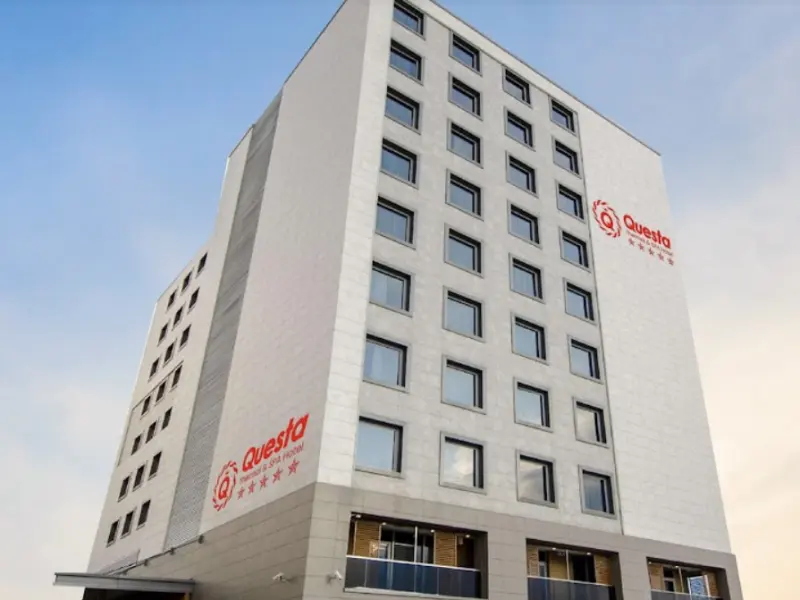
Mixed
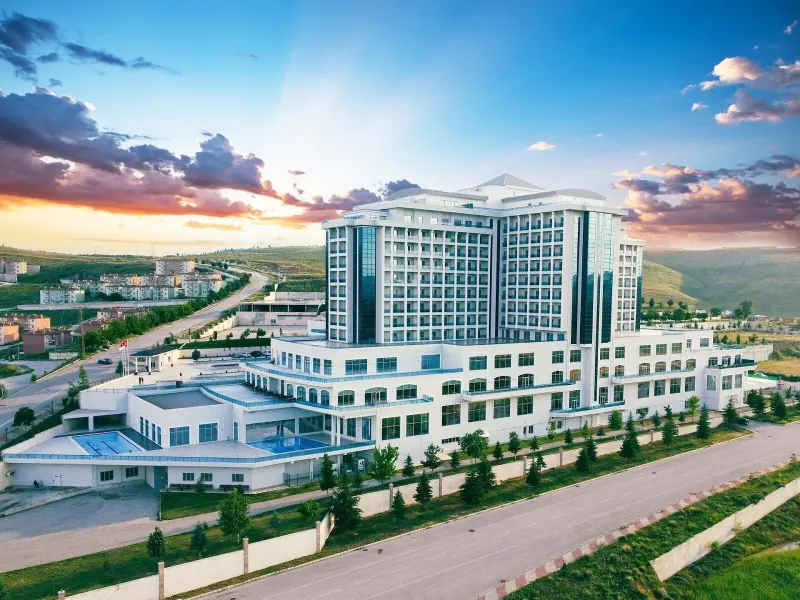
Mixed
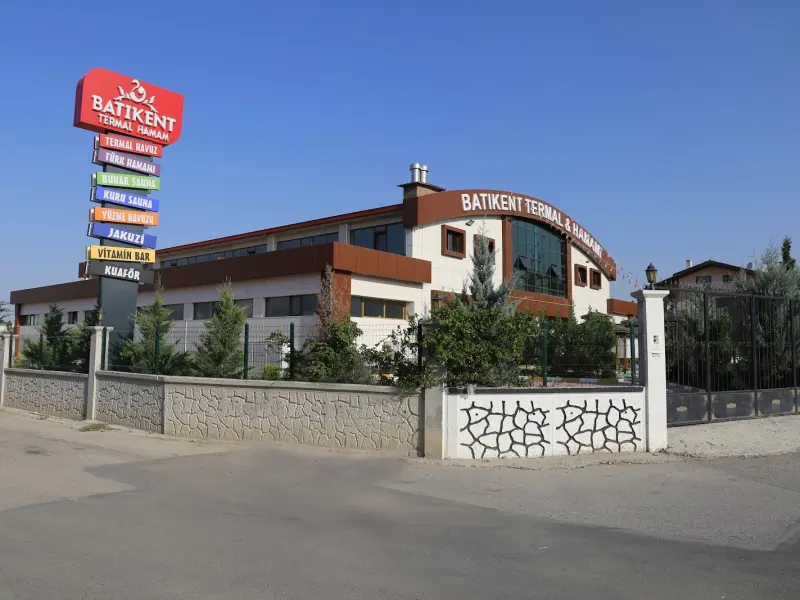
Closed · opens today at 08:00 Separate sections
Separate sections
Separate sections
Separate sections
Separate sections
Separate hours
Separate sections
Mixed
Closed · opens today at 08:30
Closed · opens today at 07:00 Women
Closed · opens today at 05:00 Separate hours
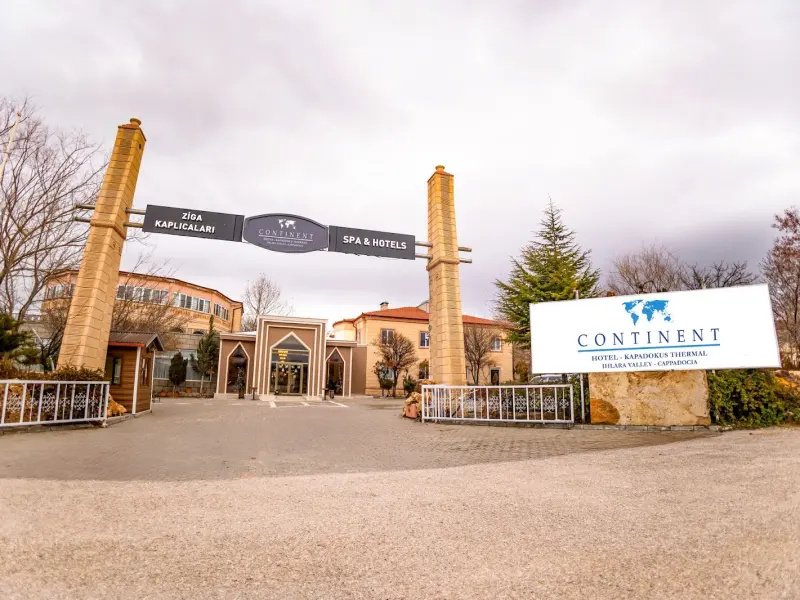
Separate sections
Separate sections
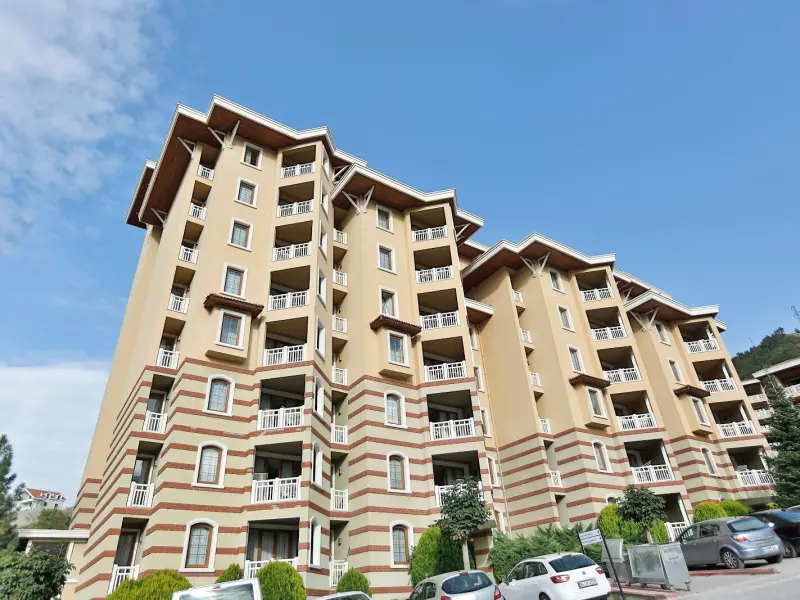
Separate hours
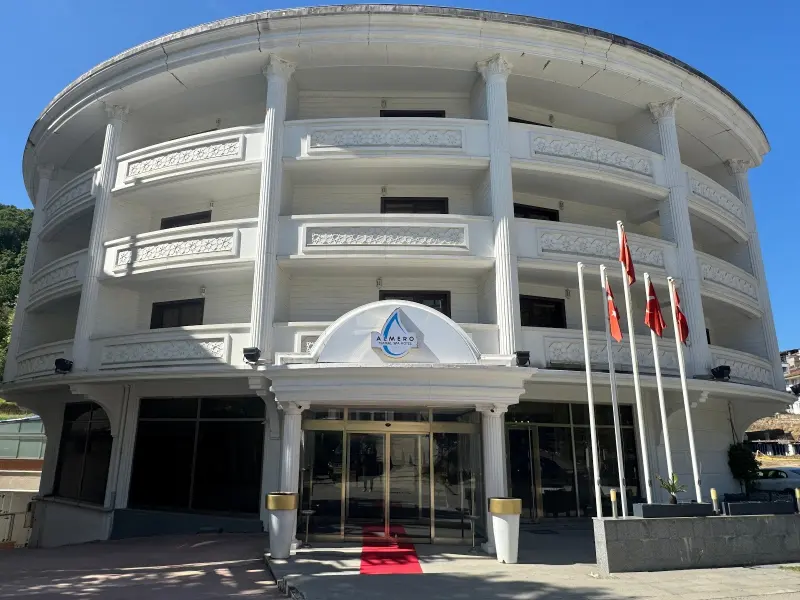
Separate sections
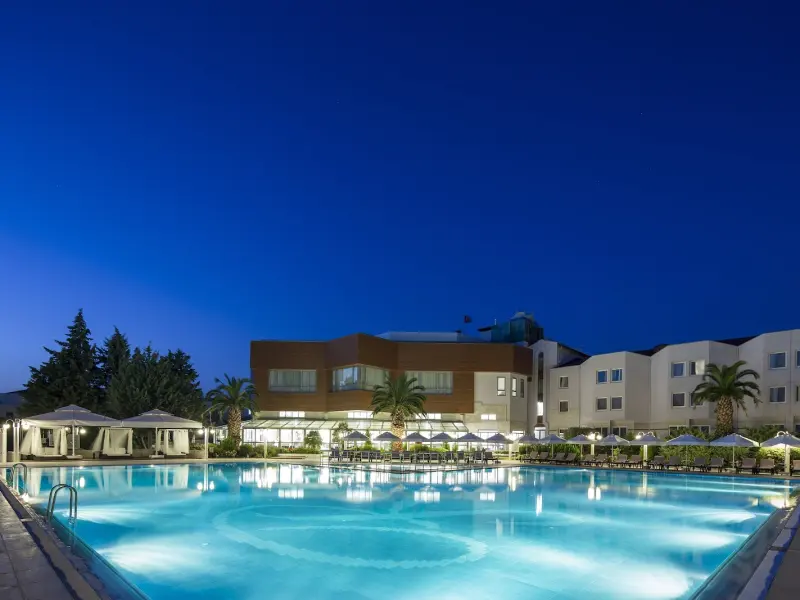
Separate sections
Separate sections
The recommended order is based on rating and number of reviews, and on how complete and up to date a listing is. A paid membership does not change the order.
The map couldn't be loaded
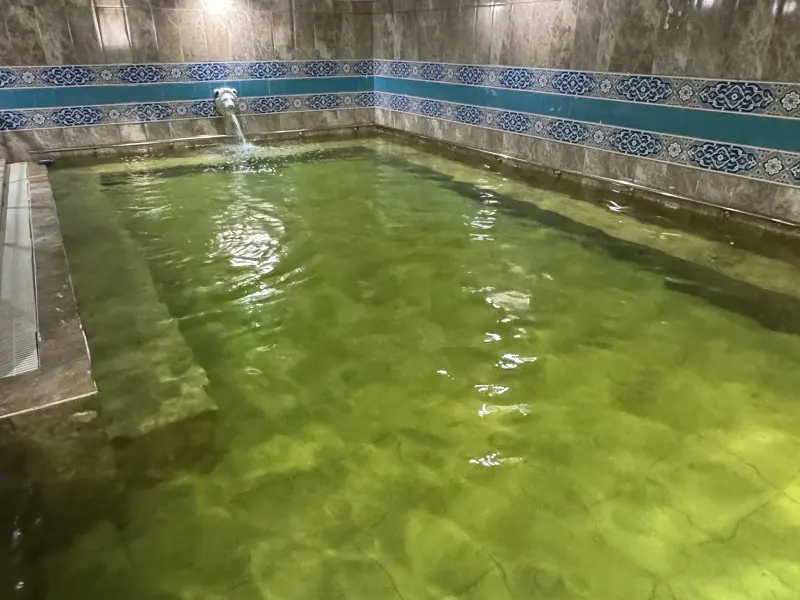
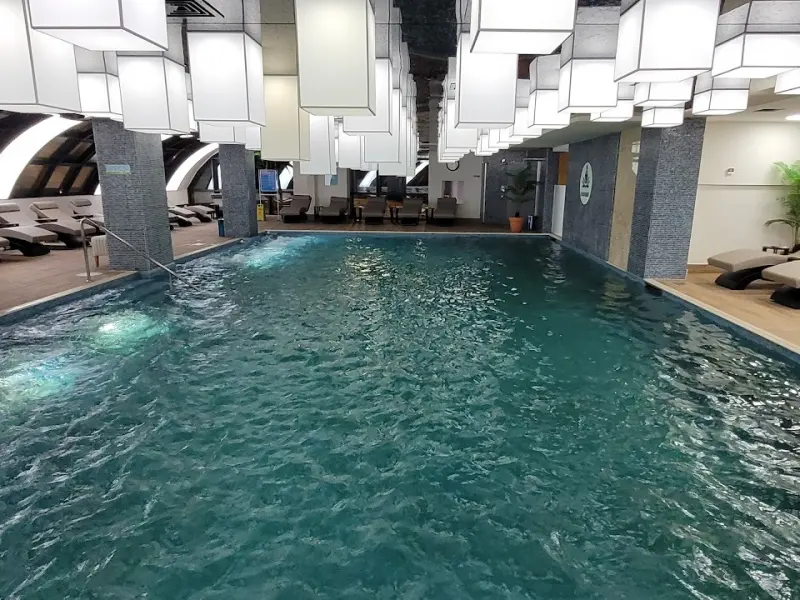
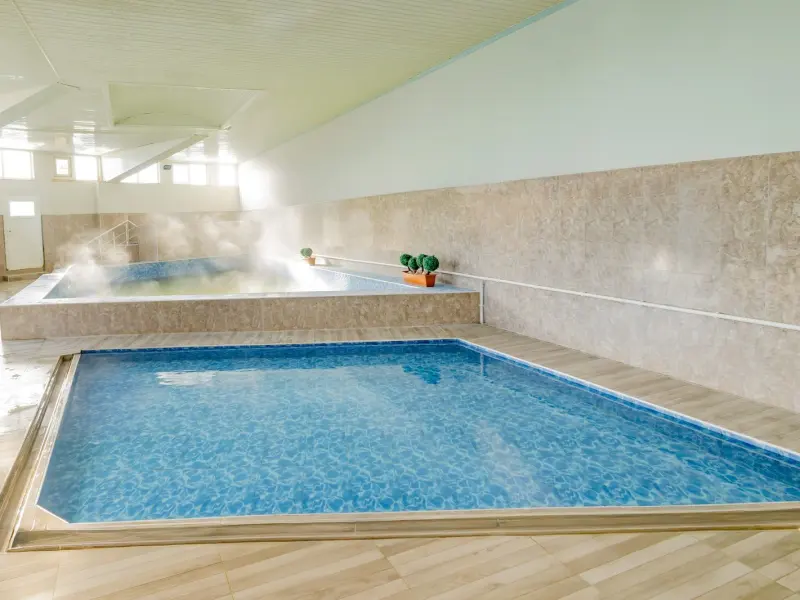
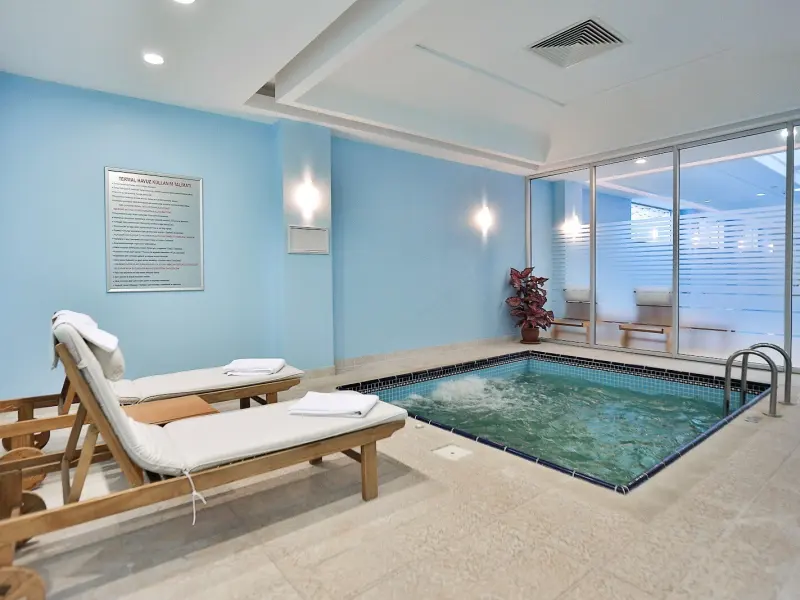
A thermal pool is a pool filled with geothermal water that rises naturally from underground. The water temperature varies by source; in pools it is usually brought to 34-40 °C. The minerals it contains (sulphur, bicarbonate, calcium, magnesium, sodium) differ from source to source, and facilities usually display the water analysis somewhere visible.
Turkey is rich in geothermal resources; Afyonkarahisar, Yalova, Bursa, Denizli and Kütahya are known for their thermal facilities. Hot spring and warm spring are other common names for the same kind of source. The list includes several facilities in Ankara, among them the thermal pools in Kızılcahamam, Haymana and Beypazarı. Facilities in the Osmangazi district of Bursa, on the Edremit coast of Balıkesir, and in Afyonkarahisar, Eskişehir, Kuşadası and Bingöl are also listed.
Staying in hot water for a long time leads to a drop in blood pressure and dizziness. Pools fed by sulphurous springs have a distinctive smell; it comes from the mineral content of the water. Regular use at a thermal facility, in short sessions every day over several days, is called a cure (kür). If you are thinking of taking a cure because of a health condition, decide with your doctor how many days it should last and how many sessions a day you should have.
For many people thermal water relaxes the muscles and brings a sense of ease; because the buoyancy of the water reduces the load on the joints, moving in the water also becomes easier. It is commonly used as a supportive measure for rheumatic complaints, but this is not a promise of treatment. If you have a diagnosed joint or rheumatic disease, decide with your doctor how and for how long to use it; do not stop any ongoing treatment. Be cautious about promotional claims that a particular water cures a particular disease.
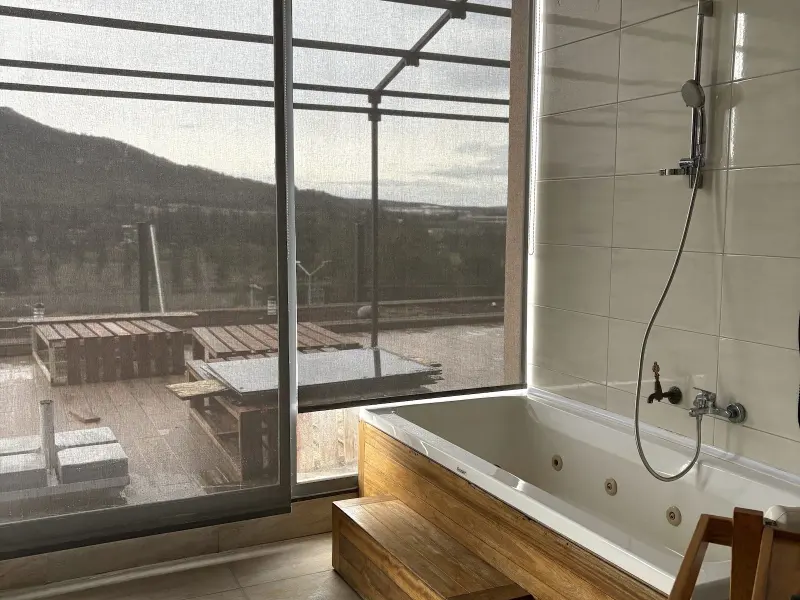
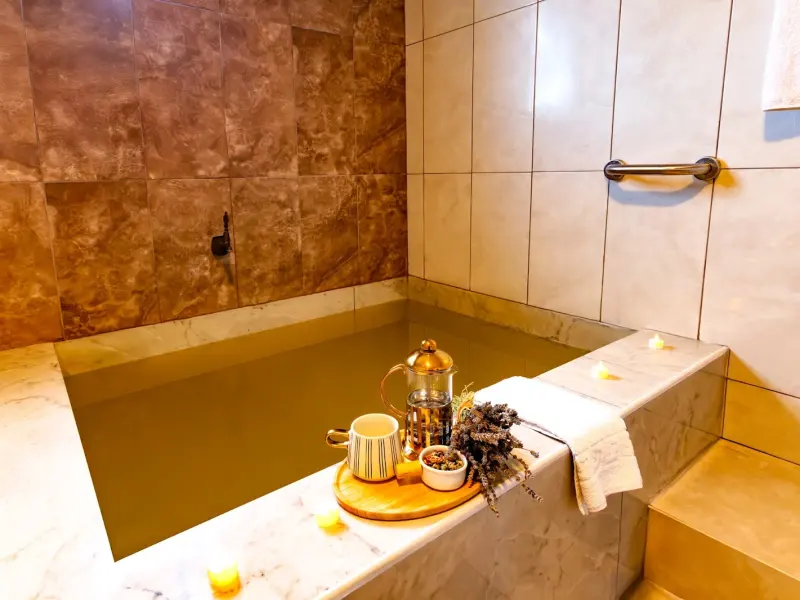
How thermal facilities are used varies markedly from one venue to another. Some of the listed venues have separate thermal pools or separate hours for women and men; a historic hammam in Eskişehir serves women only. Many thermal hotels, meanwhile, have private family baths or cabins that families can use together. Before you go, ask whether the main pool is mixed or separate and how the family baths are reserved.
A thermal pool is most often confused with a jacuzzi. A jacuzzi is a small pool with jets, filled with heated mains water; what sets a thermal pool apart is that its heat and mineral content come from a natural source. An ordinary swimming pool is also filled with mains water, is chlorinated and is cooler.
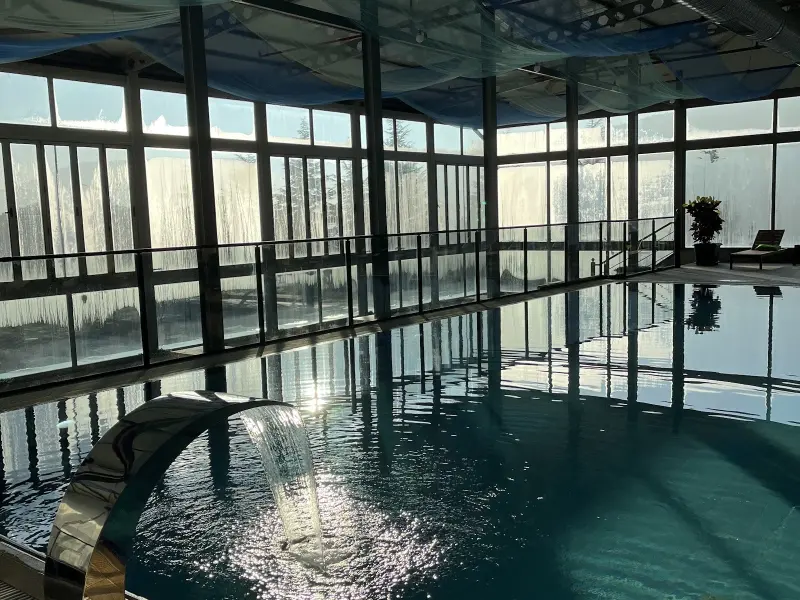
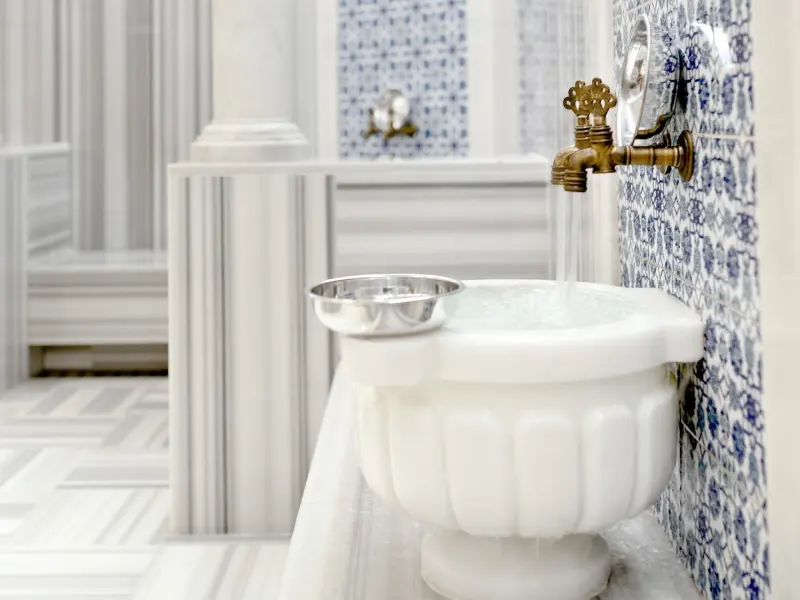
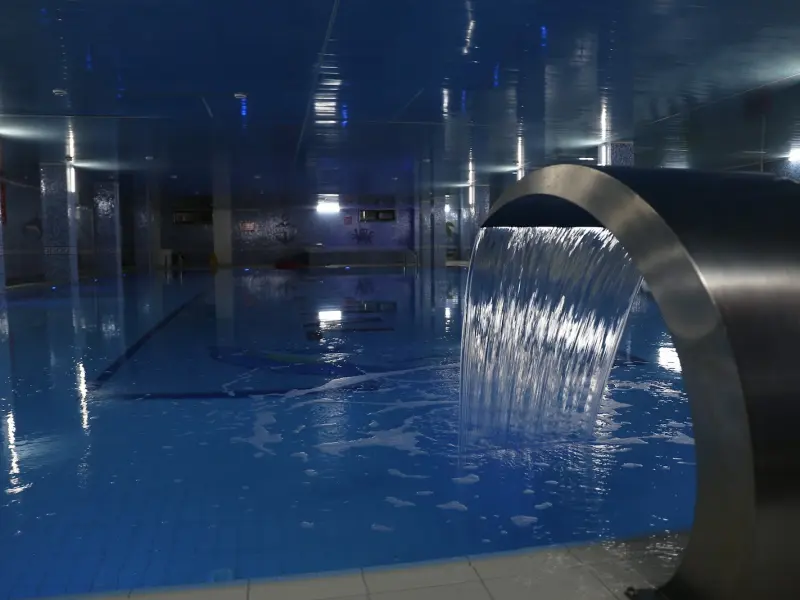
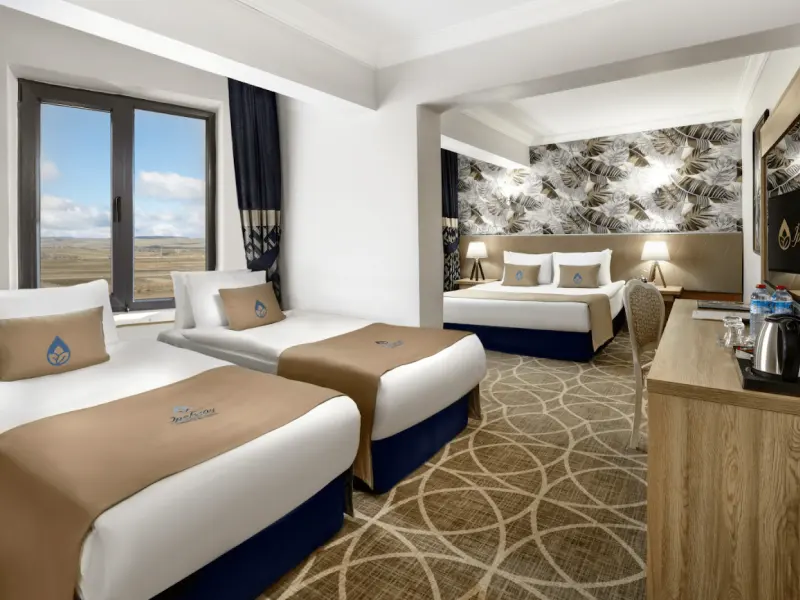
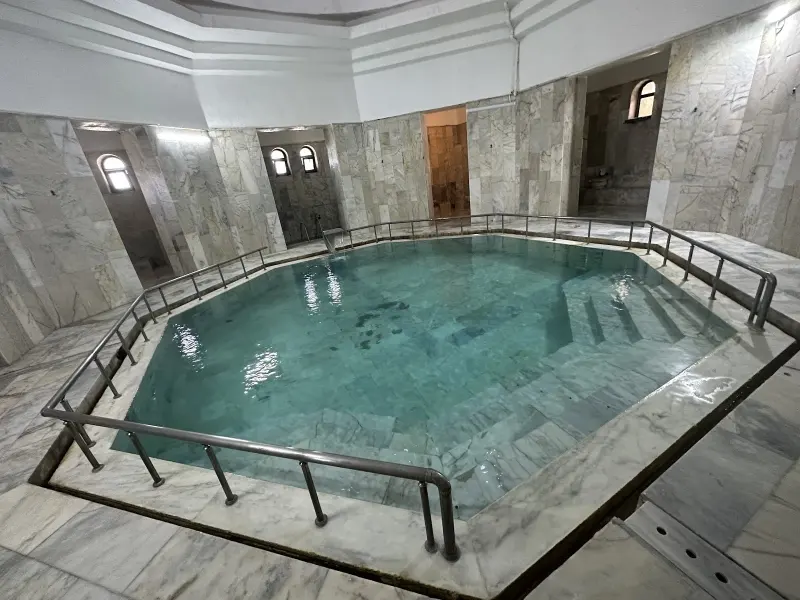
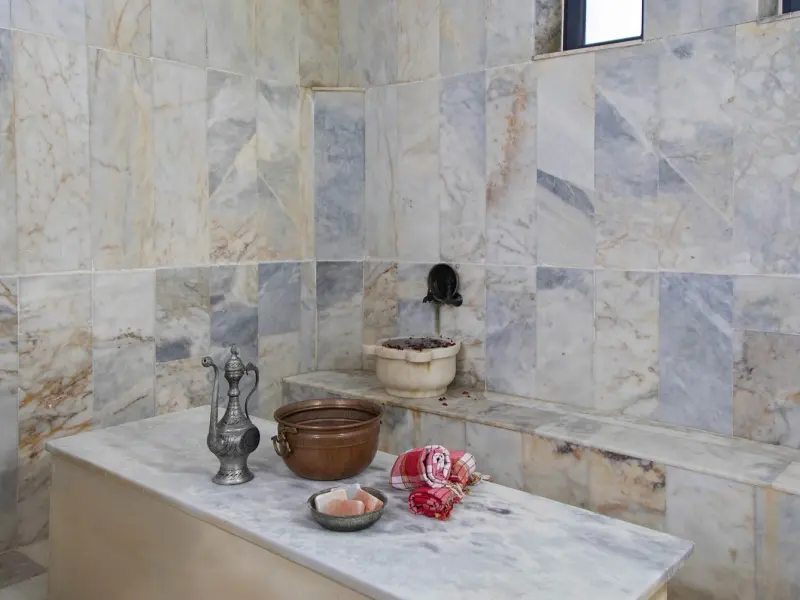
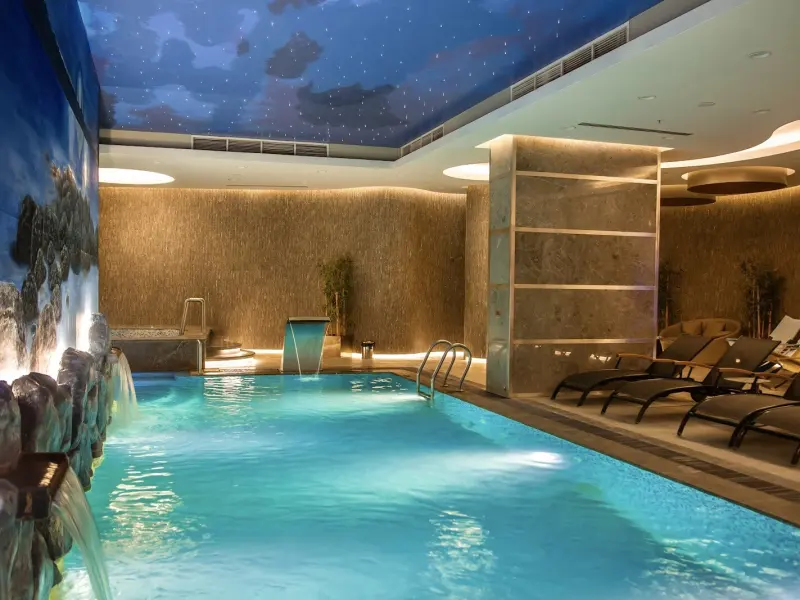
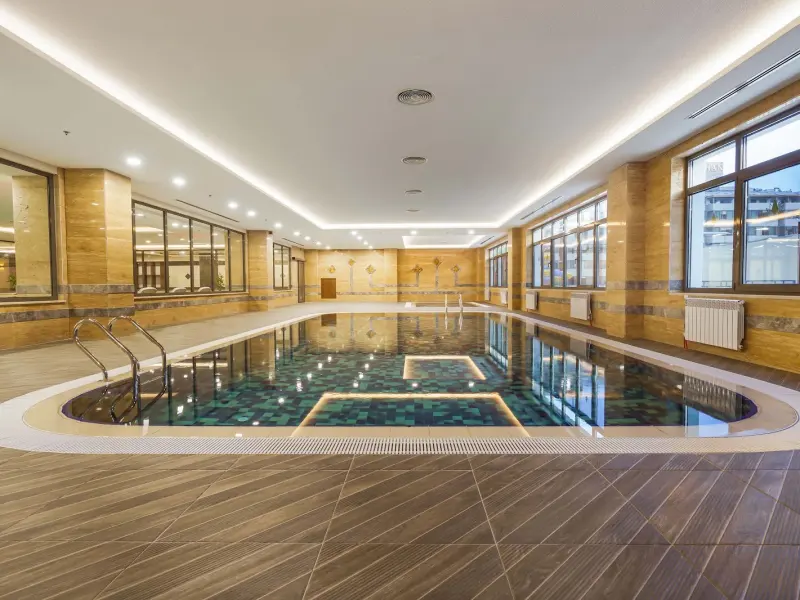
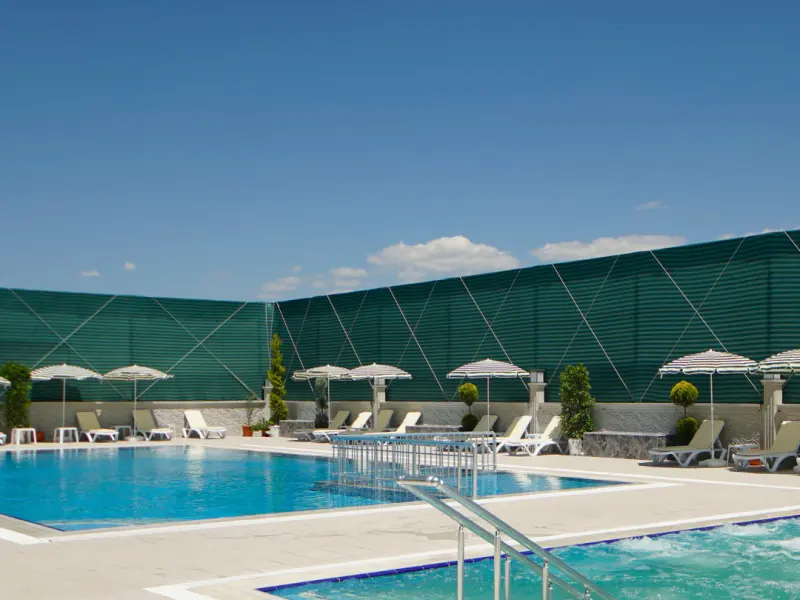
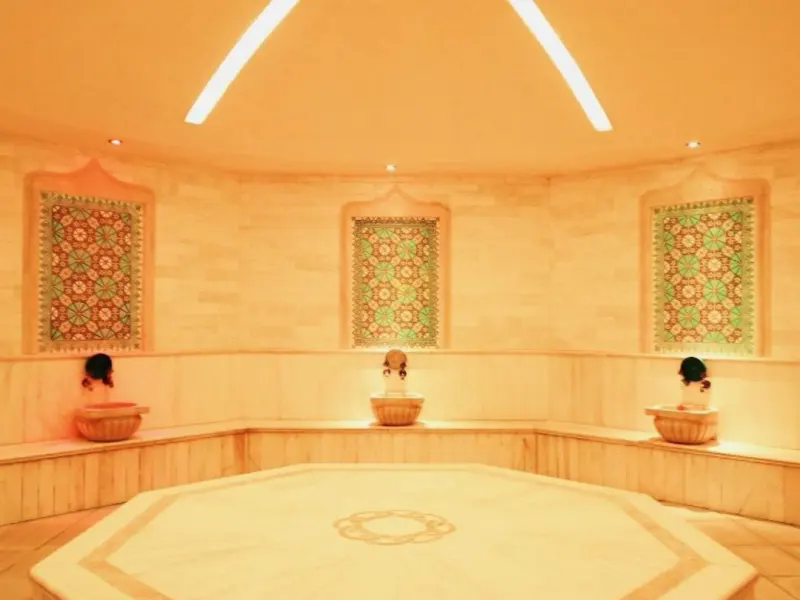
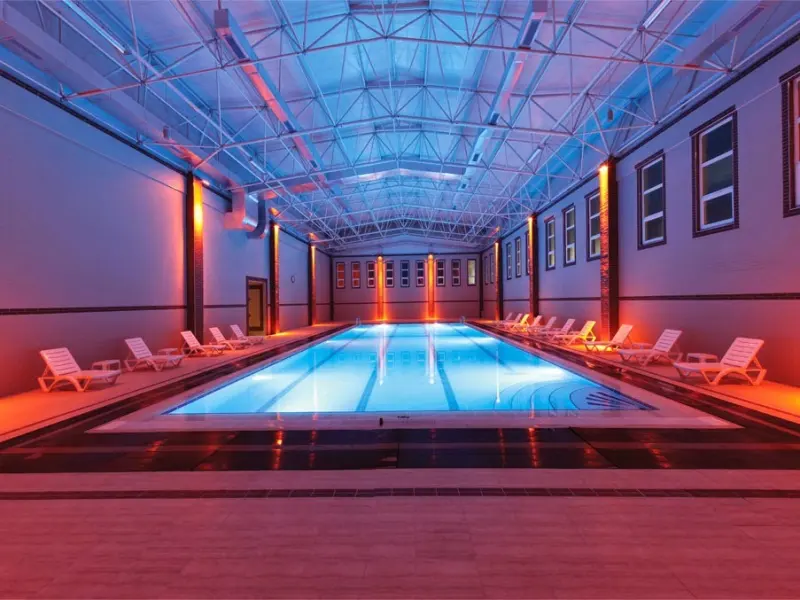
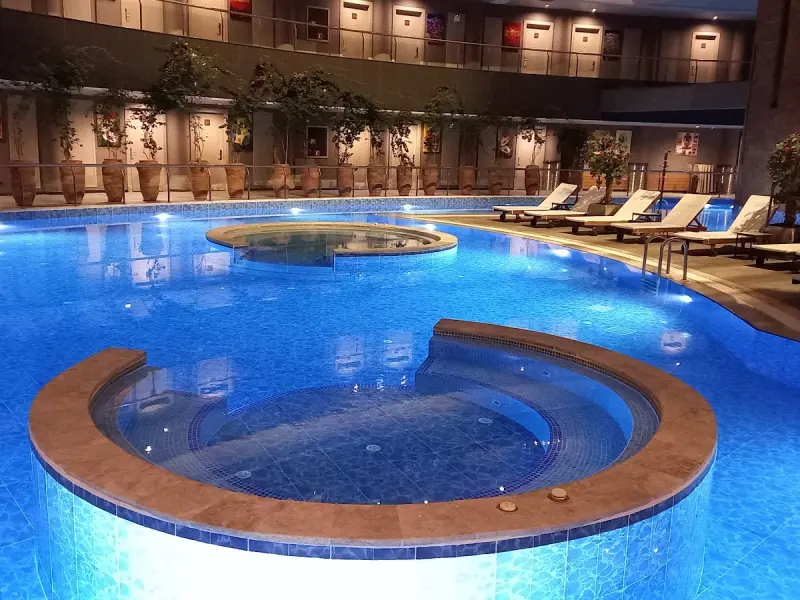
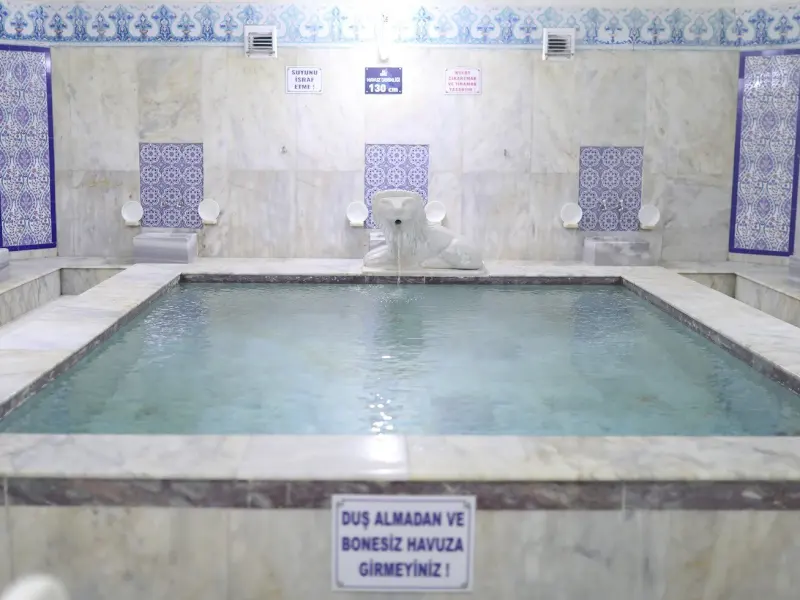
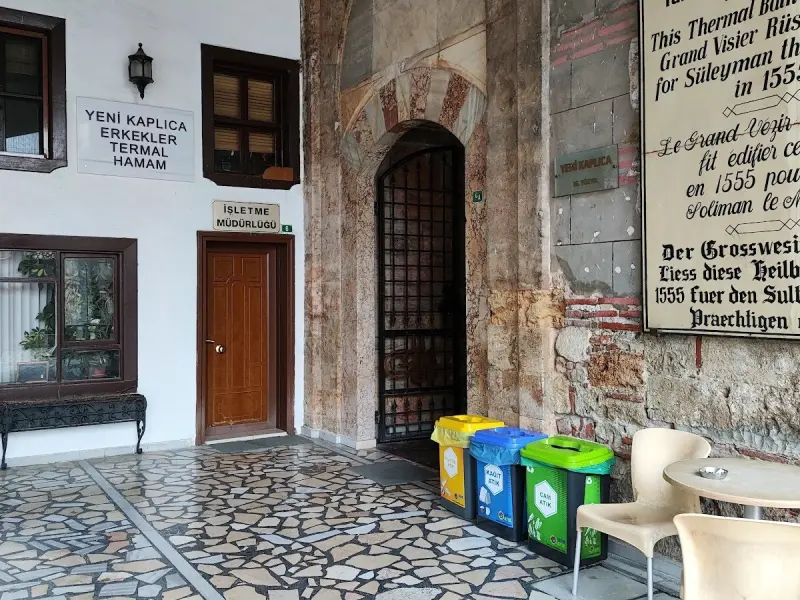
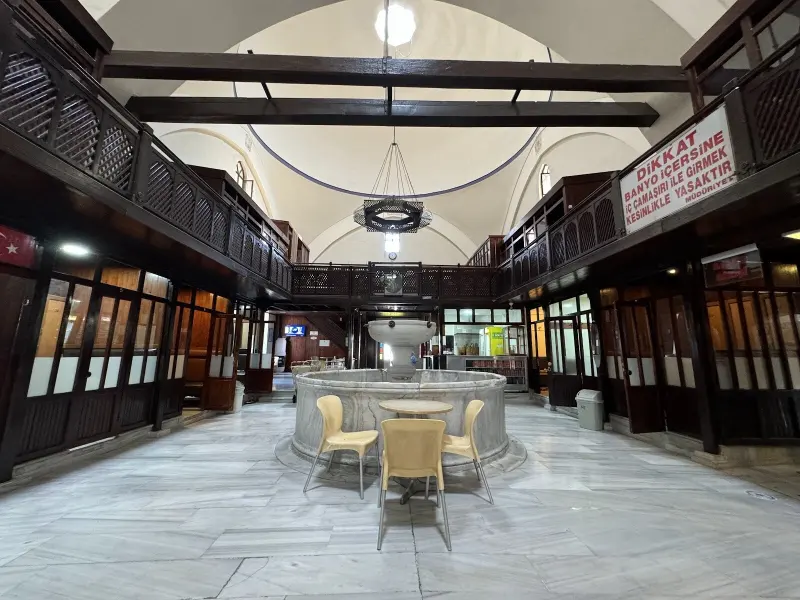
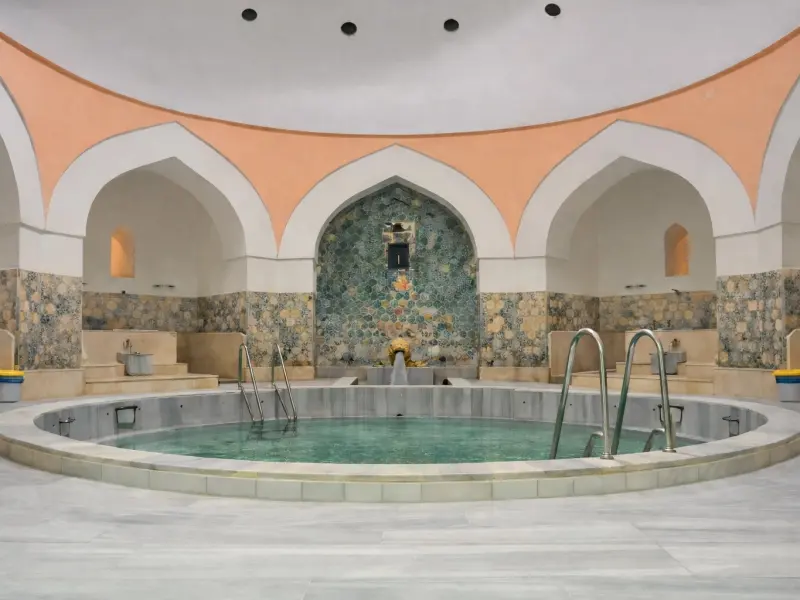
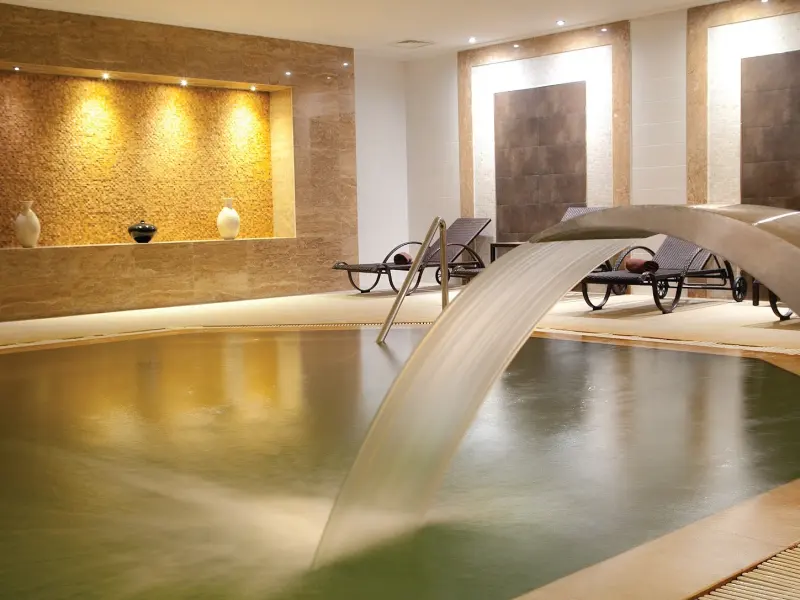
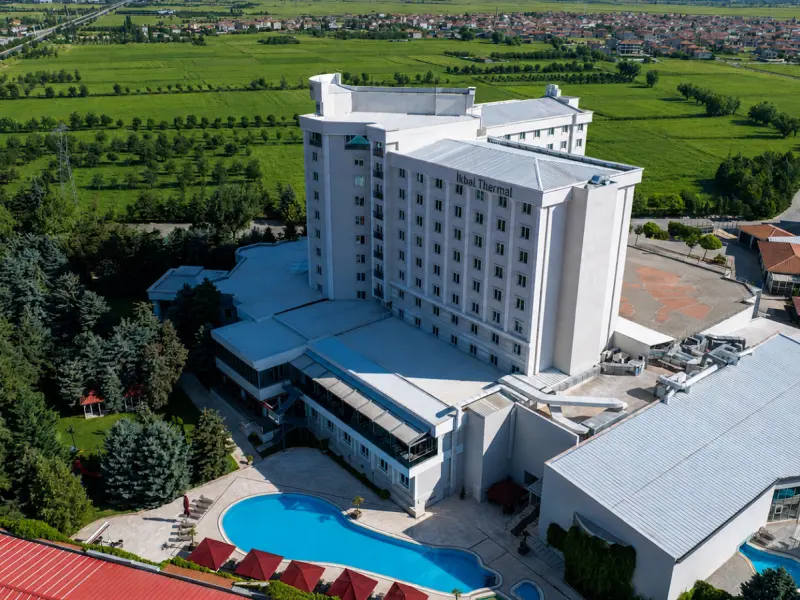
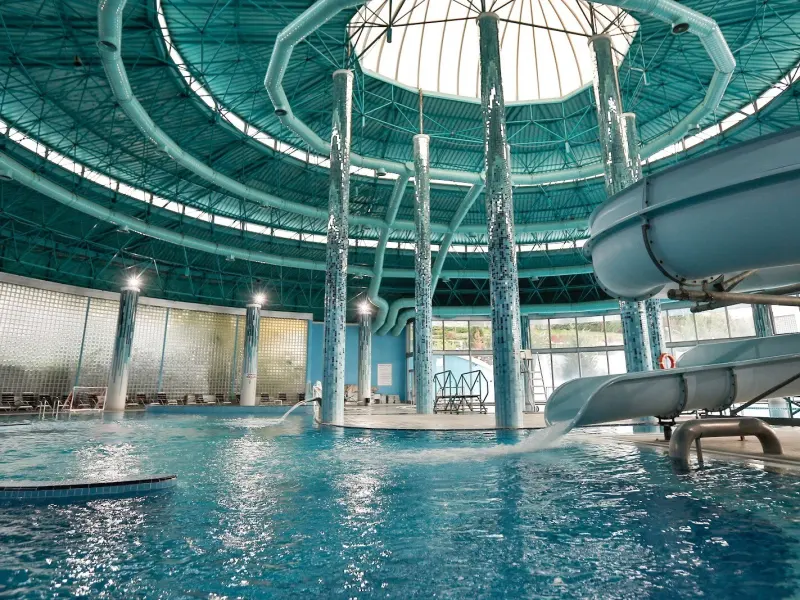
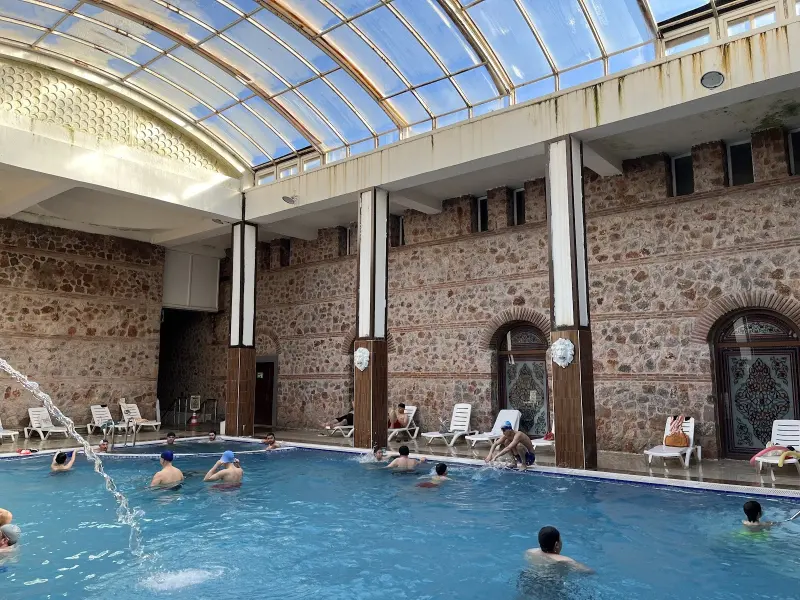
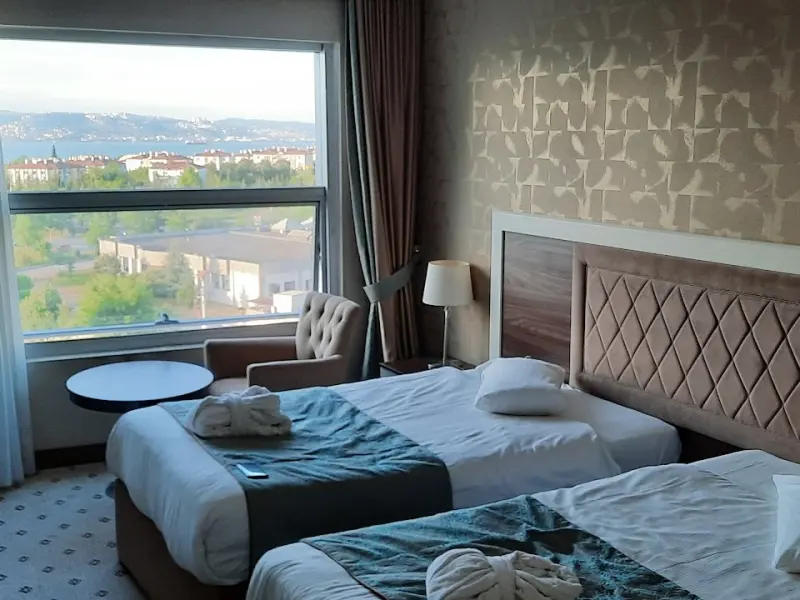
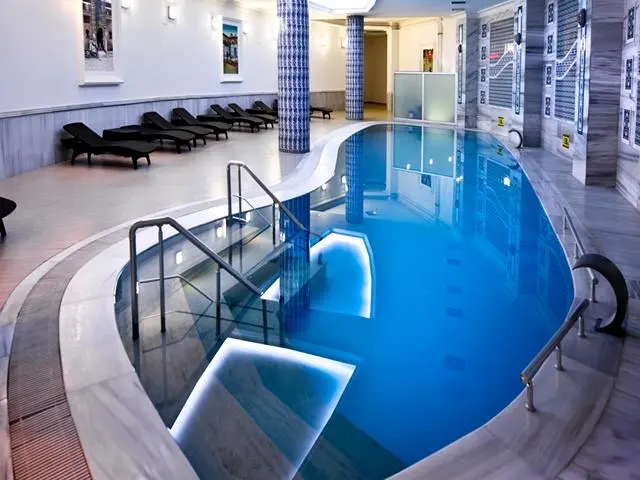
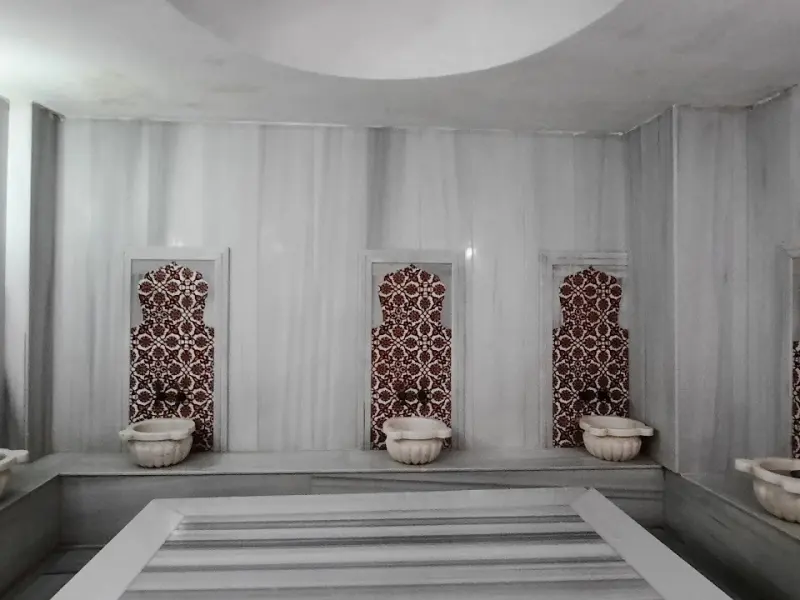
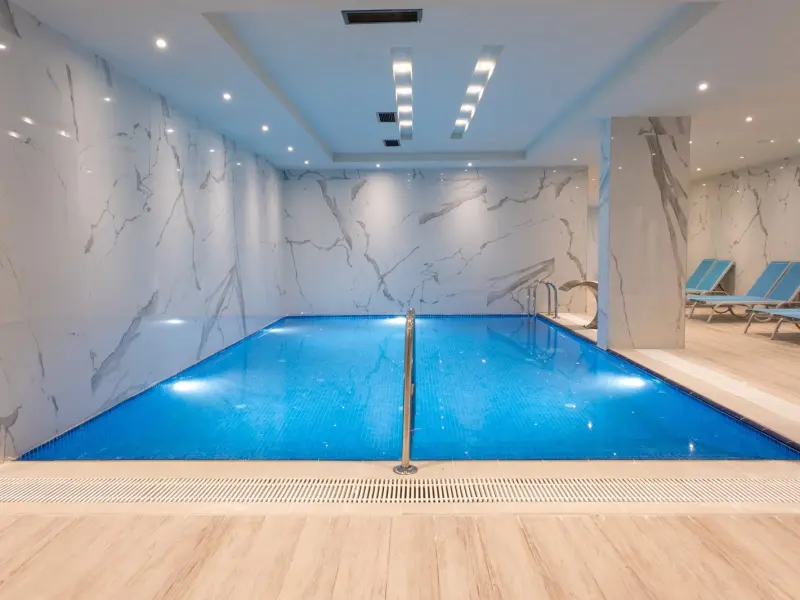
The kind of building in which the thermal water is used also changes the experience. At thermal hotels, indoor and outdoor thermal pools, a sauna, a hammam and accommodation are all in the same complex. At facilities known as hot springs, the thermal water is sometimes used in a pool inside a domed hammam building and offered together with hammam treatments such as kese (exfoliating scrub) and foam wash; the historic hot springs of Bursa are well-known examples. For details, see the guide to the historic hammams and hot springs of Bursa.
The hot water of a thermal pool dilates the blood vessels and puts a strain on the circulatory system. A doctor's approval is needed in cases of cardiovascular disease, uncontrolled blood pressure, heart rhythm disorders, heart failure, advanced varicose veins, diabetes and epilepsy. Hot water is not recommended during pregnancy. Do not go in if you have a feverish illness, an active infection, an open wound or a urinary tract infection. You should not go in after drinking alcohol.
The price of using a thermal pool depends on whether you are staying at the facility or visiting for the day. At thermal hotels the pool is mostly included in the stay; at facilities offering day-use entry, the price varies with the length of use, the choice of indoor or outdoor pool, and weekends and holiday periods. Family baths, hammam rituals and massages are usually charged separately. Thermal facilities are busier at weekends and on public holidays; if you are going for the day, also find out whether there is a capacity limit. Before you go, you could ask:
15-20 minutes at a time is recommended, after which you should rest out of the pool. Staying in hot water for a long time leads to a drop in blood pressure, dizziness and fatigue. 2-3 short sessions a day are better than a single long one.
It is commonly used as a supportive aid for rheumatic complaints, and many people report relief in their muscles and joints. However, this is not a promise of a cure. If you have a diagnosed condition, decide how to use it together with your doctor, and do not stop any ongoing treatment.
A thermal pool is filled with hot, mineral-rich water from a natural geothermal source; its temperature is usually 34-40 °C. An ordinary pool is filled with mains water and chlorinated. Mineral content and temperature are what set a thermal pool apart.
It is not recommended. A rise in body temperature is harmful during pregnancy, and hot thermal water causes exactly that. The wet floor also carries a risk of falling. Do not get in without consulting your doctor.
Shower before going in, avoid getting in on an empty or a full stomach, and drink plenty of water. Never get in after drinking alcohol. Take off any silver jewellery, as sulphurous water can tarnish it. If you have a cardiovascular condition, blood pressure problems or diabetes, consult your doctor beforehand.
Facilities usually display the water's analysis report somewhere visible or show it on request. The levels of sulphur, bicarbonate, calcium, magnesium and sodium vary from source to source. If you are coming for a specific complaint, it makes sense to share this information with your doctor.
Pool water is not for drinking; the water of a pool used by many people is not fit for drinking. Some thermal facilities have springs used for drinking or drinking-cure fountains, separate from the pool. Before drinking mineral-rich water regularly, consult your doctor, especially if you have kidney, blood pressure or stomach problems.
In everyday use, largely yes: all three are used for bathing fed by a natural hot-water spring. Kaplıca refers to the hot spring and often to the bath building built over it; Ilıca means the same and comes up mostly in place names. Thermal pool, on the other hand, is the name of a pool fed by this water and is the term most often used at thermal hotels.
Are you sure?
Choose one more venue to compare.