Going to a hammam without knowing how it works can be unnerving. This article walks you through what happens, in order, from the moment you come in until you leave.
First: do you need to book?
At most historic hammams you don't; you can just turn up. Hotel spas and kese (exfoliating scrub) and foam wash packages usually expect you to make an appointment.
What to ask: whether there are separate women's and men's sections or separate hours; whether kese and foam wash are included in the price; whether a peshtemal, towel and slippers are provided.
1. Entrance and changing
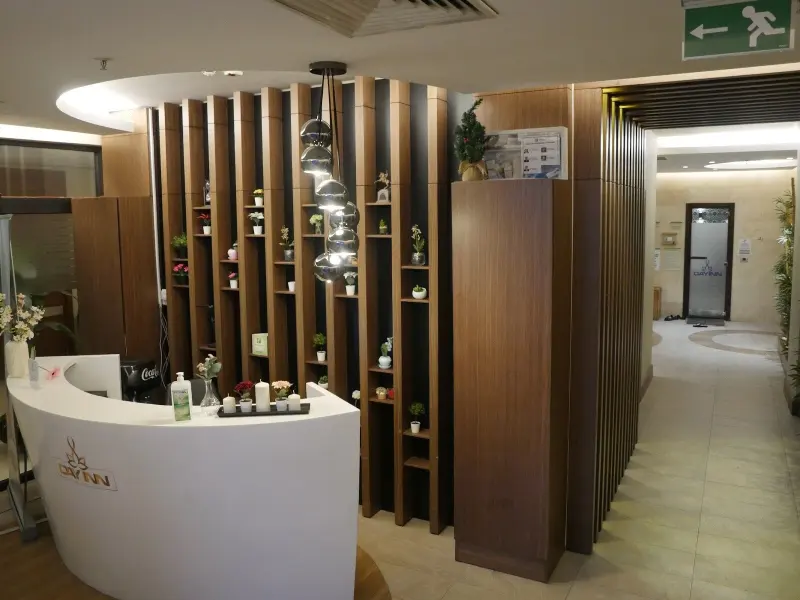
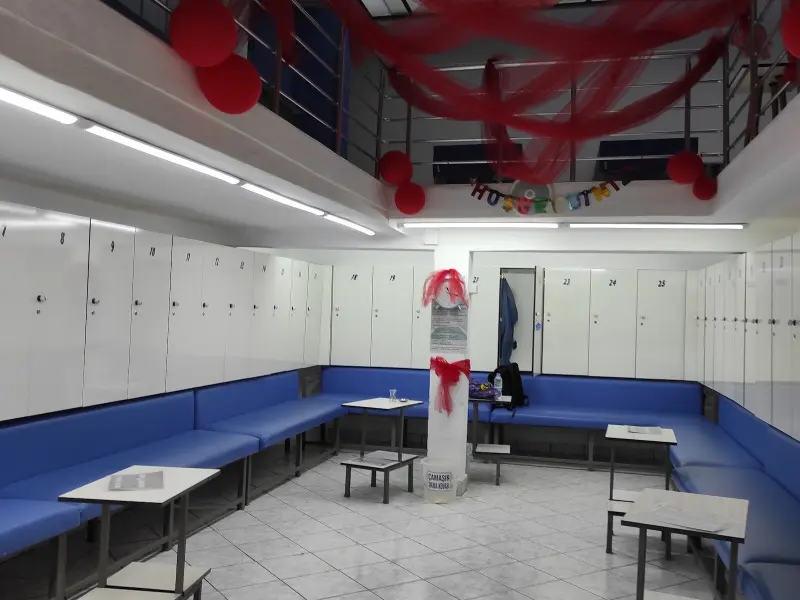
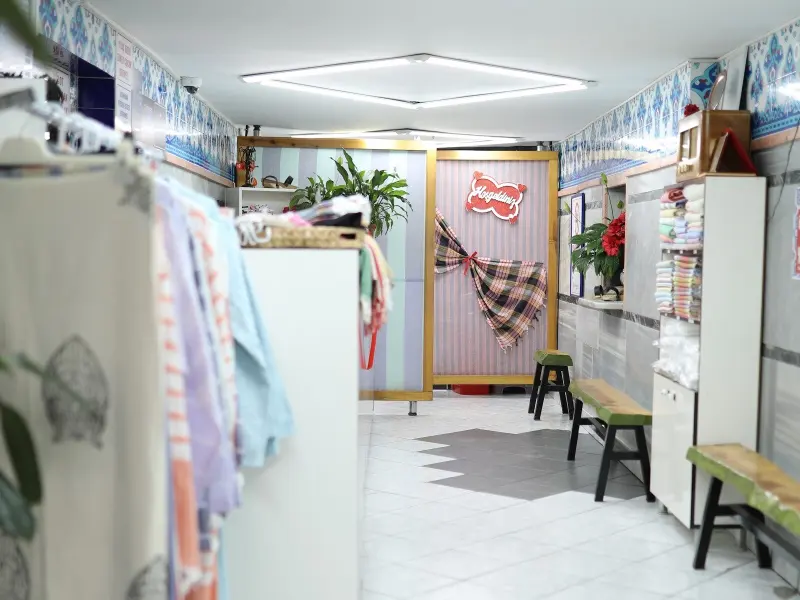
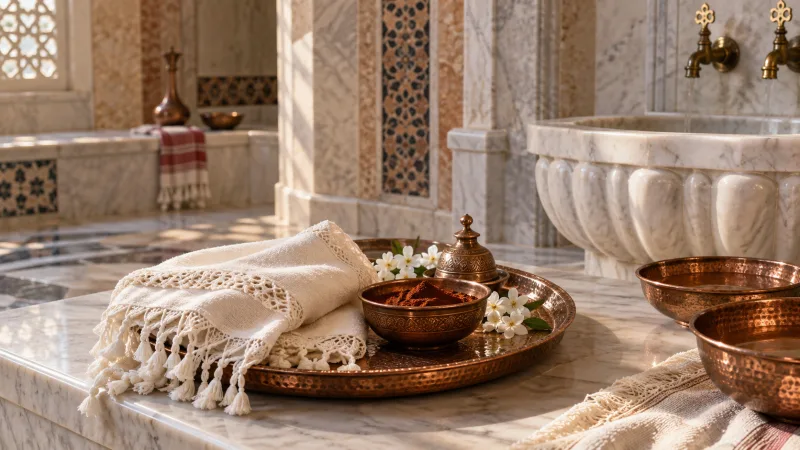
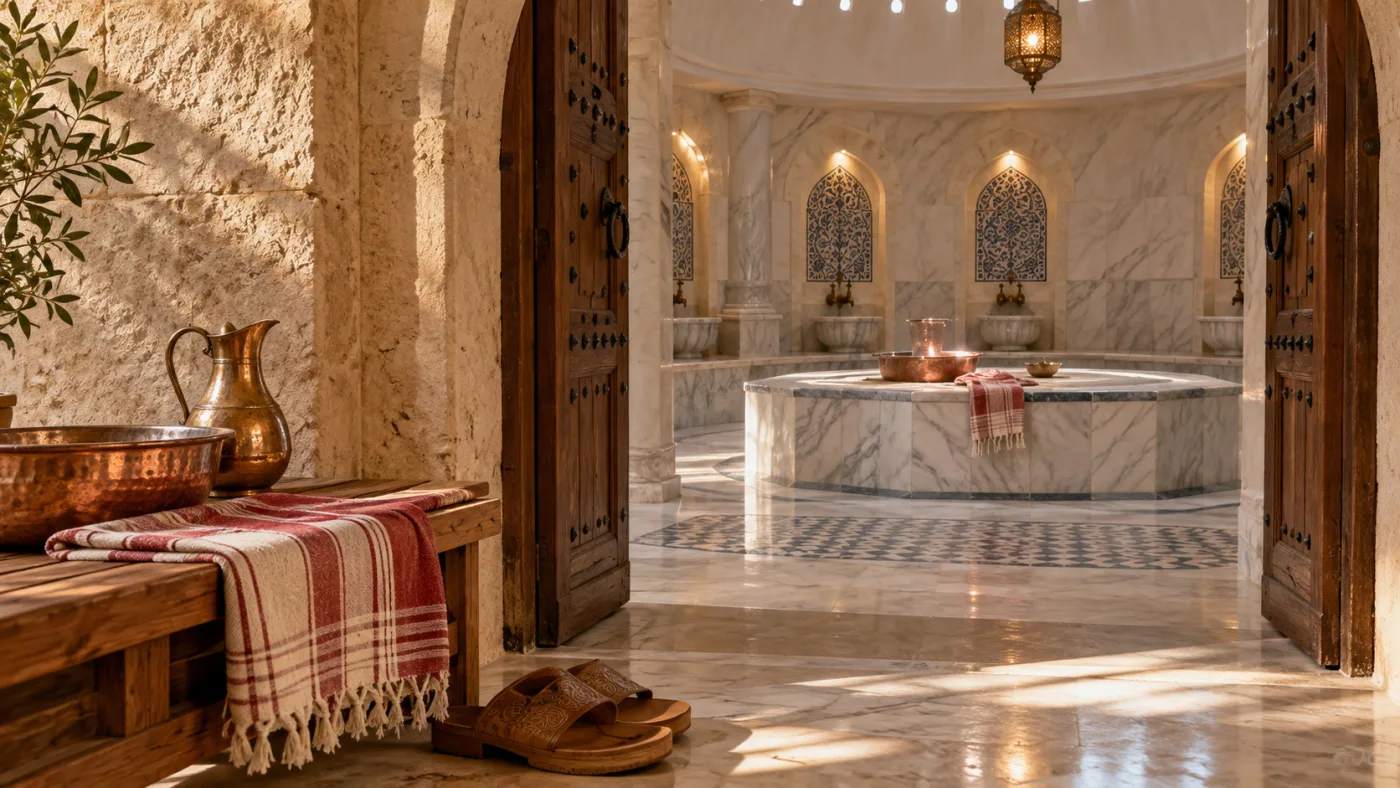
You pay at the entrance and are given a locker key and a peshtemal.
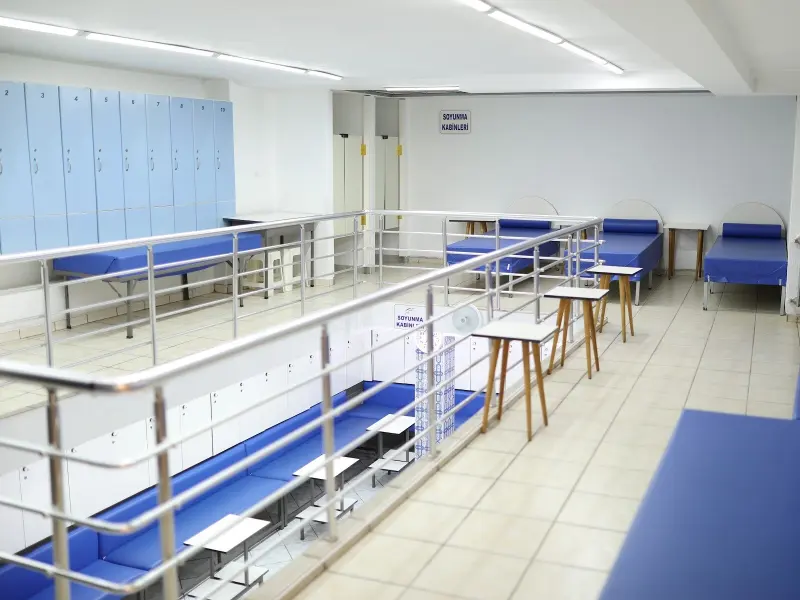
The changing rooms (camekan) are usually upstairs, in the form of small cubicles. You leave your clothes here, tie on your peshtemal and go through in slippers.
Lock your valuables in the locker. Don't take your phone inside — the humidity damages it, and in most hammams phones are also banned for privacy reasons.
2. Warm room: letting your body adjust
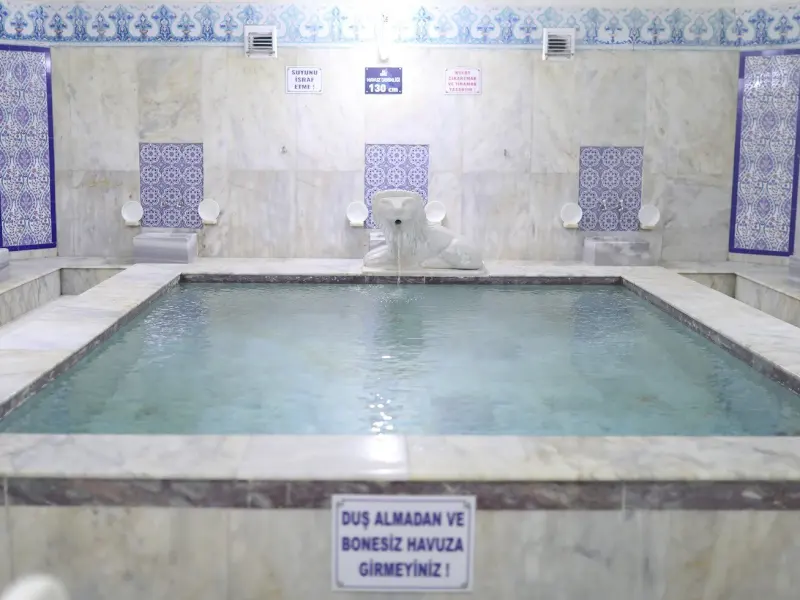
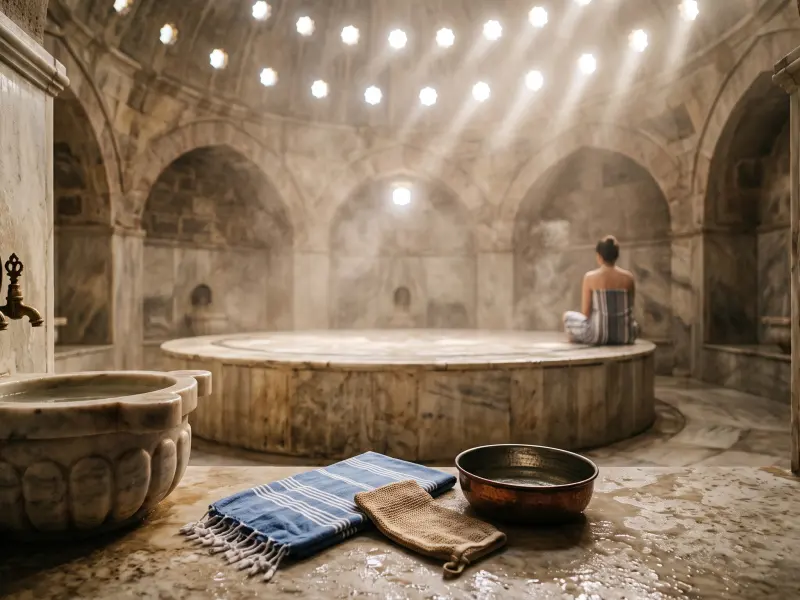
The first section you go into is the warm room (30-35 °C). You sit here for 10-15 minutes.
The aim is for your body to get used to the heat gradually. Going straight into the hot section puts a strain on your circulation and can make you dizzy. Don't skip this step.
3. Navel stone: sweating
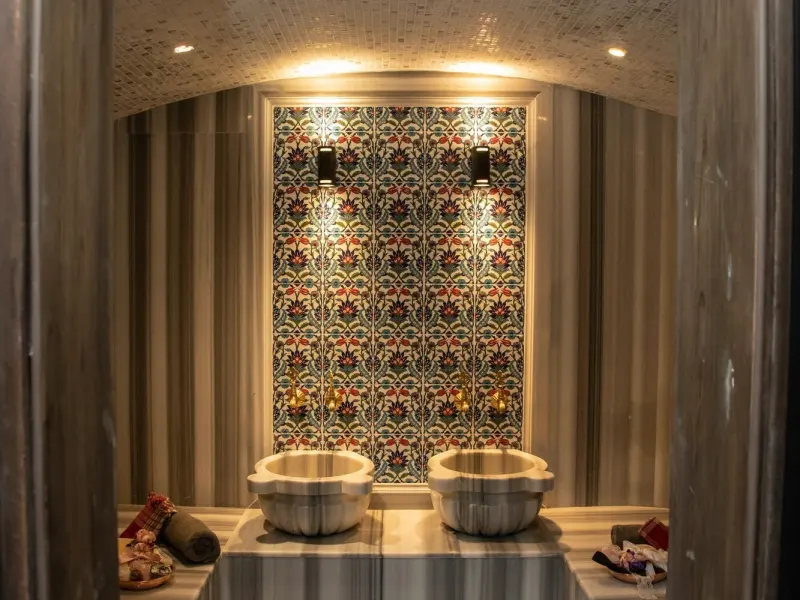
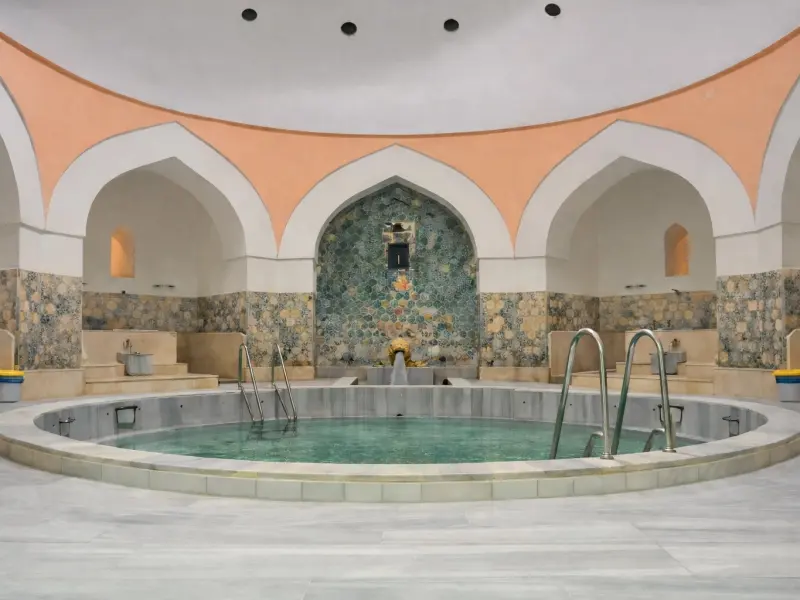
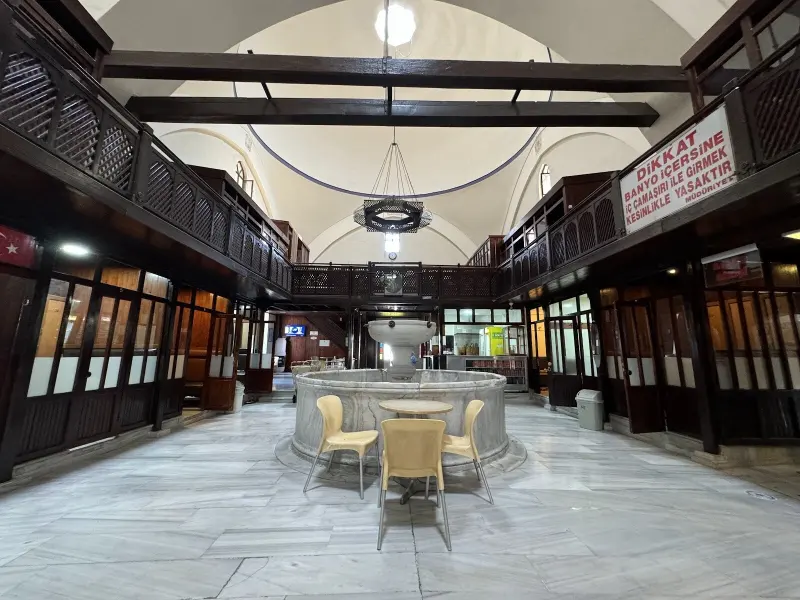
The navel stone is the heated marble platform in the centre of the hammam. The temperature is around 40-45 °C.
You spread out your peshtemal and lie on your back. You stay here for 15-20 minutes. You start to sweat, your pores open and your skin is prepared for the kese.
The rules are simple: no loud talking, no walking on the stone in shoes, and no intruding on anyone else's space.
If you feel unwell — dizziness, palpitations, nausea — get up at once and move to the warm room. Don't push yourself.
4. Kese
Once you have sweated enough, the attendant calls you over: the tellak in the men's section or the natır in the women's.
You lie down on the navel stone and the attendant removes the dead skin with a kese mitt. It takes 10-15 minutes.
What to expect:
- The friction is clearly noticeable; it should not be painful
- Dead skin coming off in rolls is normal, even expected
- If it feels too rough, just say so and the pressure will be adjusted
- The back, arms and legs are worked on in turn
5. Foam massage
After the kese you are washed in plenty of foam. The attendant makes the foam by filling a soapy cloth bag with air and squeezing it.
This is not a muscle massage — the pressure is light, and the aim is cleansing and relaxation. It takes 15-20 minutes.
Then your hair is washed and you are rinsed with lukewarm water.
6. Cooling room and rest
The final stage. After leaving the hot room, you need to rest in the cool area for at least 15-20 minutes.
Tea, sherbet or fruit served to you is part of the ritual. Drink plenty of water — sweating causes significant fluid loss.
Don't go straight out into the cold; going outside before your body temperature has settled is the most common cause of dizziness.
How long does it take in total?
60-90 minutes including kese and foam wash. With a massage added, it can take up to 2 hours. For a detailed breakdown, see how long does a hammam take.
Should you tip?
Tipping is common in Turkey but not compulsory. If you were happy with the attendant who did your kese and foam wash, you can leave a tip. It is also fine not to.
Who should take care
A hammam is a hot, humid environment. Consult your doctor in the following cases:
- Cardiovascular disease, uncontrolled high or low blood pressure
- Diabetes, epilepsy, a thyroid condition
- Respiratory illnesses
- Pregnancy — the hammam is not recommended during pregnancy
Put off your visit if you have a fever, an active skin infection or an open wound, or have just had hair removal. Do not go into a hammam after drinking alcohol.
Where to start
You can browse the hammams in your city on the hammam service page or by venue type. For Istanbul's historic hammams we have a separate guide.
This article was written by the Spa Deneyimi editors. Rankings and verification badges cannot be bought.