Closed · opens today at 09:00 Mixed
Mixed
Lomi Lomi MassageAromatherapy Massage +1
9 venues without a price are not shown.
1 venue found
Closed · opens today at 09:00 Mixed
The map couldn't be loaded
A body mask (body wrap, mud mask) is a treatment in which clay, seaweed, thermal mud or a herbal mixture is applied to the body, which is then wrapped in a heat-retaining cover and left for 20-30 minutes. Wrapping extends the time the product stays in contact with the skin and creates a warm environment. The aim of a body mask is to moisturise and soften the skin; slimming or weight loss are not among the results of this treatment.
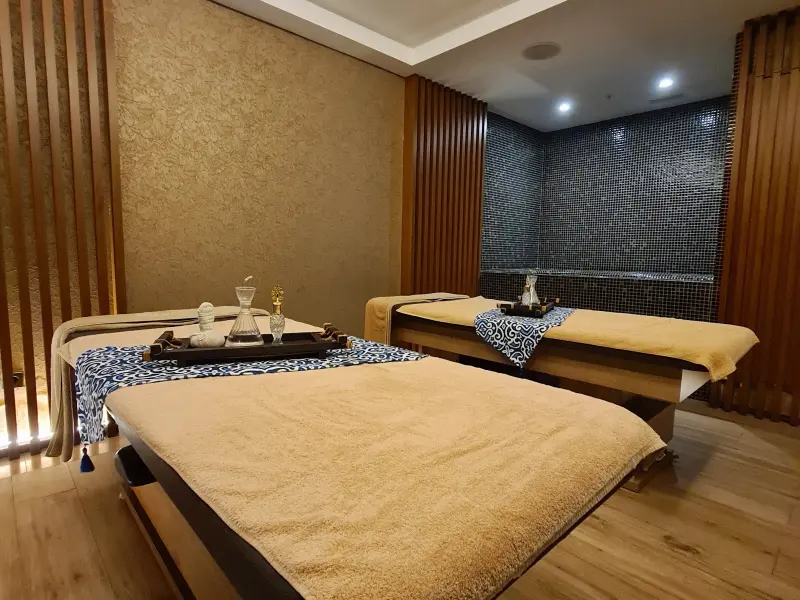
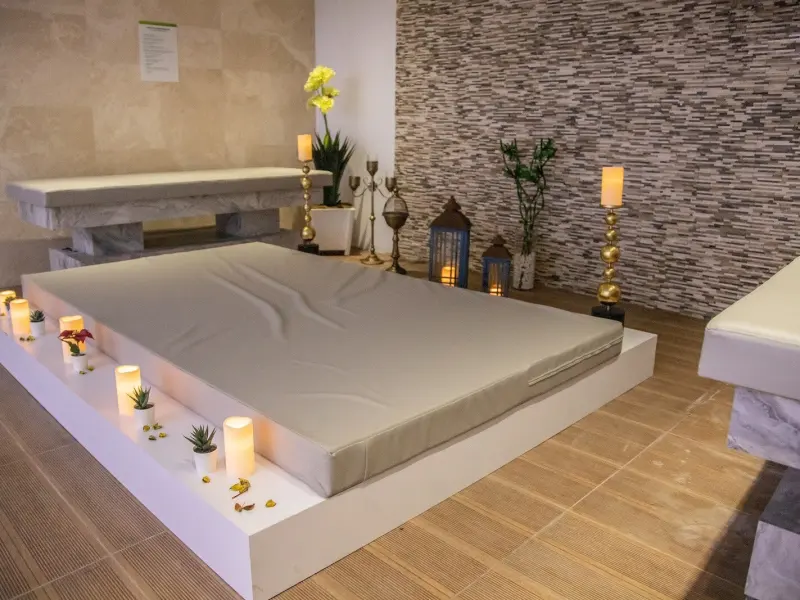
A body mask is applied in a treatment room, on foil or a sheet spread over the table. Disposable underwear is commonly provided; practice on this varies by venue. A typical sequence is as follows:
The mixture used in a body mask is chosen according to what the skin needs and what you expect. Green clay and thermal mud are chosen for purifying, seaweed (algae) for its mineral content, and shea and plant-oil-based mixtures for intensive moisturising. Mixtures containing coffee and seaweed are often marketed as 'firming'. Dry and sensitive skin tolerates gentle, oil-based mixtures more comfortably; because clay and mud can dry the skin, on dry skin they are followed by moisturiser. If you have a known allergy or are sensitive to essential oils, ask about the product's ingredients in advance.
A body mask session, scrub included, takes 60-90 minutes, of which 20-30 minutes is spent wrapped and resting. It does not require a regular course: it is common to have one now and then, during periods of dry skin, before a special occasion or as part of a spa programme. Because its effect is limited to moisturising, regular use of moisturiser at home matters more than how often you have sessions in keeping the result.
A body mask moisturises and softens the skin and makes it look temporarily firmer. Resting wrapped up in a warm environment can also help many people relax. On the other hand, a body mask does not make you lose weight and does not slim you permanently; temporary differences measured after wrapping are due to fluid loss and soon reverse. Be cautious about programmes sold with promises such as 'removes toxins' or 'slims specific areas'.
A body mask suits people looking for extra moisture for skin that is dry, prone to flaking or dried out by sun and sea water, and those who want a treatment based more on resting than on massage. Being wrapped can feel confining; if you are claustrophobic, say so, and your arms can be left free. Care is needed in the following cases:
A body mask is confused with three treatments that it is often offered alongside or that go by similar names. The key difference lies in what the treatment does to the skin:
| Treatment | What it does | Massage |
|---|---|---|
| Body mask | The product is left on under a wrap; moisture and softness | Face or scalp, during the waiting time |
| Body scrub | Removes the layer of dead skin | Only the rubbing movements that spread the product |
| Body treatment | Combines scrub, mask and moisturising in a single programme | Varies by programme |
| Cellulite treatment | Targets the appearance with mechanical massage, devices and wrapping; a course of sessions | Deep mechanical massage |
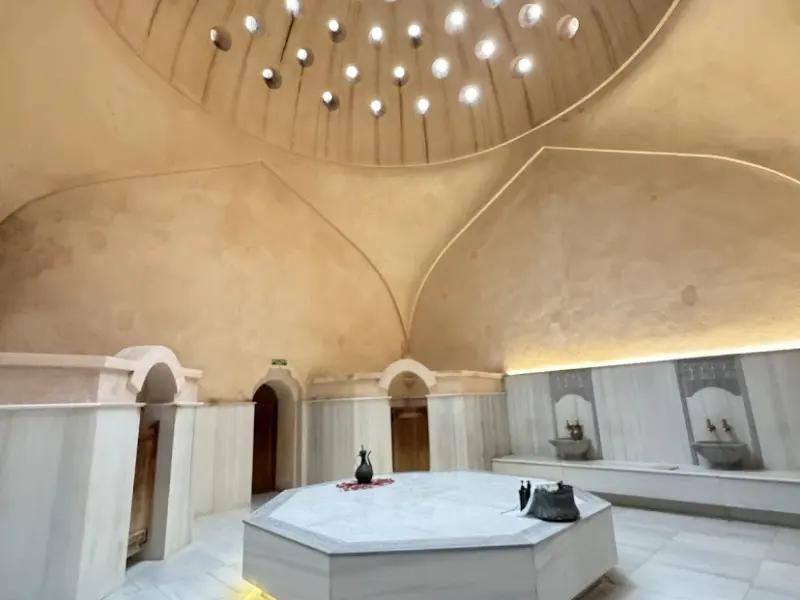
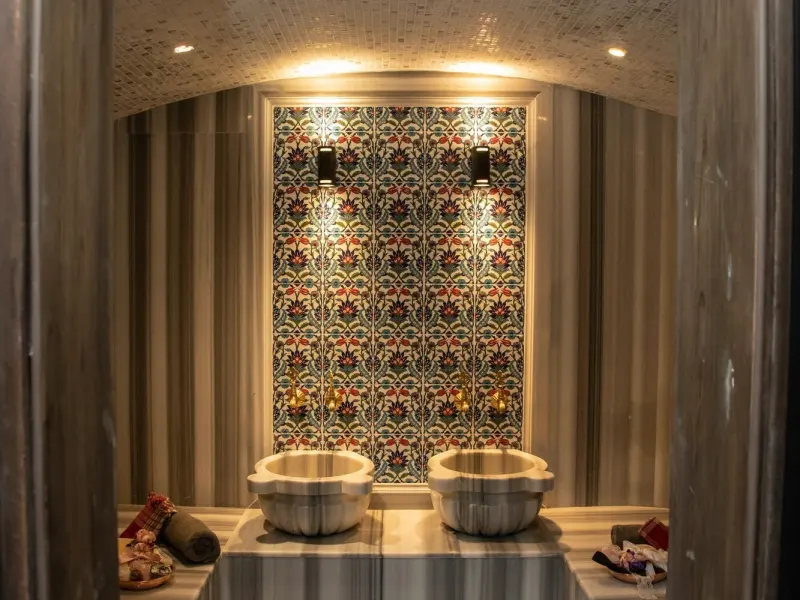
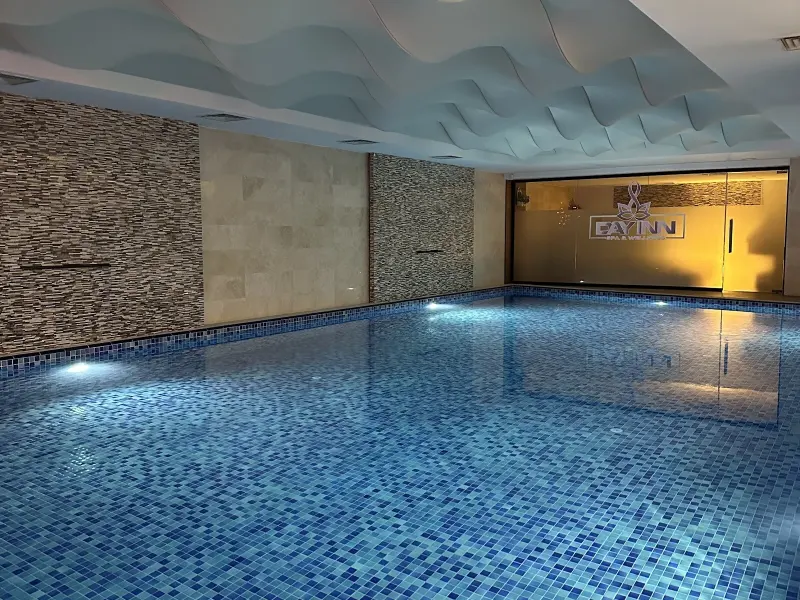
Most of the venues on the site offering a body mask are hotel spas in Ankara and Istanbul; at these spas the body mask appears on the same menu as the hammam, kese, scrubs and massage. A historic hammam in Istanbul, meanwhile, offers the mask together with traditional hammam rituals. The main factors that determine the price of a body mask are whether a scrub and massage are included, the product used (thermal mud, seaweed or a branded product line), the total length, whether use of areas such as the pool, sauna and hammam is included in the price, and weekend or seasonal differences. For details, see the guide to what determines spa prices.
When booking a body mask, it helps to clarify the following:
No. The temporary slimming measured after a wrap is due to fluid loss and soon reverses. A body mask moisturises and softens the skin and makes it look firmer for a while; be wary of programmes offered with promises of weight loss or permanent slimming.
60-90 minutes, including the preparatory scrub, is typical. The mask is left on for 20-30 minutes, during which a face or scalp massage is usually given.
Being wrapped can feel confining. If you are claustrophobic, mention it when making your appointment; the treatment can be done with your arms left free or with a looser wrap. You can always ask for the session to be stopped if you feel uncomfortable.
It depends on what you want: green clay and thermal mud are chosen for purifying, seaweed for its mineral content, and blends based on shea and plant oils for intensive moisturising. Tell your specialist about your skin type and what you are hoping for; gentler blends are chosen for sensitive skin.
Masks made with seaweed (algae) contain iodine and call for caution in people with thyroid conditions. Consult your doctor and ask about the mask's ingredients before the treatment; clay or plant-based alternatives without seaweed may be preferable.
It is not compulsory, but it is recommended. By removing the layer of dead skin, a scrub lets the mask make better contact with the skin. Most venues offer the two as a single programme; if you have them separately, the scrub should come first.
Yes, some hammams and hotel hammams offer rituals in which a clay or mud mask is applied after the kese (exfoliating scrub) and foam wash. In this arrangement the kese takes the place of a scrub, and the mask is applied to cleansed, warmed skin. Ask when booking whether the mask is included in the ritual and which product is used.
It is advisable to avoid strong sun and long spells in a chlorinated pool on the same day. Skin prepared with a scrub is more sensitive; sun can cause irritation and chlorine can cause dryness, reducing the moisturising effect of the mask. It is better to use a moisturiser after the session and apply sunscreen over the following days.
Are you sure?
Choose one more venue to compare.