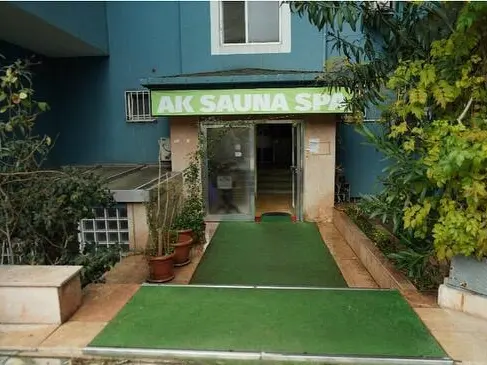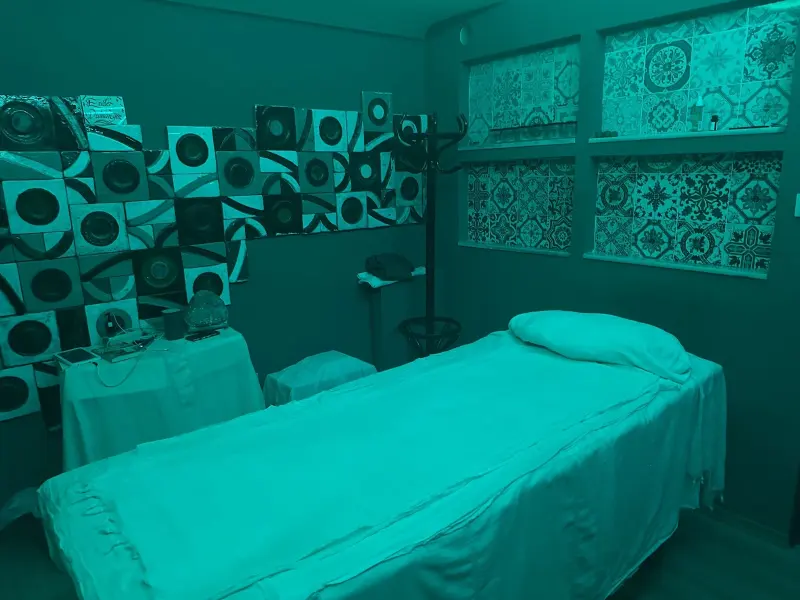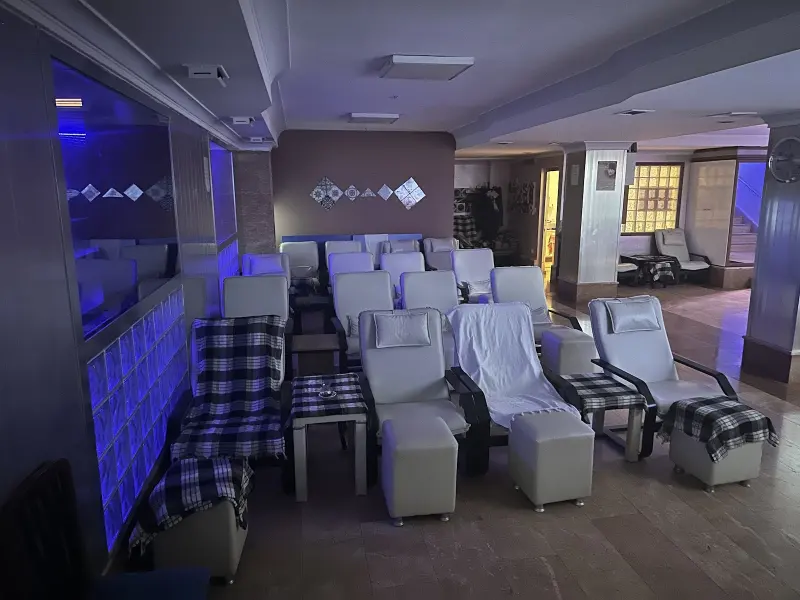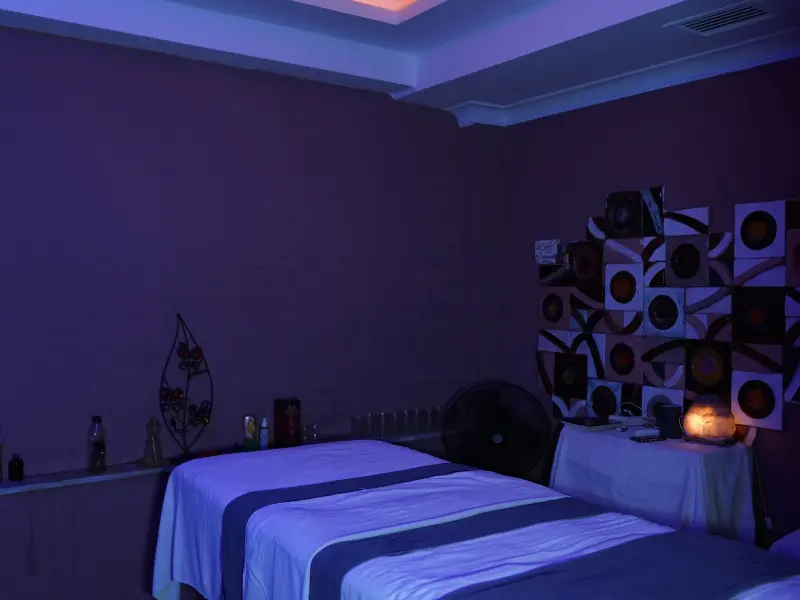
Closed · opens today at 10:00 Women
Women
Turkish BathKese Scrub +1
41 venues found
Closed · opens today at 10:00 Women
Closed · opens today at 11:00
Closed · opens today at 07:30
Closed · opens today at 10:00
Closed · opens today at 09:00
Closed · opens today at 12:00 Mixed
Closed · opens today at 10:30
Closed · opens today at 11:00
Separate sections
Closed · opens today at 13:00
Closed · opens today at 10:00
Mixed
Closed · opens today at 09:00 Separate sections
Closed · opens today at 10:00
Closed · opens today at 10:00
Closed · opens today at 10:00
Separate sections
Closed · opens today at 09:00 Mixed
The recommended order is based on rating and number of reviews, and on how complete and up to date a listing is. A paid membership does not change the order.
The map couldn't be loaded
Reflexology is a treatment based on applying pressure with the thumbs and fingertips to specific areas of the hands and ears and, above all, the soles of the feet. The underlying idea is that these areas map onto other parts of the body; this map is a traditional model, not a medical diagnostic tool. Only your shoes and socks are removed during the session and you stay dressed, so reflexology is an accessible option for those who are reluctant to undress.
30-60 minutes is common for reflexology; 45 minutes is the most popular length. There is no set number of sessions for reflexology done for relaxation; people who are on their feet all day may choose it every few weeks as regular care. As it is a short treatment, it can also be added after a hammam or a massage session. When the feet cannot be worked on, for example because of a wound or a recent sprain, some therapists offer hand reflexology as an alternative.
A reflexology session leaves a marked sense of relaxation and lightness in the feet. You may feel temporary discomfort at tender points; drinking plenty of water after the session is recommended. Reflexology is a complementary relaxation treatment; it makes no claim to treat illness and does not replace treatment by a doctor. A tender point on the foot does not mean that there is a problem with the organ that point is said to correspond to on the map. If you are having ongoing treatment, do not stop it, and tell your doctor about the reflexology.
Reflexology is chosen by people who are on their feet all day, those with stress and disrupted sleep, those with tired feet and legs, and those who do not want to lie on a massage table or are wary of a full-body massage. Because it is done fully dressed and is short, it is also a comfortable start for older guests and first-time spa visitors. It is also chosen to ease the feeling of tired feet after a long journey or a day of walking; however, if there is swelling and pain in a leg after a long flight, you should see a doctor first to rule out a blood clot.
Reflexology can be confused with other treatments that target the feet or apply point pressure. The main differences are:
| Treatment | Area worked | Method |
|---|---|---|
| Reflexology | Sole of the foot, hand, ear | Steady thumb pressure applied to specific areas in sequence |
| Foot and leg massage | Foot, ankle, calf | Flowing strokes with oil or cream that relax the muscles |
| Hand, foot and head massage | Hands, feet, scalp | A short, localised relaxation massage |
| Shiatsu | Whole body, clothed | Rhythmic pressure with fingers and palms on specific points, accompanied by stretching |
The price of reflexology varies with the session length, the type of venue, the therapist's reflexology training, and whether the service is booked on its own or as part of a massage or hammam package. Most of the venues listed on this page are hotel spas with a sauna and hammam; at these venues reflexology is usually on the same menu as the other treatments. For details, see the guide explaining what determines massage and spa prices. Before booking, ask:
No. You only take off your shoes and socks and stay clothed. The treatment is usually done in a reclining chair. This makes it an accessible option for people who are uncomfortable lying on a massage table or undressing.
Not exactly. A foot massage focuses on relaxing the muscles and tissue of the feet. Reflexology works by applying steady pressure to specific points on the soles of the feet in a systematic order. In practice, the two overlap at most venues and give a similar sense of relaxation.
No. Reflexology is a complementary relaxation treatment; it makes no claim to cure illness and does not replace medical treatment. If you are undergoing treatment, do not stop it, and tell your doctor that you plan to have reflexology.
The usual length is 30-60 minutes; the most popular is 45 minutes. 30-minute sessions usually focus only on the soles of the feet; longer sessions may also include the hands and calves.
It is generally relaxing, but you may feel brief discomfort when pressure is applied to sensitive points. This feeling passes quickly once the pressure is released. Unbearable pain is not expected; if you feel uncomfortable, simply tell the therapist.
Not without consulting your doctor; take particular care in the first three months. Some points around the ankle are best avoided during pregnancy. If your doctor gives the go-ahead, work with a therapist trained in pregnancy treatments and tell them how many weeks pregnant you are.
In most cases, yes. As reflexology uses steady, firm pressure rather than a light touch, the ticklish feeling usually fades after the first few minutes. Just tell the therapist at the start of the session; working without breaking contact and with slightly firmer pressure eases the feeling.
It is not compulsory; showering before you leave home is enough. Many venues begin the session by wiping the feet with warm water, a damp towel or a cleansing wipe. If you have a wound, cracked skin or a suspected fungal infection on your foot, mention it when booking; in that case the treatment may be postponed.
Are you sure?
Choose one more venue to compare.