Closed · opens today at 10:00 Women
Women
Turkish BathKese Scrub +1
34 venues found
Closed · opens today at 10:00 Women
Closed · opens today at 07:30
Closed · opens today at 10:00
Closed · opens today at 10:30
Closed · opens today at 11:00
Closed · opens today at 13:00
Closed · opens today at 10:00

Closed · opens today at 10:00
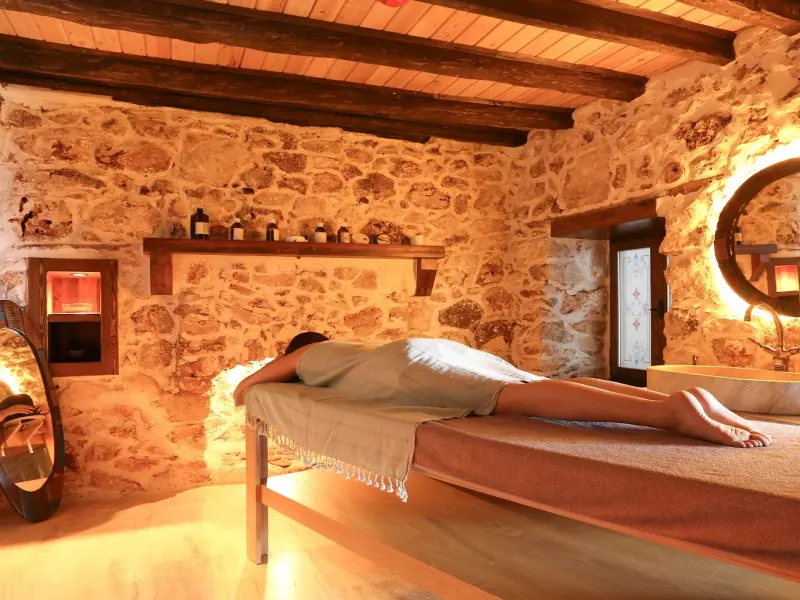
Closed · opens today at 10:00
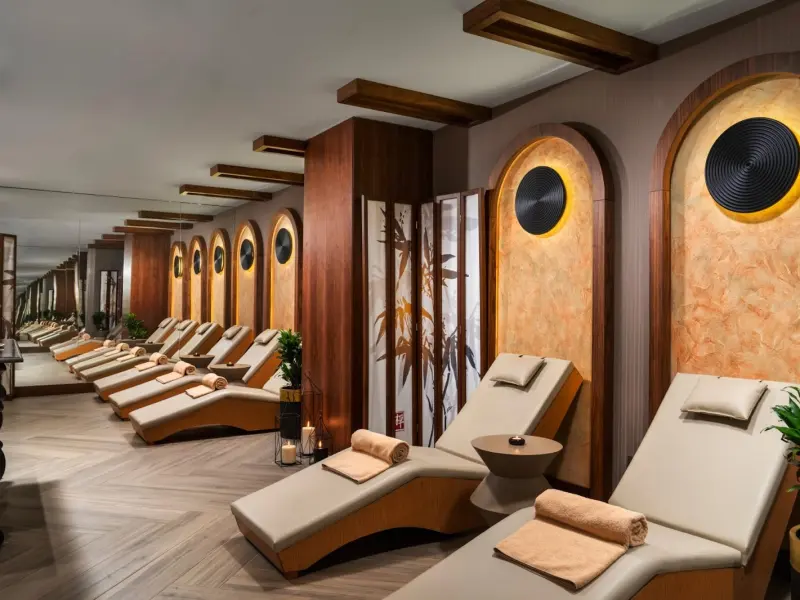
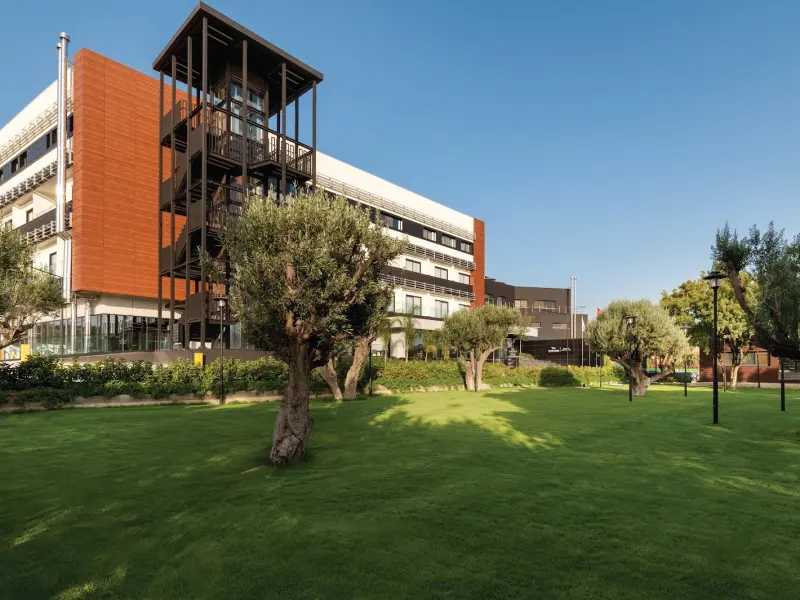
Separate sections
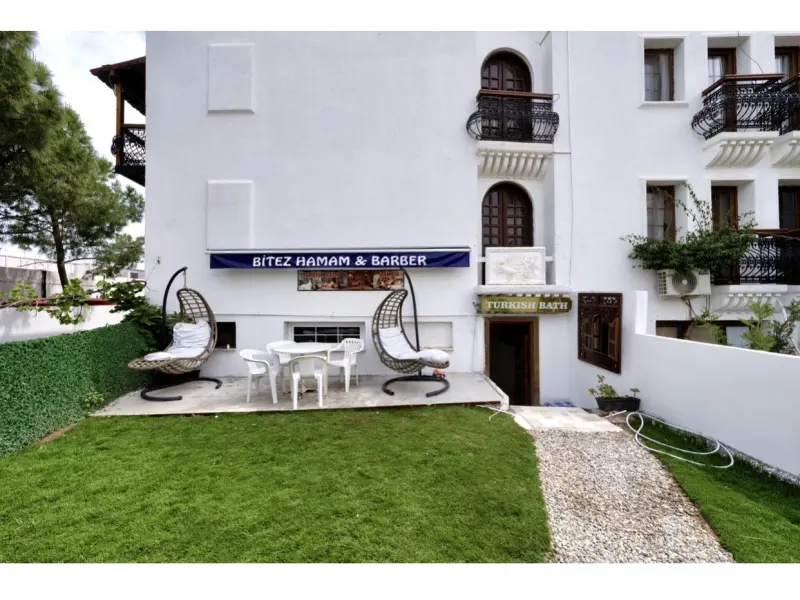
Closed · opens today at 09:30 Separate sections
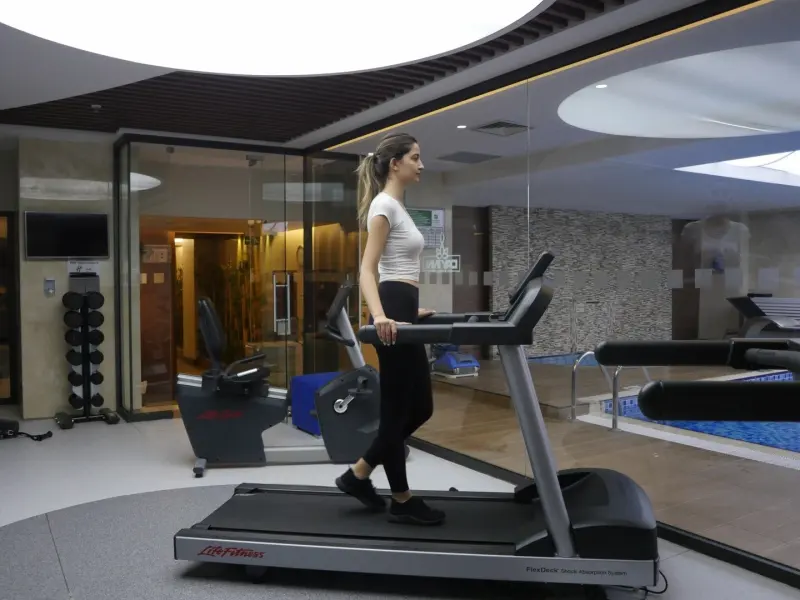
Closed · opens today at 09:00 Mixed
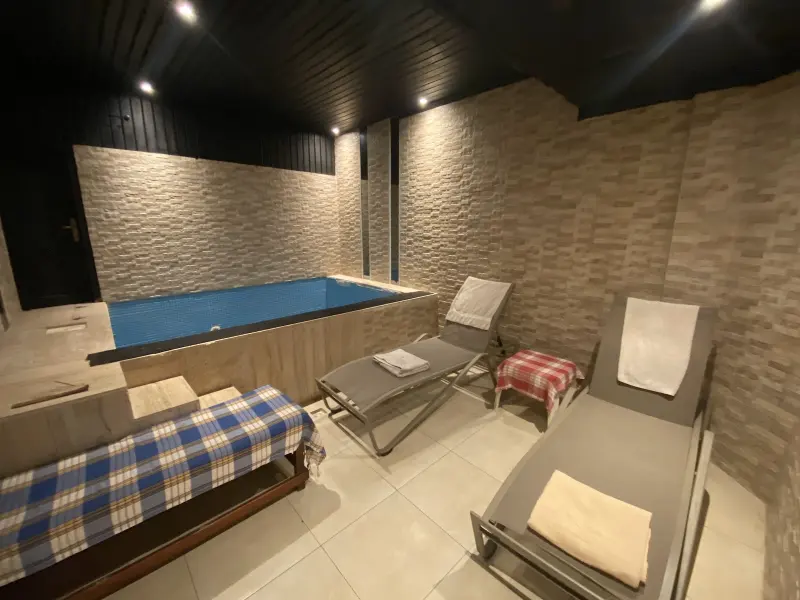
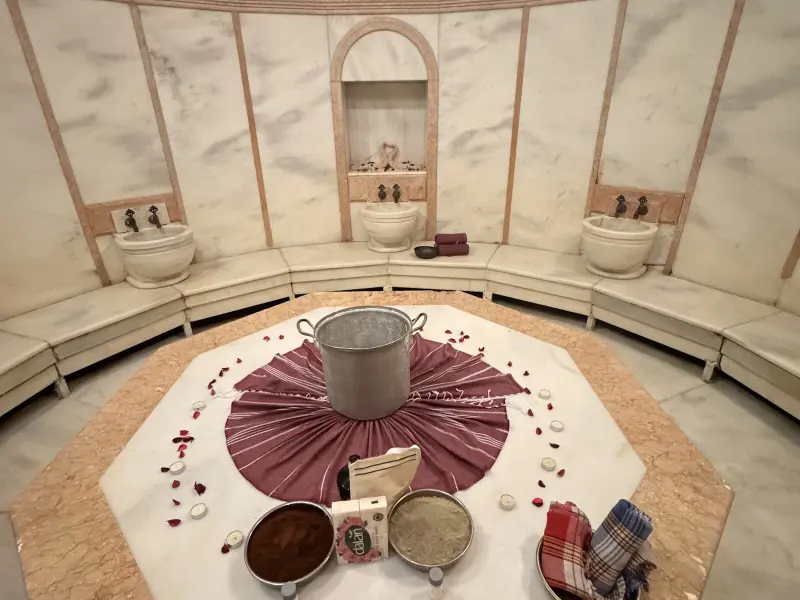
Closed · opens today at 10:00
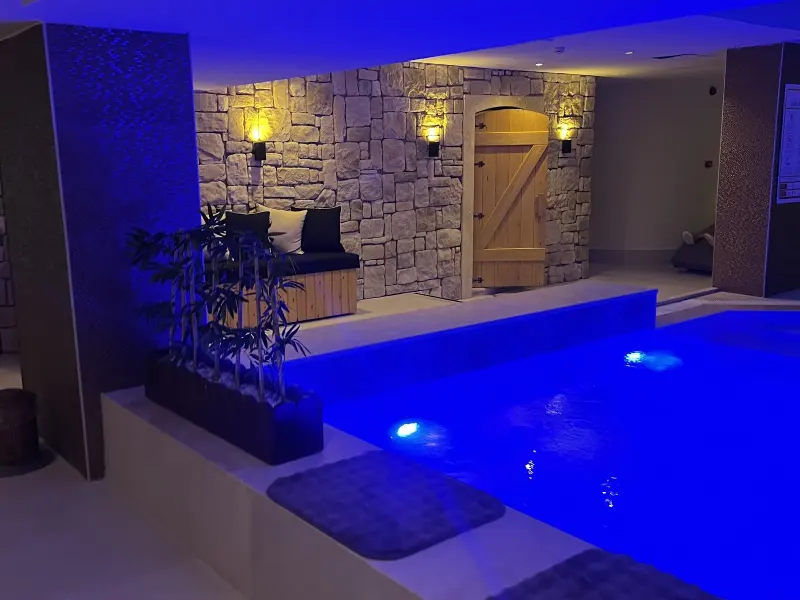
Closed · opens today at 07:00 Mixed
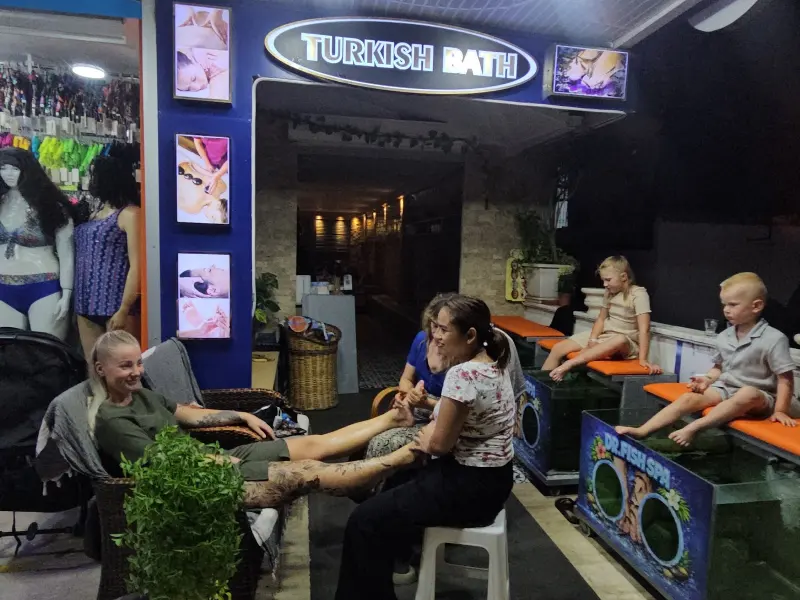
Closed · opens today at 08:00
Closed · opens today at 10:00 Mixed
Separate sections
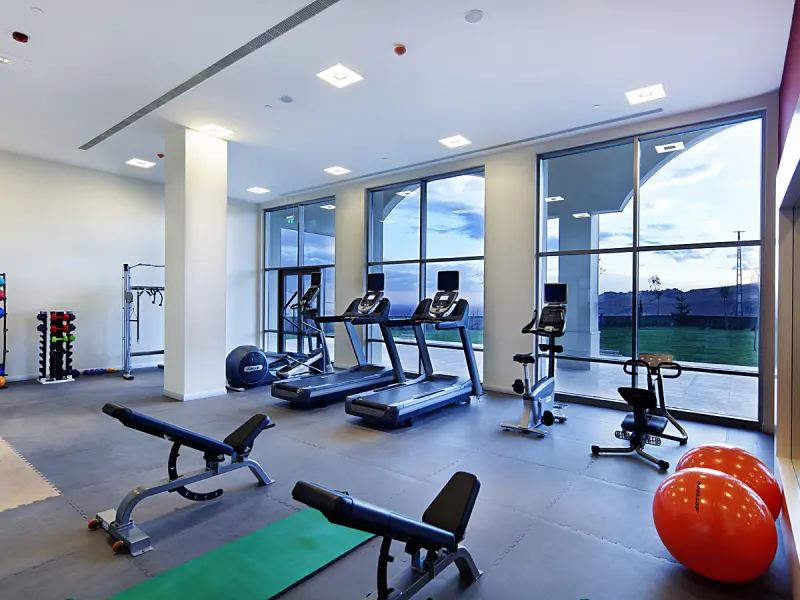
Closed · opens today at 10:00 Mixed
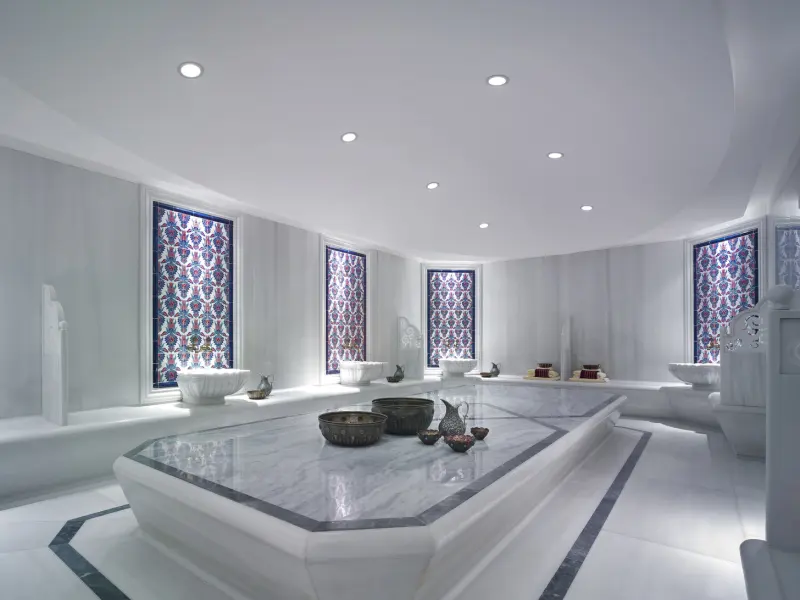
Closed · opens today at 10:00
Closed · opens today at 10:00
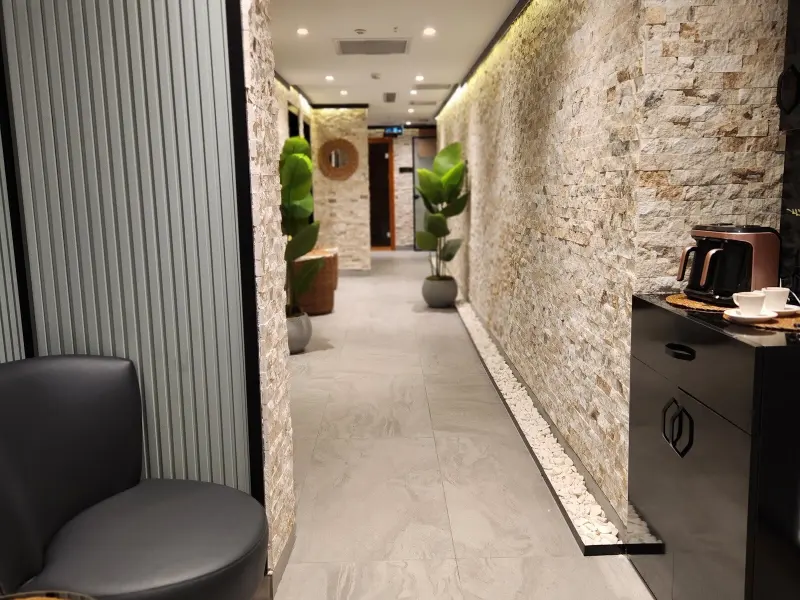
Closed · opens tomorrow at 12:00 Mixed
The recommended order is based on rating and number of reviews, and on how complete and up to date a listing is. A paid membership does not change the order.
The map couldn't be loaded
Sports massage is a massage approach for people who are regularly physically active, planned around the training cycle. It is not a single technique but a set of treatments that changes with timing: short and invigorating before competition, recovery-focused after competition, and centred on deep tissue work and stretching during regular training periods.
Sports massage uses deep gliding strokes, cross-fibre friction, trigger point pressure, active and passive stretching, and joint mobilisation. The treatment focuses not on the whole body but on the muscle groups the sport loads: the hips, hamstrings and calves in runners, the shoulder girdle in swimmers, and the forearm and shoulder in tennis players, for example.
The session begins with a short conversation about which sport you do and how often, whether there is a race coming up, and any tight or painful areas. The treatment is usually given on a table with oil or cream. In passive stretching the therapist moves the limb for you; with active stretching techniques you may be asked to push the muscle in a certain direction and then relax it. Whether you are asked to bring shorts for the stretching sections varies by venue. In sports massage, pressure is adjusted to the condition of the muscle being worked on; the session can be deep but should not cause sharp pain, and you are expected to speak up if you feel discomfort.
Sports massage given just before competition should be short (15-20 minutes) and stimulating; deep work at this stage can harm performance. In the first hours after competition a light, drainage-focused session is suitable, and after 24-48 hours a deeper one. Having a deep tissue session for the first time a day or two before an important race is a common mistake.
Sessions during regular training periods usually last 45-60 minutes; shorter sessions focusing on a single area are also offered. Frequency is set by training intensity and the competition calendar: sessions become more frequent during build-up periods and further apart in rest weeks. During multi-day tournaments, short, light recovery sessions between days are preferred.
Sports massage may help shorten how long delayed-onset muscle soreness is felt after training and help maintain range of movement. Regular sessions also make it easier to spot tension from repetitive loading early: when the therapist notices recurring stiffness or tenderness in the same area they can let you know, and if an injury is suspected they are expected to refer you to a doctor. Sports massage does not prevent injury on its own; it does not replace sleep, nutrition or a well-planned training load.
Regular runners, people doing fitness and strength training, team sports players and amateurs training at a high intensity often choose sports massage. People who do physical work and those with tension from repetitive movements can also benefit. For those increasing their weekly training volume, starting a new sport or preparing for a long race, sports massage comes up more often during these periods of increased load.
Massage is not given on a fresh injury (the first 48-72 hours) while there is swelling, bruising or increased warmth; a doctor's assessment is needed during this period. It is also not given with a suspected fracture, a muscle tear, a ruptured tendon, active inflammation or a feverish illness. With use of blood thinners or a bleeding disorder, a doctor's approval is required.
Sports massage and deep tissue massage are often confused. Deep tissue is a technique and one of the tools sports massage uses; what sets sports massage apart is that the session is timed around the training schedule and also includes stretching and joint mobilisation.
Medical massage, on the other hand, starts not from sport but from a specific pain complaint and follows a programme of several sessions planned after an assessment; it is the better choice for a diagnosed problem. If the aim is simply to relax, Swedish massage or aromatherapy massage is more appropriate.
The price of sports massage varies with session length, the therapist's experience of working with athletes, the type of venue and whether use of facilities such as the sauna or hammam is included; the difference between short pre-competition sessions and full sessions is also marked. For the general picture, see the guide explaining what determines massage and spa prices. When booking, share and ask about:
Both are done, but in different ways. Just before a race, a short, stimulating session of 15-20 minutes is suitable; deep work lowers performance. In the first few hours after a race, a light session focused on drainage is preferred, and 24-48 hours later a deeper one.
It is reported to help reduce the severity and duration of delayed-onset muscle soreness after training, but it does not get rid of it entirely. It is not a recovery solution on its own; sleep, nutrition and a properly planned training load are the main factors.
No. In the first 48-72 hours after a fresh injury, while there is swelling, bruising or warmth, massage is not given and can make things worse. A doctor's assessment is needed first. Massage is absolutely unsuitable for a suspected fracture, a muscle tear or a ruptured tendon.
It depends on how hard you train. For someone who trains 3-4 days a week, 1-2 sessions a month is a common pattern; during intensive preparation periods and when the competition calendar is crowded, this can go up to one session a week. Sharing your training programme with your therapist makes planning easier.
No, but they overlap. Deep tissue massage is a technique; sports massage is an approach planned around the training cycle that also includes deep tissue work. Sports massage additionally includes stretching, joint mobilisation and a focus on the muscle groups your sport puts under strain.
Non-athletes can benefit too; it is particularly suitable for people who do physical work and those with tension from repetitive movements. However, if your aim is to relax, a Swedish or aromatherapy massage would be a better choice, and if you have a specific pain complaint, a medical massage.
Intense training on the same day after a deep recovery session is not recommended; it is usually better to leave heavy loading until the next day. A light walk or a short stretch causes no problems. Short, stimulating pre-competition sessions, on the other hand, are designed to be given right before the activity anyway.
Tools such as a foam roller and a massage ball are useful for self-care between sessions, but they do not fully replace a sports massage. A therapist can assess the tissue by hand, pinpoint tight areas, and apply passive stretching and joint mobilisation. The two complement each other: tools cover day-to-day care, while massage provides more targeted work during intense periods.
Are you sure?
Choose one more venue to compare.