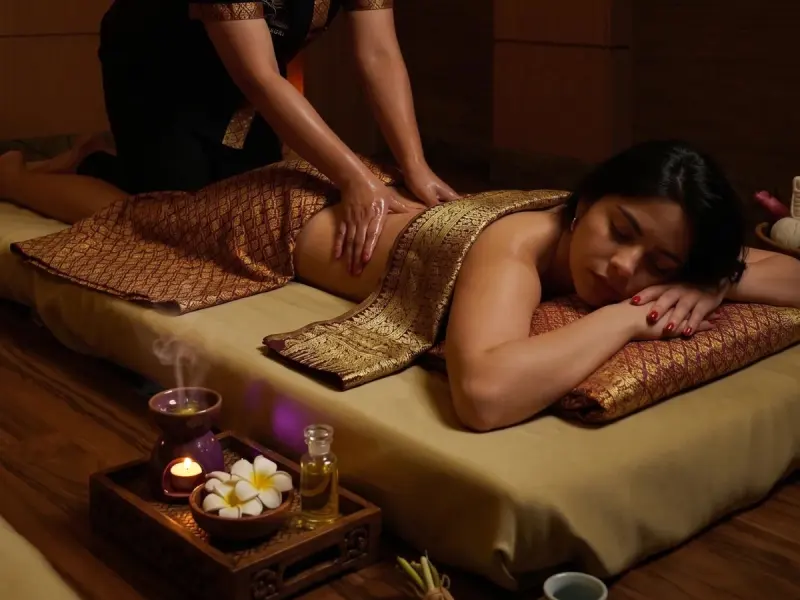
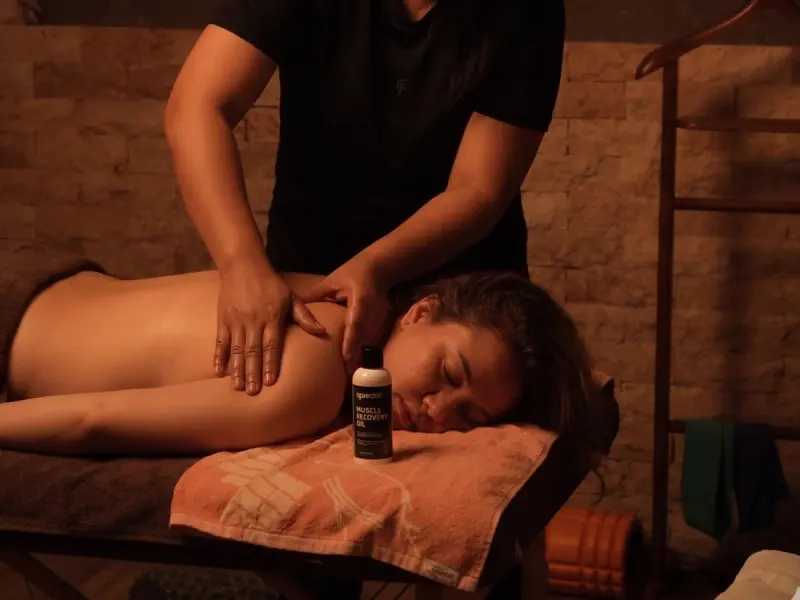
Anti-stress massage (relaxation massage, relax massage) is a type of massage given with gentle, rhythmic strokes that aims directly at relaxation rather than at resolving muscle problems. The pace is slow and predictable; it involves no sudden movements or firm pressure, because the aim is to calm the nervous system.
How the session unfolds
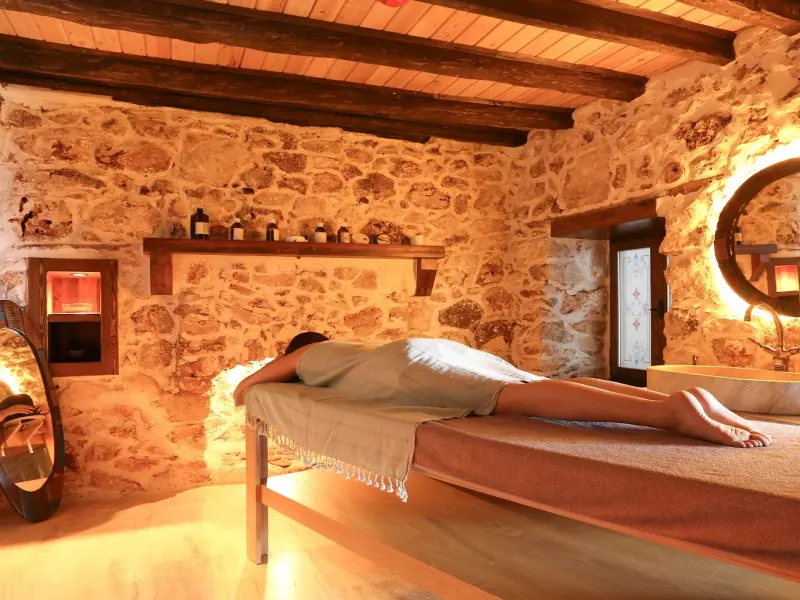
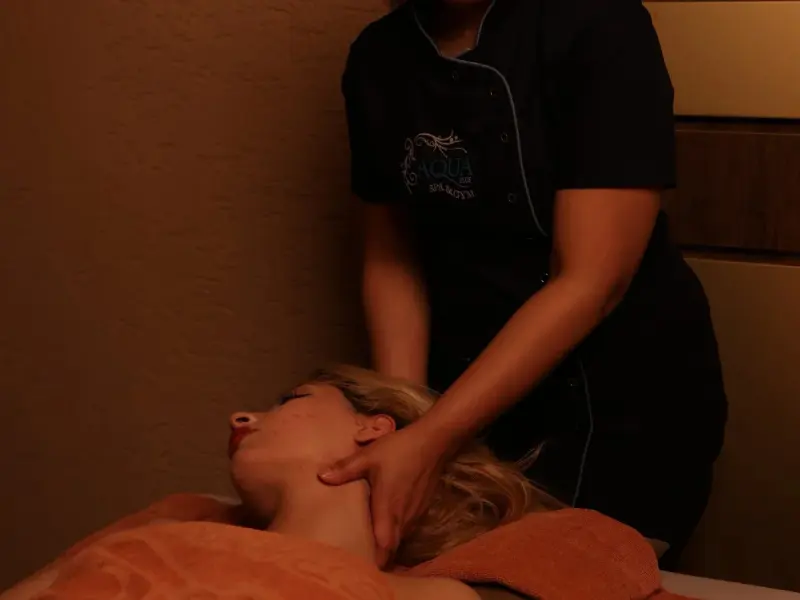
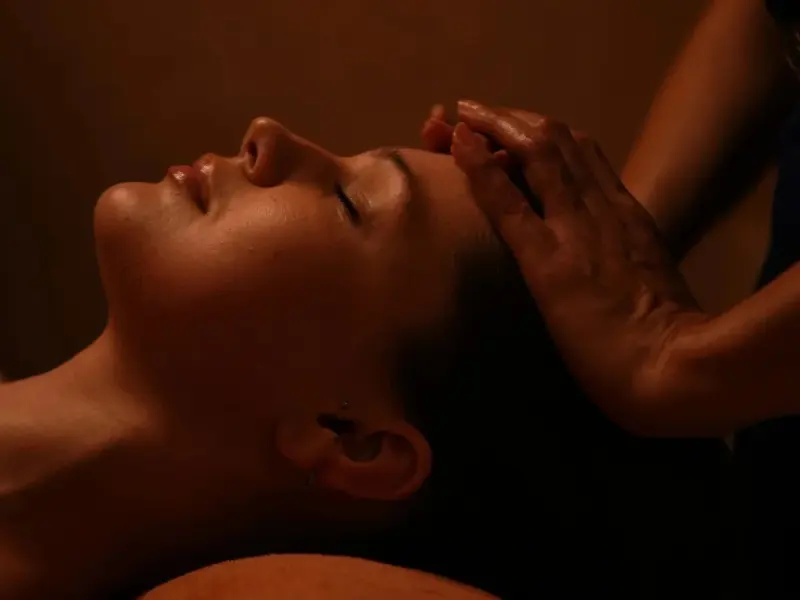
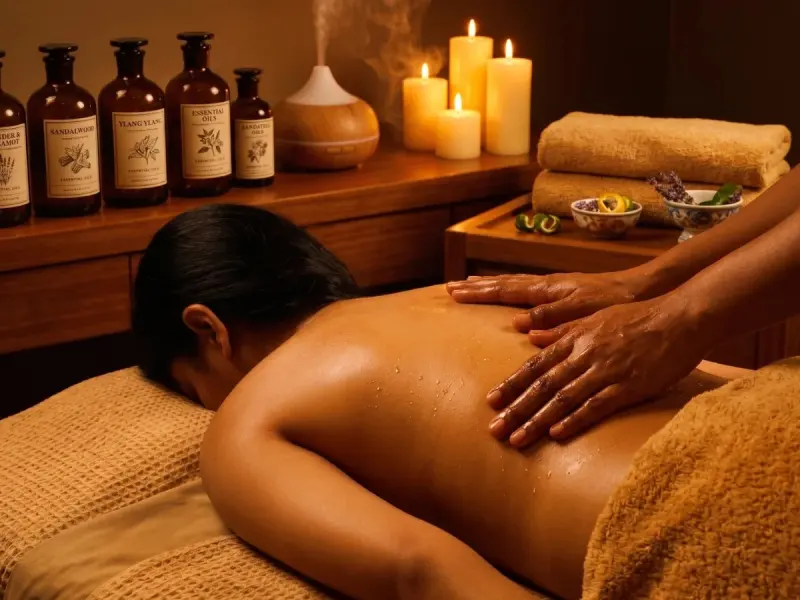
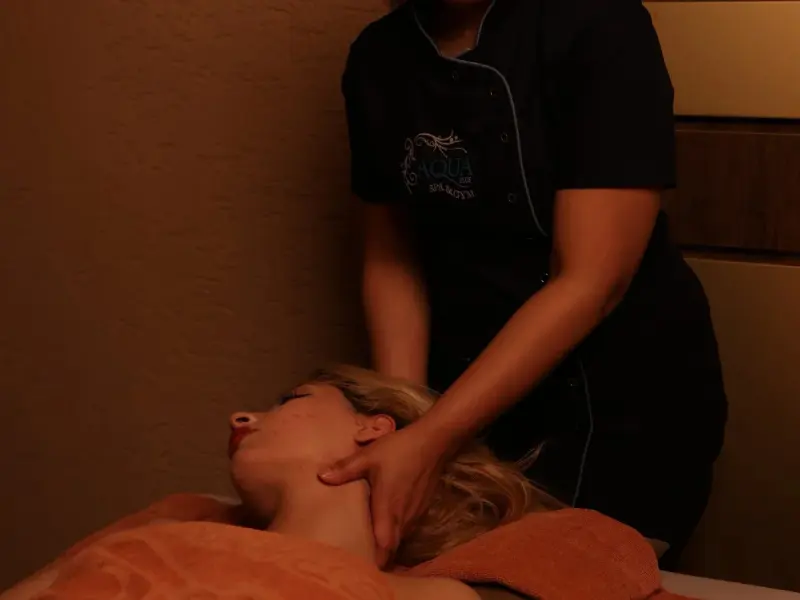
Anti-stress massage usually concentrates on the back, neck, shoulders, scalp and face; these are the areas of the body where stress builds up most. The session mostly starts face down with the back and shoulders and finishes with you lying on your back, with the neck, scalp and face. The strokes are long, flowing and continuous; the therapist's hands leave the body as little as possible, which creates a predictable rhythm.
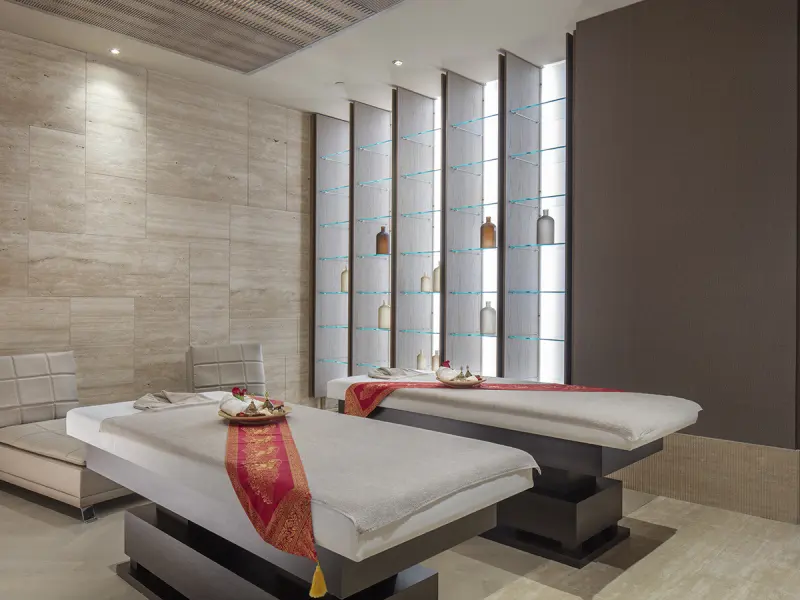
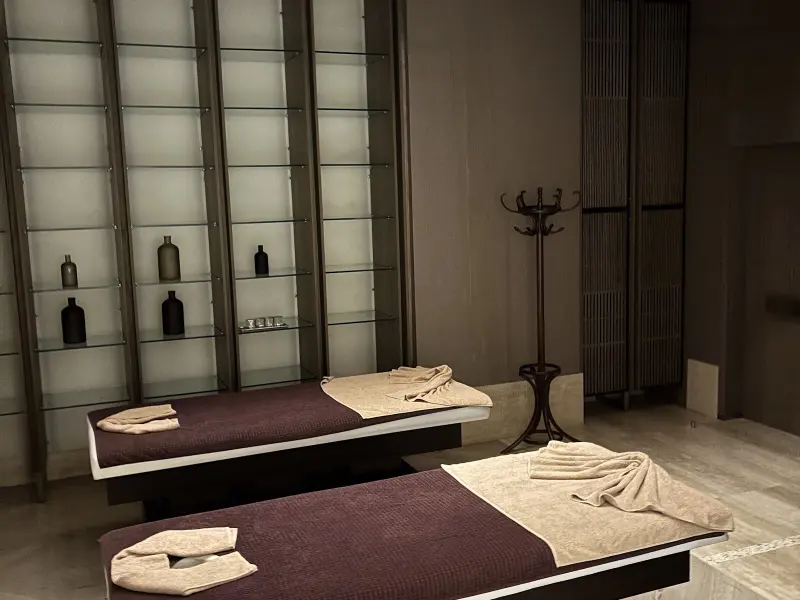
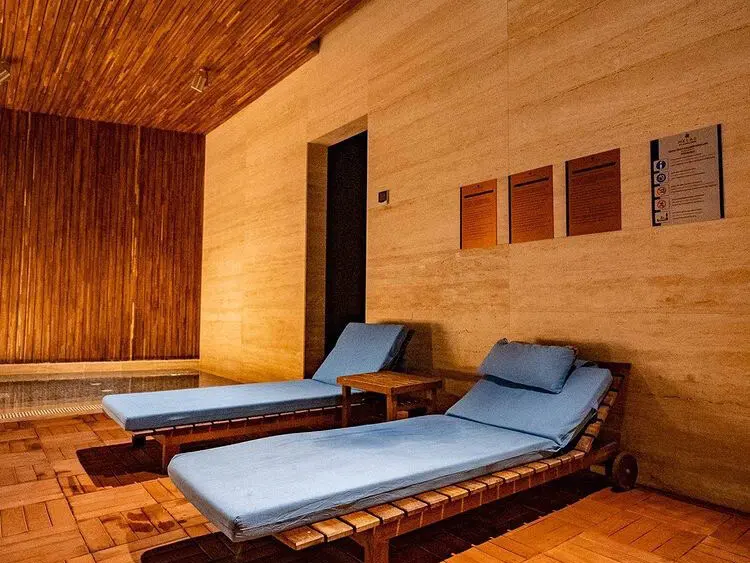
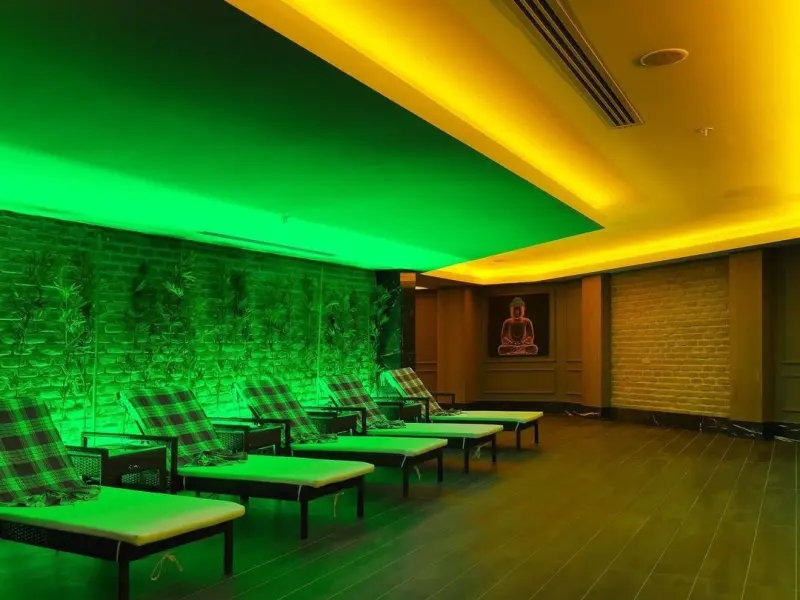
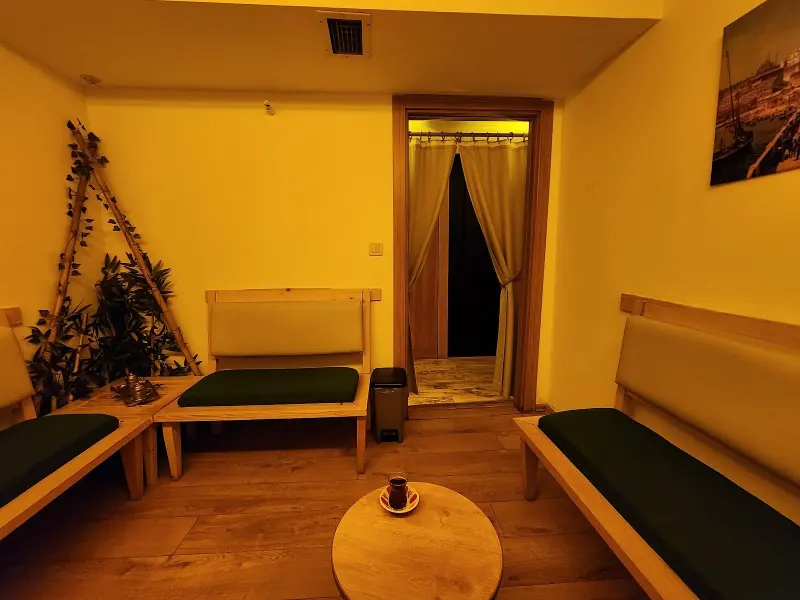
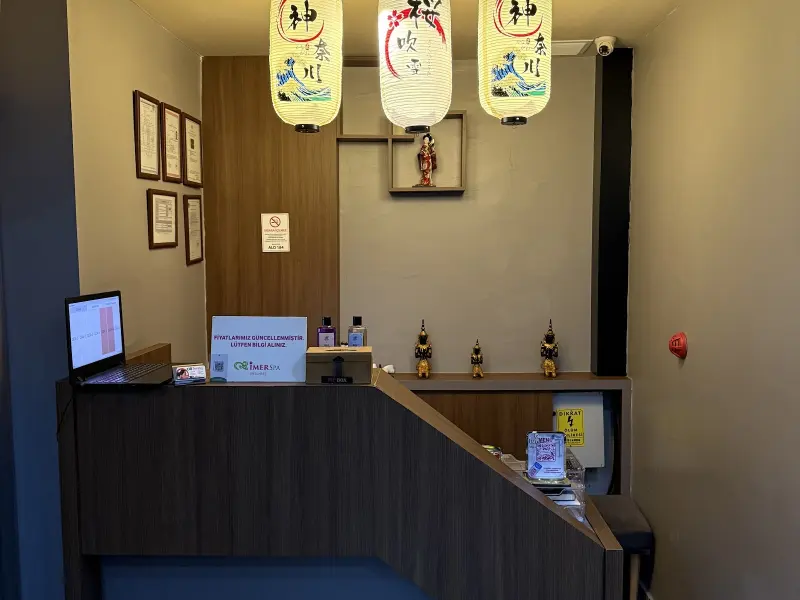
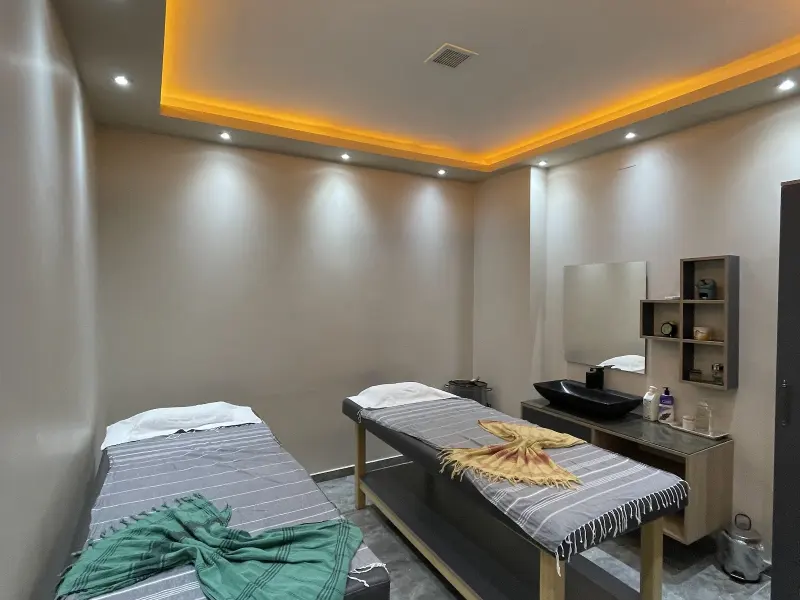
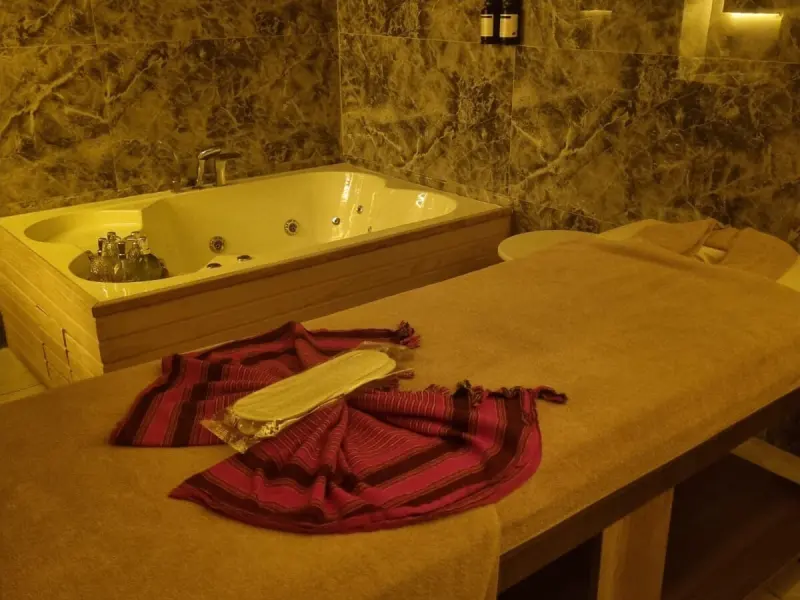
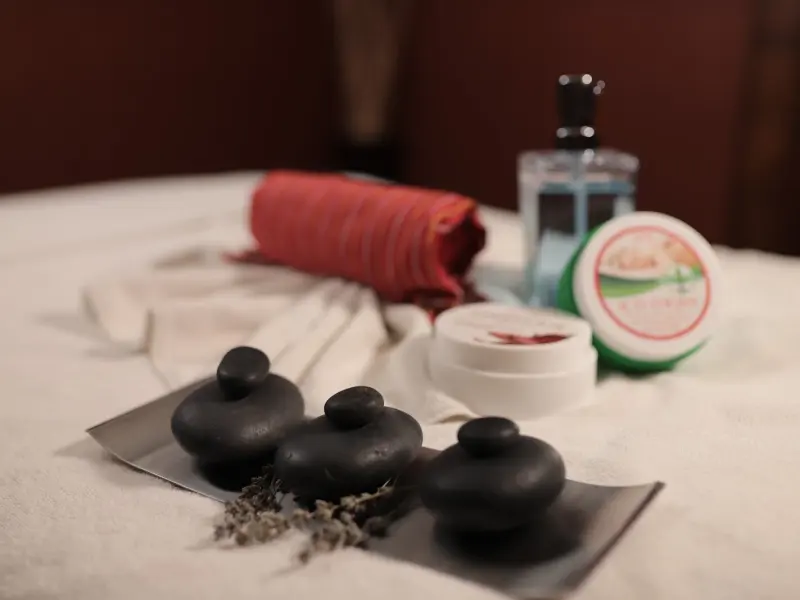
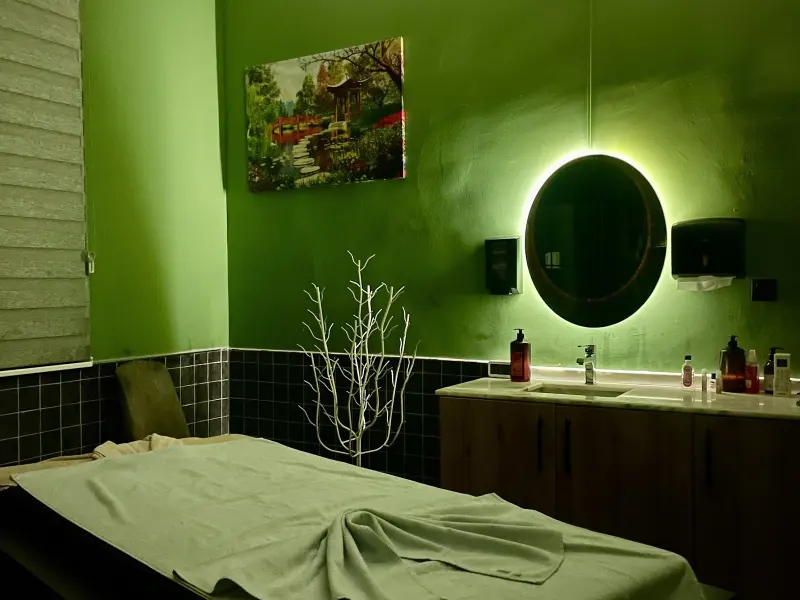
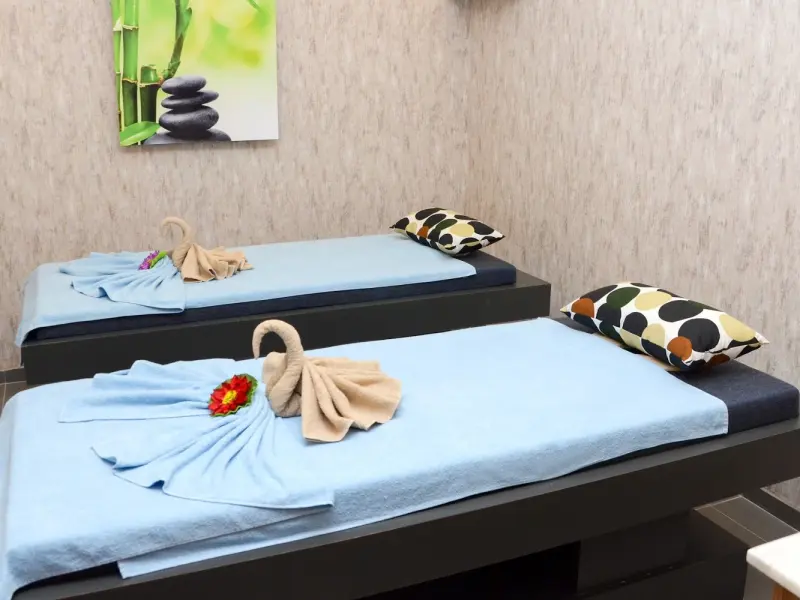
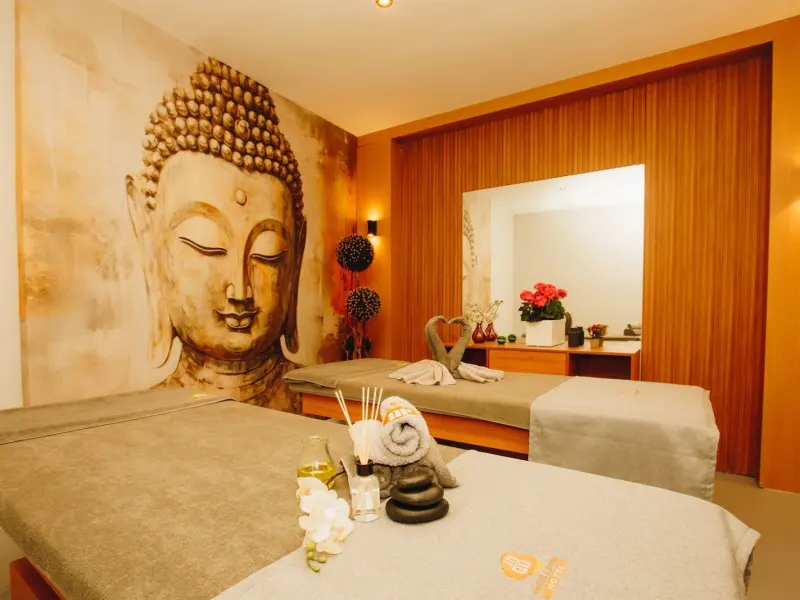
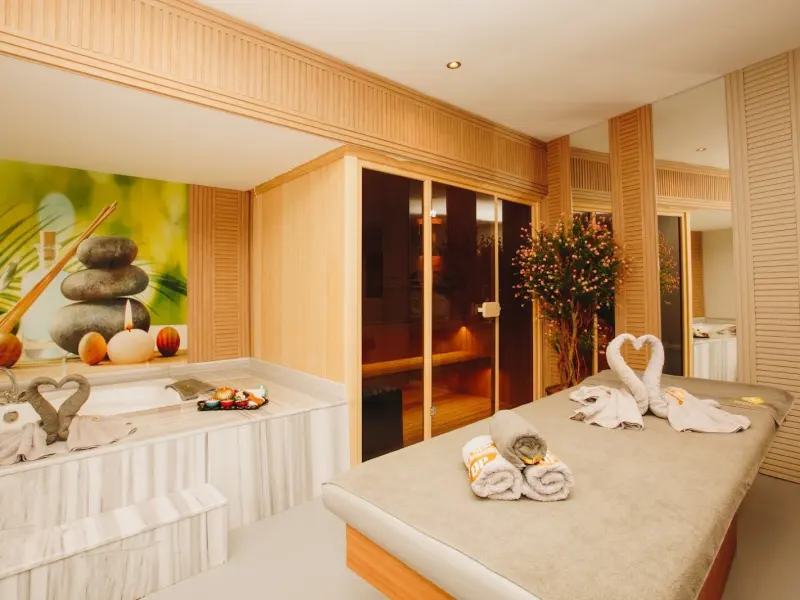
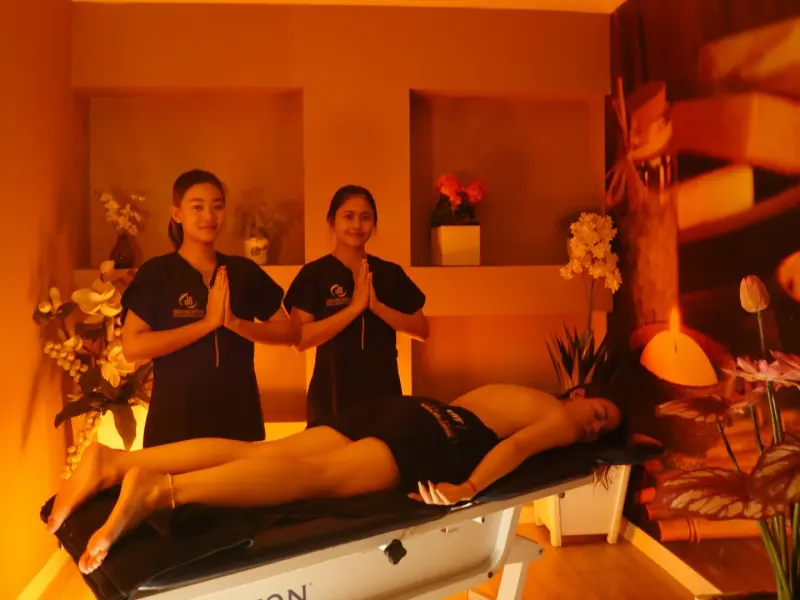
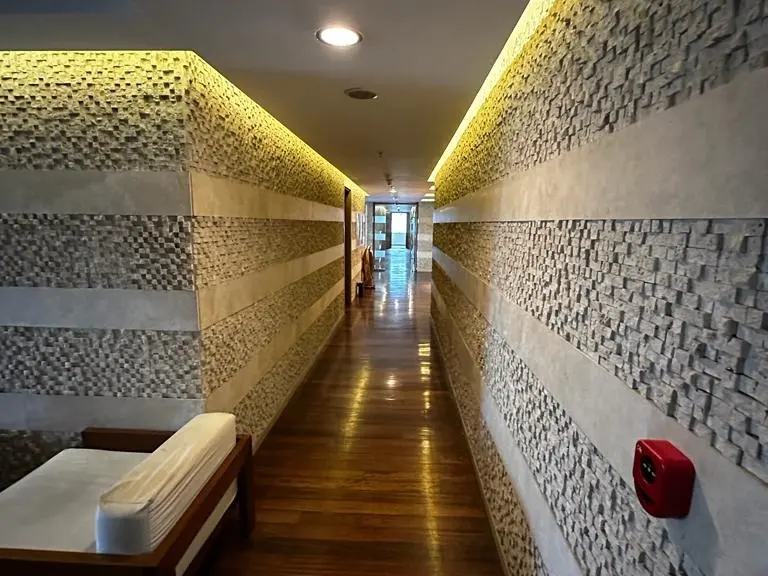
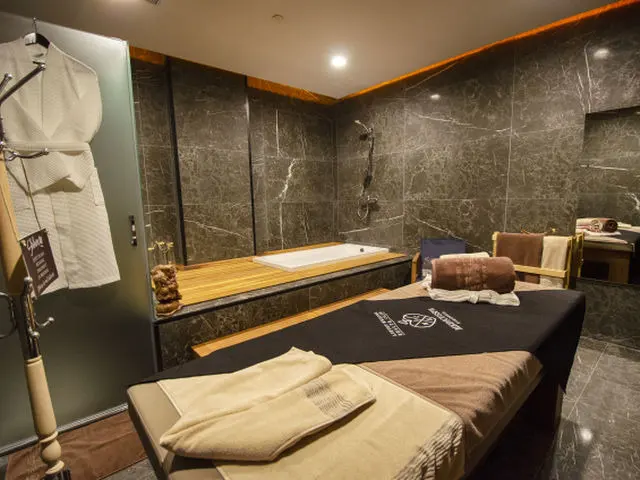
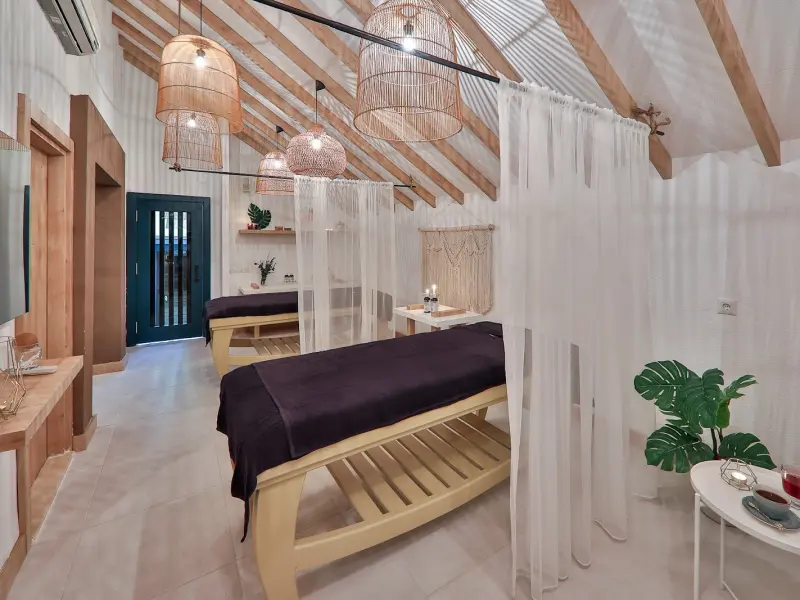
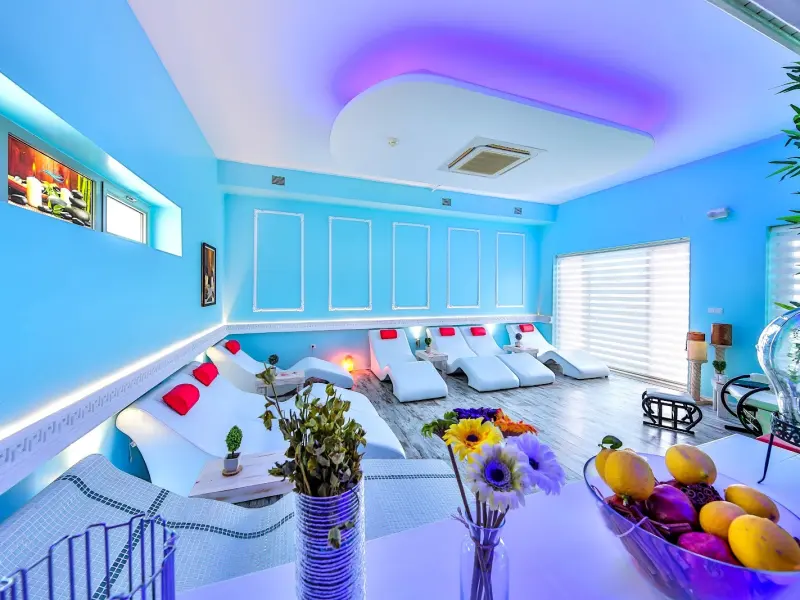
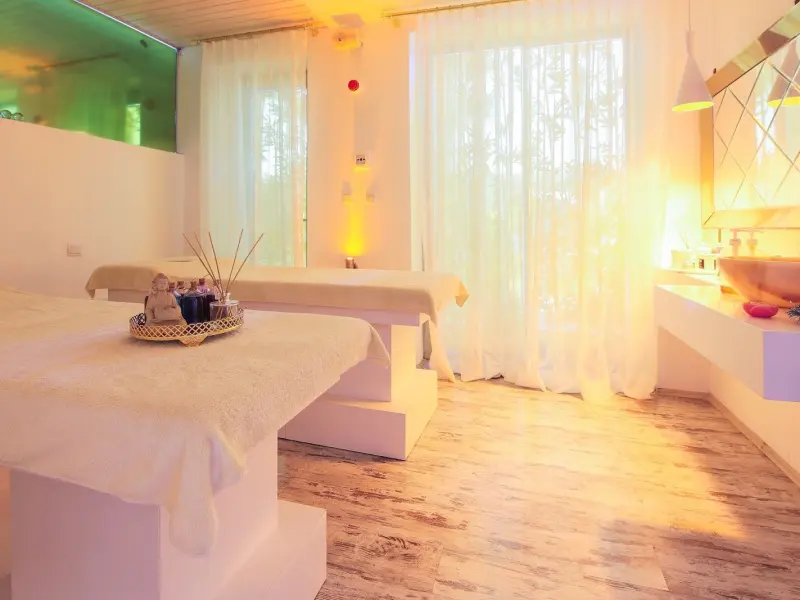
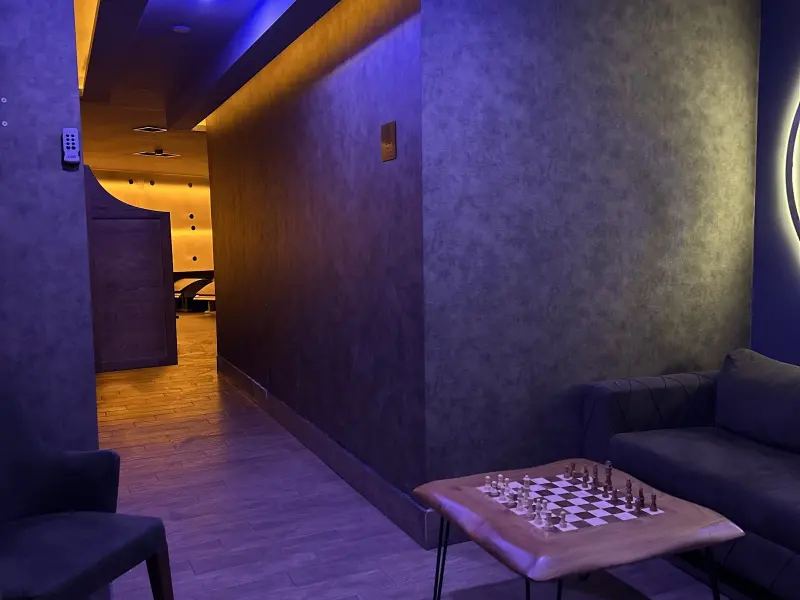
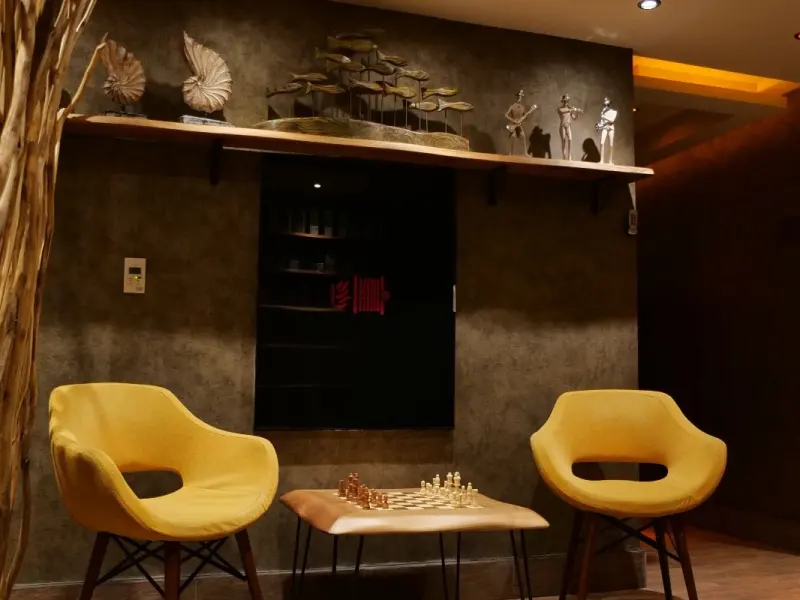
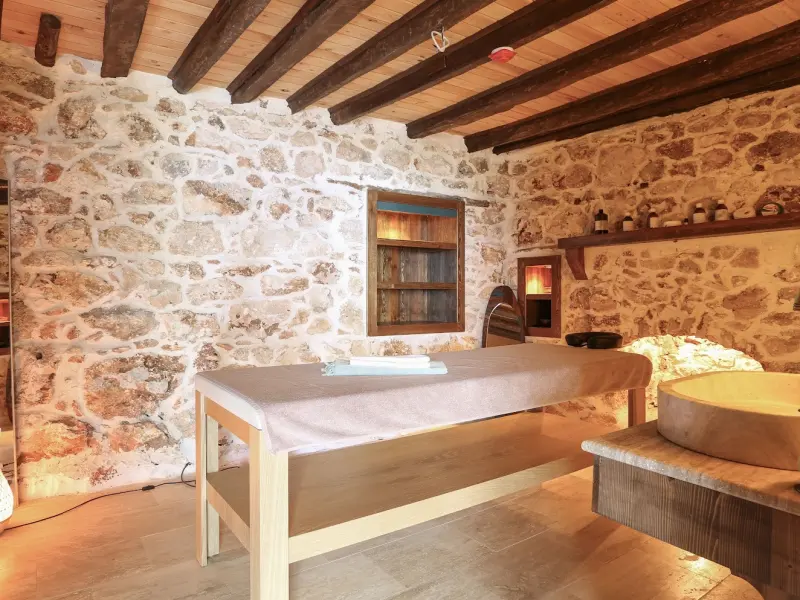
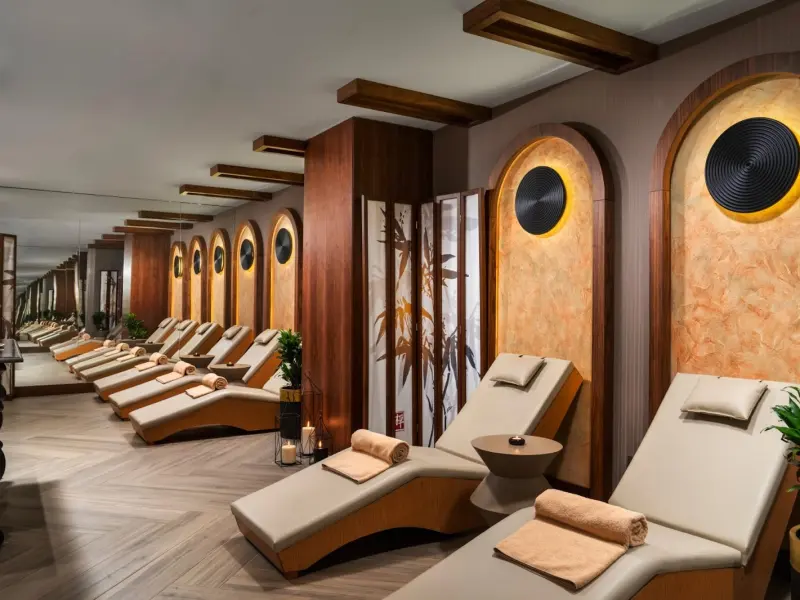
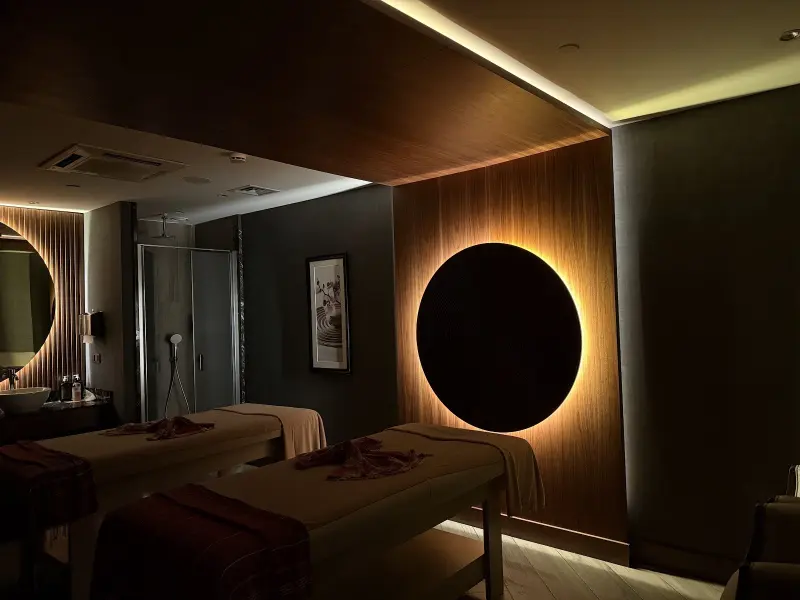
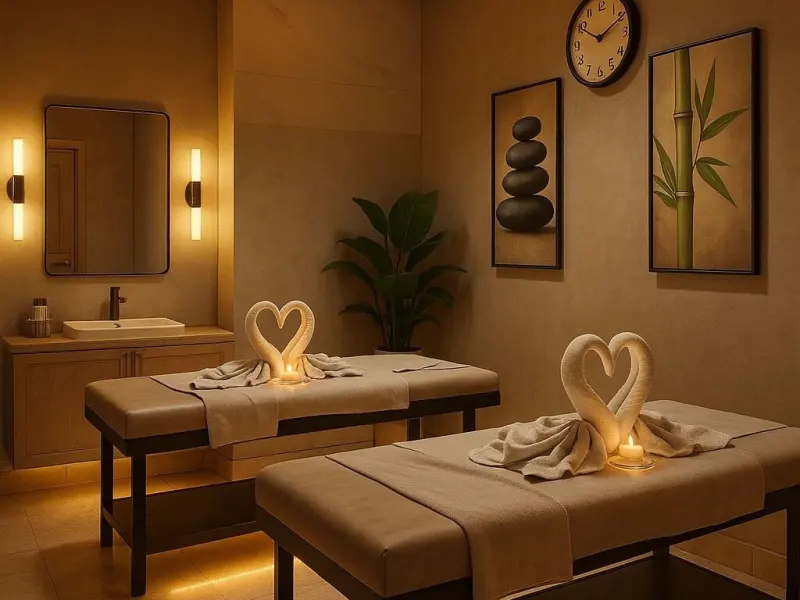
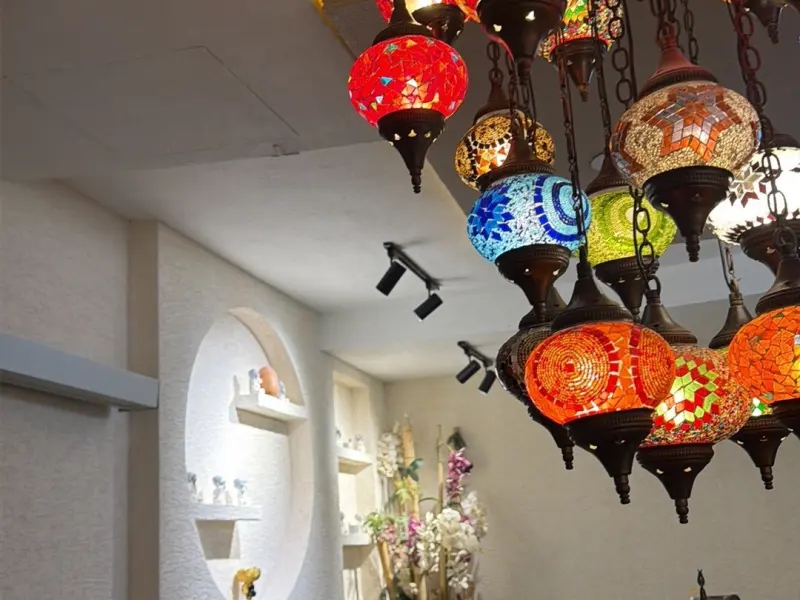
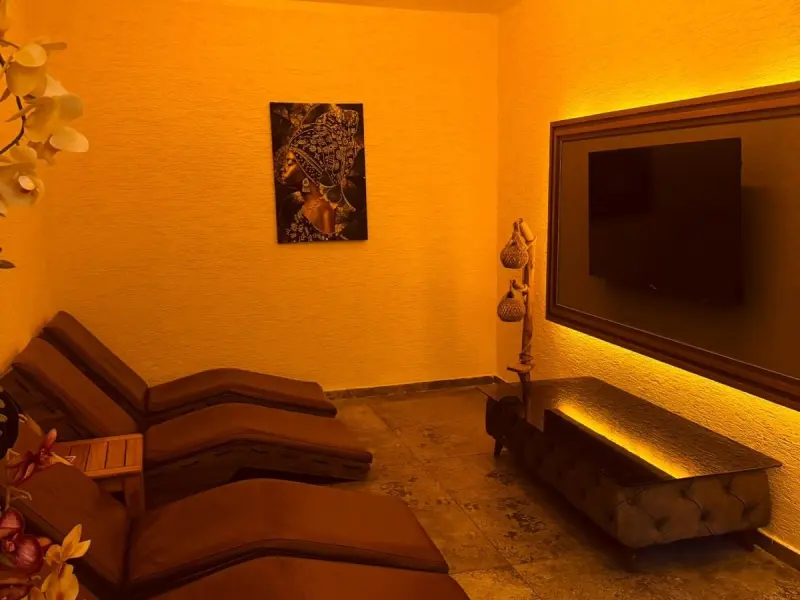
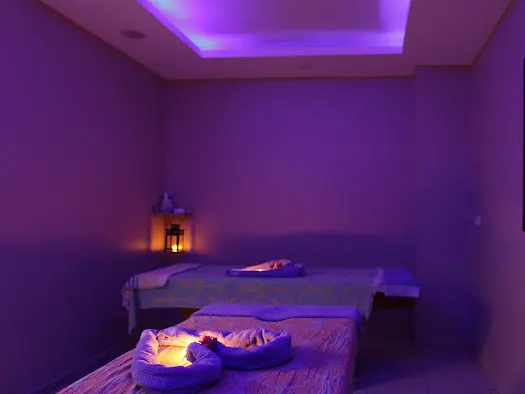
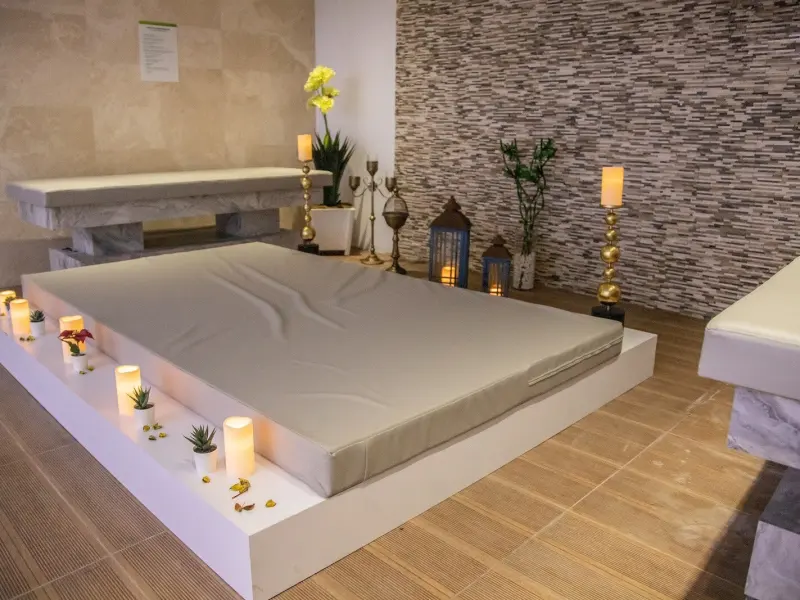
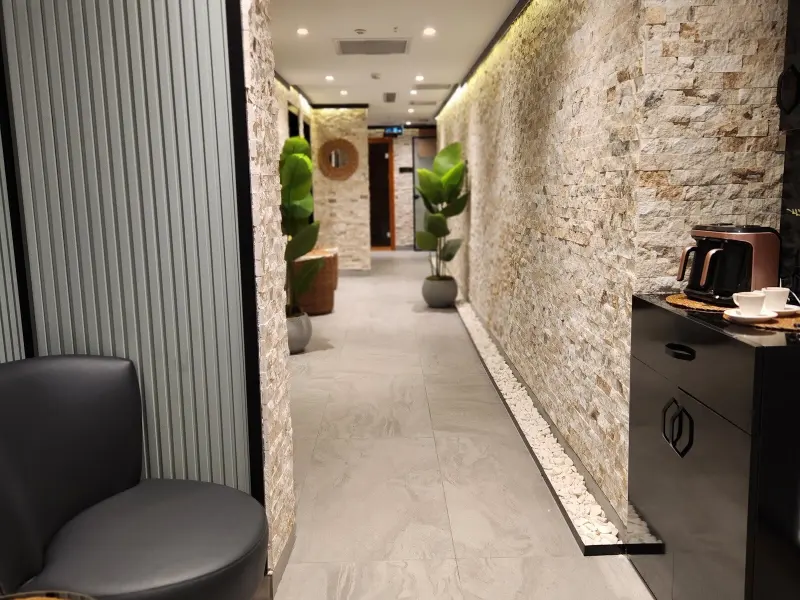
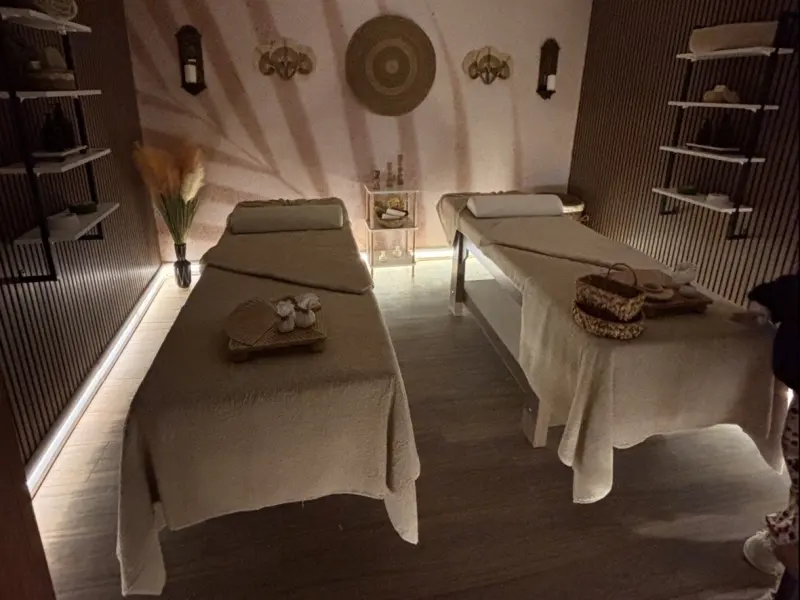
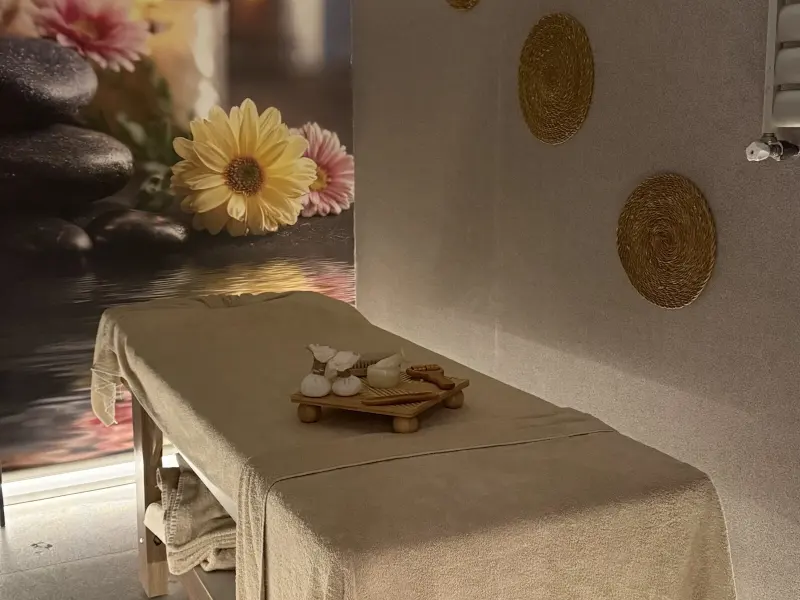
Dim lighting, calm music and a low-stimulus room are a functional part of the session, not decoration. The massage is often combined with aromatherapy; in that case soft scents such as lavender are preferred. If the room temperature, the volume of the music or the strength of the scent bothers you, you are expected to say so; even a small discomfort makes it harder to relax.
Duration and frequency
50-90 minutes is common for anti-stress massage. Because relaxation takes time to settle in, 60 minutes is the most popular length rather than shorter sessions. As it is a low-pressure treatment, no recovery time is needed between sessions; how often you have it depends on your needs and your schedule.
What to expect
Falling asleep during an anti-stress massage is normal, and the therapist sees it as an expected outcome. The massage may help reduce muscle tension and create a feeling of physical relaxation; the effect is mostly limited to the day of the session and does not remove the source of the stress. It can take a while for the mind to slow down in the first few minutes; focusing on the therapist's rhythm and on your breathing makes this transition easier. Any grogginess after the session soon passes.
What you can do before the session
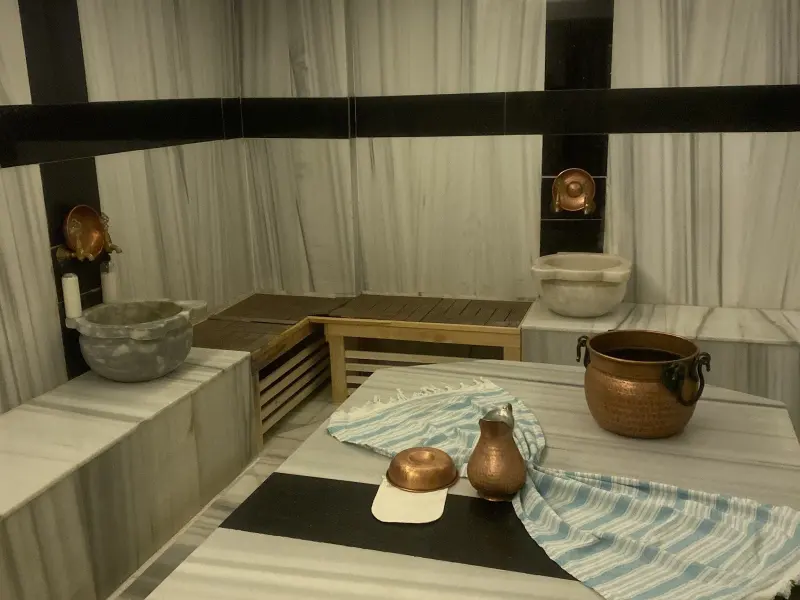
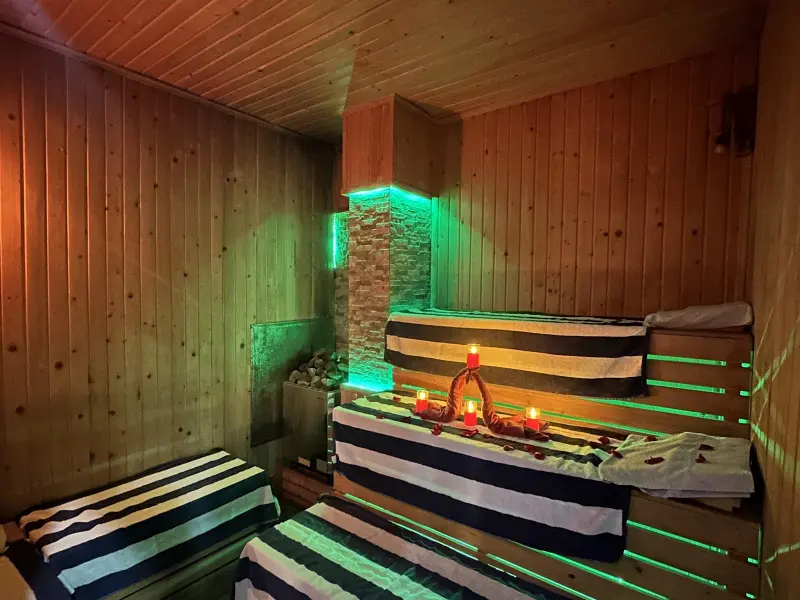
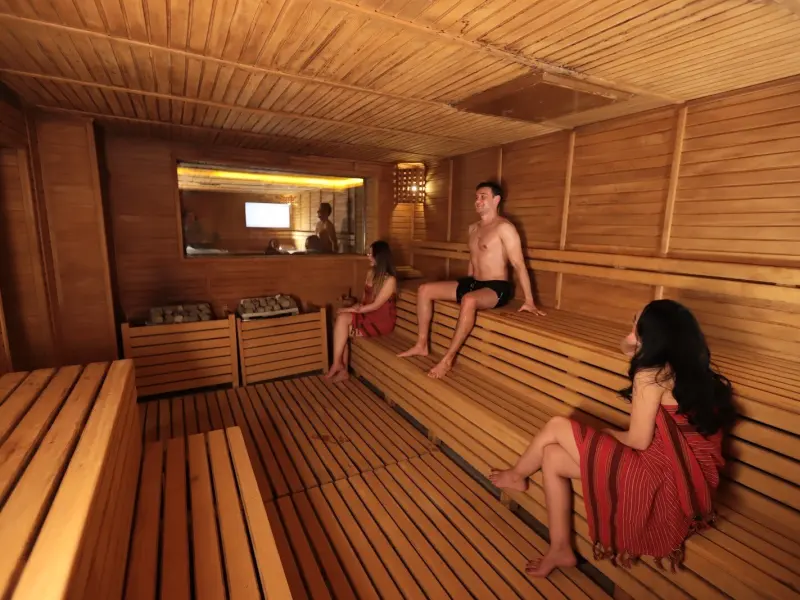
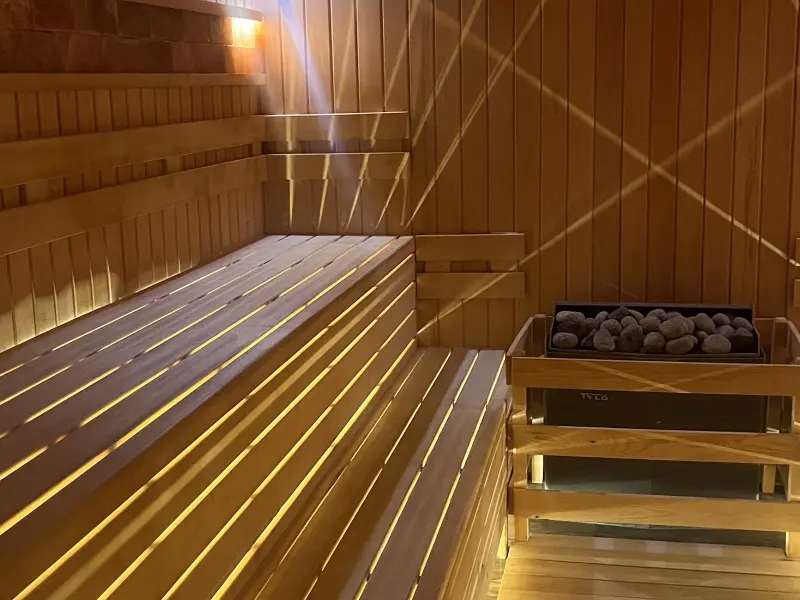
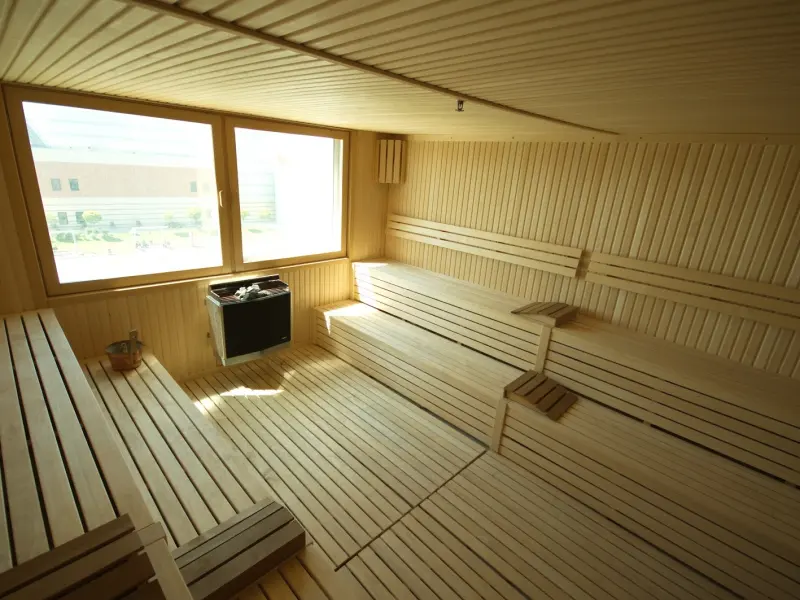
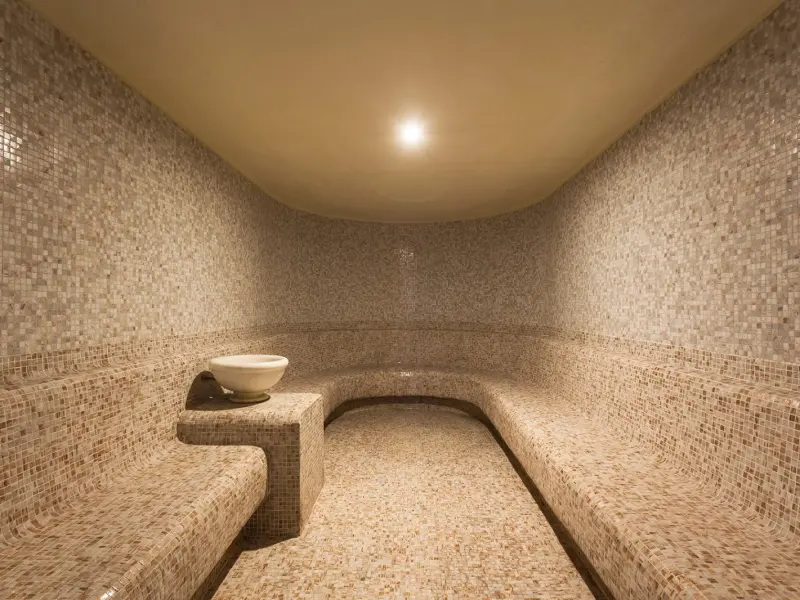
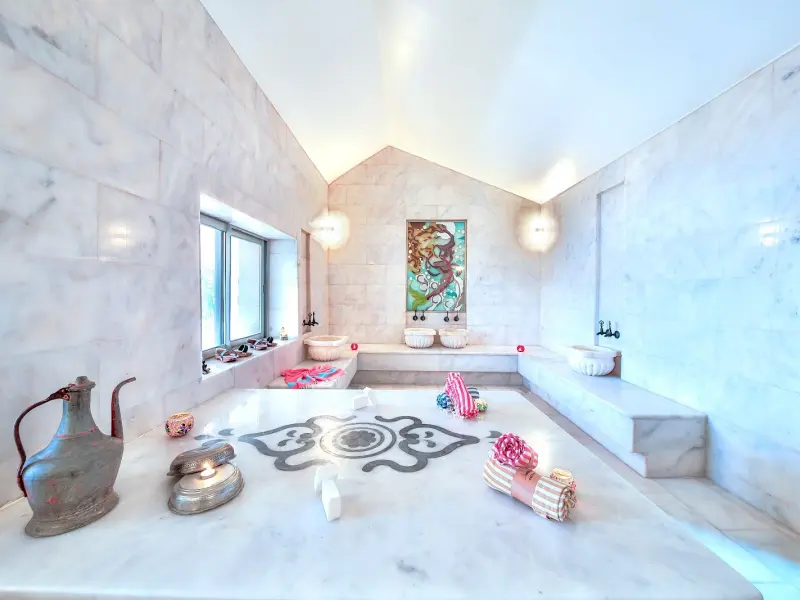
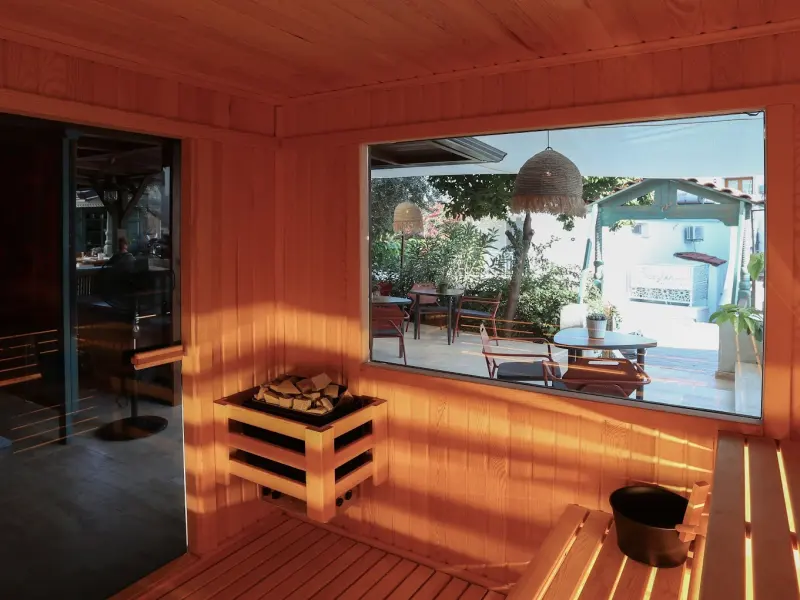
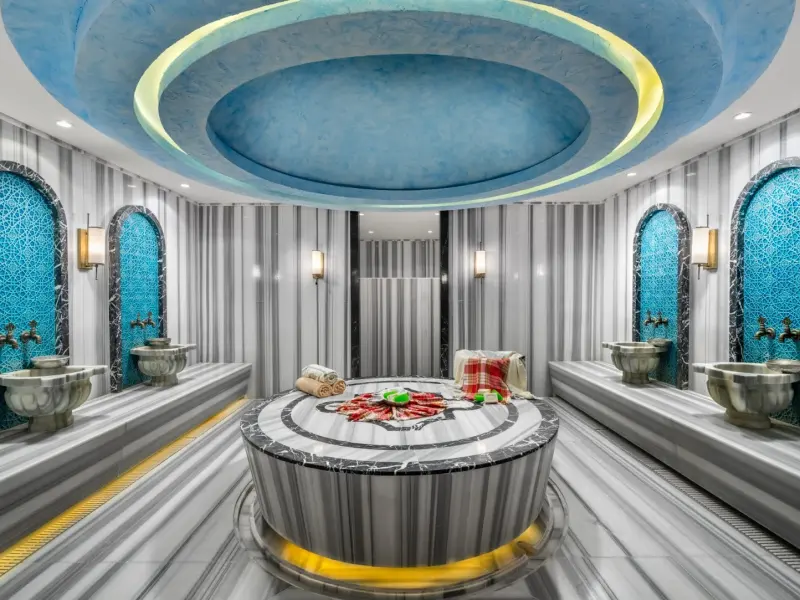
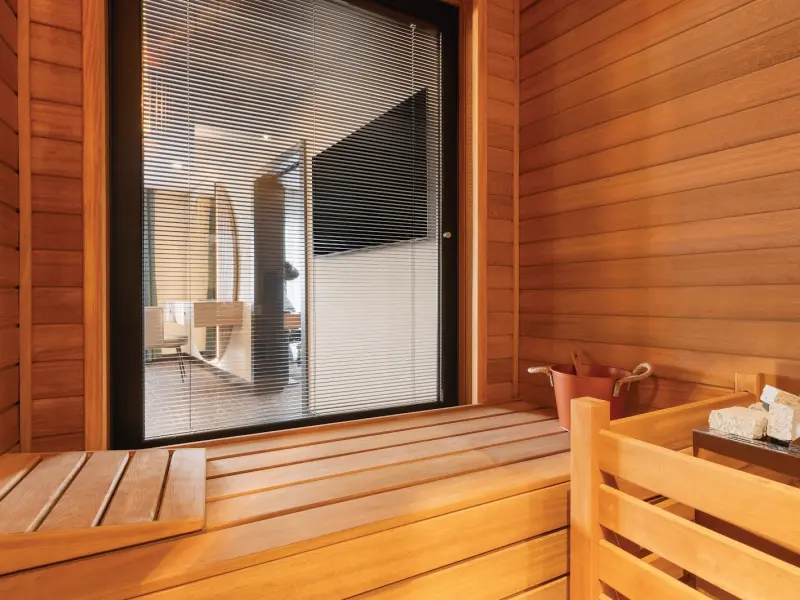
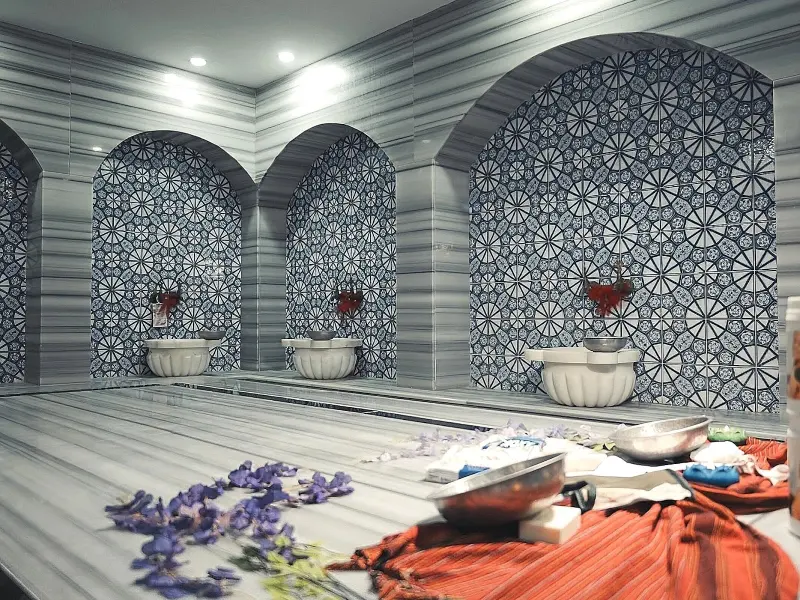
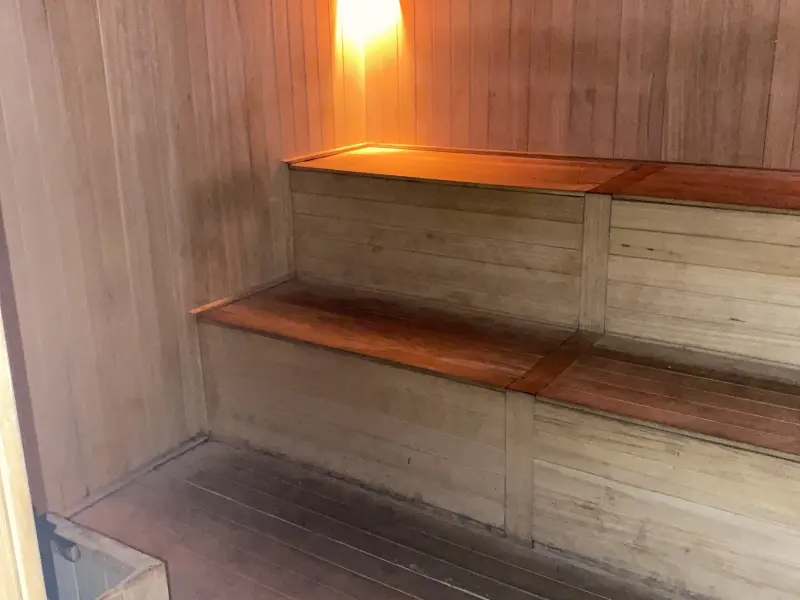
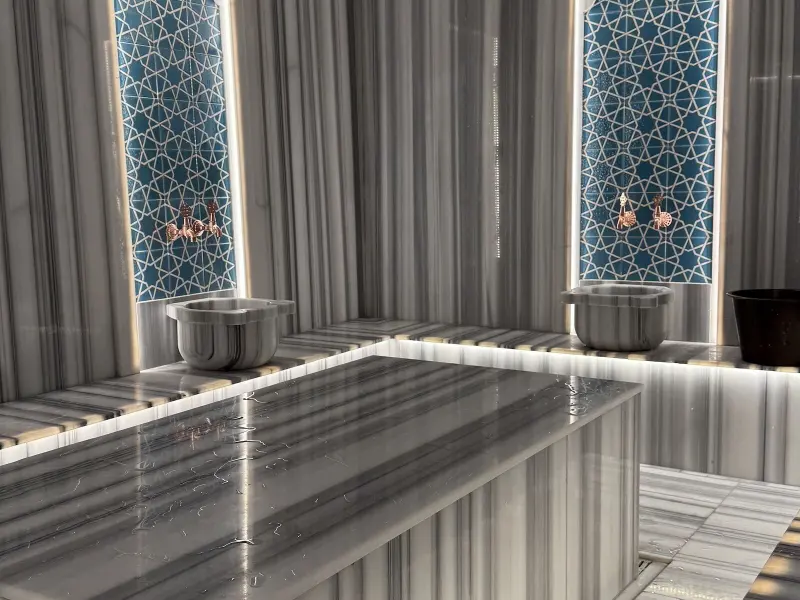
How much you get out of an anti-stress massage depends largely on the state in which you arrive for the session. Being at the venue 10-15 minutes before your appointment time saves you from rushing onto the table. Not eating a heavy meal right before the session and cutting down on caffeinated drinks make it more comfortable to lie face down. Switching off your phone or leaving it in safekeeping stops your attention wandering during the session. If the venue has a sauna or steam room, a short warm-up before the massage helps soften the muscles; a long, intense heat session, on the other hand, may leave you tired rather than relaxed.
Who it suits and who should take care
Anti-stress massage is chosen by people with a demanding work pace, anxiety, disrupted sleep and mental fatigue. It suits those who are uncomfortable with deep pressure, people trying massage for the first time and older guests. Chronic pain patients who cannot tolerate firm pressure may also choose this gentle massage after consulting their doctor.
Because the pressure is low, the list of contraindications is short, but the session is postponed if there is a feverish illness, an active skin infection or an open wound. A history of deep vein thrombosis, uncontrolled blood pressure and ongoing cancer treatment require a doctor's approval. In pregnancy, lying face down is not suitable, so a pregnancy massage adapted to this period should be chosen. Anti-stress massage is a relaxation treatment; it does not replace treatment for diagnosed anxiety or depression.
How it differs from Swedish, aromatherapy and deep tissue massage
If the target is a specific muscle knot or chronic pain, deep tissue massage or a medical massage planned after an assessment is the better choice. If you are looking for a short session that focuses only on the head and shoulders, a head, neck and shoulder massage is also an option.
Price and questions to ask before booking
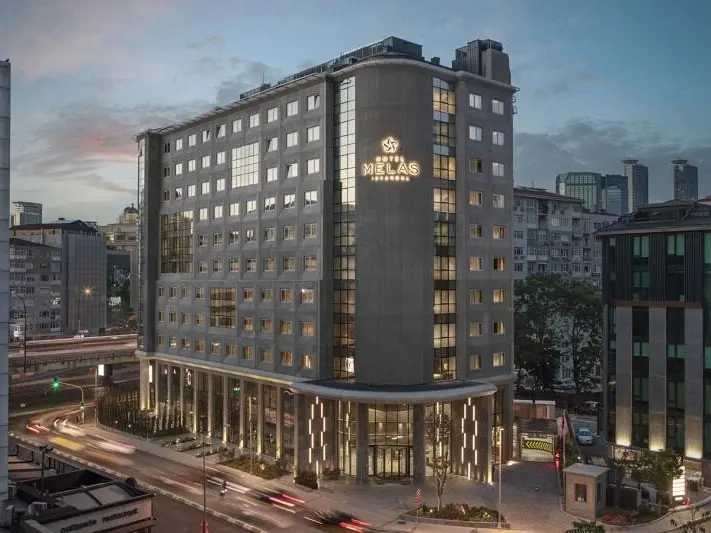
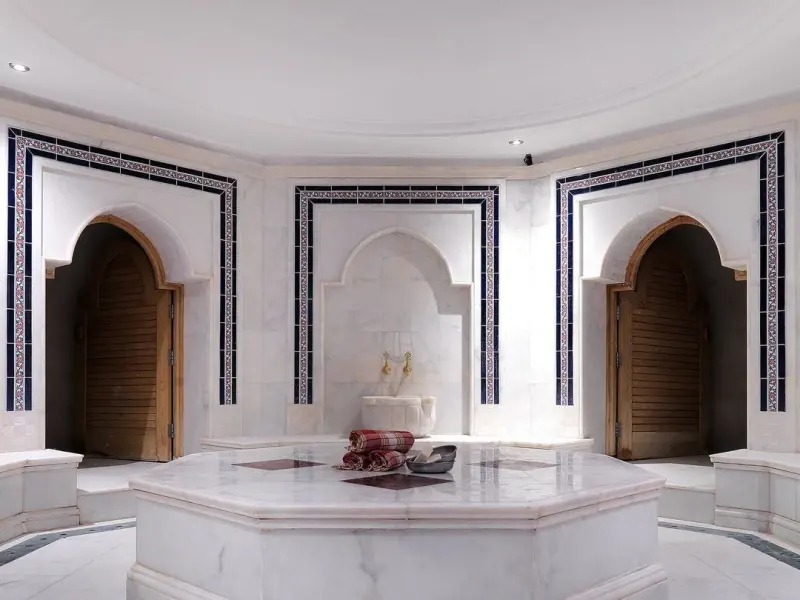
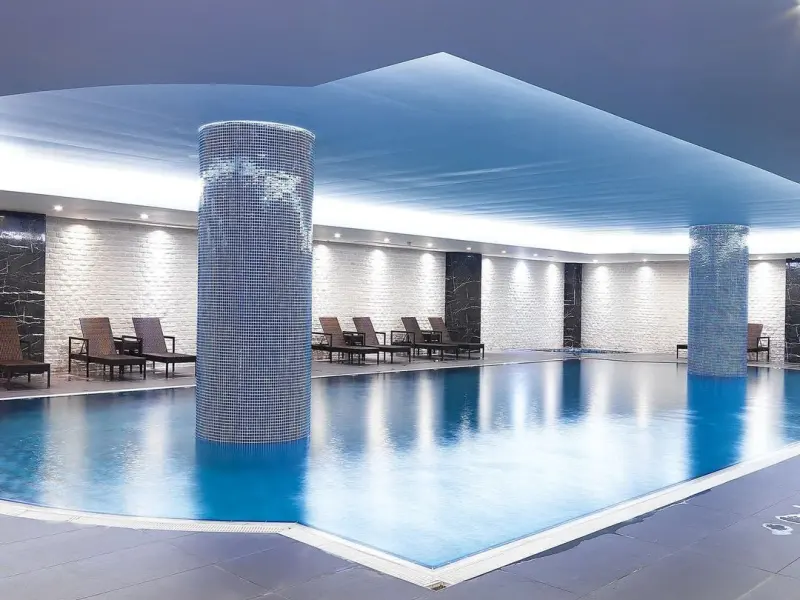
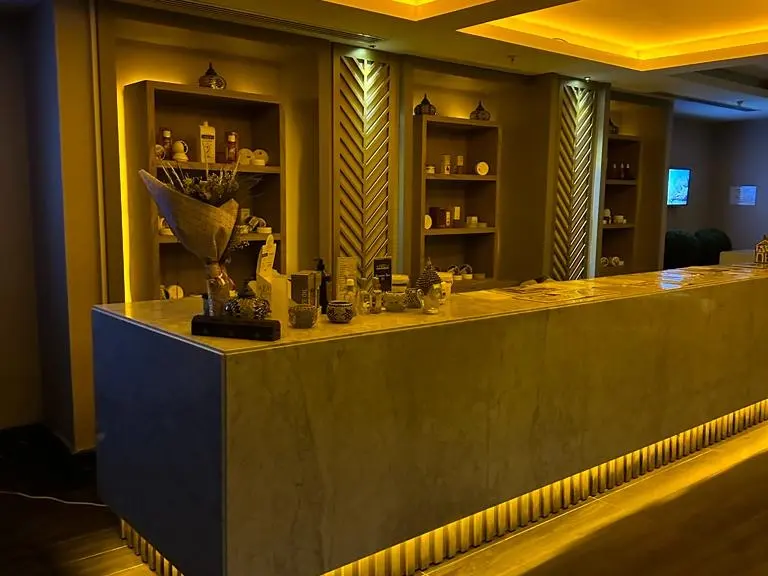
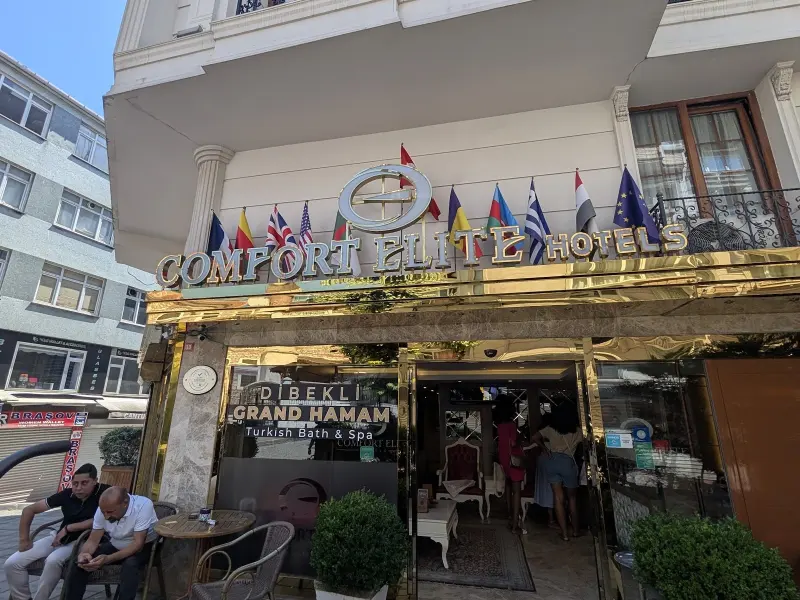
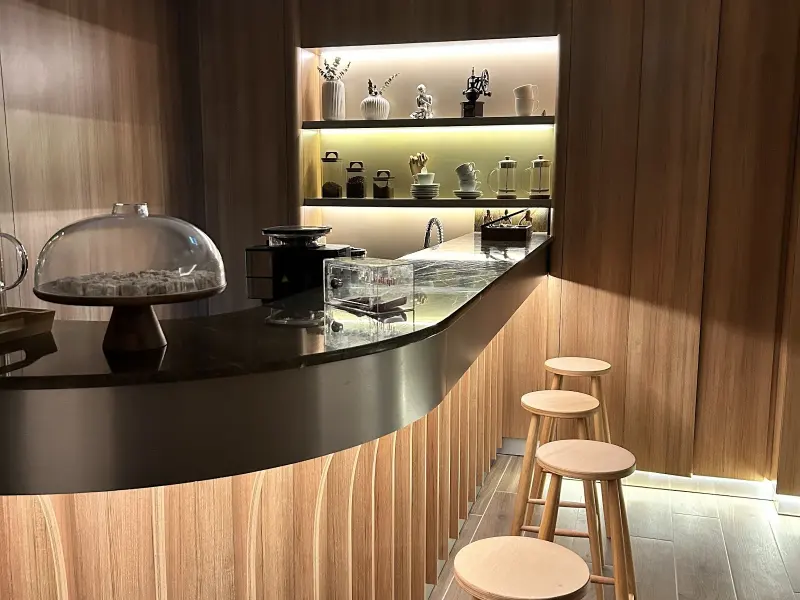
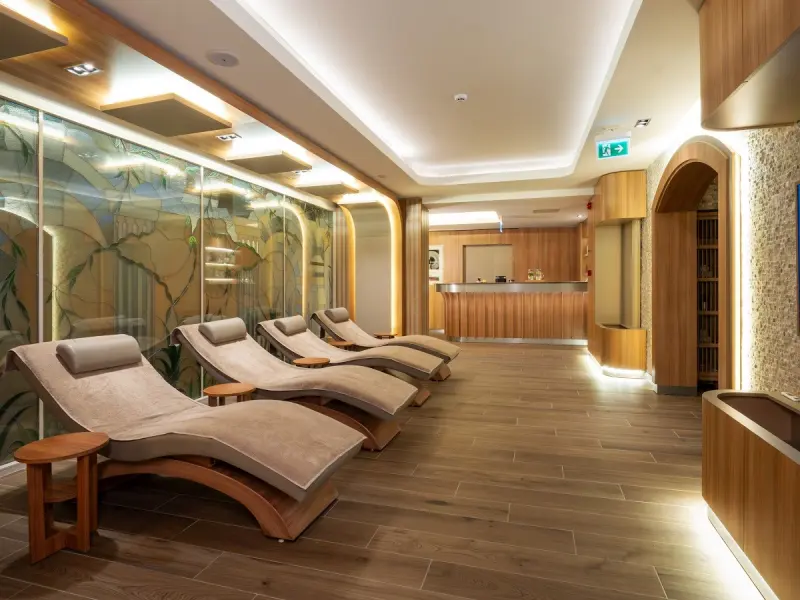
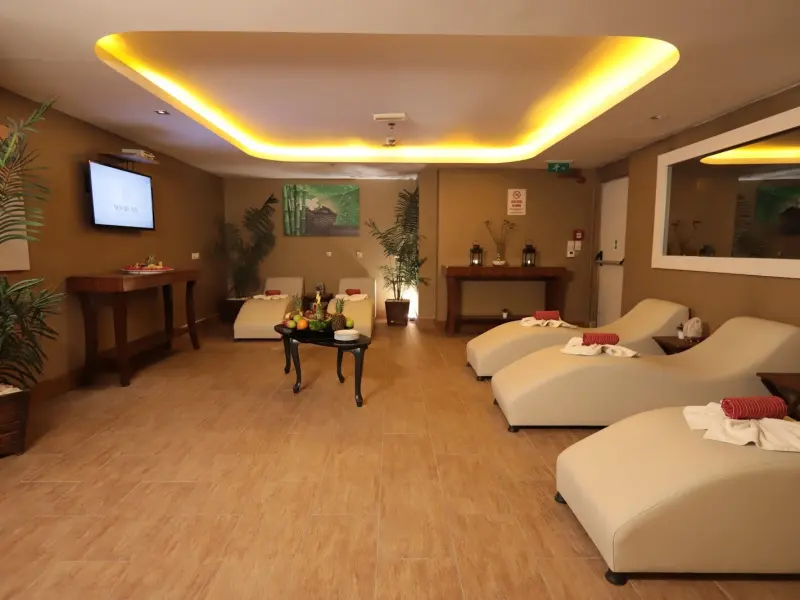
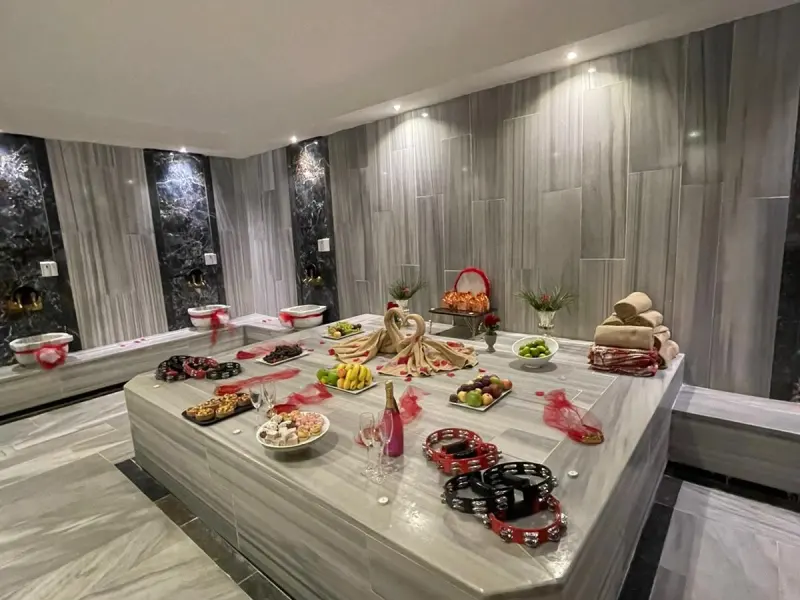
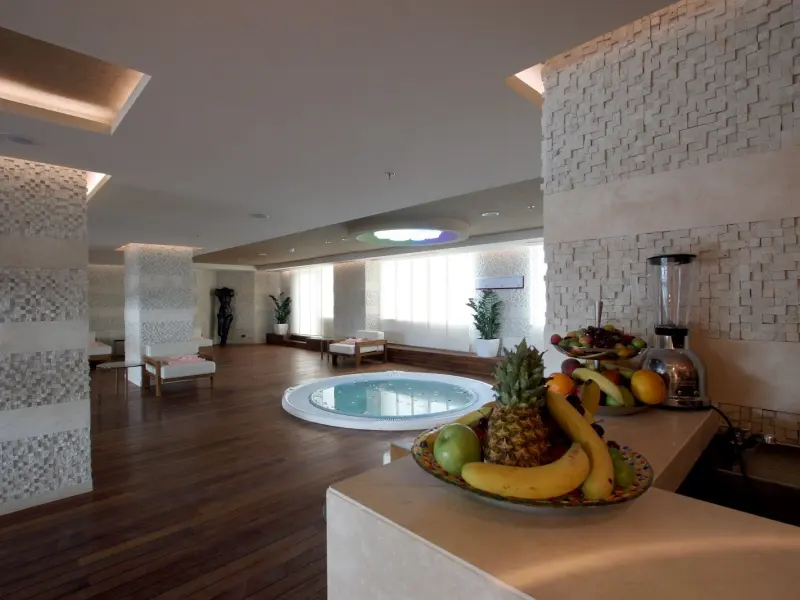
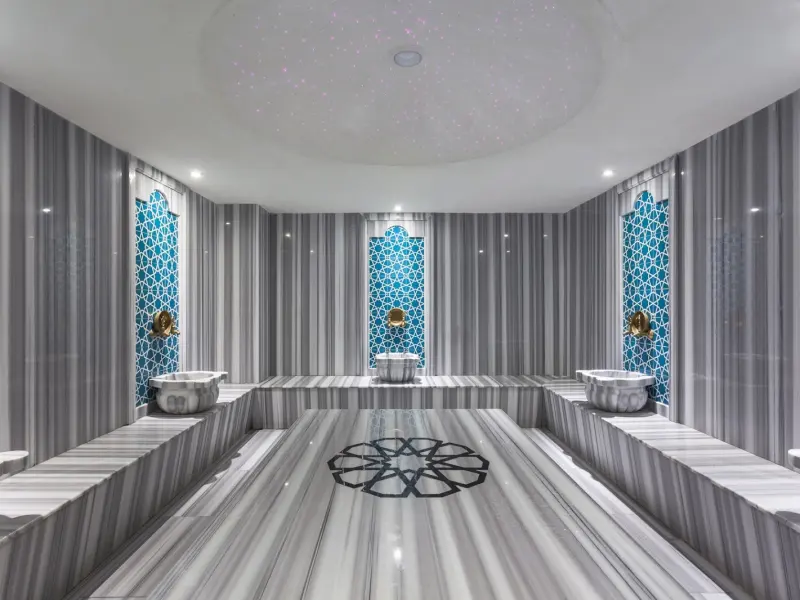
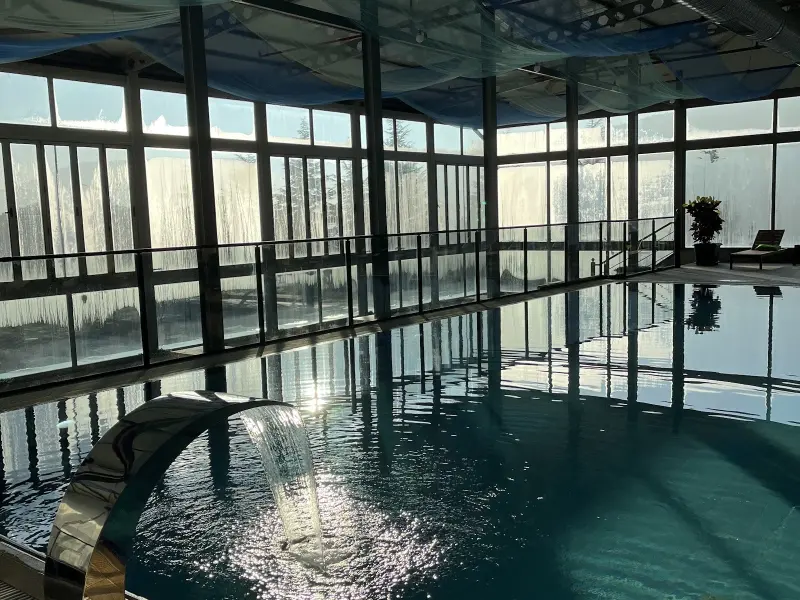
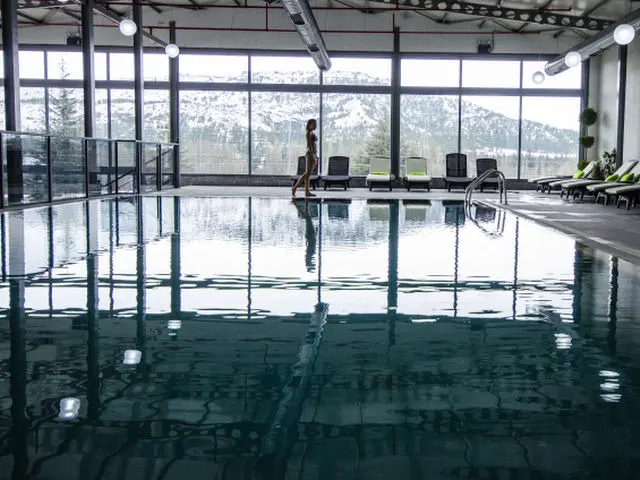
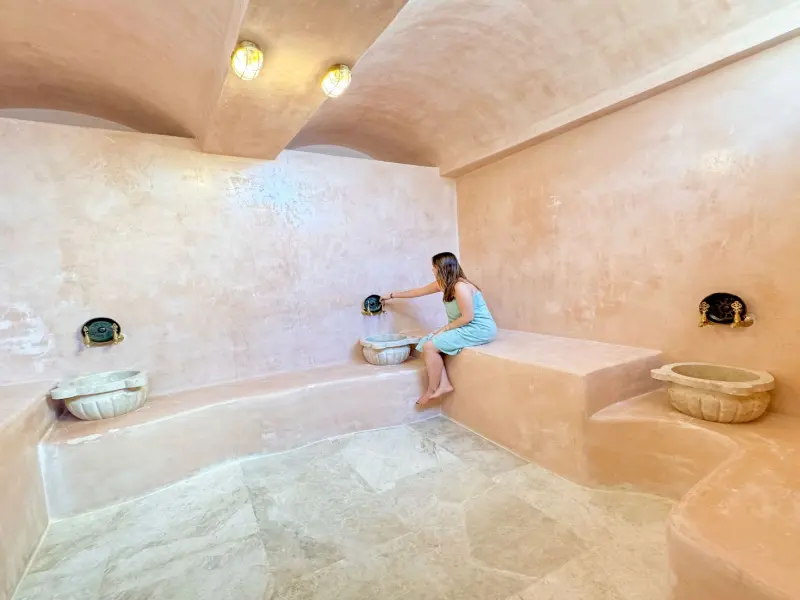
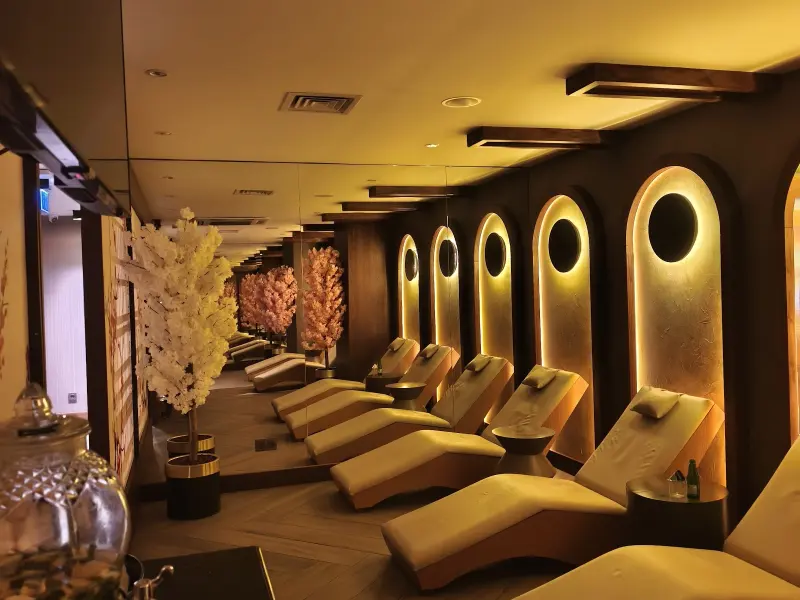
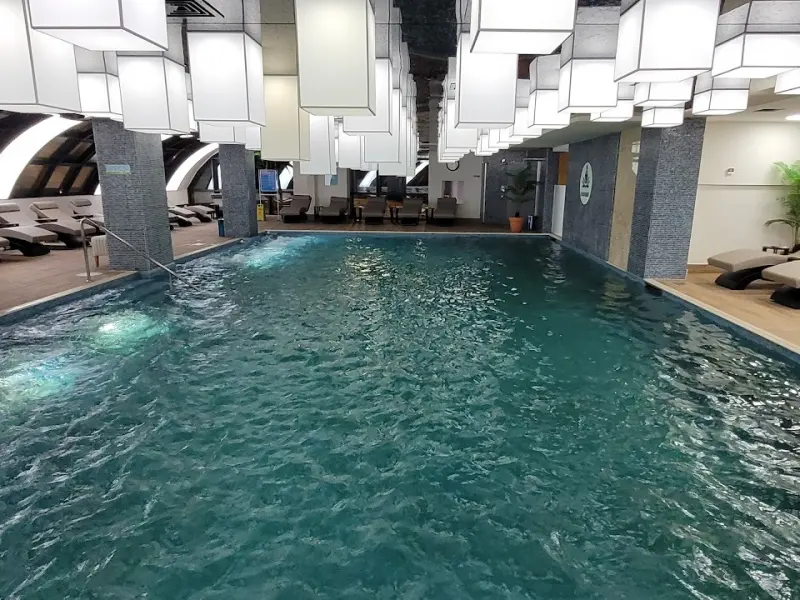
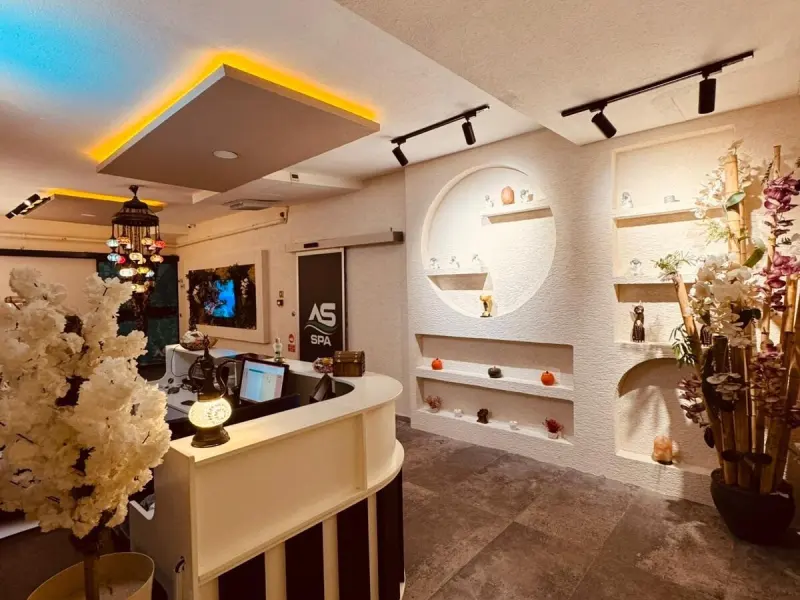
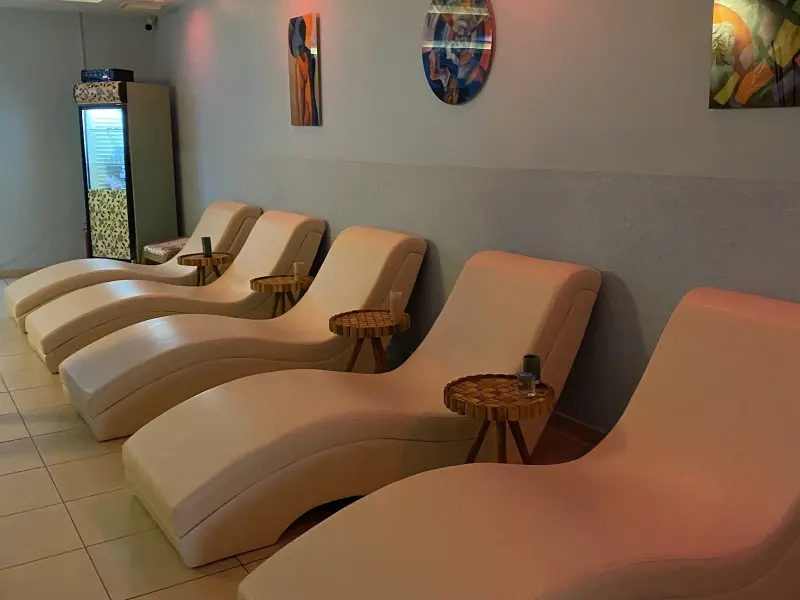
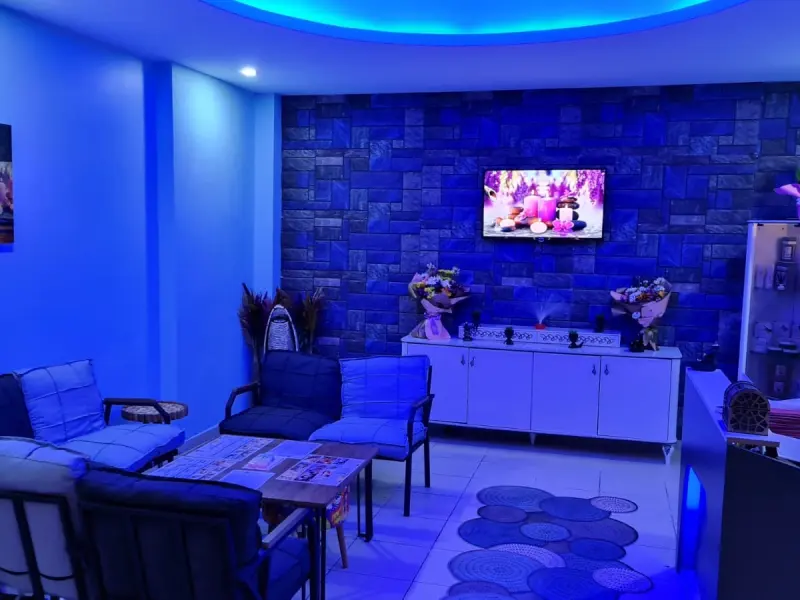
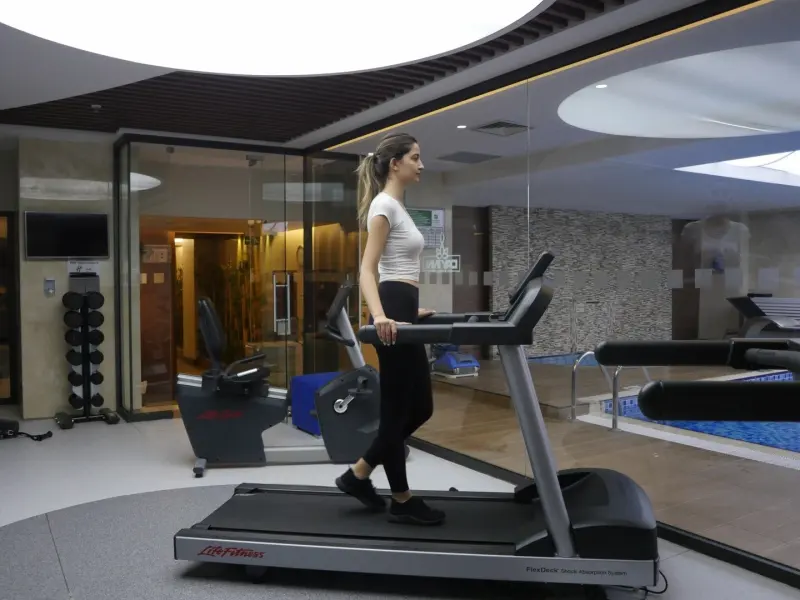
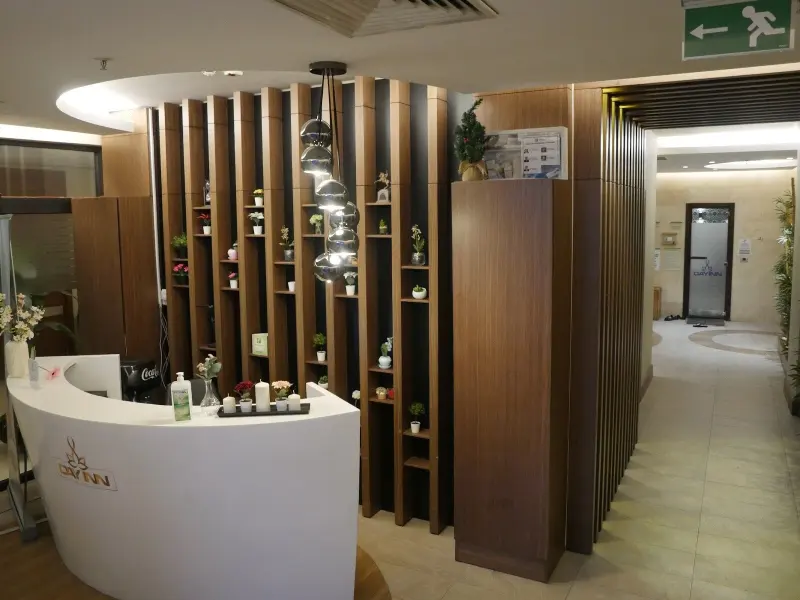
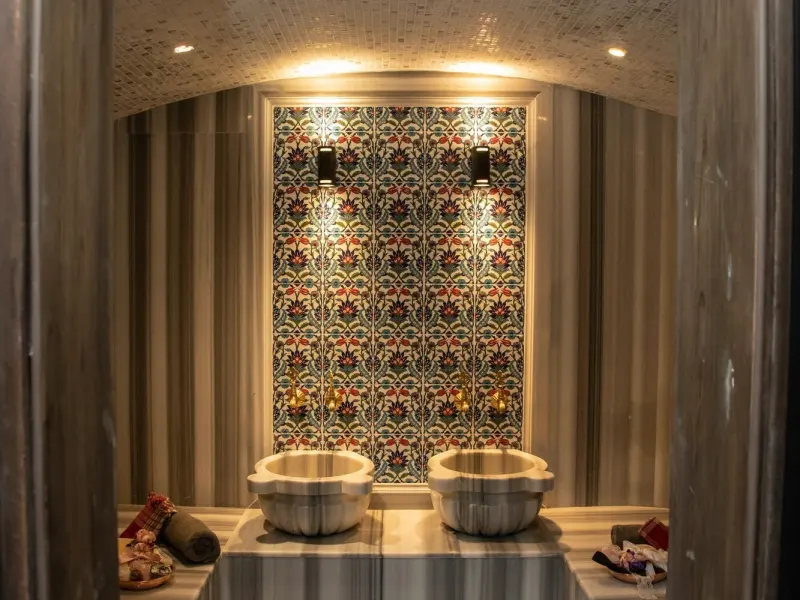
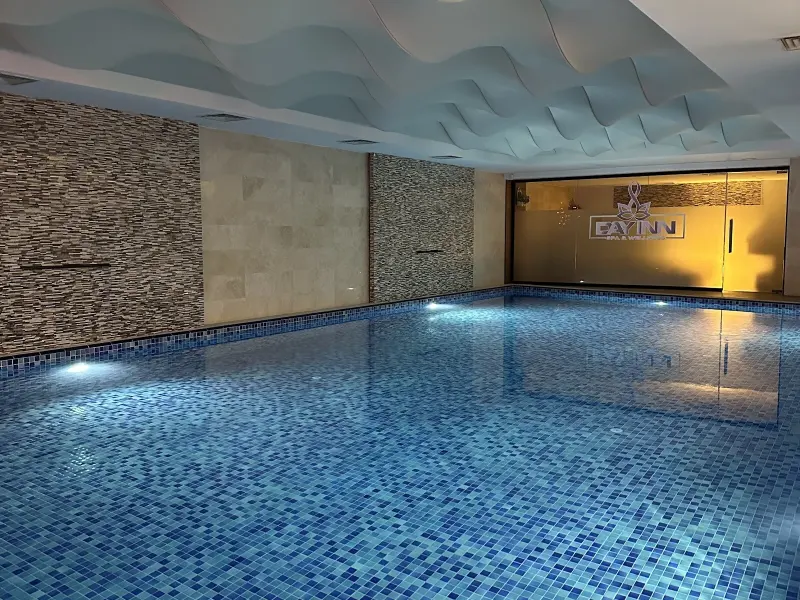
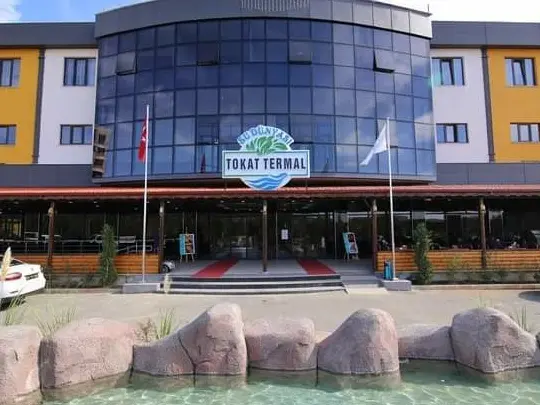
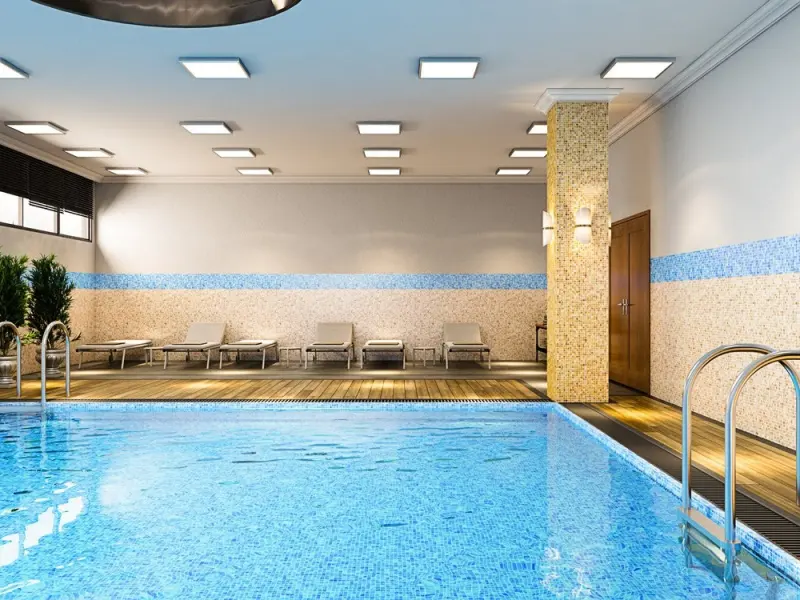
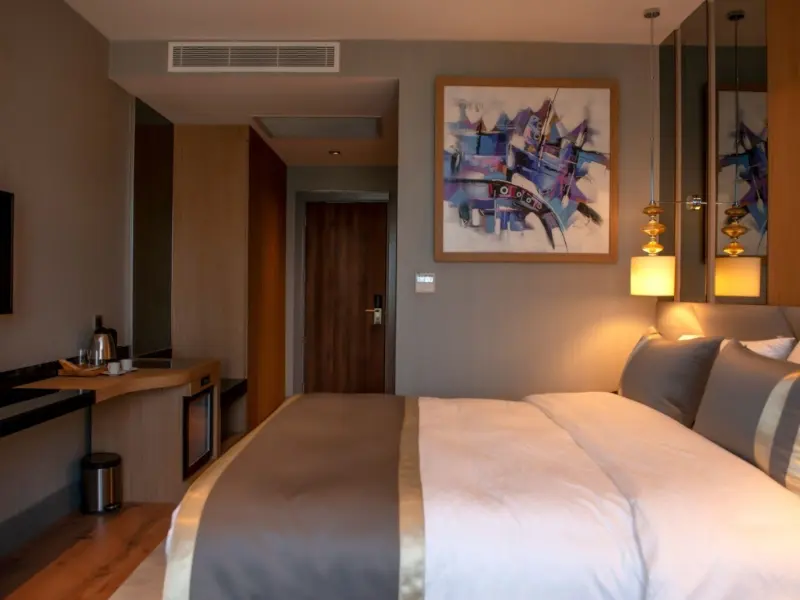
The price of an anti-stress massage varies with the session length, the type of venue, add-ons such as aromatherapy and whether use of the hammam, sauna or pool is included; the factors that determine the price are explained in detail in the guide to massage and spa prices. Most of the venues listed on this page are hotel spas that also accept day visitors; the conditions for using the relaxation area or the wet areas after the massage vary from venue to venue. When booking, ask:
- Does the session cover the whole body, or does it focus on the back, neck and head?
- Is scented oil used; is there an unscented option?
- Is the stated duration the actual massage time?
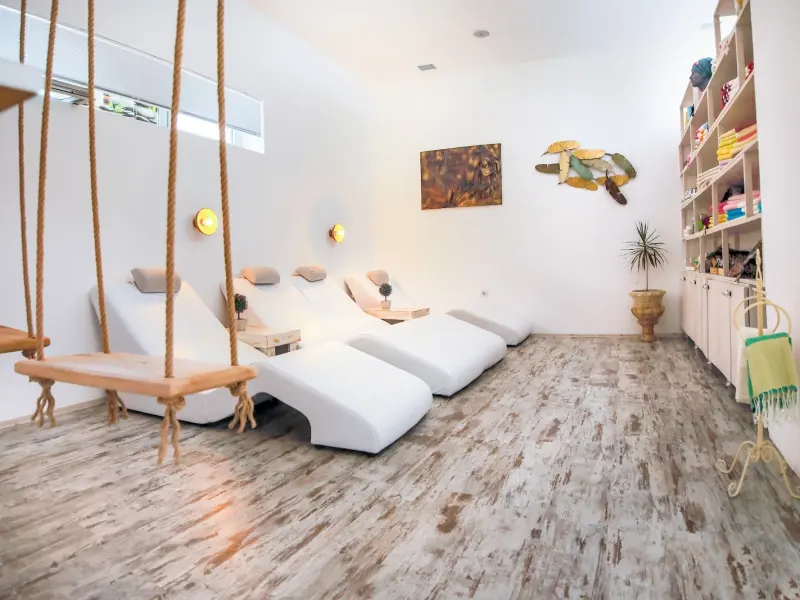
- Can the relaxation area and sauna be used before or after the massage?