Closed · opens today at 08:00 Mixed
Mixed
Turkish BathTraditional Hammam Ritual +1
36 venues found
Closed · opens today at 08:00 Mixed
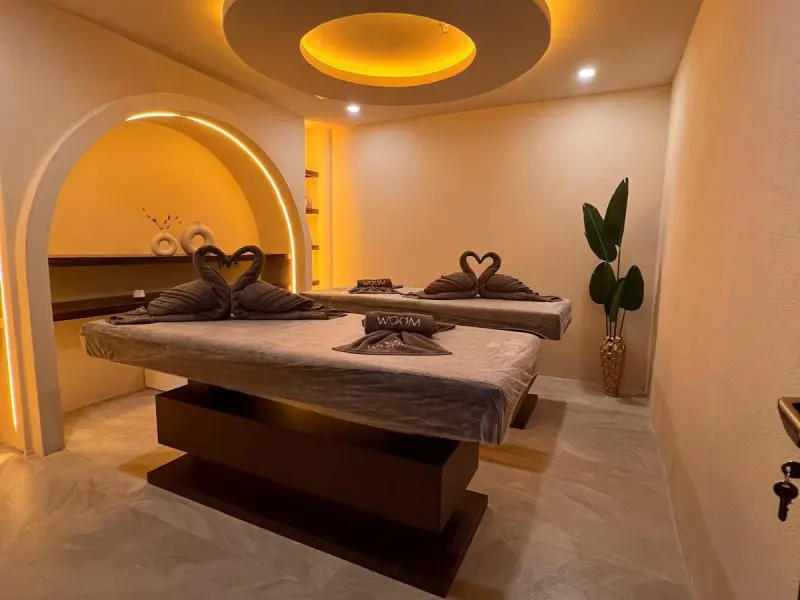
Closed · opens today at 10:00 Women
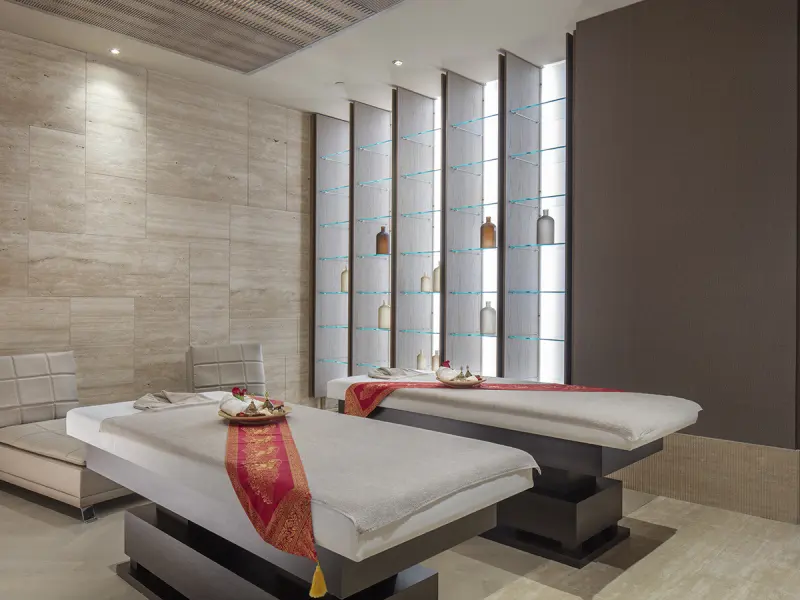
Closed · opens today at 07:00 Mixed
from₺1,250 · ≈ €23
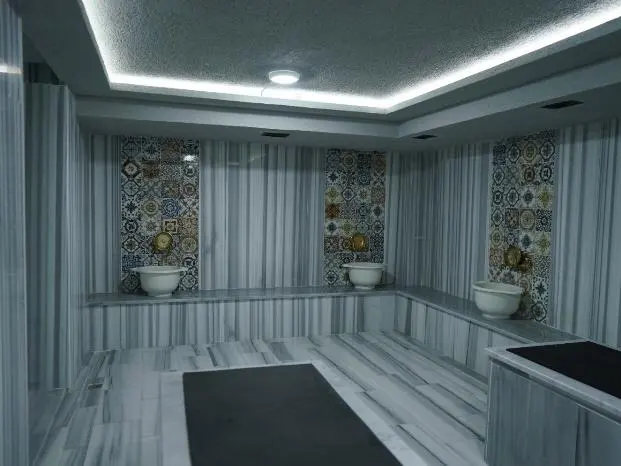
Closed · opens today at 11:00
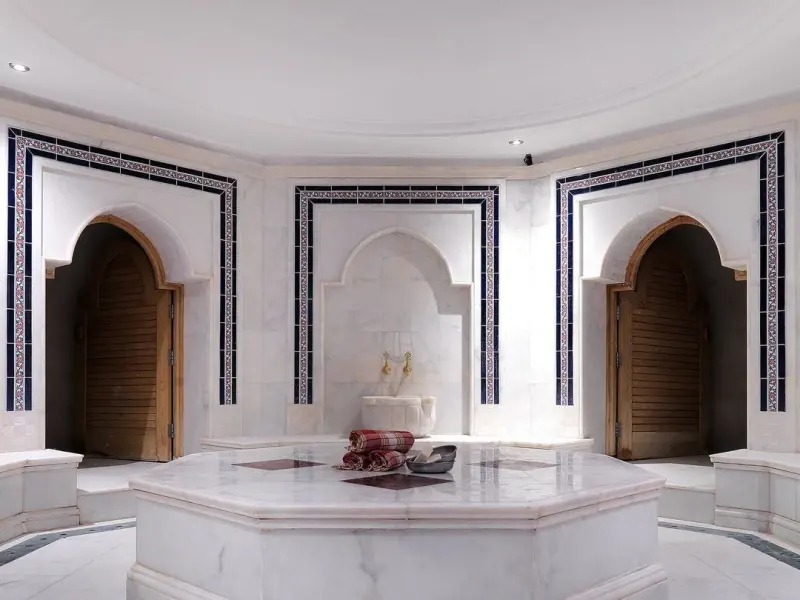
Closed · opens today at 09:00
Closed · opens today at 07:30
Closed · opens today at 10:00
Closed · opens today at 08:00
Closed · opens today at 10:30
Closed · opens today at 10:00 Mixed
Closed · opens today at 13:00
Closed · opens today at 10:00
Separate sections

Separate sections
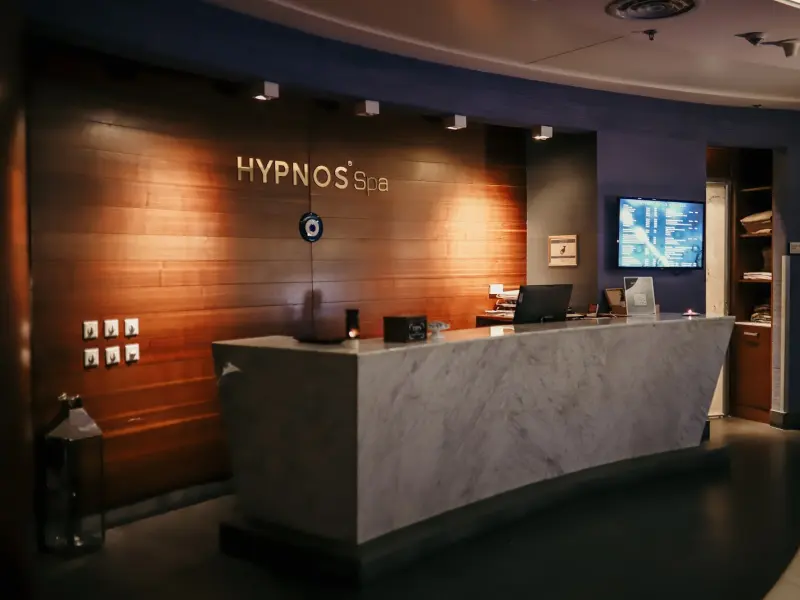
Closed · opens today at 10:00
Closed · opens today at 10:00
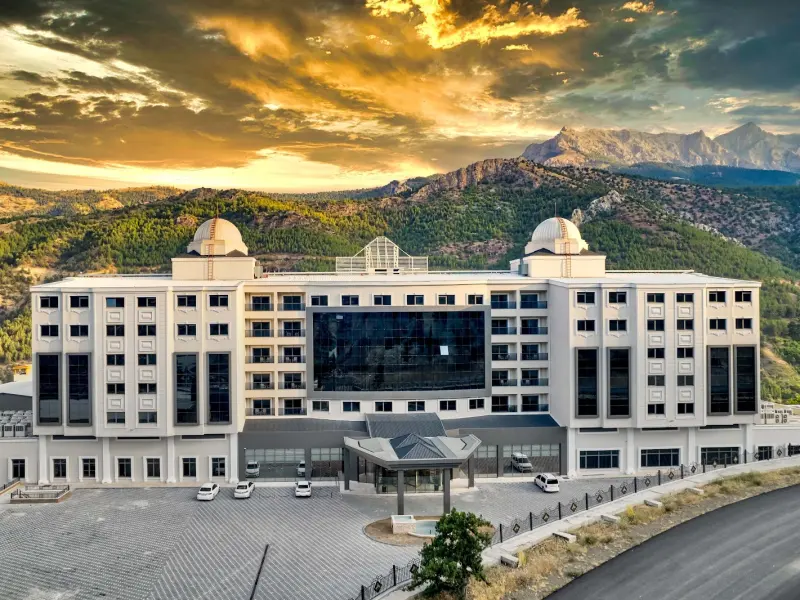
Separate sections
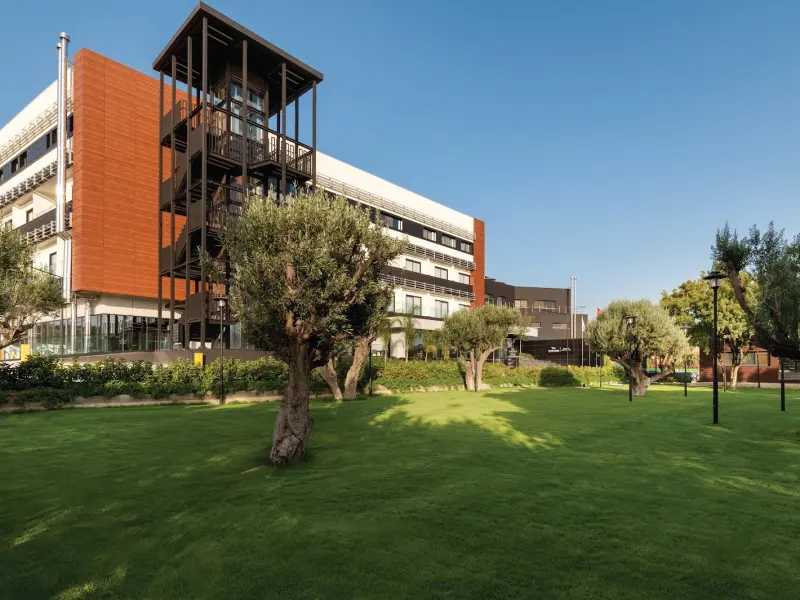
Separate sections
Closed · opens today at 11:00
Closed · opens today at 09:00 Mixed
Closed · opens today at 10:00
Closed · opens today at 08:00
Closed · opens today at 10:00 Mixed
The recommended order is based on rating and number of reviews, and on how complete and up to date a listing is. A paid membership does not change the order.
The map couldn't be loaded
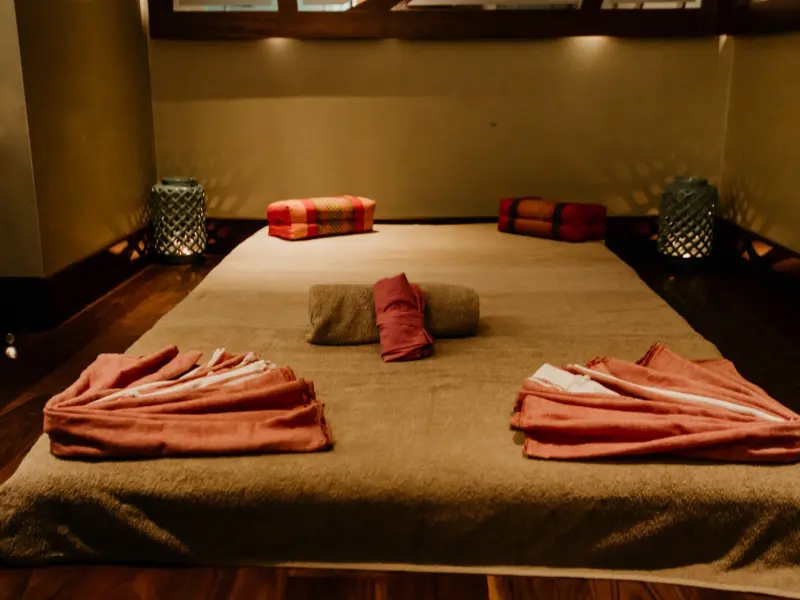
Thai massage is a type of massage from Thailand that is given without oil, without undressing, and on a floor mat rather than a table. The therapist applies pressure along the body with the palms, thumbs, elbows, knees and feet, combined with stretches similar to passive yoga. This is why Thai massage is often called "lazy person's yoga".
In Thai massage you do not lie still throughout the session. The session usually takes place on a large mat spread on the floor in a quiet room, and before starting the therapist asks about your health and any sensitive or painful areas. The therapist guides you between lying on your back, on your side, on your front and sitting positions; in the traditional sequence the work mostly starts at the feet, continues with the legs and hips, and finishes with the back, arms, shoulders and neck. Pressure is applied along lines described in the traditional view as energy lines.
Between the pressure sections, the therapist moves your arms, legs and torso into stretches and into positions that increase joint mobility. In some stretches they use their own body weight as leverage and usually deepen the movement as you breathe out, so you will be asked to exhale deeply during the session. Because no oil is used, no shower is needed afterwards. You are expected to wear comfortable, stretchy clothing; most venues provide their own.
A traditional Thai massage session lasts 60-120 minutes; 90 minutes is the most common choice, because completing the full stretching sequence takes time. In shorter sessions the routine is condensed and less time is spent on some areas. There is no single rule on frequency: those who want to maintain their range of movement can schedule sessions every few weeks, while first-timers would do well to decide on a second session after seeing how their body responds to the first.
The pressure in Thai massage is firm in places and may feel unusual to first-timers. After the session many people feel lighter and more mobile: the passive stretches can temporarily increase range of movement and may help reduce muscle stiffness and the feeling of tension. Keeping this effect depends on regular stretching and movement; a single session does not give lasting flexibility. Thai massage is not a treatment method and does not replace a doctor's advice for a diagnosed problem.
Thai massage suits people with restricted movement, stiffness, or tightness in the hips and hamstrings (the back of the thigh) from long hours of sitting, as well as those who play sport regularly. It is for those who want to gain flexibility and range of movement, not for those who want to relax and doze off; for relaxation, Balinese massage or anti-stress massage is a better fit.
With osteoporosis, a herniated disc, a recent fracture, a joint replacement, advanced varicose veins, a history of deep vein thrombosis or uncontrolled high blood pressure, the stretching movements may be inadvisable; in these cases do not book an appointment without consulting your doctor. Traditional Thai massage is not recommended during pregnancy. With acute lower back or neck pain, a diagnosis should be made first. The session should be postponed if you have a fever, an open wound or an active skin infection.
Thai massage is most often confused with Balinese massage, which uses oil and is given on a table, or with shiatsu, which is also given without oil. The main differences between the three are as follows:
| Treatment | Oil and clothing | Surface | Main technique |
|---|---|---|---|
| Thai massage | No oil, clothed | Floor mat | Pressure and passive stretching |
| Balinese massage | Warm oil, under a sheet | Massage table | Gliding strokes, kneading, acupressure |
| Shiatsu | No oil, usually clothed | Mat or table | Point pressure with the fingers and palms |
If you are torn between Thai and Balinese massage, the guide Balinese massage or Thai massage? compares the two in detail.
The price of Thai massage depends mostly on session length; long sessions covering the full stretching sequence naturally cost more. The therapist's training in this technique, the type of venue (hotel spa, day spa or massage centre), whether sauna or hammam use is included in the price, and weekend or seasonal differences also affect the price. For the general picture, see the guide explaining what determines massage and spa prices. When booking, it is useful to ask:
No. Thai massage is performed fully clothed and no oil is used. Most venues provide loose cotton clothing that lets you move freely; where they don't, you are expected to come in a loose, stretchy tracksuit and a T-shirt.
The pressure is firm in places and you may feel tenderness where tension has built up, but the session should not be painful. The pressure and the depth of the stretches are adjusted during the session by talking to the therapist; you are expected to speak up if anything feels uncomfortable.
A traditional session lasts 60-120 minutes. The most popular length is 90 minutes, as it allows time for the full sequence of stretches. 60-minute sessions are usually a shortened programme focusing on the back, shoulders and legs.
The next day you may feel mild muscle tenderness, similar to how you feel after exercise; this is the normal result of working through an unfamiliar range of motion and usually passes within a day or two. Sharp, throbbing or long-lasting pain is not normal; if that happens, see a doctor.
Not without consulting your doctor. The stretching and rotation movements in Thai massage put load on the spine and can make symptoms worse in disc problems. If you have a diagnosed spinal condition, tell the venue before your appointment; many therapists will suggest a safer alternative in this case.
Avoid heavy meals for at least 2 hours before the session. Thai massage involves positions that put pressure on the torso and stretch the body; a session on a full stomach can cause discomfort and nausea.
No, it is not. Traditional Thai massage is done without oil, fully clothed, on a floor mattress. Names such as "Thai mix" or "Thai oil" are used for programmes that combine the pressure and stretching movements of Thai massage with oil massage techniques, and the content varies from venue to venue. When booking, ask whether oil is used and whether the session takes place on a table or a mattress.
Yes, it is a normal part of traditional Thai massage. As well as their hands, the therapist uses their elbows, knees and feet; pressure with the feet is usually applied to large muscle groups such as the legs, hips and back, with the body weight carefully balanced. If you are uncomfortable with these techniques, just say so at the start of or during the session; the therapist can continue using hand techniques.
Are you sure?
Choose one more venue to compare.