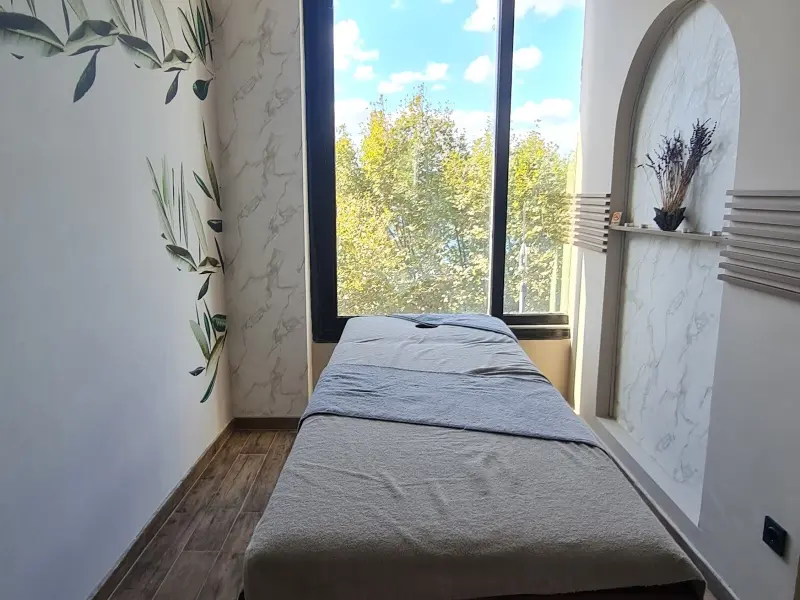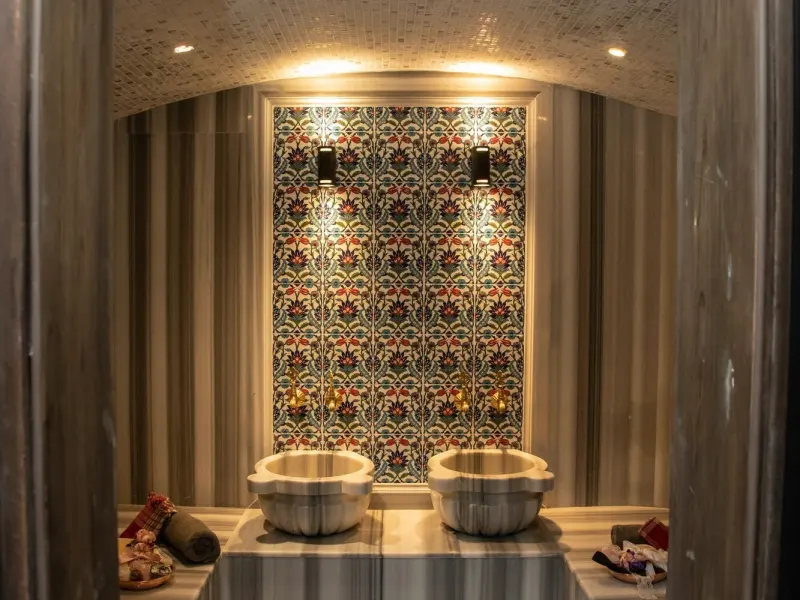
The types of massage you will come across most often in spas and massage centres are Swedish (classic), aromatherapy, hot stone, deep tissue, sports, Thai, Balinese, shiatsu, reflexology and lymphatic drainage massage. They differ in pressure, use of oil and purpose: Swedish or aromatherapy is chosen to unwind, deep tissue for chronic muscle tension, and Thai massage for stretching. If you are having a massage for the first time, Swedish massage, with pressure adjusted to suit you, is the most straightforward place to start.
Below you will find the name of each massage, what it is, its pressure and who it suits. Massage is relaxing and can ease muscle tension, but no type of massage treats an illness.
What types of massage are there?
Massage types fall roughly into four groups: Western classic techniques (Swedish, deep tissue, sports), Asian stretching and pressure-point techniques (Thai, Balinese, shiatsu, reflexology), relaxation massages enhanced with heat or scent (hot stone, aromatherapy, lomi lomi) and treatments with a specific purpose (lymphatic drainage, pregnancy massage, foam massage in the hammam). The table below summarises the best-known names; the durations are the ranges commonly seen on spa menus and vary from venue to venue.
| Massage | Pressure | Oil | Typical duration |
|---|---|---|---|
| Swedish (classic) | Light to medium, adjustable | Yes | 50-60 min |
| Aromatherapy | Light to medium | Yes, with essential oils | 50-60 min |
| Hot stone | Light to medium, with heat | Yes | 60-90 min |
| Lomi lomi | Medium, flowing | Yes | 60-90 min |
| Deep tissue | Firm | A little | 50-60 min |
| Sports | Medium to firm, targeted | Yes | 30-60 min |
| Thai | Medium to firm, with stretching | No, clothed | 60-90 min |
| Balinese | Medium to firm | Yes | 60 min |
| Shiatsu | Medium to firm, on points | No, clothed | 60 min |
| Reflexology | Light to medium, on the feet | No, or a little cream | 30-60 min |
| Lymphatic drainage | Very light | None or very little | 45-60 min |
| Pregnancy massage | Light to medium | Yes | 45-60 min |
| Foam (hammam) | Light | No, soap foam | 10-15 min |
Names of massage techniques: the five strokes of classic massage
Massage techniques are the basic hand movements used within the types of massage. Classic massage is applied to the surface muscles with five strokes, following the direction of blood flow towards the heart:
- Stroking (effleurage): long, gliding movements made with the palm. A massage usually opens and closes with these.
- Kneading (petrissage): grasping and squeezing the muscle, lifting and releasing it.
- Friction (rubbing): small, deep circular movements made with a fingertip or thumb.
- Percussion (tapotement): light, rhythmic tapping with the edge of the hand, the fingers or a cupped hand.
- Vibration: shaking an area quickly and rhythmically.
Deep tissue, sports and aromatherapy massages combine these strokes at different speeds and pressures. Thai massage and shiatsu, by contrast, are based on stretching and pressure on specific points.
Relaxing types of massage
Swedish massage (classic massage)
Swedish massage is the type of massage therapists use most often: it is done on the whole body with oil or lotion, using long, flowing strokes. The pressure is adjusted to suit you, from light to medium. It suits people having a massage for the first time and anyone who wants general relaxation.
Aromatherapy massage
Aromatherapy massage adds essential oils, diluted in a carrier oil, to the Swedish technique; essential oils are never applied to the skin undiluted. If you have sensitive skin, asthma, epilepsy or an allergy to a scent, say so before the session.
Hot stone massage
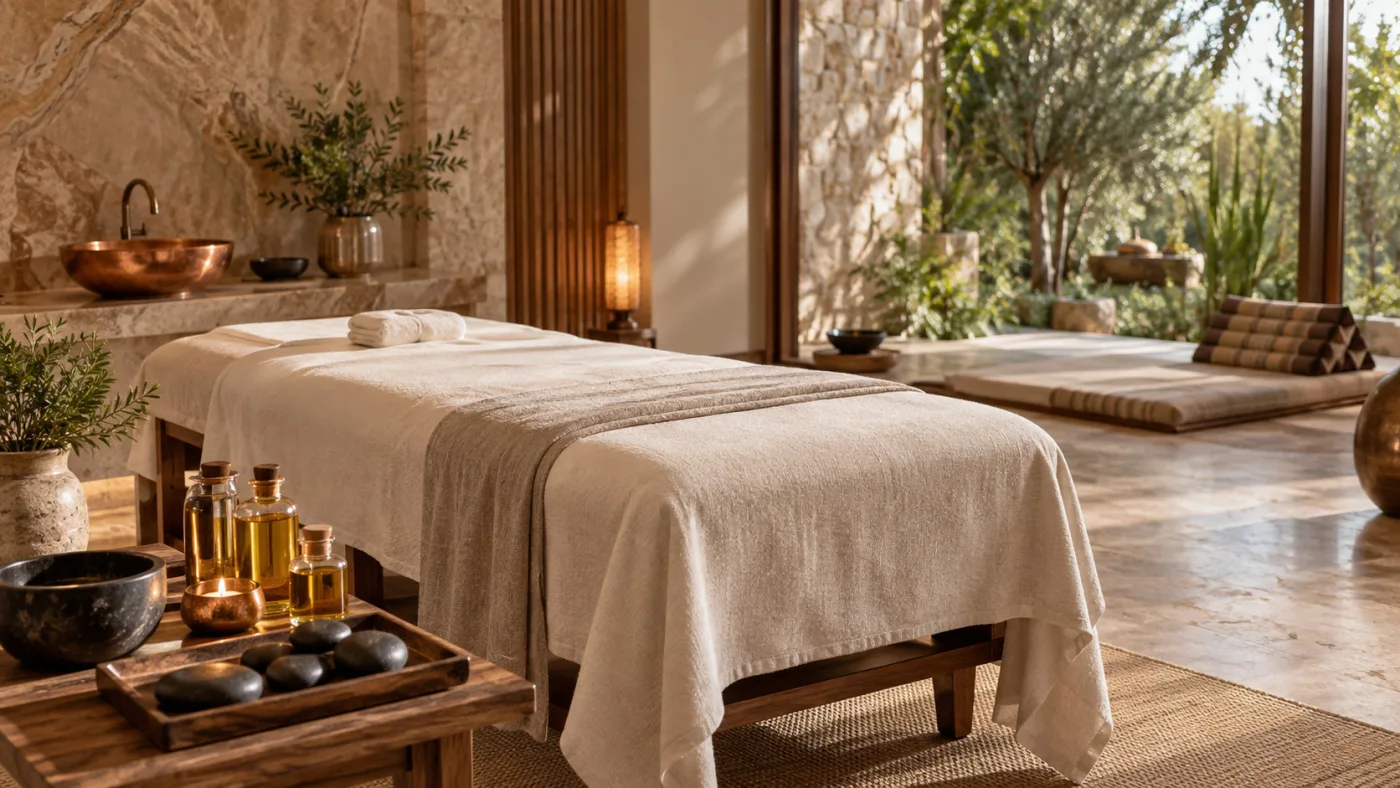
In hot stone massage, heated stones, usually basalt, are placed along the back; the therapist also works with classic strokes while holding the stones. There should be a towel or sheet between the stones and your skin; if a stone feels too hot, say so straight away. If you are pregnant, have diabetes or take blood thinners, consult your doctor first.
Lomi lomi massage
Lomi lomi comes from Hawaii; its name means "rub rub". The therapist makes broad, flowing movements along the body with the palms, arms and elbows, using oils such as macadamia or coconut. It suits those who want a flowing, uninterrupted massage.
Types of massage for muscle tension
Deep tissue massage
Deep tissue massage is applied to the deeper muscle and connective tissue with slow movements and firm pressure; the therapist uses fingertips, knuckles, elbows and forearms. It is chosen for chronic tension and knots. It is not as relaxing as classic massage and may leave you slightly sore the next day. If you cannot decide, see our comparison of Swedish and deep tissue massage.
Sports massage
Sports massage is similar to deep tissue massage but focuses on the muscles that take the most strain in sport. It suits athletes, dancers and people who train regularly; rather than the whole body, it can be done on a single area such as the legs or shoulders.
Stretching and pressure-point massages
Thai massage
Thai massage uses no oil and is done in comfortable clothes, traditionally on a mat on the floor. The therapist applies pressure with the hands, forearms, elbows and feet and takes you through passive stretches that resemble yoga poses. It is not recommended during pregnancy; anyone with heart disease, high blood pressure, osteoporosis or diabetes should consult a doctor first.
Balinese massage
Balinese massage is a full-body massage with oil that originates in Indonesia; it combines kneading, long strokes, point pressure and gentle stretches. On tense areas the pressure can be quite firm. We explain how it differs from Thai massage in Balinese or Thai massage?
Shiatsu
Shiatsu is Japanese in origin and its name means "finger pressure". It is done clothed, usually on a futon on the floor; the therapist applies pressure to specific points with the fingers, thumbs, palms, elbows and knees, and no oil is used. A session lasts about an hour.
Reflexology
Reflexology is the application of gentle pressure to specific points on the feet (sometimes the hands). Practitioners believe these points are linked to the organs; however, there is no scientific evidence that reflexology prevents or cures any illness. It is a short option, done without undressing, for those who do not want a full-body massage.
Massages with a specific purpose, and the names on the menu
Lymphatic drainage massage
Lymphatic drainage massage is a rhythmic technique with very light pressure that moves fluid towards the lymph nodes. In medicine it is mainly used for lymphoedema. It is not done if you have a blood clot, a fever, an infection, heart disease or kidney failure.
Pregnancy massage
Pregnancy massage is a light-to-medium pressure massage given by a therapist trained in pregnancy massage, using support cushions and usually with you lying on your side. Have it with your doctor's approval; details are in our guide to massage and spas during pregnancy.
Foam massage
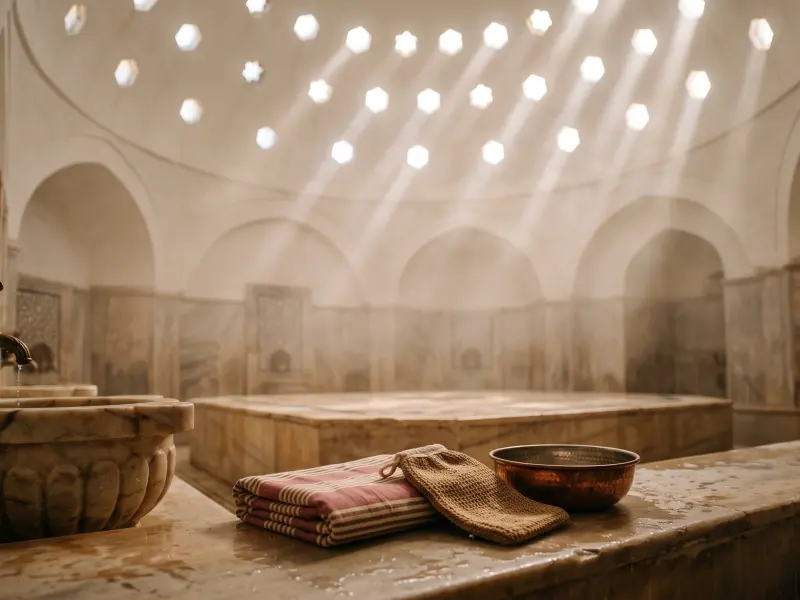
Foam massage is specific to the Turkish hammam: soap foam whipped up with a cloth bag is spread over the body, and a light massage is given under the foam. It usually follows the kese scrub.
Sultan, anti-stress, four hands: the names on the menu
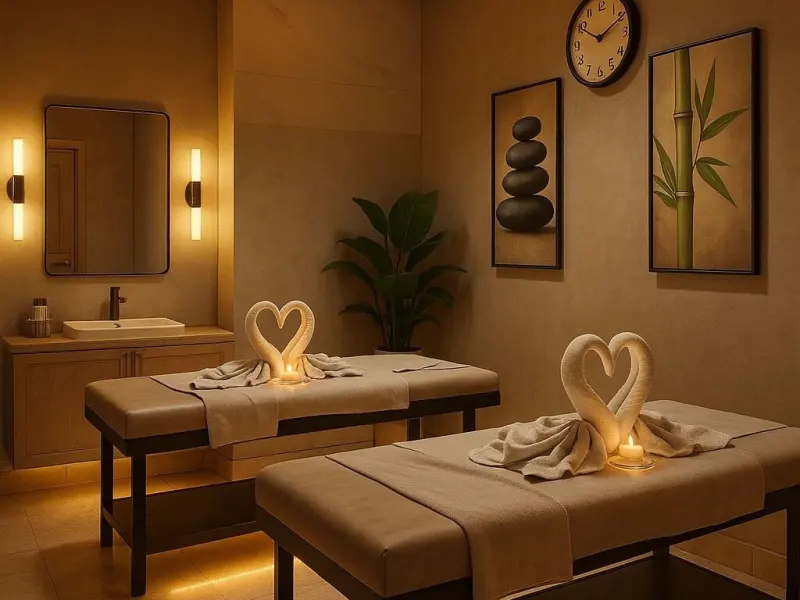
Names on spa menus such as "Sultan massage", "Ottoman ritual" or "anti-stress massage" are usually the name of the venue's package rather than a technique. In a four-hands massage two therapists work at the same time; in a couples' massage two people have a massage simultaneously in the same room. When you see a name like this, ask which technique is used, at what pressure, with or without oil and for how many minutes.
Which massage is right for you?
Which massage is right for you depends on what you are going for:
- Your first massage: Swedish massage. To prepare, read our guide for first-time massage clients.
- Stress and relaxation: Swedish, aromatherapy, hot stone or lomi lomi.
- Chronic tension, knots: deep tissue.
- After sport: sports massage.
- Stiffness and a need to stretch: Thai massage or shiatsu.
- If you do not want to undress: Thai massage, shiatsu or reflexology.
- Pregnancy: pregnancy massage, with your doctor's approval.
- In the hammam: kese and foam.
A massage does not have to hurt; if the pressure is too much, just say so. The price is set by the type, the duration, the number of therapists and the venue; the details are in what determines massage and spa prices. You can find venues near you on the massage centres page.
Who should consult a doctor before a massage?
The risk of serious side effects from massage is low. The rarely reported events, such as a blood clot, nerve injury or bone fracture, have mostly involved vigorous techniques such as deep tissue or people at higher risk, such as older people. In the following cases, consult your doctor before a massage and be sure to tell the therapist:
- Pregnancy
- Cardiovascular disease or uncontrolled high blood pressure
- A history of blood clots, a bleeding disorder or taking blood-thinning medication
- Osteoporosis, a recent fracture or surgery within the last six weeks
- Diabetes, loss of sensation or ongoing cancer treatment
- Fever, infection, an open wound or a contagious skin condition
Also tell the therapist about any medication you take regularly and any allergies before the session.
Frequently asked questions
What is the most common type of massage?
Swedish massage, in other words classic massage. It is the technique therapists use most often, and on most spa menus it also appears as "classic massage".
Which types of massage use no oil?
Thai massage and shiatsu are done without oil and fully clothed. In reflexology a small amount of cream may be used on the feet only.
Does massage hurt?
It should not. In deep tissue massage it is normal to feel firm pressure and a slight soreness the next day; if you feel a sharp pain, say so straight away.
How long does a massage last?
Most full-body massages last 50-60 minutes. Massages on a single area can be as short as 30 minutes; Thai, hot stone and lomi lomi can last up to 90 minutes.
Are a type of massage and a massage technique the same thing?
No. A technique is a single hand movement, such as stroking or kneading. A type of massage is a treatment in which these movements are brought together with a particular pressure, rhythm and purpose.
Sources
- Cleveland Clinic: Types of massage therapy — checked October 2026
- Cleveland Clinic: Thai massage — checked October 2026
- Cleveland Clinic: Lymphatic drainage massage — checked October 2026
- Cleveland Clinic: Aromatherapy — checked October 2026
- NCCIH (US National Institutes of Health): Massage therapy — what you need to know — checked October 2026
- Arthritis Foundation: Types of massage — checked October 2026
- Cancer Research UK: Shiatsu — checked October 2026
- Cancer Research UK: Reflexology — checked October 2026
- Istanbul Gelişim University, Physiotherapy: massage lecture notes, week 1 (PDF, in Turkish) — checked October 2026
- Healthline: Hot stone massage — checked October 2026
- The Good Spa Guide: Lomi lomi massage — checked October 2026
- The Good Spa Guide: Balinese massage explained — checked October 2026
This article was written by the Spa Deneyimi editors. Rankings and verification badges cannot be bought.