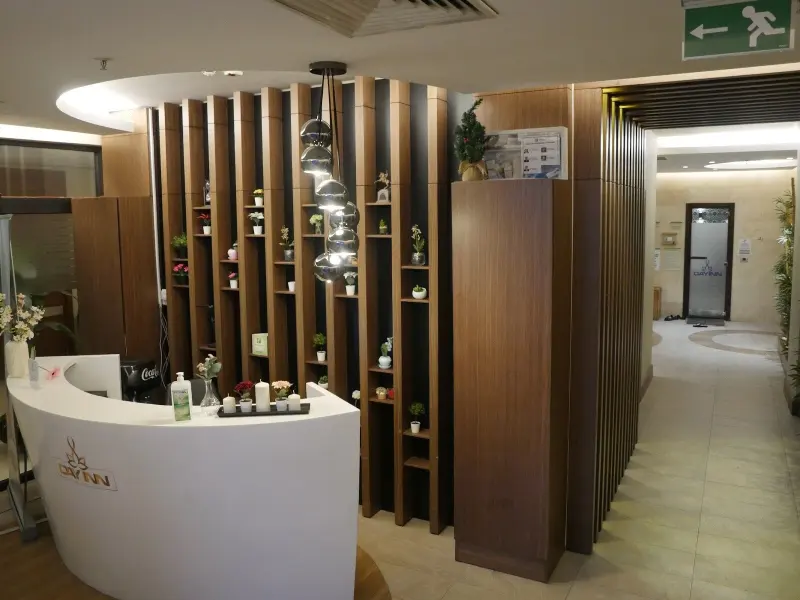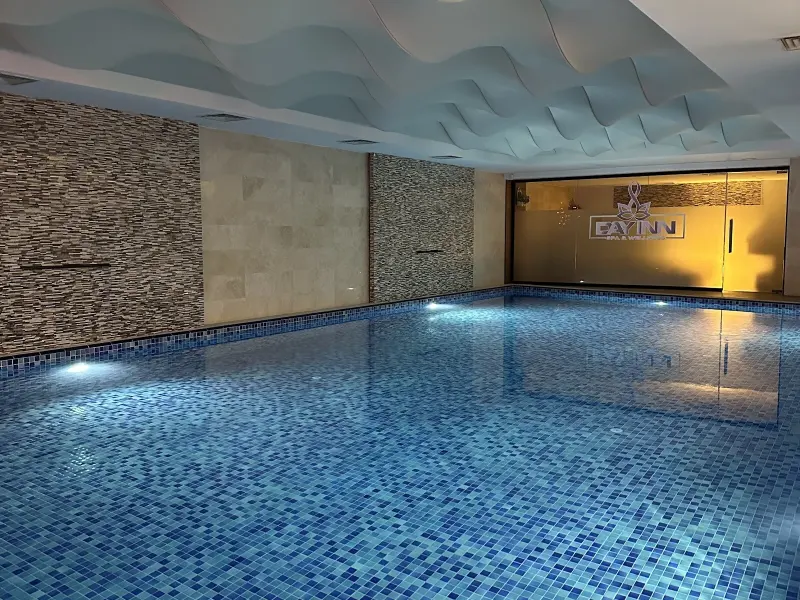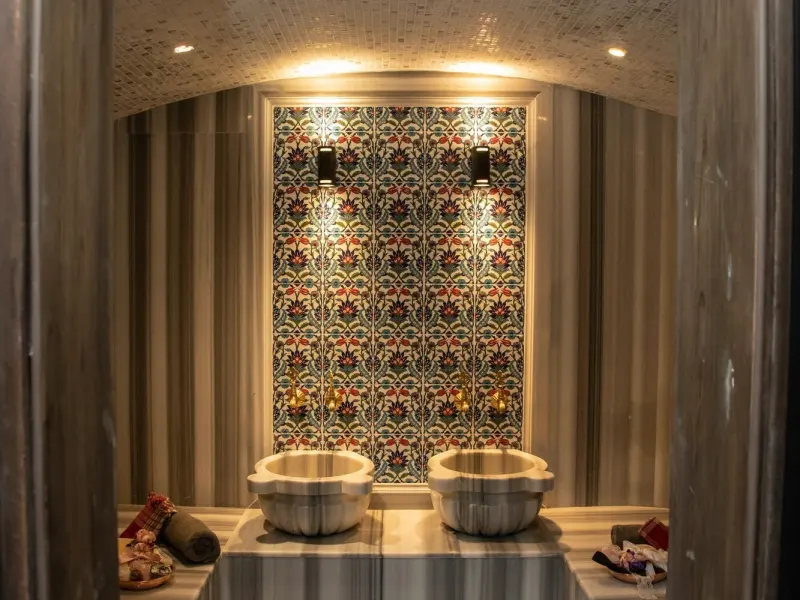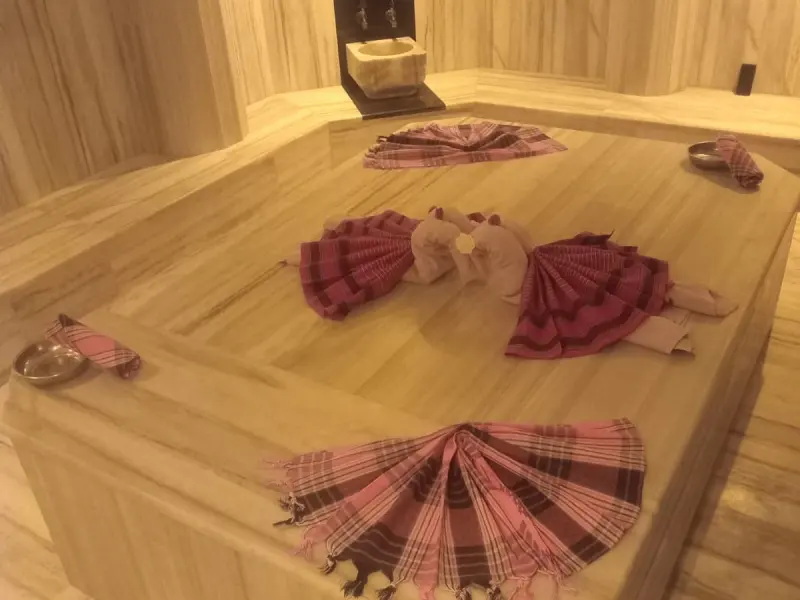
Closed · opens today at 11:00
Turkish BathKese ScrubFoam Massage
9 venues found
Closed · opens today at 11:00
Closed · opens today at 13:00
Closed · opens today at 10:00
Closed · opens today at 10:00
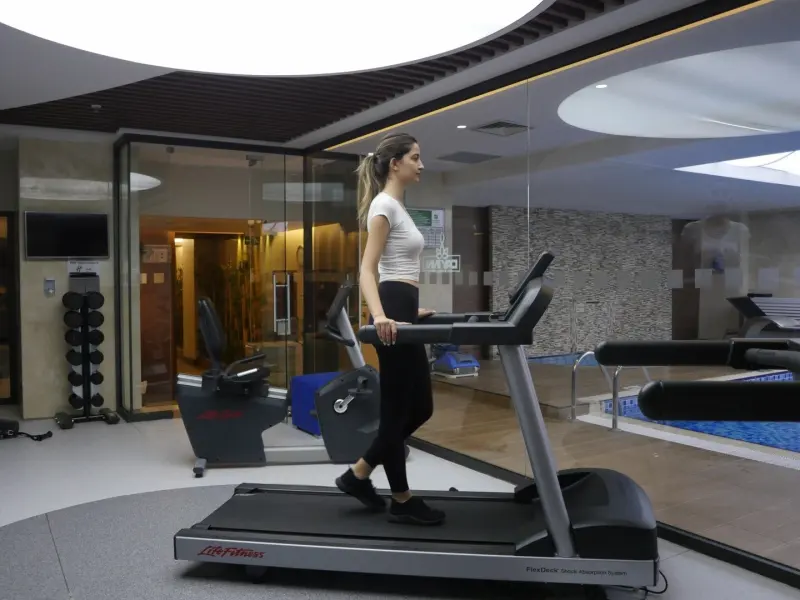
Closed · opens today at 09:00 Mixed
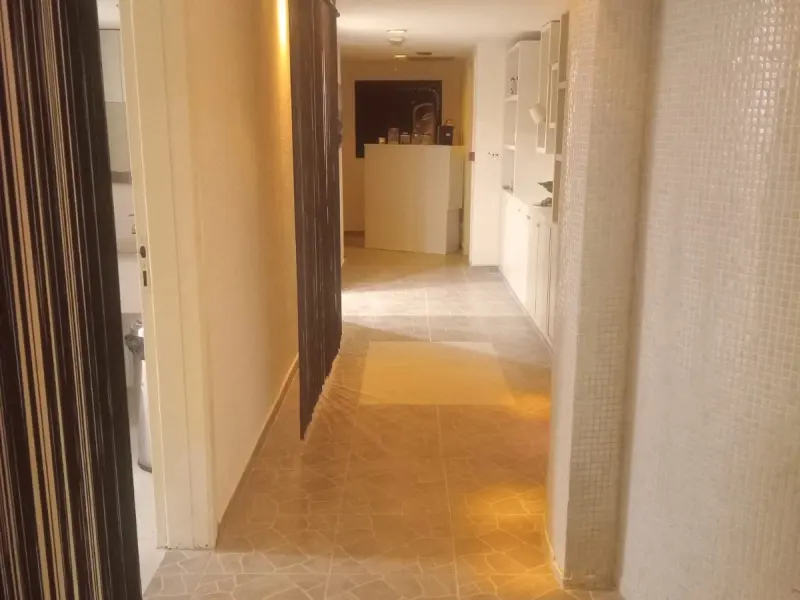

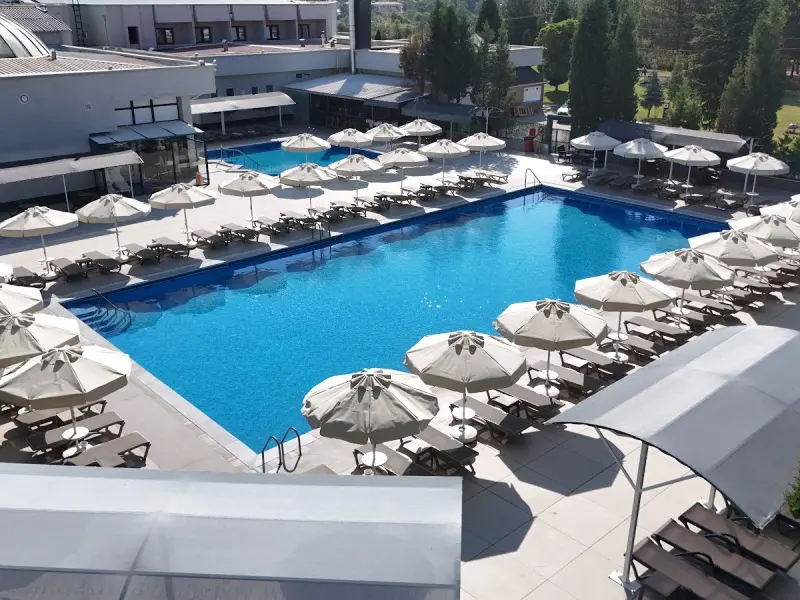

Closed · opens today at 10:00
The recommended order is based on rating and number of reviews, and on how complete and up to date a listing is. A paid membership does not change the order.
The map couldn't be loaded
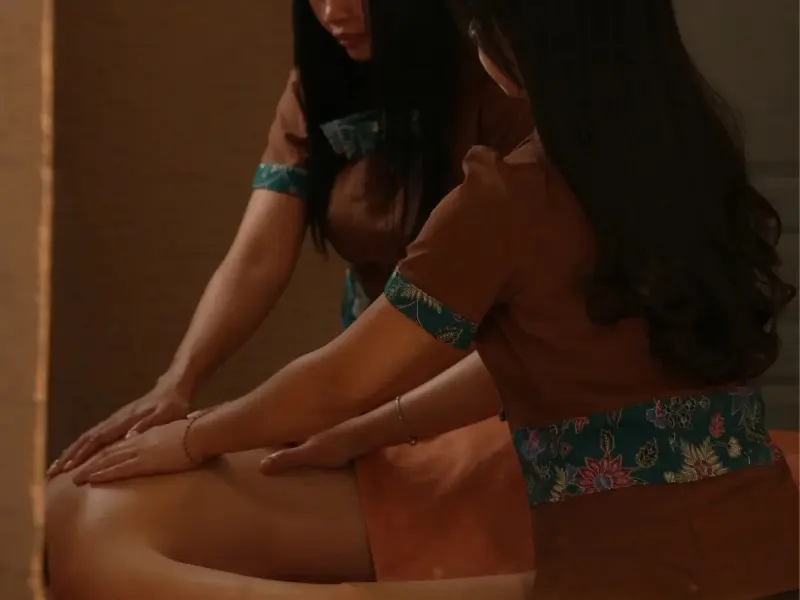
Lomi lomi massage (Hawaiian massage) is a full-body massage of Hawaiian origin, based on long, unbroken movements made with the forearms as well as the hands. The movements flow from one area to the next without a break and are often likened to the rhythm of the waves. The form offered in spas is the traditional Hawaiian practice adapted into a relaxation massage given with plenty of oil.
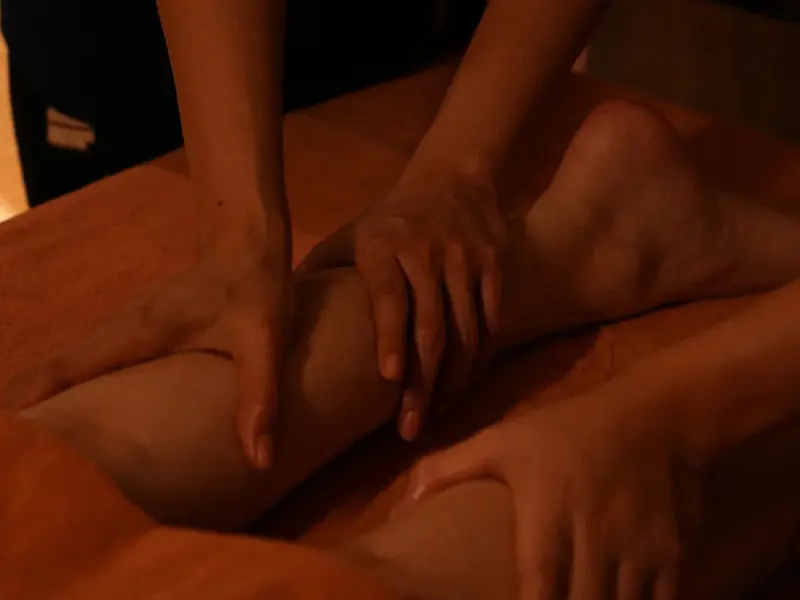
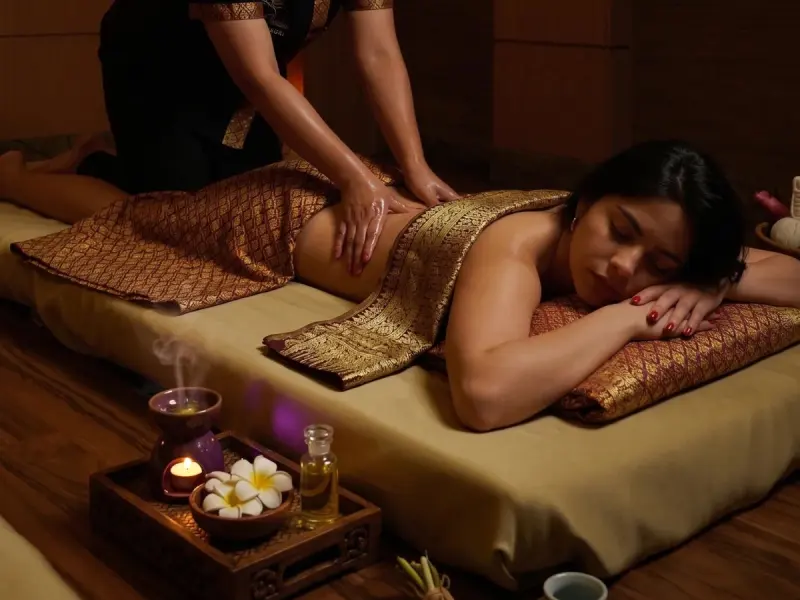
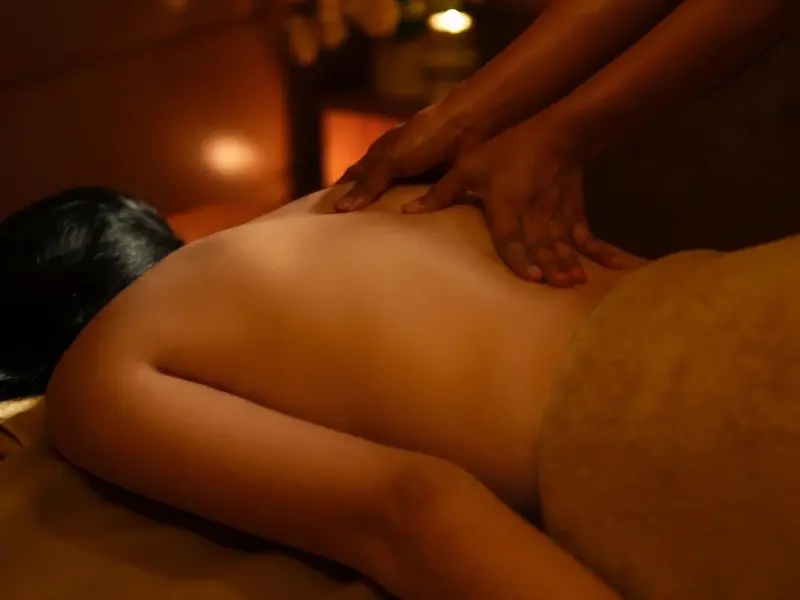
The name lomi lomi comes from the Hawaiian word lomi, meaning to rub and to knead. The massage is given on a massage table, usually starting face down and continuing face up. The therapist uses plenty of warm oil and glides the forearms along the back, sometimes in long lines running from the shoulder to the heel. Unlike in classic massages, each area is not finished separately; the back, hips and legs may be worked together in a single flow. Movements in which the joints are gently stretched and the body is lightly rocked may also be part of the session.
So that the long movements can continue without interruption, the draping may differ from that of a classic massage. The level of pressure is discussed at the start of the session and adjusted on request from light to medium.
60-90 minutes is usual for lomi lomi massage. Because it takes time for the movements to travel in a connected way across the whole body, shorter sessions may not fully reflect the character of this massage. Since oil will remain on your skin after the session, planning ahead for a shower and for what you will do afterwards makes things easier.
Lomi lomi massage suits those who want to relax with a flowing, rhythmic massage and those who have tried classic massage and are looking for a different pace. It is not designed for a specific pain or injury; for localised and chronic tension, a targeted massage such as deep tissue massage may be more suitable. If you are uneasy about the draping or the generous use of oil, Thai massage or reflexology, which are done clothed, are options in which you may feel more at ease.
Lomi lomi massage is not given, or a doctor's approval is needed first, in cases of illness with fever, an open wound or infection on the skin, a history of thrombosis, recent surgery and uncontrolled blood pressure. If you have cardiovascular disease, consult your doctor first. In pregnancy, the face-down position and long movements that travel over the whole body may not be suitable; with your doctor's approval, a pregnancy massage adapted to pregnancy is the better choice. Some venues may use nut-based oils, so if you have a hazelnut or peanut allergy, mention it when making your appointment.
Lomi lomi massage is close to other relaxation massages in its use of oil and its pressure; what sets it apart is the use of the forearms and the flow that moves between areas without a pause.
| Massage | Technique | Oil | Pressure |
|---|---|---|---|
| Lomi lomi massage | Long, unbroken movements with the forearms and hands | Plenty | Light-medium |
| Swedish massage | Stroking and kneading by hand, area by area | Yes | Light-medium |
| Balinese massage | Long movements, point pressure and stretching | Yes | Medium |
| Thai massage | Clothed, stretching and pressure on a floor mat | No | Medium-firm |
If you are not sure which massage suits you, the guide to massage types can be a starting point for comparison.
When making an appointment for lomi lomi massage, asking the following makes it easier to choose a session that matches what you expect:
Using the forearms does not in itself increase the pressure. Because the forearm touches the skin over a wide surface, the pressure feels more spread out and most people find it gentle. The level of pressure depends on how the therapist uses their body weight; you can say during the session if you would like a lighter or firmer touch.
So that the long movements can travel unbroken along the back, hips and legs, the drape may be kept narrower than in a classic massage. Intimate areas always stay covered. As practice varies from venue to venue, if there is an arrangement you would not feel comfortable with, say so before the session begins; the therapist will adjust the drape accordingly.
If you want a flowing, unbroken rhythm, lomi lomi is the better fit; if you want a livelier session with point pressure and stretching, Balinese massage suits you better. Both massages are done with oil and include long movements. In lomi lomi the use of the forearms stands out, while in Balinese massage the emphasis is on thumb pressure applied to specific points.
It can be, but for first-timers the more usual starting point is Swedish massage. Plenty of oil, the use of the forearms and narrower draping may feel unfamiliar the first time. If these do not bother you, you can also start with lomi lomi, asking for the pressure to be kept light.
Lomi lomi massage is above all a massage that helps you relax; the long, rhythmic movements may reduce muscle tension and leave a feeling of lightness in the body. The effect is temporary and it does not treat any illness. If you have ongoing pain, you should see a doctor before having a massage.
Are you sure?
Choose one more venue to compare.