Most first-timer mistakes in a Turkish bath are small and easy to avoid: taking off more than you should, heading for the scrub before your skin has softened, staying in the heat too long and leaving without resting. Ask three questions when you book (what the package includes, which section or hours apply to you and what to wear), allow at least 90 minutes, and you will skip nearly all of them.
Below are the 13 mistakes in the order they happen, each with what to do instead. For the ritual itself, see our guide on how to use a hammam.
Before you book: the hammam, the package and the sections
Most hammam disappointments start at booking, with the wrong kind of place or the wrong package.
1. Expecting a spa
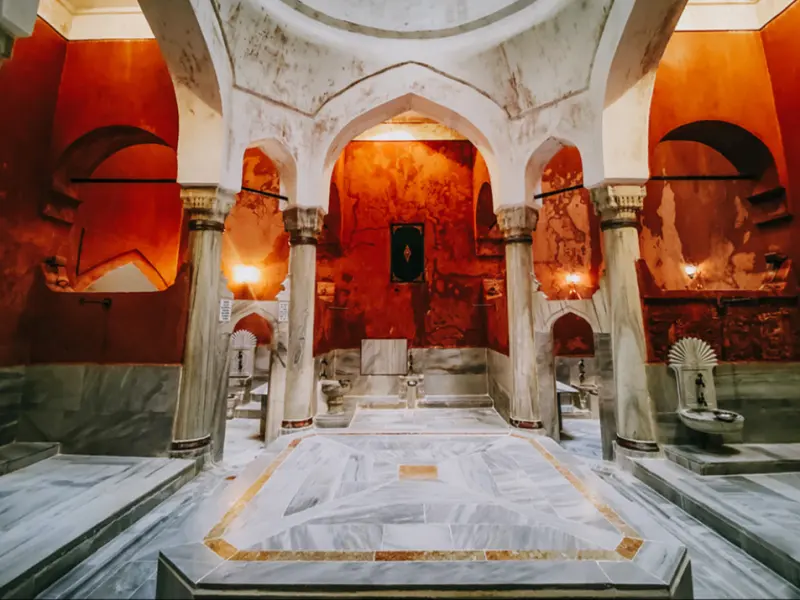
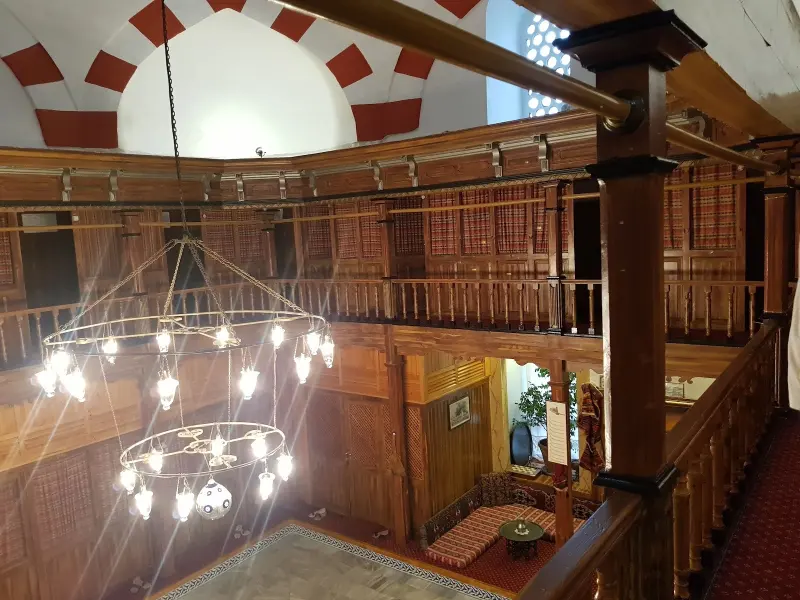
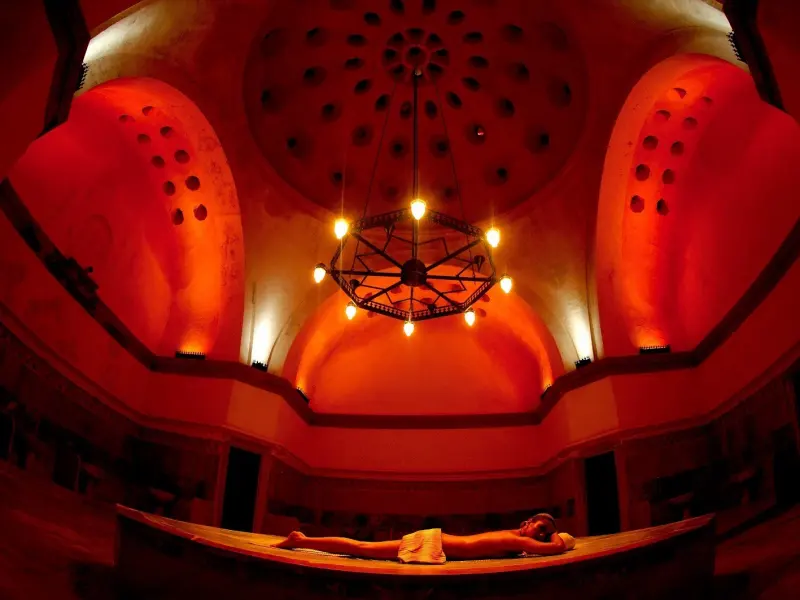
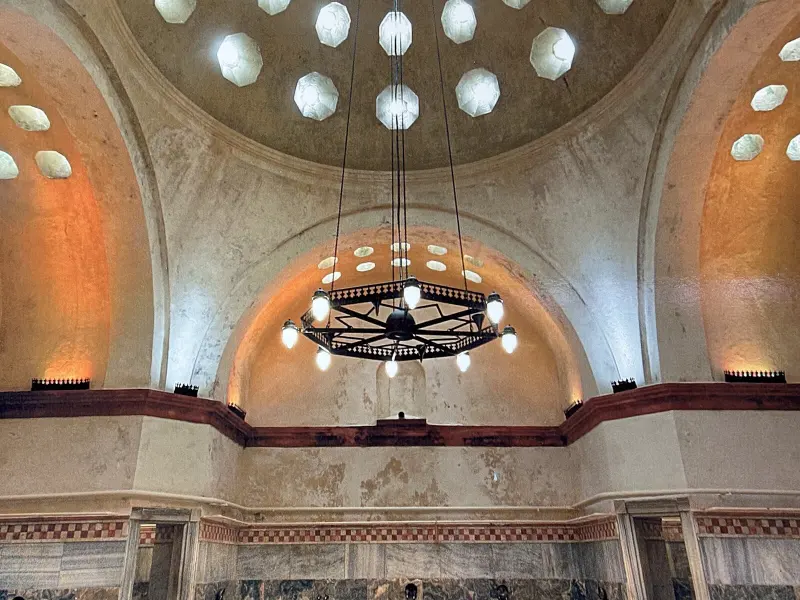
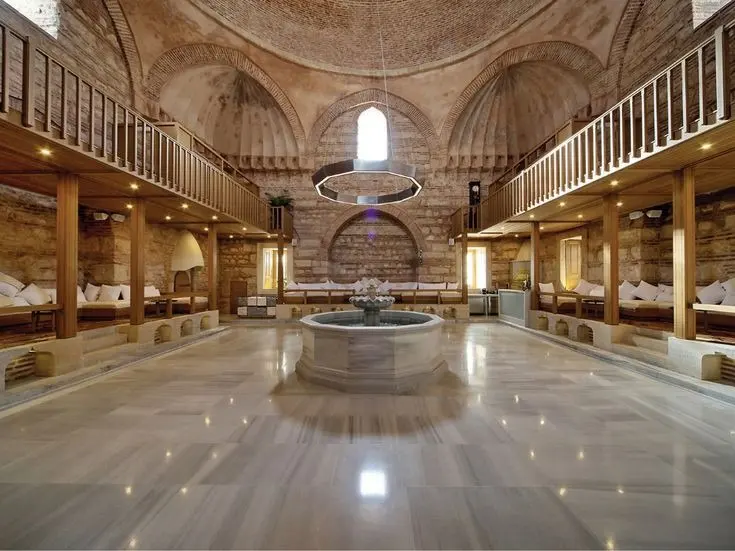
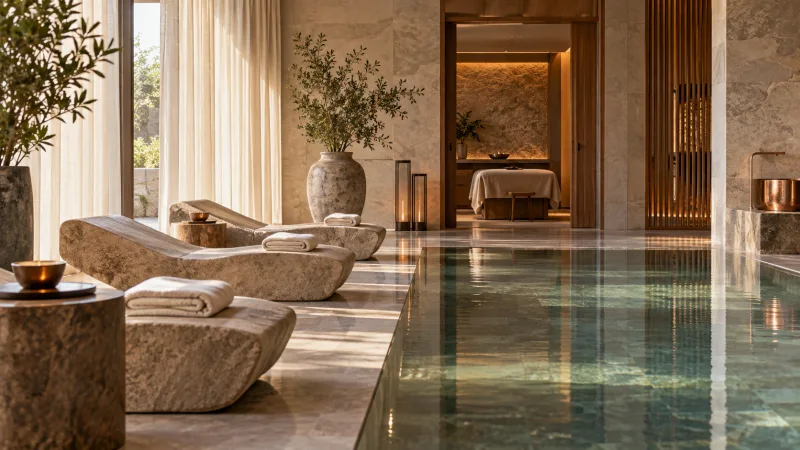
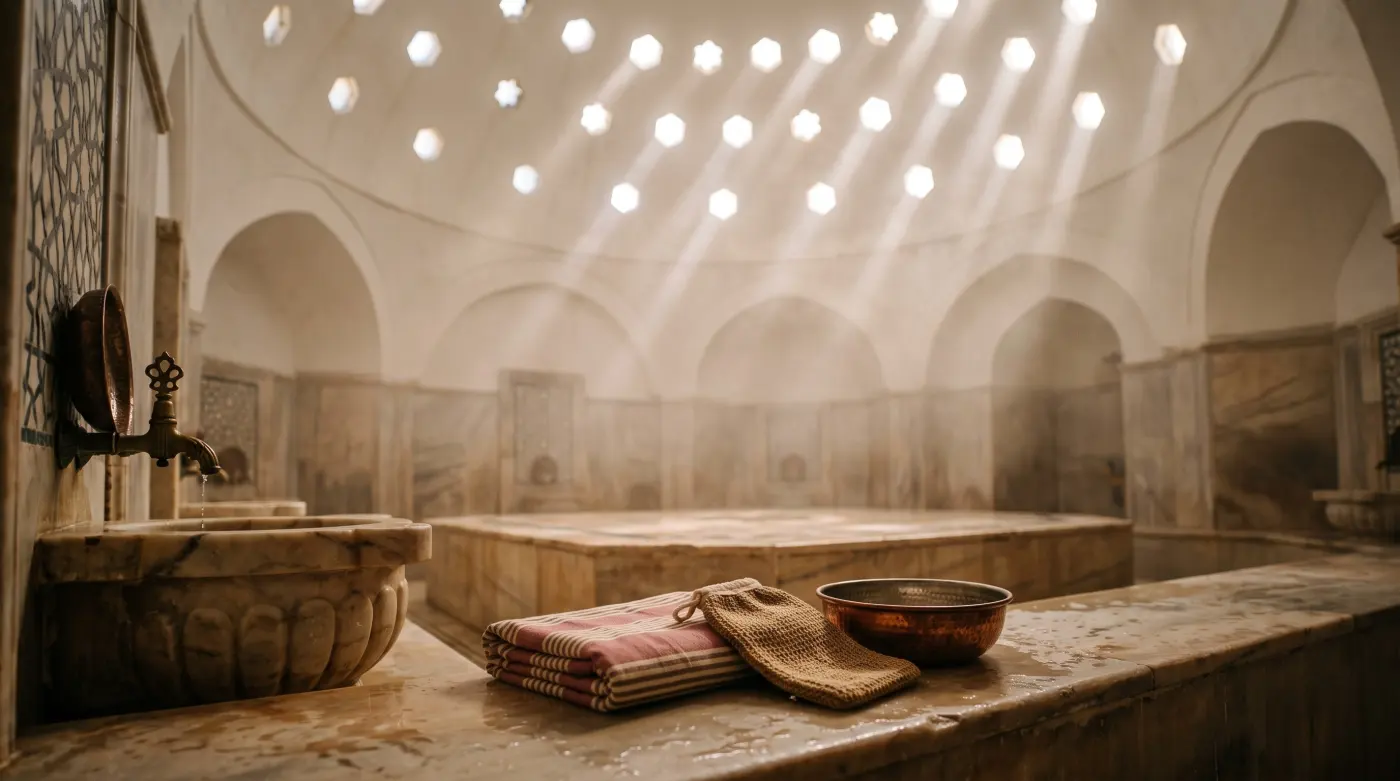
A historic Turkish bath is a working bathhouse: a domed hot room, a heated marble platform, marble basins and an attendant with a scrubbing mitt. It is warm, echoing and often busy, usually without a pool or sauna. Massage is often a separate service: at Galatasaray Hamamı, it is not part of the traditional ritual and takes place in private rooms.
What to do instead: if you want a pool, a sauna and quiet loungers, choose a hotel spa; our guide to Istanbul day spa prices 2026 explains which spas let day visitors in.
2. Not asking what the package includes
"Hammam" on a price list can mean entry only, the scrub and foam wash, or a ritual with massage and refreshments. Three Istanbul examples, from the hammams' own price pages in October 2026:
| Hammam | Cheapest option | Scrub and foam by an attendant? |
|---|---|---|
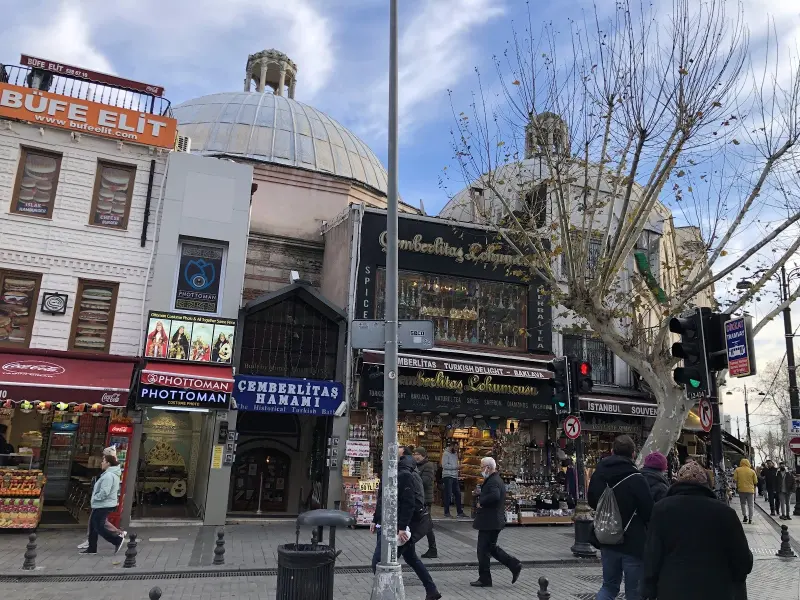
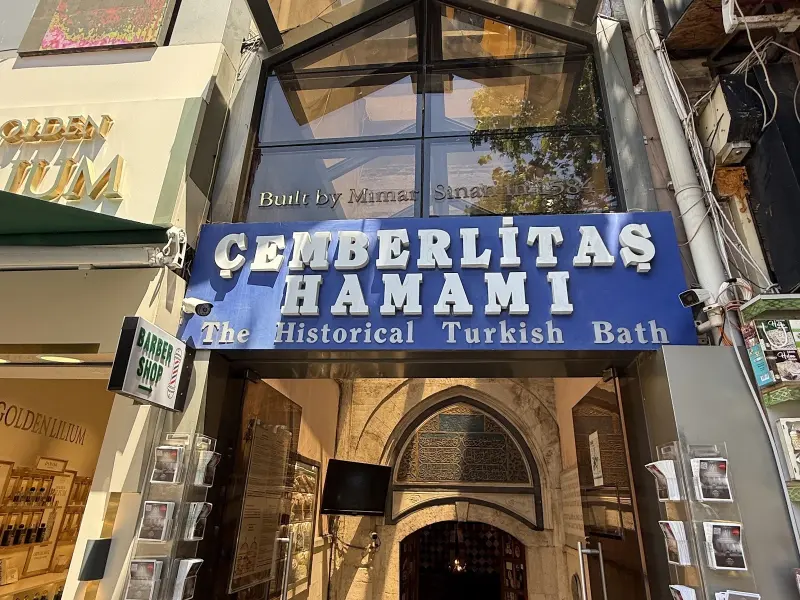
| Çemberlitaş Hamamı | Entry, 3,200 TL (57 €), no time limit | Not included; the scrub and foam package is 4,050 TL (72 €) |
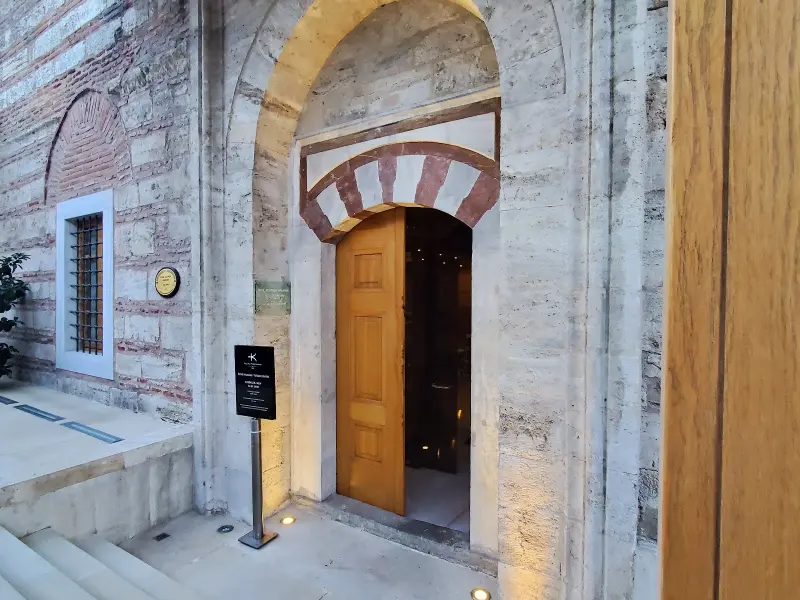
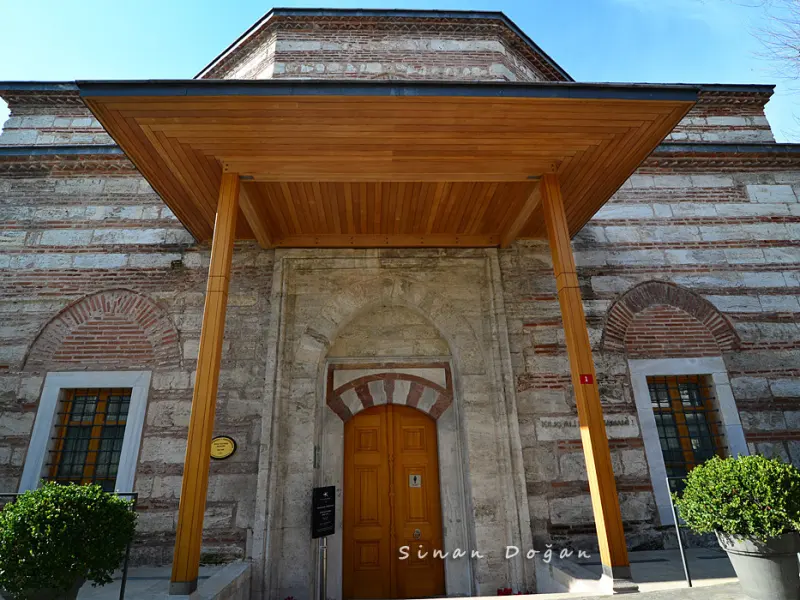
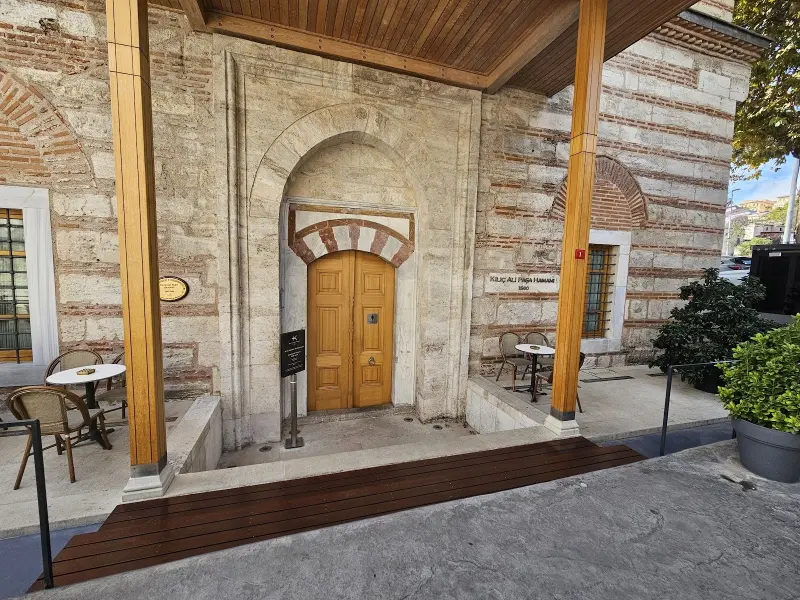
| Kılıç Ali Paşa Hamamı | Traditional hammam ritual, 4,700 TL | Included; massage is extra (50 minutes, 5,000 TL) |
| Süleymaniye Hamamı | Hammam experience, 90 €, about 105 minutes | Included, with a soap massage, drinks and the peshtemal |
What to do instead: before you pay, ask whether the price covers the scrub (kese), the foam wash, any massage and its length, towels and the peshtemal. Our guide to Istanbul hammam prices 2026 compares more packages.
3. Ignoring the women's and men's sections
Turkish baths separate men and women in one of three ways. A double hammam (çifte hamam) has two complete sections: Çemberlitaş says each is served by attendants of the same gender, and at Cağaloğlu Hamamı the women's section has its own entrance, on Hamam Sokağı. A single-section hammam splits the day: Kılıç Ali Paşa admits women from 08:00 to 16:00 and men from 16:45 to 23:30. A few, such as Süleymaniye, welcome men and women together.
Couples often expect to bathe together and cannot; Cağaloğlu states it has no couple services. What to do instead: check the arrangement before you book, and book early; Kılıç Ali Paşa recommends a week ahead. Our guide to women-only hammams in Istanbul lists sections and hours.
On the day: food, drink and valuables
What you eat, drink and carry to a Turkish bath matters more than you might expect.
4. Arriving after a big meal or a few drinks
A heavy stomach and alcohol both make the heat harder to bear. Cağaloğlu Hamamı advises against bathing if you are famished or full, or have recently drunk alcohol. Zeyrek Çinili Hamam recommends avoiding alcohol and heavy meals but eating something light beforehand. Cardiologists at Brown University Health say the same about saunas: no alcohol before or immediately after.
What to do instead: eat a light meal beforehand, drink water, and keep the evening drink for after you have cooled down.
5. Bringing valuables into the bath
Steam, soap and wet marble are hard on jewellery and phones. Galatasaray Hamamı asks guests to keep valuables in their changing rooms, Süleymaniye gives each guest a lockable changing room and Zeyrek Çinili Hamam has lockers.
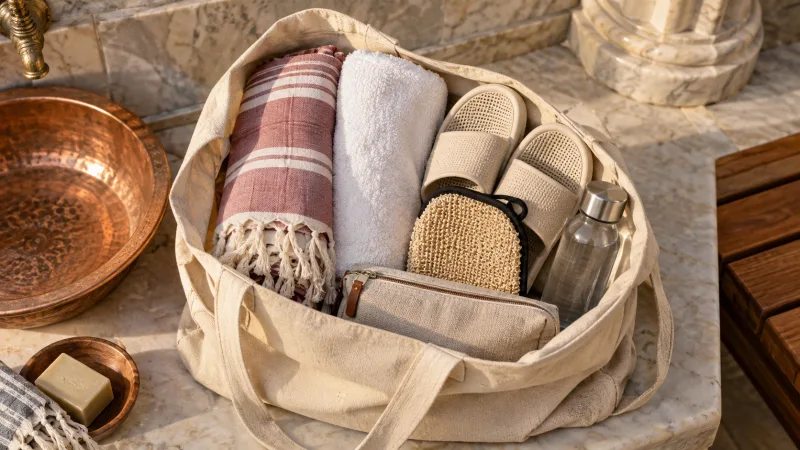
What to do instead: leave jewellery at your hotel, lock away your phone and wallet, and carry only a little cash if you plan to tip. Our packing list for the hammam covers the rest.
In the changing room: what to wear and the peshtemal
In the hammam changing room, two rules solve almost everything: cover up, and keep the wrap tied.
6. Taking everything off, or wearing the wrong thing
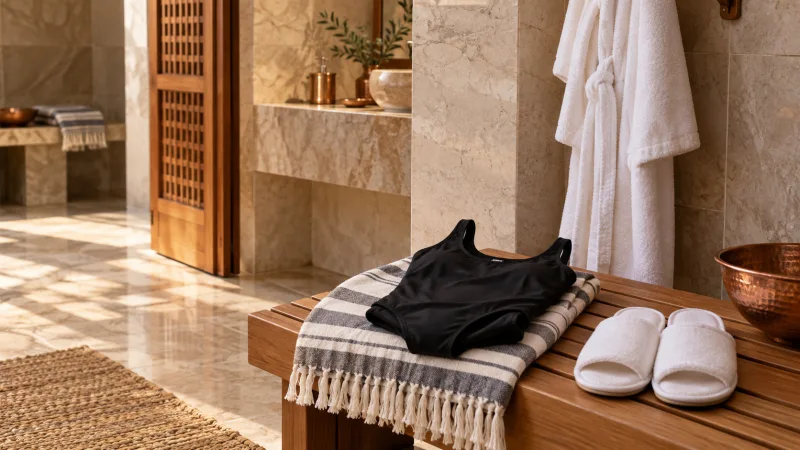
Turkish baths are not nude baths. At Galatasaray Hamamı, the lower body must be covered with the peshtemal provided. Your own swimwear is welcome at Çemberlitaş, Süleymaniye and Zeyrek; Süleymaniye hands women a bikini, shorts and a peshtemal and men a pair of shorts, and Zeyrek supplies disposable underwear.
The other slip is wearing your only underwear into the bath. What to do instead: wear swimwear or the disposable underwear under the peshtemal, and pack a dry change. Our guide on what to wear in a hammam has the detail.
7. Letting the peshtemal slip
The peshtemal is a thin cotton wrap that grows heavy when wet. Tied loosely, it slides off when you get up from the marble or turn over for the scrub.
What to do instead: tie it firmly before you leave the changing room, retighten it before you stand, and keep a hand on it when you turn over. Our guide shows how to tie a peshtemal for men and women.
In the hot room: warming up, heat and photos
The hot room is the heart of the Turkish bath, and its mistakes are about patience, limits and privacy.
8. Going straight to the scrub
The kese works on skin that has softened in the heat. Scrubbed too early, dry skin drags and less comes off. Rituals build in warming time: Süleymaniye schedules 30 minutes on the central marble stone before its 30-minute treatment, and at Kılıç Ali Paşa you relax on the heated platform before the attendant begins.
What to do instead: lie on the warm stone, pour warm water over yourself from the basin and wait until you are sweating freely. The same applies if you scrub yourself. Our guide to the kese scrub explains what happens next.
9. Staying too long in the heat
The heated stone is easy to doze off on, but heat and humidity tire the body faster than you notice, especially after a day of sightseeing.
What to do instead: take breaks somewhere cooler, sip water and sit up slowly. If you feel dizzy or sick, or your heart races, sit down somewhere cooler and tell an attendant.
10. Taking photos in the bathing rooms
Other guests lie in the hot room in nothing but a wrap, and many historic hammams do not allow photography there for that reason.
What to do instead: leave your phone in the locker. If you want a picture, ask at reception where photos are allowed, and never photograph other guests or attendants without asking.
During the scrub: say what pressure you want
The kese scrub is the moment first-timers either love or endure in silence; the difference is usually one word.
11. Not saying what pressure you want
A traditional kese is vigorous by design, and attendants adjust to what you tell them. Staying quiet while it hurts helps no one.
What to do instead: before they start, mention sunburn, sore areas or sensitive skin; Galatasaray Hamamı advises guests with sunburn not to enter the hammam at all. During the scrub, a few Turkish words help: "hafif" (gentle), "daha sert" (harder), "acıyor" (it hurts) and "tamam" (that is fine, or enough). Rolls of grey skin are normal, and the foam wash that follows is gentle.
Afterwards: resting and tipping
How you finish a Turkish bath shapes the rest of your day.
12. Rushing out without resting
Walking straight into the street, flushed and light-headed, spoils a good hammam. Süleymaniye's ritual ends with 30 minutes of refreshments in the cooling room, and Zeyrek Çinili Hamam recommends at least 30 minutes either side of your treatment.
What to do instead: sit in the cool room, wrapped in a dry towel, with tea or water until your skin and heart rate settle. Do not book a tour straight after.
13. Getting tipping wrong
Tipping the attendant is common in Turkish baths but optional. Süleymaniye Hamamı says its price has no hidden charges and gratuities are entirely at your discretion. The usual mistakes: tipping on top of a service charge, or overpaying because someone is hovering.
What to do instead: ask when you book whether service is included. To thank the attendant who scrubbed you, carry small notes in Turkish lira and give the tip directly, or ask reception how tips are shared. A tip is a thank-you, not a fee.
Who should check with a doctor first
A Turkish bath's hot, humid rooms put extra demands on the heart and circulation. Cağaloğlu Hamamı advises against bathing in the first or last three months of pregnancy and for guests with heart disease, diabetes or asthma. Zeyrek Çinili Hamam does not recommend the hammam in pregnancy or with cardiovascular conditions, unstable blood pressure, lung disease or diabetes. Galatasaray Hamamı does not serve guests who are pregnant, menstruating or have heart conditions.
If you are pregnant, have a heart condition or high or low blood pressure, or take regular medication, talk to your doctor before you book.
Sources
- Süleymaniye Hamamı: price and the hammam experience, checked October 2026
- Çemberlitaş Hamamı: prices and home page and FAQ, checked October 2026
- Kılıç Ali Paşa Hamamı: opening hours and reservation and prices, checked October 2026
- Galatasaray Hamamı: kese service and hammam terms of use, checked October 2026
- Cağaloğlu Hamamı: services and bridal bath, including guest health advice, checked October 2026
- Zeyrek Çinili Hamam: bathing and practical information and frequently asked questions, checked October 2026
- Brown University Health: saunas and your heart, checked October 2026
This article was written by the Spa Deneyimi editors. Rankings and verification badges cannot be bought.