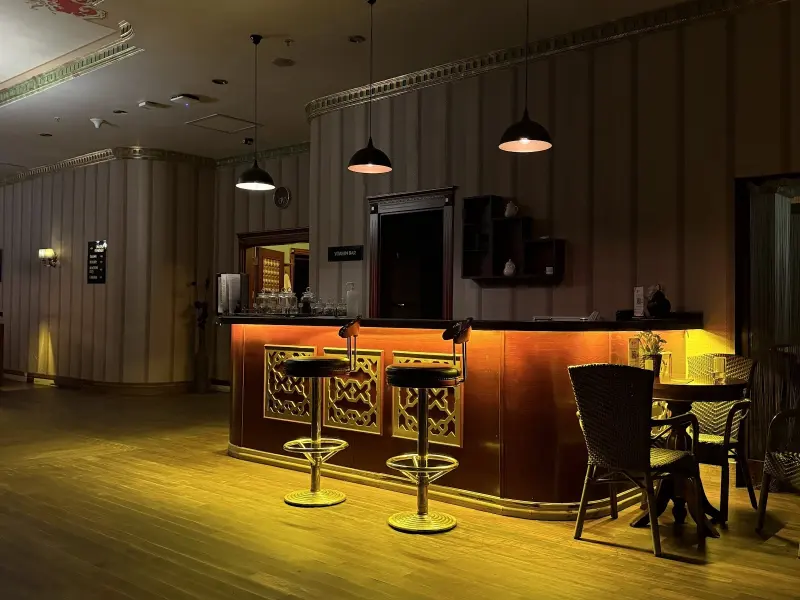
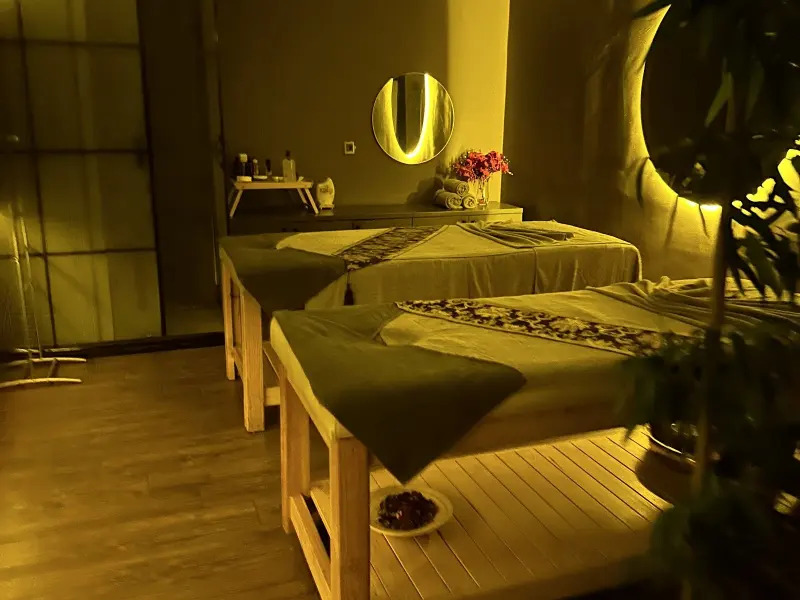
Closed · opens today at 07:30
Turkish BathKese ScrubFoam Massage
19 venues found
Closed · opens today at 07:30
Closed · opens today at 10:00
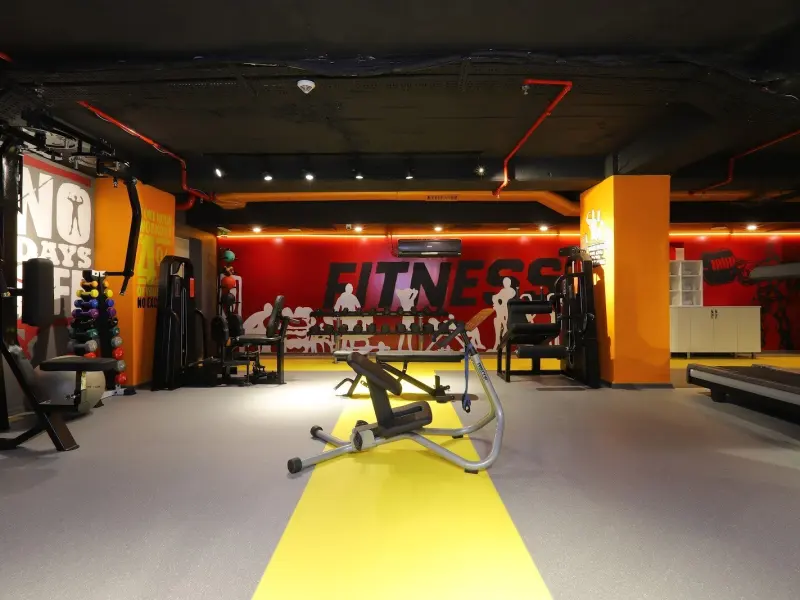
Closed · opens today at 12:00 Mixed
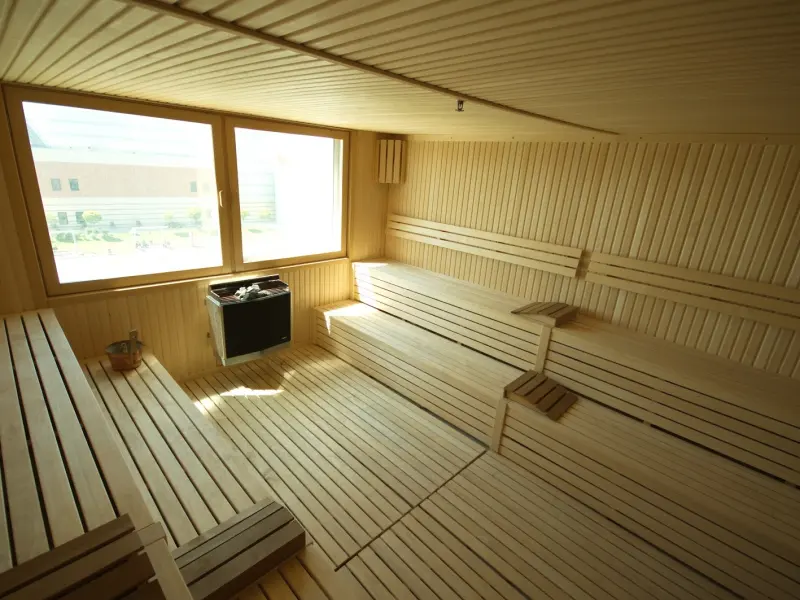
Closed · opens today at 10:00
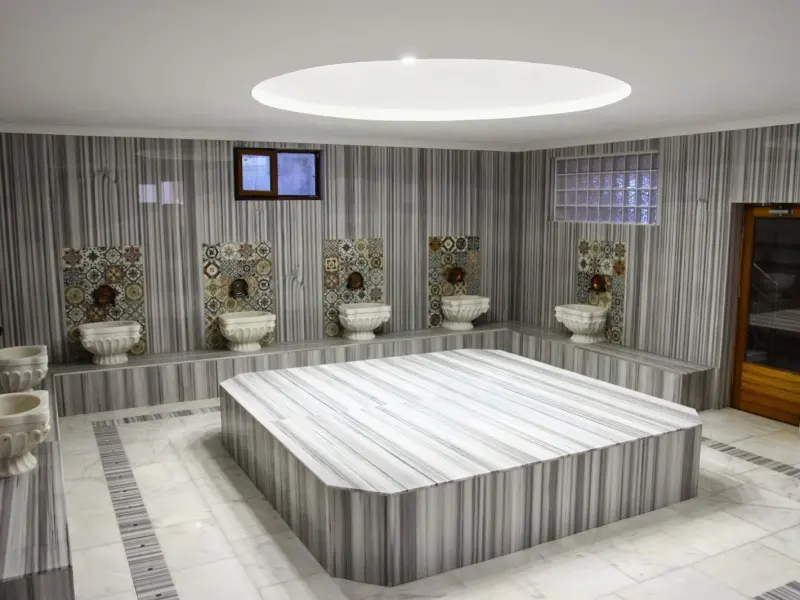
Closed · opens today at 09:00 Separate sections
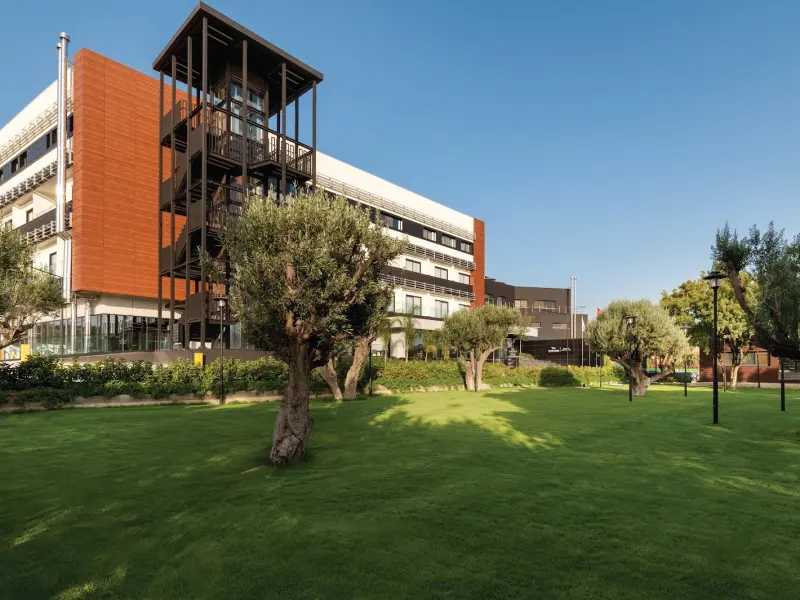
Separate sections
Closed · opens today at 08:00
Closed · opens today at 10:00 Mixed
Closed · opens today at 10:00 Mixed
Closed · opens tomorrow at 12:00 Mixed
Closed · opens today at 06:30
Closed · opens today at 10:00
Closed · opens today at 10:00
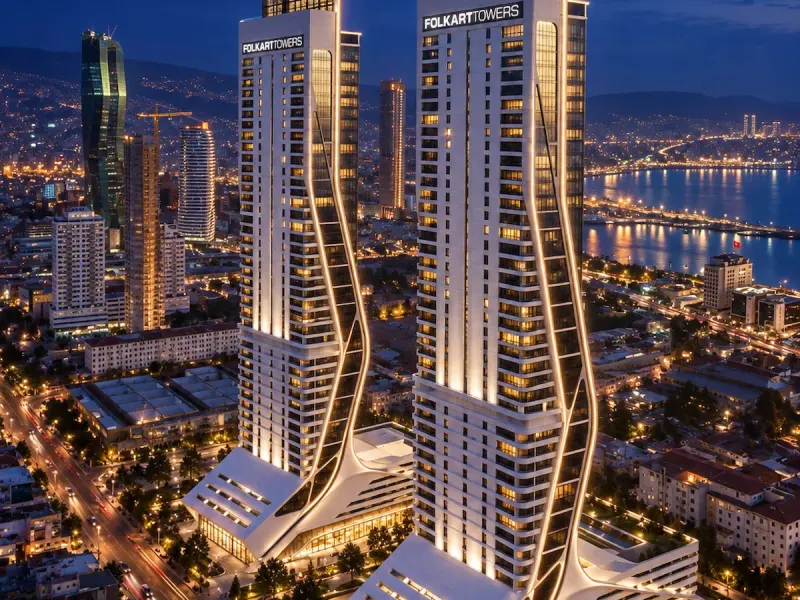
Closed · opens today at 10:00
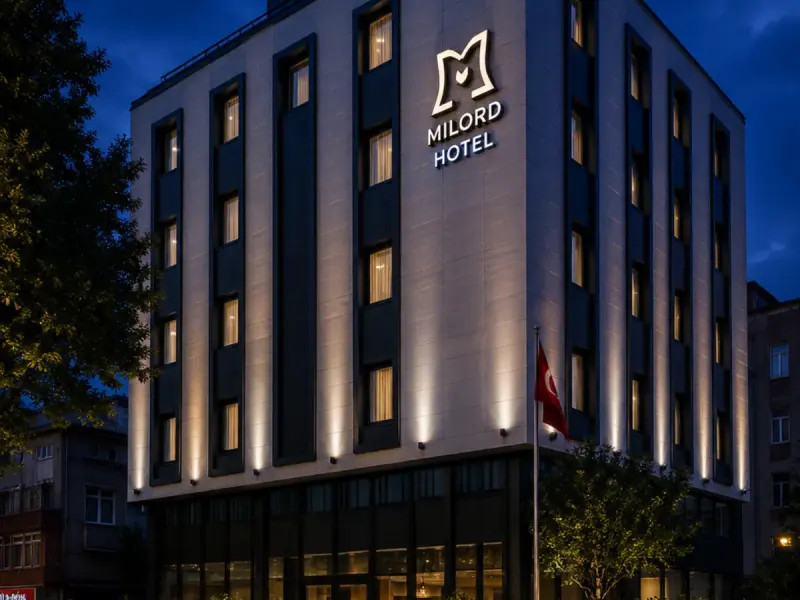
Closed · opens today at 10:00
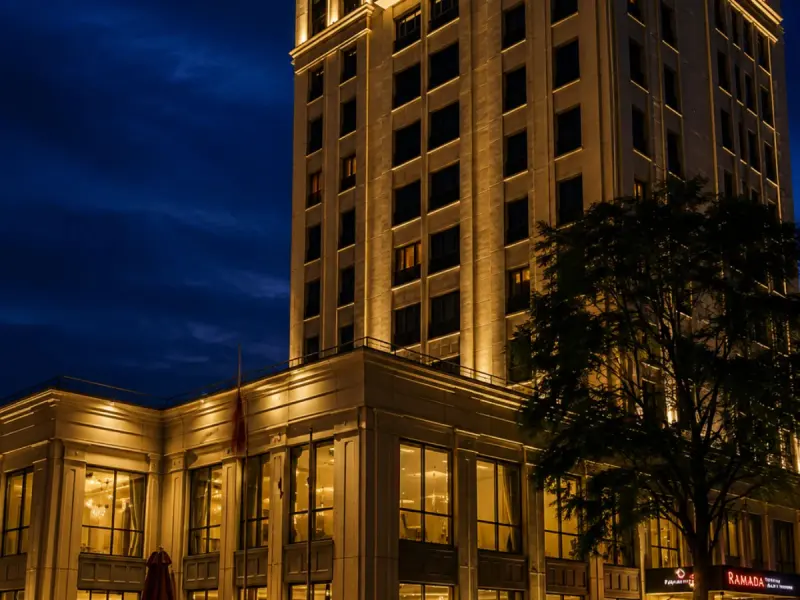
Closed · opens today at 10:00
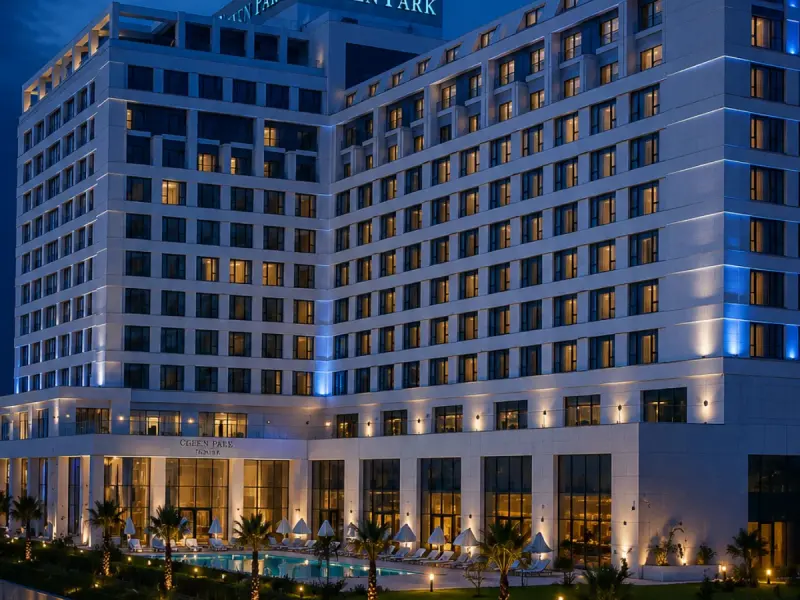
Closed · opens today at 10:00
The recommended order is based on rating and number of reviews, and on how complete and up to date a listing is. A paid membership does not change the order.
The map couldn't be loaded
Shiatsu is a massage technique from Japan that takes its name from the word shi-atsu, meaning ‘finger pressure’. No oil is used and clothes stay on; the therapist uses thumbs, palms, elbows and knees to apply perpendicular, steady pressure to specific points on the body, accompanied by stretching and joint mobilisation. The practice is based on the concept of meridians (energy channels) in East Asian tradition; in a spa setting, however, it is offered as a touch technique that helps reduce muscle tension and aids relaxation.
A shiatsu session is usually given on a mat (futon) laid on the floor, and at some venues on a massage table. In a short consultation you are asked about your complaints and your health. The work then moves between lying on your back, face down and on your side; a seated position may also be used for the neck and shoulders.
The pressure is rhythmic: it is held for a few seconds, released, and the therapist moves on to the next point. The therapist uses body weight rather than muscle strength and mostly applies pressure as you breathe out; throughout the session the work is expected to follow the rhythm of your breathing. Both sides of the spine, the shoulders, neck, arms, hands, legs and feet are worked; some schools also apply light palm pressure to the abdomen, and if you do not want this you can say so at the start. This pace creates a framework similar to Thai massage, but shiatsu involves less stretching and more point pressure.
45-90 minutes is common for shiatsu; 60 minutes is the most popular length. You are expected to come in comfortable, loose clothing; most venues provide their own clothing. Not having the session straight after a meal makes the pressure on the abdomen and back more comfortable. For people going with a specific tension complaint, the first sessions may be planned a week apart; for general relaxation, having it as needed is enough. No shower is needed after the session. Sitting for a while and drinking water prevents the slight light-headedness that can come from getting up suddenly.
In shiatsu, a noticeable but temporary tenderness is felt at the points where pressure is applied; the depth of the pressure is adjusted by talking to the therapist during the session. It may bring relief to people with neck and shoulder tension, stiffness in the back, muscle tension accompanying headaches, and stress. Slight tiredness or drowsiness after the session is normal. The concepts of meridians and ‘energy flow’ are traditional explanations; shiatsu is not a method of diagnosis or treatment and does not replace investigating the cause of ongoing pain.
Shiatsu is a practical option for those who do not like oil massage, those who do not want to undress and those who want to carry on with their day without showering after the session. People who like point pressure but do not want the intensity of deep tissue massage may also choose shiatsu. Being done fully clothed also makes things easier for those having a massage for the first time; while preparing for the session, have a look at the guide for those having a massage for the first time.
With osteoporosis, a herniated disc, a recent fracture, a joint replacement, advanced varicose veins, a history of deep vein thrombosis or a bleeding disorder, point pressure and stretching may be inadvisable; consult your doctor. If you take blood-thinning medication, tell the therapist. It is not given during a feverish illness or an active infection. In pregnancy, as certain points around the ankle and lower back need to be avoided, shiatsu should only be done by therapists trained in this area and with a doctor's approval.
Shiatsu is most often confused with other oil-free, pressure-based techniques. The main differences are:
| Treatment | Oil and clothing | Technique | Pace of the session |
|---|---|---|---|
| Shiatsu | No oil, clothed | Perpendicular, steady pressure on points, little stretching | Still, rhythmic |
| Thai massage | No oil, clothed | Mainly stretching and opening the joints | Active |
| Reflexology | No oil or a little cream; only the feet uncovered | Pressure on points on the sole of the foot | Still, focused on the feet |
| Swedish massage | With oil, under a cover | Long gliding and kneading strokes | Flowing, continuous |
The price of shiatsu is set by the session length, the therapist's training in this technique, the type and location of the venue, whether it is a weekend or a busy time, and whether use of facilities such as the sauna and hammam is included in the package. Because shiatsu requires separate training, not every massage therapist offers it, and it appears less often on massage menus. The shiatsu services listed on the site are at city hotel spas; at venues of this kind, ask separately whether use of the pool or sauna is included with the massage. For the general picture, see the guide what determines massage and spa prices. When booking, make the following clear:
No. Shiatsu is performed fully clothed and no oil is used. You are expected to come in comfortable, stretchy clothing; most venues provide cotton clothing. As you don't need a shower afterwards, it also works when time is short, such as during a lunch break.
Both are done without oil and fully clothed. Thai massage concentrates on stretching and joint-mobilising movements; shiatsu centres on applying perpendicular, steady pressure to specific points and involves less stretching. Thai is a more active session, shiatsu a stiller one.
You will feel distinct but temporary tenderness at the points where pressure is applied; it passes quickly once the pressure is released. Unbearable pain is not expected. The depth of pressure is adjusted during the session by talking to the therapist.
The usual length is 45-90 minutes; the most popular is 60 minutes. Shorter sessions usually focus on the neck, shoulders and back; in longer sessions the legs, arms and feet are included too.
It is often reported to bring relief from tension-type headaches linked to neck and shoulder tension. However, for frequent, severe or new headaches you should see a doctor first; massage is not a diagnostic method and can obscure an underlying cause.
Not without consulting your doctor. The stretching in shiatsu and the pressure applied around the spine can make symptoms worse in disc problems. Tell the venue about your diagnosis before your appointment; with that information the therapist will adjust the pressure or suggest a more suitable alternative.
Yes, shiatsu is regarded as a form of acupressure that developed in Japan. Acupressure is the general name for applying finger pressure to specific points; shiatsu adds stretching, joint mobilisation and a session structure covering the whole body. Acupuncture, done with needles, is a separate, medical practice; it is not among spa services.
No; although it may feel similar, it is not the same treatment. Massage chairs and cushions bearing the shiatsu name create a kneading sensation with rotating heads; they do not replace the pressure a therapist applies with their body weight, in time with your breathing and adjusted to you, or their stretching and joint work. They can be used for short-term relief, but consult your doctor before using one on a painful or diagnosed area.
Are you sure?
Choose one more venue to compare.