Separate sections
Separate sections
Turkish BathKese Scrub +1
31 venues without a price are not shown.
1 venue found
Separate sections
The map couldn't be loaded
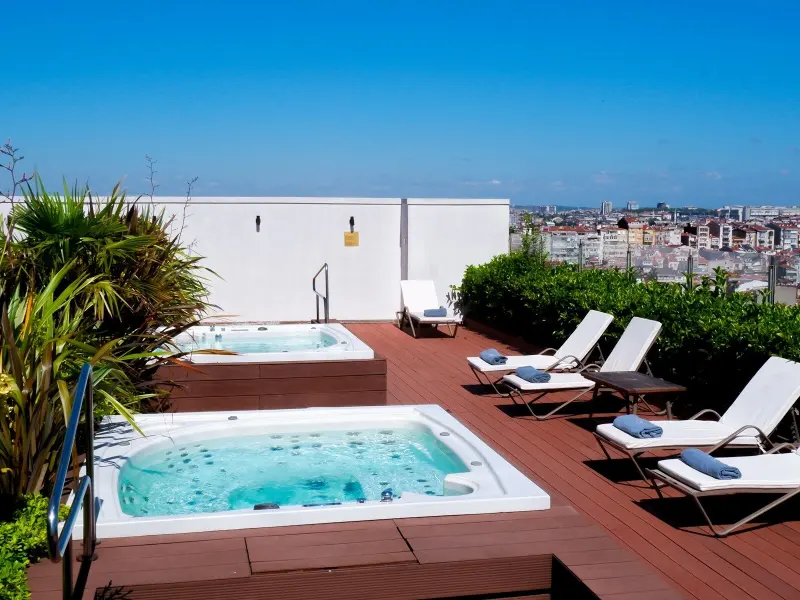
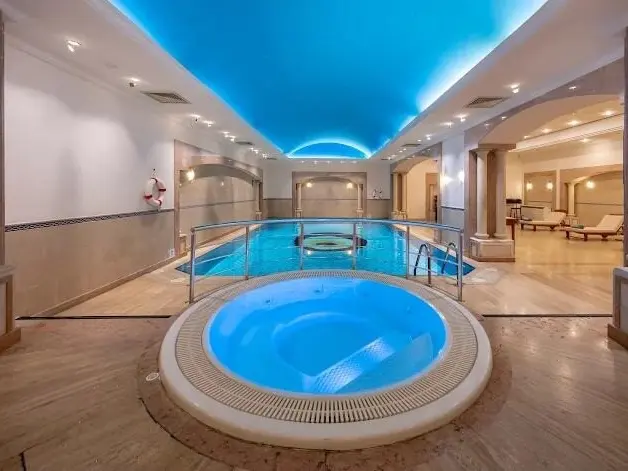
A Jacuzzi is a hot-water pool with jets built into its floor and walls that create a massage effect with pressurised water and air bubbles. The water temperature is usually 36-40 °C. The name comes from a brand that popularised this kind of jetted tub, and in Turkish it has become the general name for jetted hot pools.
In spa programmes the Jacuzzi is usually a transition station: it is used after the sauna or hammam to relax the muscles and to warm up before a massage. All of the listed venues are spas within hotels; among them are city hotel spas in Istanbul and Ankara, thermal hotels in Kızılcahamam, and two resorts, one by the sea and one in pine forests.
If you are going to use the Jacuzzi more than once in the same visit, let your body cool down in between. Staying in hot water for a long time leads to a drop in blood pressure; when getting out, sitting on the edge for a short while rather than standing up suddenly helps prevent dizziness.
The hot water and jets of a Jacuzzi relax the surface muscles and give a temporary boost to circulation. Because the buoyancy of the water reduces the load on the joints, moving in the water becomes easier; this is why people find it soothing after a long walk or a workout. However, a Jacuzzi does not replace a massage given by a therapist who assesses and works on the muscle tissue, and it does not remove the cause of pain. When it is planned for the same day as a massage, the Jacuzzi comes before the massage in most programmes.
Facilities offer the Jacuzzi in two forms. A shared Jacuzzi is part of the wet area; it is included in entry along with the pool and sauna, and several people use it at the same time. A private Jacuzzi, by contrast, is found in couples-only spa suites, VIP rooms or some hotel rooms; it is usually reserved for a set time and offered together with a massage or hammam package.
The Jacuzzi is most often confused with the thermal pool; the difference lies in the source of the water and the way it is used.
| Pool | Water and temperature | Use | Distinguishing feature |
|---|---|---|---|
| Jacuzzi | Heated mains water, 36-40 °C | Seated, 15-20 minutes | Massage effect from the jets |
| Thermal pool | Natural spring water, usually 34-40 °C | Short sessions, resting out of the pool in between | Mineral content that varies with the spring |
| Heated swimming pool | Chlorinated mains water, warm enough for swimming | Swimming and exercise | Large volume; you can stay in for a long time |
Because Jacuzzi water is hot and the jets constantly aerate it, it is favourable for the growth of microorganisms; because of its small volume, it also needs more frequent disinfection and water changes than a swimming pool. Asking about the venue's routine for this is a sensible way to choose; the clarity and smell of the water are indicators you can observe. Stay away from water that is cloudy or has foam lingering on its surface.
The hot water of a Jacuzzi widens the blood vessels and can lower blood pressure, so care is needed in some situations. Doctor's approval is needed for cardiovascular disease, uncontrolled high or low blood pressure, heart rhythm disorders, diabetes and epilepsy. It is not recommended during pregnancy; hot water is inadvisable when pregnant. Do not go in after drinking alcohol. It should not be used if you have a feverish illness, a urinary tract infection, a skin infection or an open wound. Children should not be left alone and their time should be kept short. Long hair should be tied up, as there is a risk of it getting caught in the suction outlets.
At most hotel spas the shared Jacuzzi is included in wet-area entry or in your stay; a private Jacuzzi is charged separately, depending on the time and the service that comes with it. The amount depends on the type of facility, whether day-use entry is offered to people not staying there, use of a private room, any massage or hammam ritual added to the package, and weekend and seasonal differences. How entry to hotel spas for outside guests works is covered in detail in the guide to day spa entry in Istanbul. Before you go, you can ask:
15-20 minutes at a time is recommended. Staying in hot water for a long time raises your body temperature and can lead to a drop in blood pressure and dizziness. Keep your head and neck out of the water and drink plenty of water.
Warm water and constant aeration create an environment in which microorganisms can multiply, so regular disinfection and water changes are essential. It is reasonable to ask the venue about its routine; the clarity and smell of the water are signs you can check for yourself. Do not get in if you have an open wound or a skin infection.
No. The jets give surface-level relaxation and a boost to circulation, but they cannot take the place of a therapist assessing and working on your muscle tissue. A jacuzzi is usually used as a warm-up station before a massage; the two complement each other.
It is not recommended. A rise in body temperature is harmful during pregnancy, and water at 36-40 °C causes exactly that. The wet floor also carries a risk of falling. Do not get in without consulting your doctor.
It is usually kept at 36-40 °C. Temperatures above 40 °C are not suitable for long periods and increase the risk of dizziness and weakness. If you find the temperature uncomfortable, stay in for a shorter time.
Do not get in after drinking alcohol. Tie up long hair — there is a risk of it getting caught in the suction outlets. Do not leave children unattended, and keep their time in the water short. If you feel dizzy, have palpitations or feel nauseous, get out slowly and ask for help.
This depends on the venue's rules; some facilities set an age limit for the jacuzzi or require children to be accompanied by an adult. Young children's body temperature rises faster in hot water than adults'; for this reason, their time should be limited to a few minutes and the child should never be left alone, even for a moment. Long hair should be tied back, and children should not be allowed to play near the suction outlets.
It is advisable not to in the first few days. When there is swelling and warmth in the area after a sprain, strain or knock, hot water can widen the blood vessels and increase the swelling. Wait until the swelling has gone down; if the pain persists or your joint movement is restricted, see a doctor first.
Are you sure?
Choose one more venue to compare.