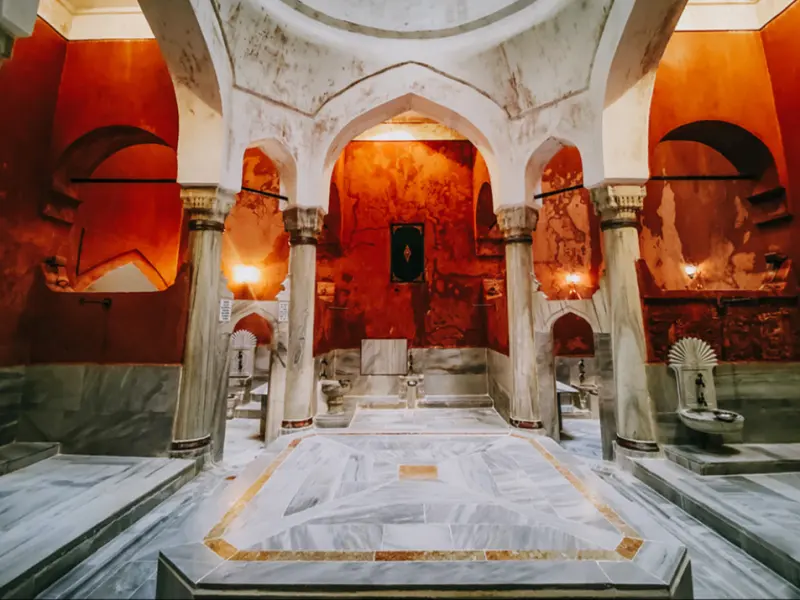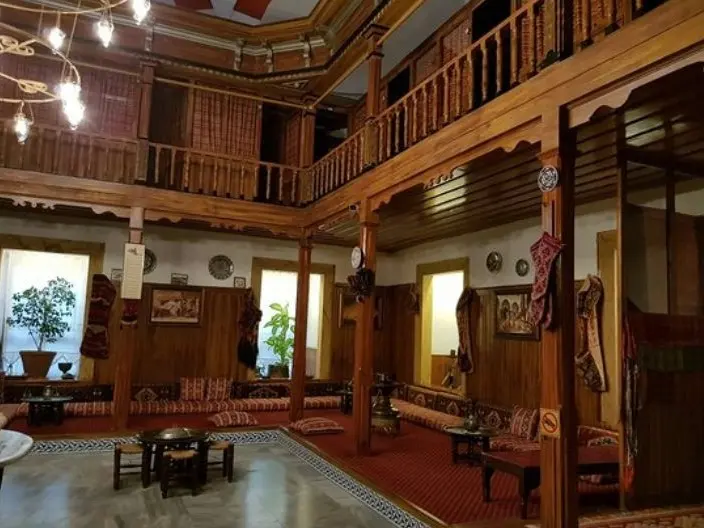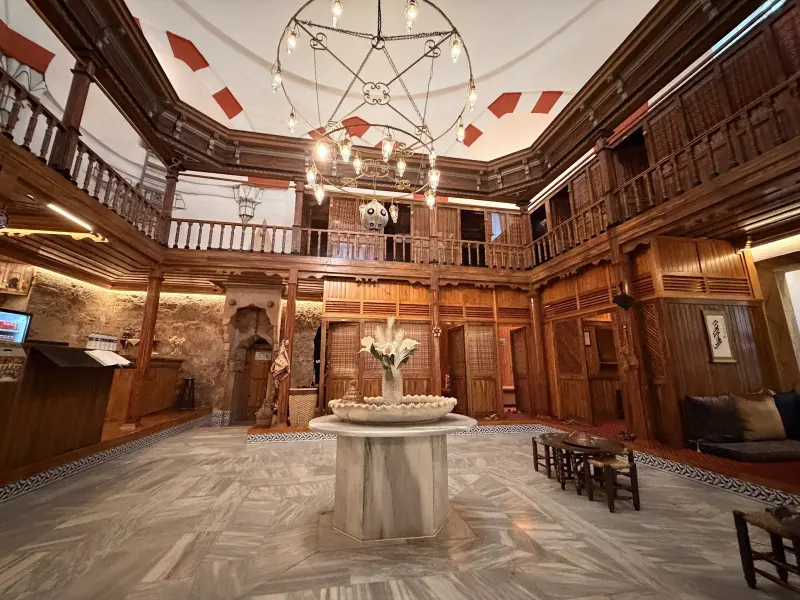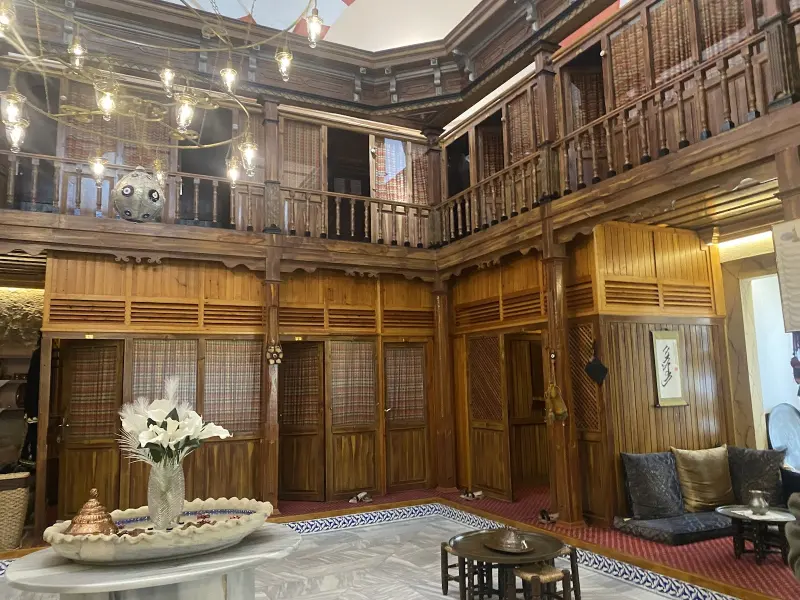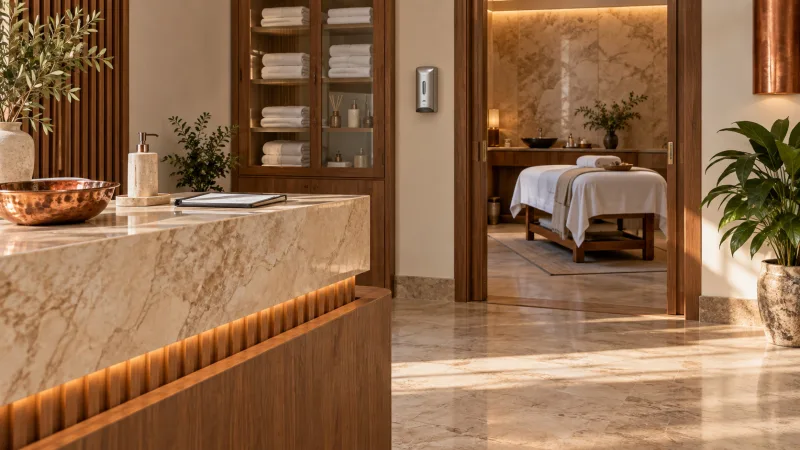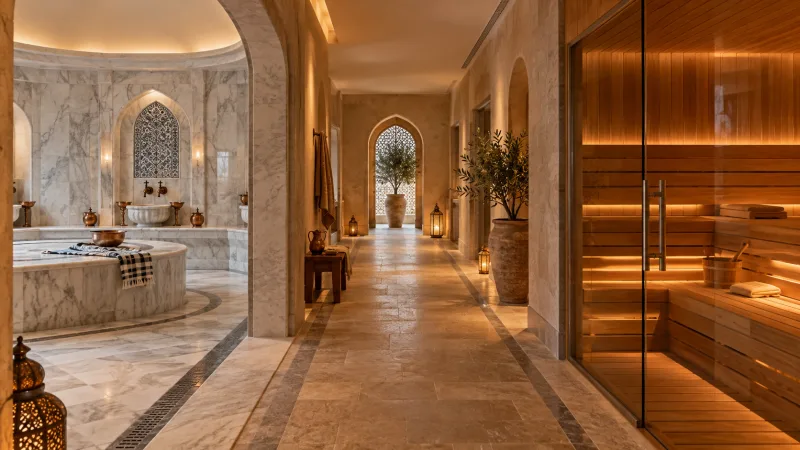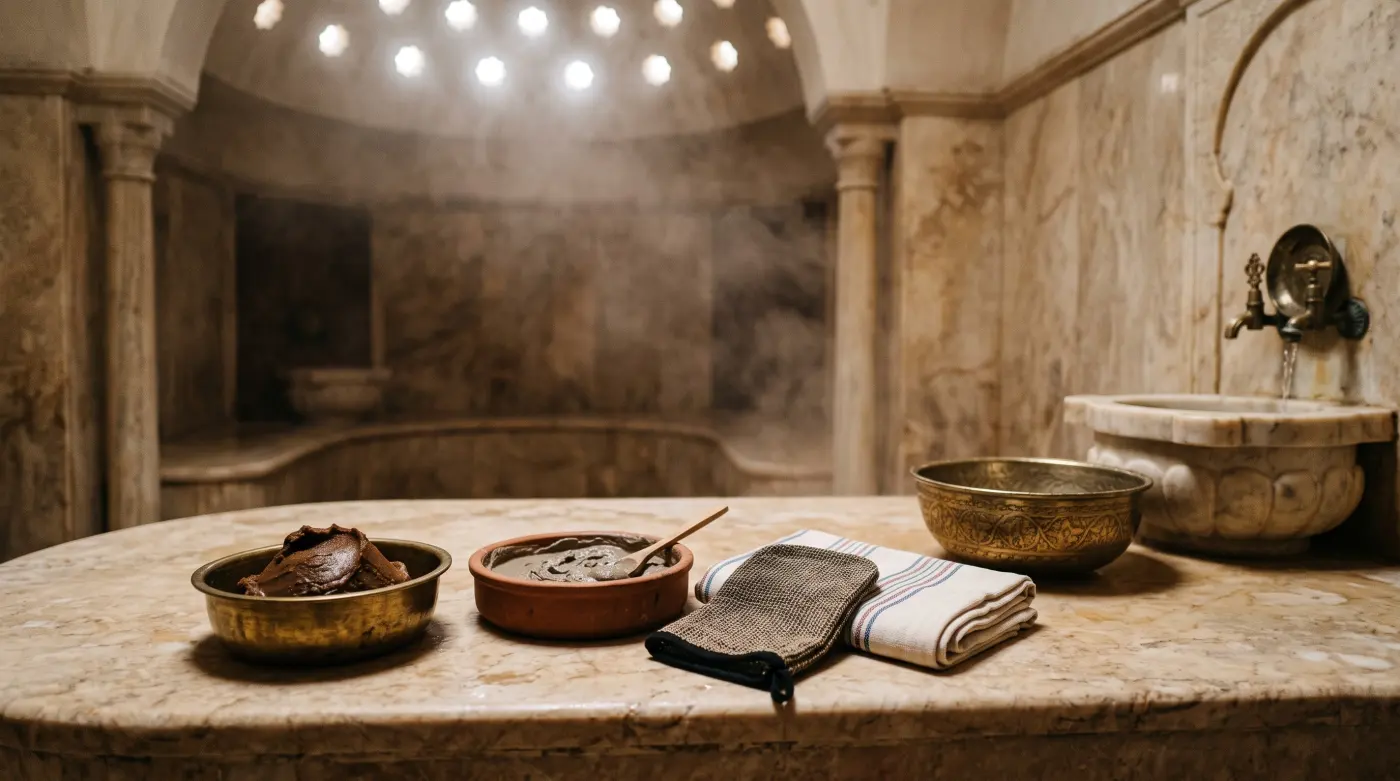
A Turkish bath and a Moroccan hammam are close relatives. Both grew out of Roman bathhouses and the Islamic tradition of washing, and both end with a scrub using a rough mitt. The difference is in the heat and the products: a Turkish bath has you sweat on a heated marble platform under a dome, then scrubs you and washes you in olive-oil soap foam, while a Moroccan hammam uses steam rooms, coats you in black olive soap before the scrub and often adds a ghassoul clay mask.
In Türkiye you can have a Turkish bath almost anywhere. A Moroccan ritual, sold as "Fas hamamı", is a spa menu item, and only one venue in our directory currently offers it.
Turkish bath vs Moroccan hammam: the six differences at a glance
The table sets the Turkish bath against the Moroccan hammam, point by point.
| Turkish bath (hamam) | Moroccan hammam | |
|---|---|---|
| 1. The heat | A domed hot room with a heated marble platform (göbek taşı) at its centre | Tiled steam rooms, each hotter than the last; no central platform |
| 2. The soap | Olive-oil soap whipped into a thick foam in a cloth bag | Black soap (savon beldi), a soft olive paste spread on and left to work |
| 3. The order | Sweat, scrub, then the foam wash | Black soap first, a wait in the steam, then the scrub |
| 4. The extra step | Foam massage | Ghassoul (rhassoul) clay mask; argan oil in spas |
| 5. Who scrubs you | An attendant (tellak for men, natır for women) | Yourself, a friend or a paid scrubber; an attendant in spas |
| 6. Time | Kese and foam 15–30 minutes; a full visit 1.5–2 hours | No set time traditionally; 50 minutes as a spa treatment in Türkiye |
The one thing the two share almost exactly is the mitt: kese in Turkish, kessa in Morocco.
Where both come from: Roman baths and the Islamic bathing tradition
The Turkish bath and the Moroccan hammam both descend from the public baths of Rome, which moved bathers through cold, warm and hot rooms. The Byzantine east kept that culture alive, and the oldest known Islamic hammams were built in Syria and Jordan under the Umayyads (661–750), Qusayr 'Amra among them. Islam's emphasis on bodily cleanliness and ritual washing made the bathhouse a fixture of Muslim cities.
Then the two lines grew apart. Ottoman builders made the domed hot room the heart of the bath and, instead of a separate sweating room, put a raised, heated marble platform in its centre: the göbek taşı, or "navel stone". In the Maghreb, hammams stayed smaller and discreet, usually next to a mosque for washing before prayer, with a changing room followed by cold, warm and hot rooms. The 14th-century Hammam as-Saffarin in Fes still has that layout and still serves its neighbourhood. Neither bath is the "original": they are siblings.
The rooms and the heat: marble platform or steam rooms
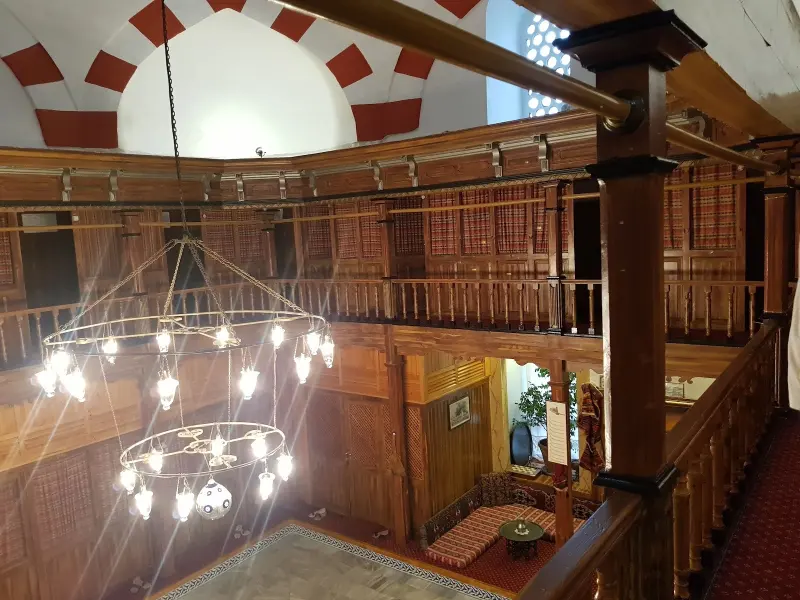
A Turkish bath is built around its hot room. You undress in the camekân (changing hall), pass through a warm room and spend most of your time in the sıcaklık, the hot room, under a dome pierced with small glass lights. You lie on the göbek taşı, heated by a furnace below, and sweat; later the attendant scrubs and washes you on the same stone. Marble basins around the walls run hot and cold water, poured over you from a metal bowl.
A Moroccan hammam has no centrepiece. You move through tiled rooms that get hotter as you go, and the warm room, not the hot one, is traditionally the largest. A furnace behind the hot room heats the floors and the water, the air is thick with steam, and you wash from buckets you fill yourself at hot and cold taps.
Neither bath reaches sauna temperatures; both feel intense because the air is humid. Our guide to how hot a hammam is gives room-by-room figures for a Turkish bath.
The products: olive-oil foam and kese vs black soap, ghassoul and kessa
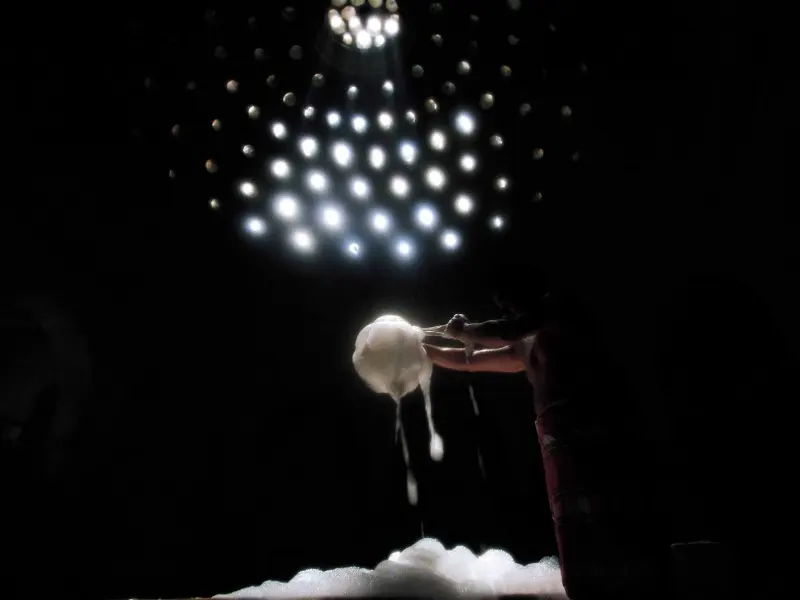
Turkish bath. The kese is a rough mitt rubbed over skin that the heat has already softened; it should never hurt. The foam comes from olive-oil soap: the attendant soaks a cloth bag in soapy water, fills it with air and squeezes out a dense foam over your whole body. Our guides explain how the kese scrub is done and how often to have it and what a foam massage is.
Moroccan hammam. Black soap, savon beldi, is a dark, soft paste made from olives and olive oil. It is spread over the whole body, left on in the heat for a few minutes and rinsed off; then the kessa glove does the scrubbing. Ghassoul (also spelt rhassoul) is a mineral clay mined in the Moulouya valley on the edge of the Middle Atlas, about 200 km from Fes. Mixed with water, sometimes rose water, it becomes a mask for the hair, face and body. Whatever the labels say, there is little formal research on what ghassoul does for the skin: enjoy it as a ritual, not a remedy.
The order of the ritual, step by step
The biggest practical difference between a Turkish bath and a Moroccan hammam is when the soap arrives. In a Turkish bath the soap comes after the scrub, as foam; in a Moroccan hammam it comes first, to soften the skin for the scrub.
A Turkish bath, as Süleymaniye Hamamı in Istanbul lays it out:
- Change into a peştemal (cotton wrap) and slippers.
- Warm up and rest on the marble platform, about 30 minutes.
- Kese scrub by the attendant.
- Soap wash and foam massage, then a rinse with bowls of warm water.
- Rest in the cool room with a drink.
Steps 3 and 4 together take 30 minutes there. Our step-by-step guide to the Turkish bath covers each stage.
A traditional Moroccan hammam:
- Undress, fill your buckets and warm up in the steam.
- Cover yourself in black soap and wait five minutes or more.
- Rinse, then scrub with the kessa.
- Wash your hair and apply the ghassoul mask.
- Rinse, and finish with argan oil: as a massage in a spa, or by yourself in the changing room.
In a spa an attendant does all this; in a Moroccan public hammam you scrub yourself, ask a neighbour or pay a kessala, the hammam's scrubber.
How each one feels, and how long it takes
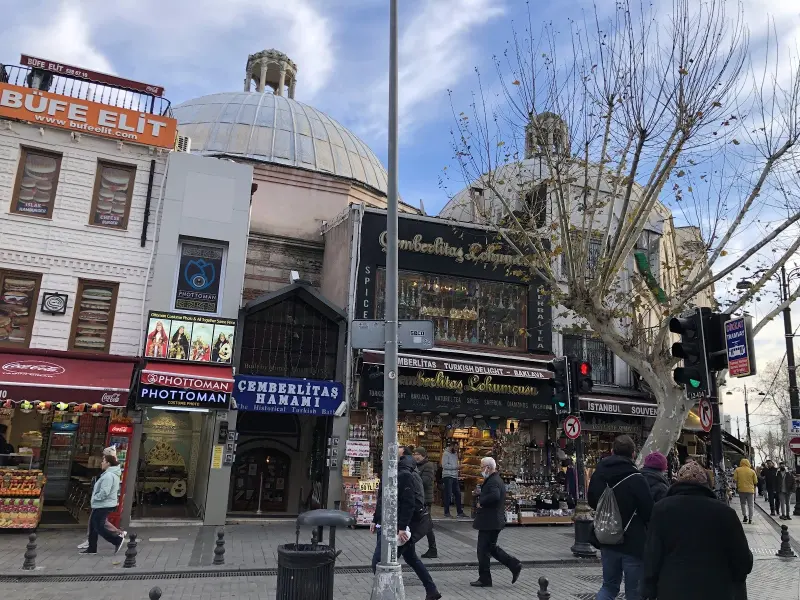
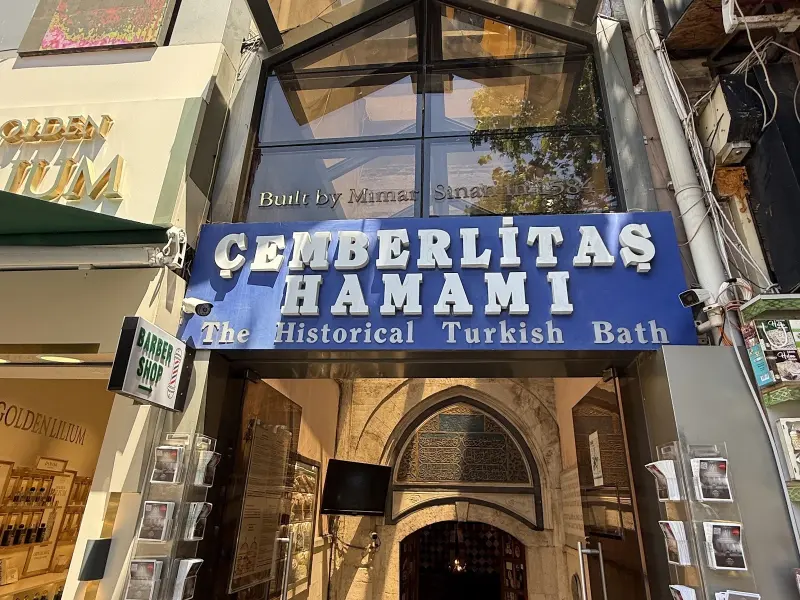
The Turkish bath's kese is brisk, and the foam that follows is slippery, warm and light: more a soothing wash than a deep-tissue massage. The treatment itself is short. At Çemberlitaş Hamamı, kese and foam take 15 minutes and cost 4,050 TL (72 €) in October 2026, with no time limit on your stay. Süleymaniye's all-inclusive package costs 90 € in October 2026 and runs about 105 minutes. Other historic hammams are compared in Istanbul hammam prices 2026.
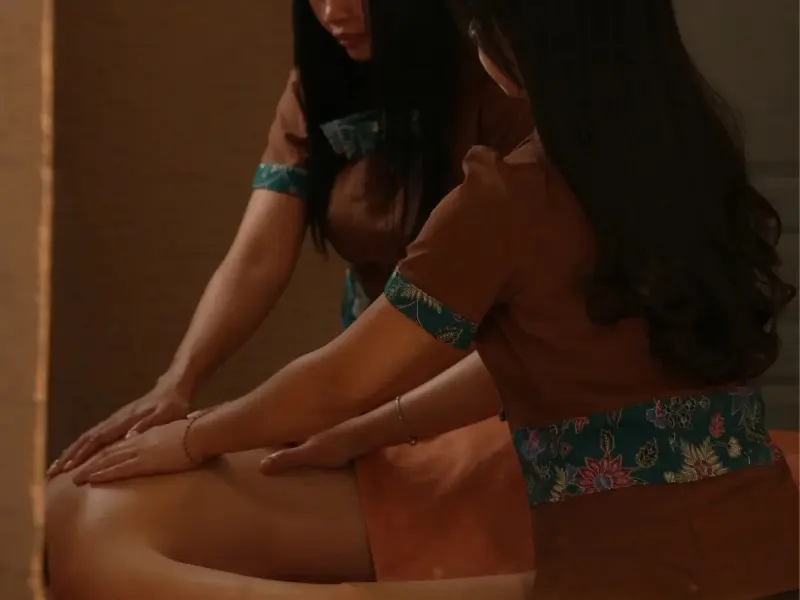
A Moroccan hammam ritual is slower because of the waiting: the black soap sits on you in the steam before anyone picks up the glove, and the clay needs time too. On the Aqua Plus spa menu, the Moroccan ritual takes 50 minutes against 30 for the classic Turkish bath. Traditional Moroccan bathhouses have no set duration; for many Moroccans the weekly hammam visit is a social outing as much as a wash.
Where to have each in Türkiye
The Turkish bath is everywhere in Türkiye: historic hammams, neighbourhood hammams, and hotel and day spas in every large city, nearly always with kese and a foam massage on the menu. Browse the venues offering a Turkish bath city by city.
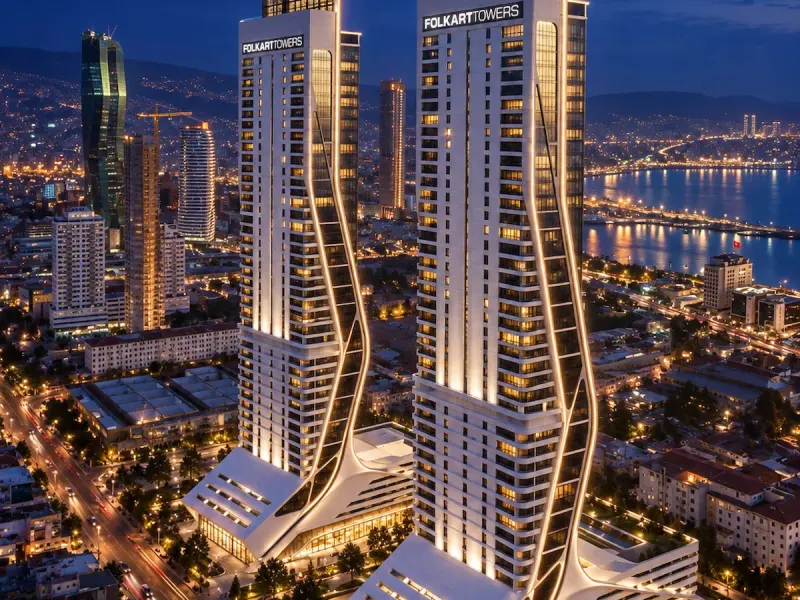
The Moroccan hammam, "Fas hamamı" in Turkish, is a spa treatment rather than a kind of building. In our directory one venue currently offers it: Aqua Plus Folkart Towers in Bayraklı, İzmir. Its 50-minute "Oryantal Fas Hamamı" is a warm-up in the hot hammam, black soap, kese and a clay mask, then a rinse. The spa is open daily from 10:00 to 22:00, does not publish the price, and is the only Aqua Plus branch offering the ritual. Our Moroccan hammam page lists every venue in the directory that offers it.
Know what you are booking: in Türkiye you get the Moroccan products and order, usually in the spa's own hammam, not a row of Moroccan steam rooms. In Istanbul, ask a spa whether it can add black soap or clay to a hammam treatment.
Which to choose: who each one suits
Choose the Turkish bath if:
- it is your first hammam and you are in Istanbul, where the historic buildings are half the experience;
- you are short of time: kese and foam take about 15 minutes after the warm-up;
- you are a couple or a mixed group: Süleymaniye admits men and women together, while double hammams such as Çemberlitaş have separate sections.
Choose the Moroccan hammam if:
- you have had a Turkish bath and want to try another tradition;
- your skin is dry or rough and you like a slower ritual that ends with a mask;
- you would rather have more steam and fewer suds.
Either way:
- Skip the scrub if you have sunburn, open cuts or active eczema, and leave at least 24 hours after waxing or shaving.
- If you are pregnant, or have a heart condition or high or low blood pressure, check with your doctor before any hot bath.
- Drink water, and stand up slowly when you leave the heat.
- A harder scrub is not a better one: ask for a lighter touch if it stings.
Sources
- Semavi Eyice, "Hamam", TDV İslâm Ansiklopedisi: Roman and Byzantine roots, Umayyad baths, Maghreb plans, Ottoman rooms and the göbek taşı (checked October 2026)
- Wikipedia: Hammam: earliest Islamic hammams, Maghreb room sequence and steam rooms (checked October 2026)
- Wikipedia: Hammam as-Saffarin, Fes: 14th-century layout, furnaces and buckets (checked October 2026)
- Wikipedia: Rhassoul: origin of ghassoul clay and its use in Moroccan hammams (checked October 2026)
- Morocco World News: The traditional Moroccan hammam, history, steps and benefits: the steps of a Moroccan hammam (checked October 2026)
- Aqua Plus: Oryantal Fas Hamamı: steps, duration, branch and hours (checked October 2026)
- Süleymaniye Hamamı: price: price and timing of the hammam experience (checked October 2026)
- Çemberlitaş Hamamı: prices: kese and foam package (checked October 2026)
This article was written by the Spa Deneyimi editors. Rankings and verification badges cannot be bought.