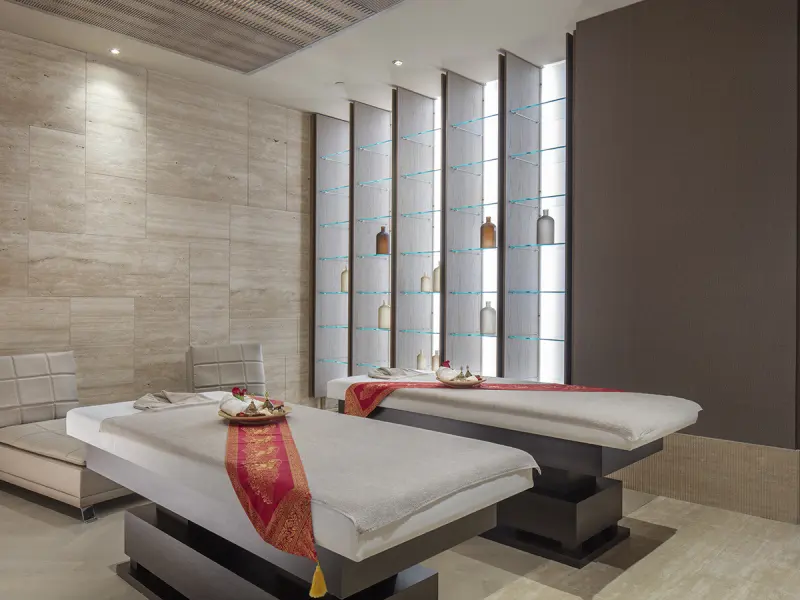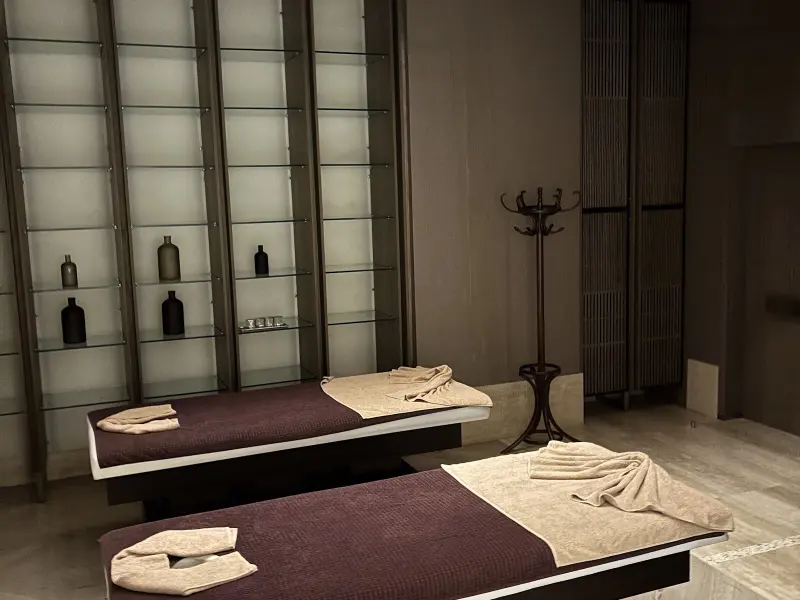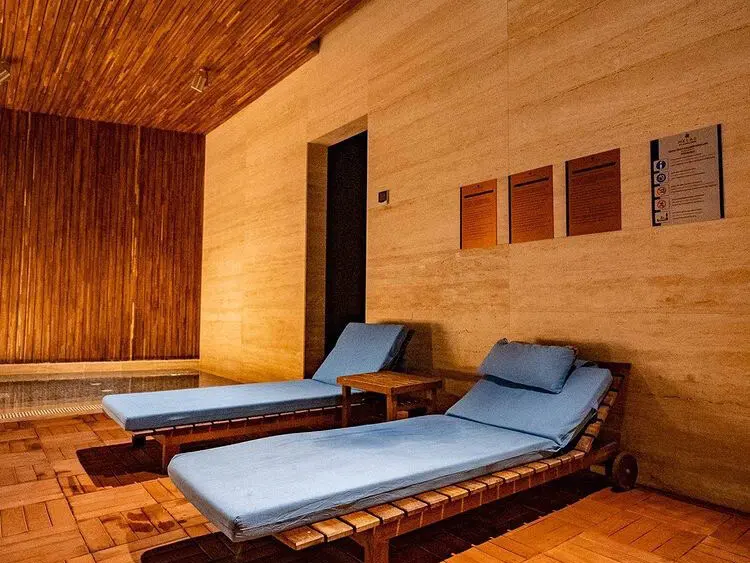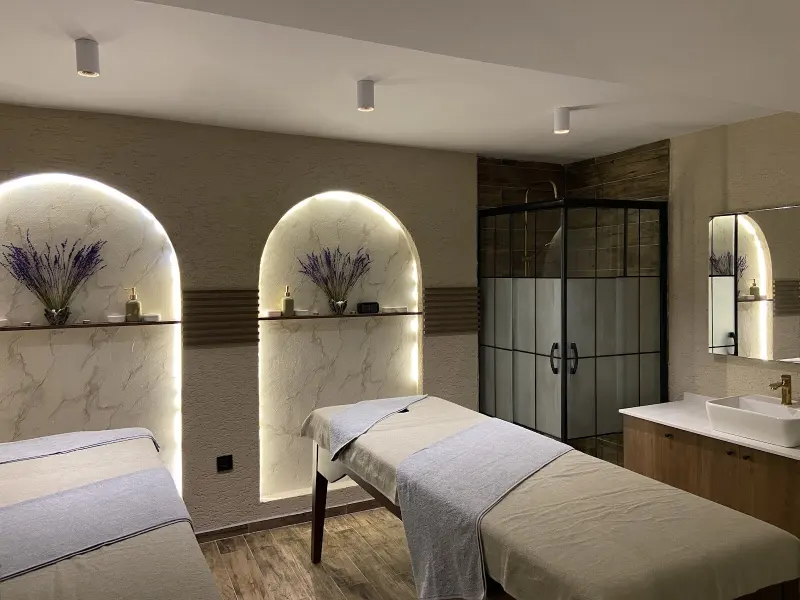
At most venues the steam room and sauna sit side by side and are often confused. Yet they work on opposite principles.
The key difference
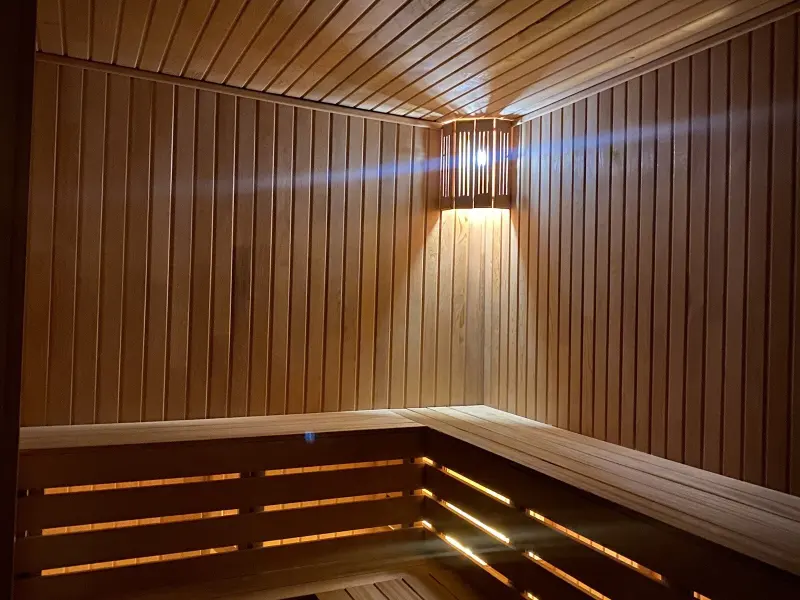
| Sauna | Steam room | |
|---|---|---|
| Temperature | 70-100 °C | 40-50 °C |
| Humidity | 10-20% | 100% |
| Type of heat | Dry | Humid |
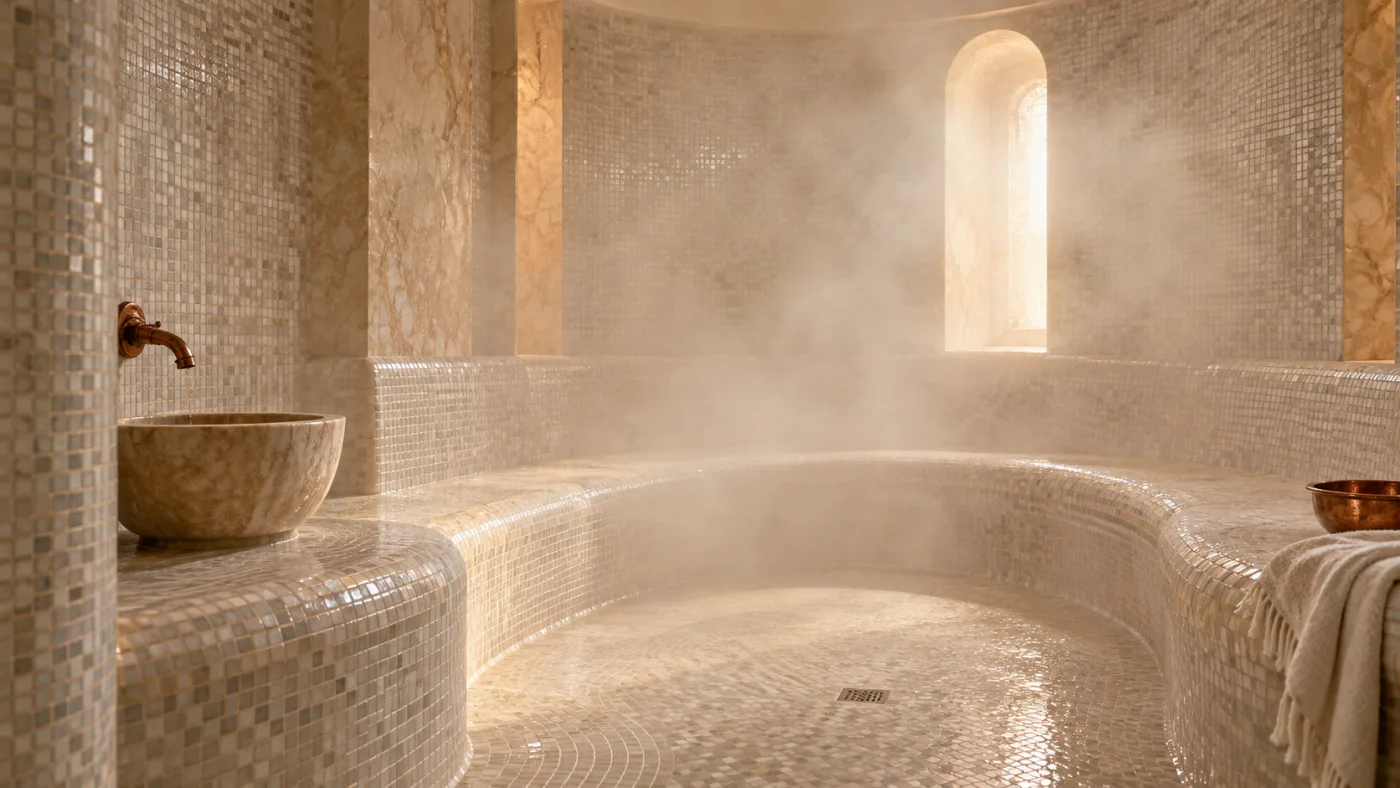
| Surfaces | Wood | Tiles, marble |
| Sweat | Evaporates | Stays on the skin |
A steam room can feel more demanding despite its lower temperature: with the humidity at 100%, sweat cannot evaporate, so the body struggles to cool itself down.
Which suits whom?
The sauna is for those who can tolerate dry air, want their muscles to relax and enjoy high temperatures.
The steam room feels more comfortable for those who find high temperatures hard and whose throat and nose are bothered by dry air. The humid air does not dry out the airways.
It is a matter of preference; neither is "better".
How long to stay
- Steam room: 10-15 minutes; 5-10 minutes if it is your first time
- Number of rounds: 2-3, with a cool-down in between
Things to watch out for
- The floor is slippery. Steam room floors are wet and tiled; wear slippers and move slowly.
- Visibility drops. In thick steam you may not be able to see who is sitting there.
- Do not wear contact lenses. The humidity can make them uncomfortable.
- Take off jewellery. Metal heats up.
If you have a heart, blood pressure, circulation or breathing condition, are pregnant or take regular medication, consult your doctor before using it.
Salt room and snow room
Some venues also have a salt room (walls lined with salt blocks, mildly warm and dry) or a snow room (for cooling down, around 0 °C). The snow room is used for the cool-down step after the sauna.
Where can you find one?
Venues with a steam room are usually hotel spas and wellness centres. If you will also be using the sauna and hammam on the same visit, check what order to use them in.
This article was written by the Spa Deneyimi editors. Rankings and verification badges cannot be bought.