
Closed · opens today at 10:00
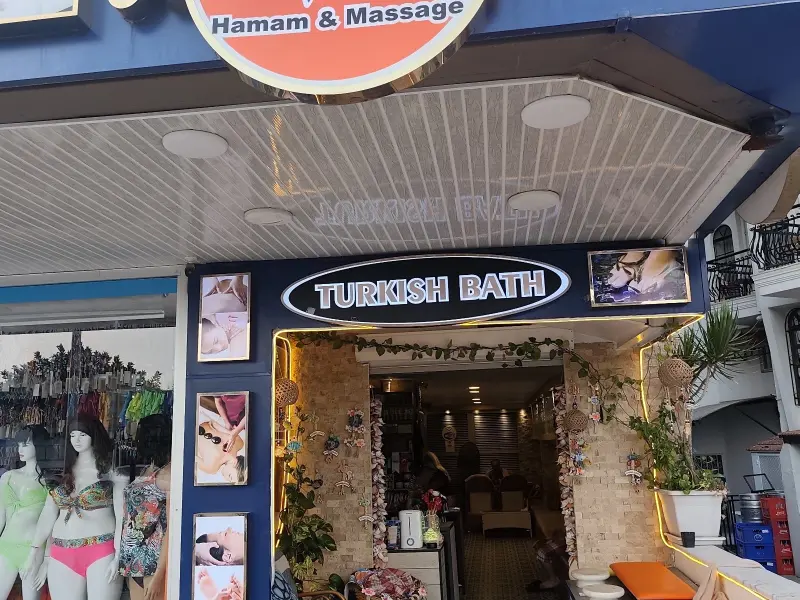
Turkish BathKese ScrubFoam Massage
7 venues without a price are not shown.
2 venues found
Closed · opens today at 10:00
Separate sections
The recommended order is based on rating and number of reviews, and on how complete and up to date a listing is. A paid membership does not change the order.
The map couldn't be loaded
Lymphatic drainage massage (manual lymphatic drainage) is a massage technique that stretches the skin towards the lymph nodes with very light, slow, rhythmic movements. Its aim is not to knead the muscles but to support the flow of fluid in the lymph vessels beneath the skin. This is why its pressure is noticeably lighter than in classic massages.
Lymphatic drainage massage is based on the technique developed by the Danish couple Emil and Estrid Vodder, which is why it is also known as the Vodder method. The client usually lies on their back. The therapist first works around the neck and collarbone, then the areas where lymph nodes are concentrated, such as the armpits and groin; the arms and legs come last. The movements are circular, pumping and scooping strokes made with the palms and fingers; each stroke gently stretches the skin and then releases it. Because the skin must not slide, either no oil is used or only very little.
The treatment can cover the whole body or just a single area such as the legs, abdomen or face. On spa menus the same name may also be used for a treatment with a pressure-boot device known as pressotherapy; the manual technique and the device treatment are different services.
A full-body lymphatic drainage session usually lasts 45-60 minutes; sessions focusing on a single area come down to 20-30 minutes. Because the movements are slow and repetitive, it is normal to fall asleep during the session. The lightness felt after the session, however, is temporary. For this reason, venues may recommend a series repeated at set intervals rather than a single session; the number and frequency of sessions should be decided together with the therapist according to what you expect.
Lymphatic drainage massage is chosen by people who stand or sit for long periods, those whose legs feel heavy after travelling and those who do not like firm pressure. The light, repetitive movements may help you relax and may reduce the feeling of temporary swelling. The treatment does not flush out toxins, does not make you lose weight and does not permanently change the appearance of cellulite.
In the following cases lymphatic drainage is not given, or a doctor's approval is needed first:
Lymphatic drainage massage is most often confused with treatments aimed at cellulite. Anti-cellulite massage and maderotherapy use firm, fast pressure on the hips and legs and can cause redness or bruising; lymphatic drainage, by contrast, is light enough to leave no mark on the skin. Swedish massage kneads the muscles with gliding, oiled strokes and aims at general relaxation; in lymphatic drainage there is no kneading, and only the surface of the skin is worked. If you are simply looking for a more familiar option for tiredness in the feet and calves, foot and leg massage is also worth considering.
When making an appointment for lymphatic drainage massage, asking these questions makes it easier to tell whether the session matches what you expect:
Because most of the lymph vessels it targets lie just beneath the skin, lymphatic drainage is done with light pressure. The technique relies on stretching the skin, not the muscles; firm pressure that kneads the muscles does not serve this purpose. That is why it is normal to feel almost no pressure during the session.
It may help ease the temporary feeling of swelling caused by standing for long periods or by travelling, but the effect is not permanent. Swelling with no known cause, swelling that keeps getting worse or swelling on one side only may be a sign of illness; in that case, see a doctor before having a massage. For oedema caused by heart or kidney problems, lymphatic drainage is not given without a doctor's approval.
No. Diagnosed lymphoedema calls for a treatment programme directed by a doctor rather than a spa session. These programmes are run by physiotherapists trained in lymphoedema and, alongside manual drainage, usually include compression bandaging or stockings. The relaxing lymphatic drainage offered at spas does not replace this treatment.
The surgeon who performed the operation decides when to start. When lymphatic drainage begins, which areas it covers and how many sessions it lasts depend on the type of operation and how healing progresses. When making your appointment, tell the venue the type and date of the operation; the stitches and the wound area must not be touched without the surgeon's approval.
The session starts around the neck and collarbone because this area is close to where lymph fluid rejoins the bloodstream. The technique is based on working this central area first and then moving out towards the arms and legs. So even if you book for your legs only, it is normal for the session to start at the neck or abdomen.
Are you sure?
Choose one more venue to compare.