Pilates is an exercise method that focuses on strengthening the deep muscles that wrap around the trunk, improving posture and performing movements in a controlled way together with the breath. It takes its name from Joseph Pilates, who developed the method. It has two main forms: mat Pilates, done on a mat using body weight, and reformer Pilates, done on a machine with springs and a sliding platform.
How does a Pilates class work?
A Pilates class usually begins with breathing and alignment work. The instructor shows the neutral position of the spine, how to breathe into the ribs and how to engage the muscles around the abdomen and lower back. Then come trunk, hip and leg movements lying on your back, side and front; the movements are done with few repetitions, slowly and with control. Mat classes may use small props such as balls, resistance bands and rings. In reformer classes the spring resistance is adjusted to the person's level; the machine is used both to make a movement harder and to support it. The class ends with stretching and relaxation.
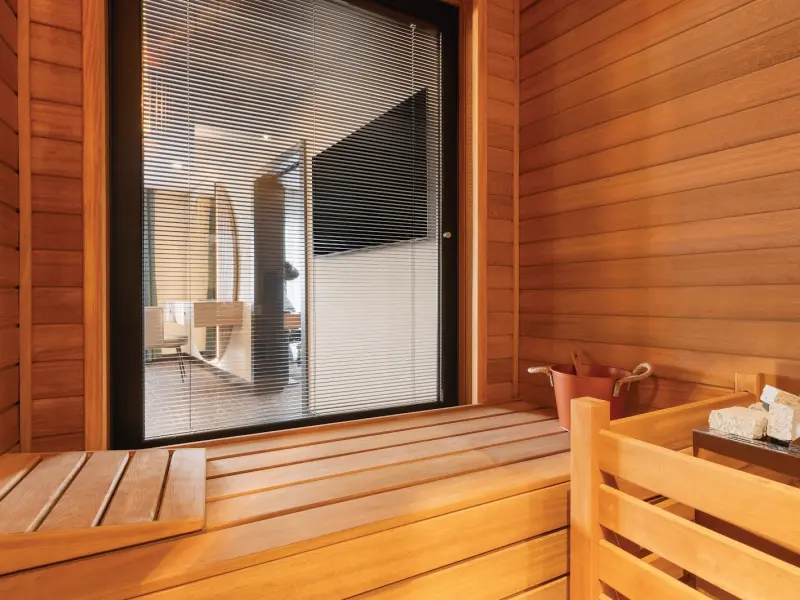
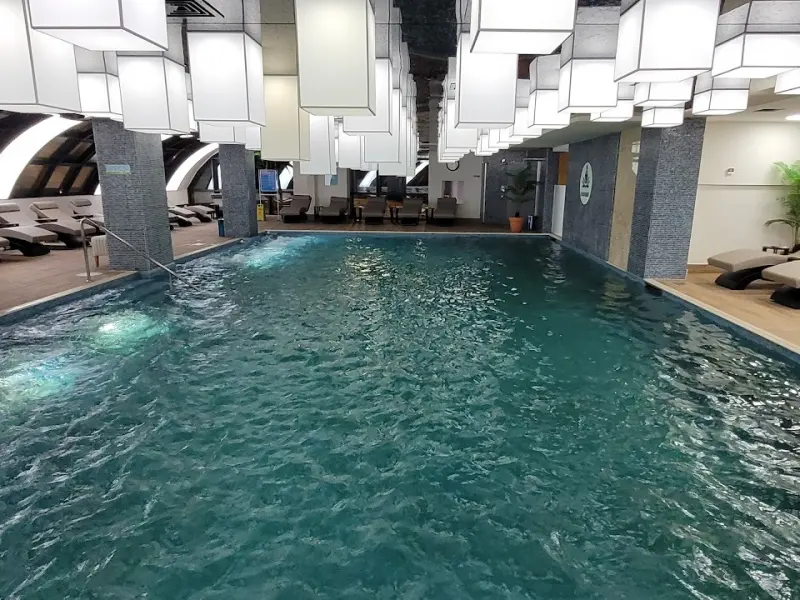
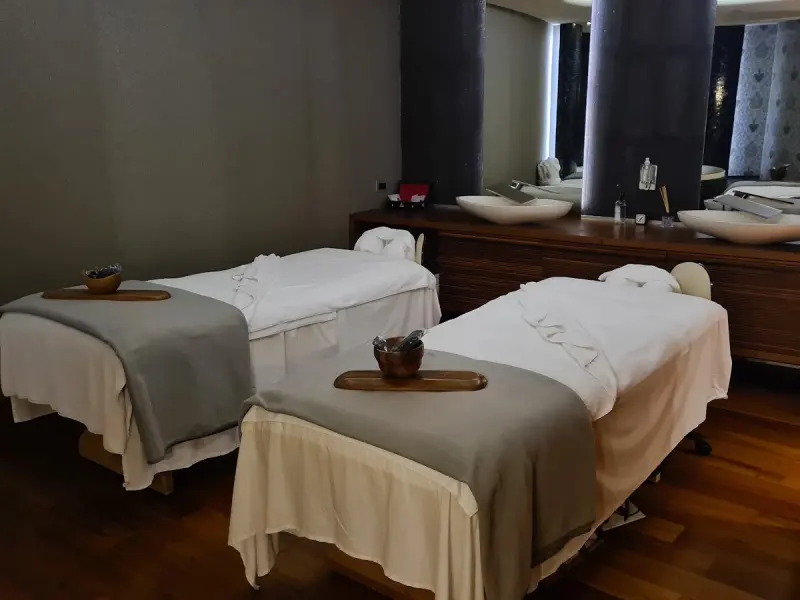
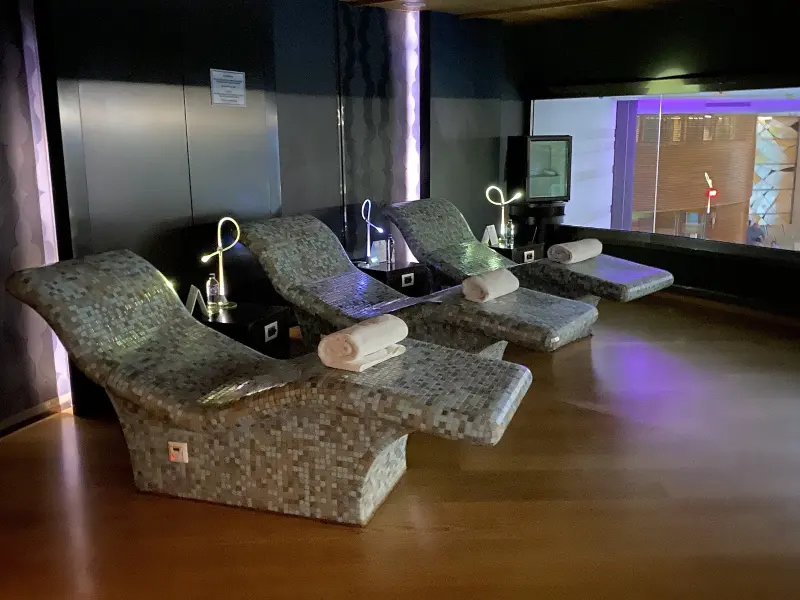
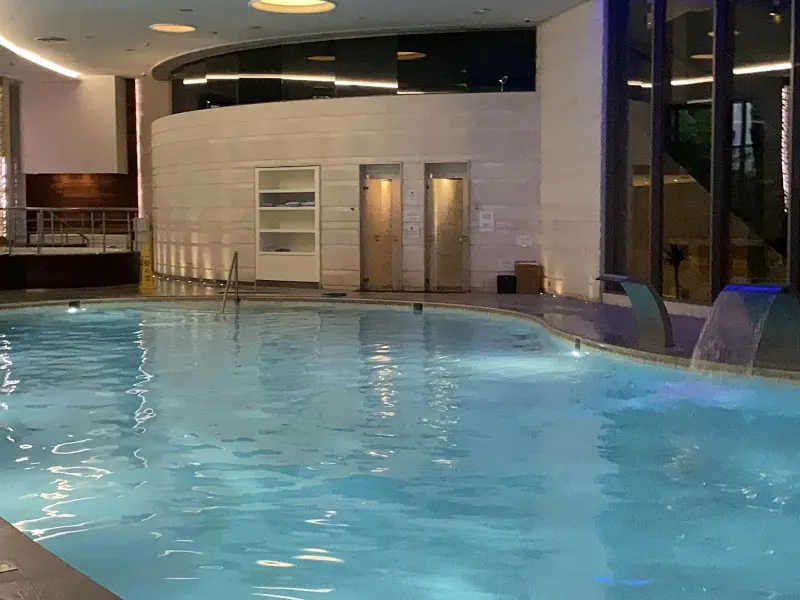
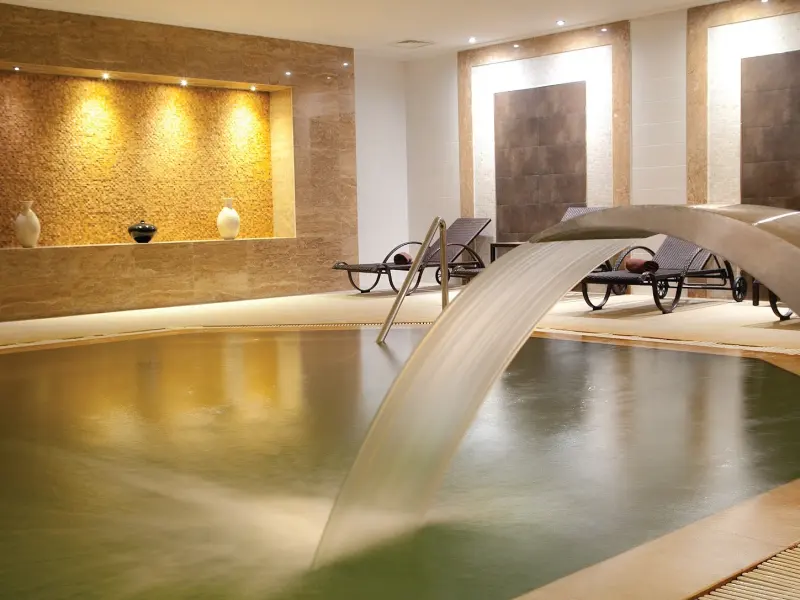
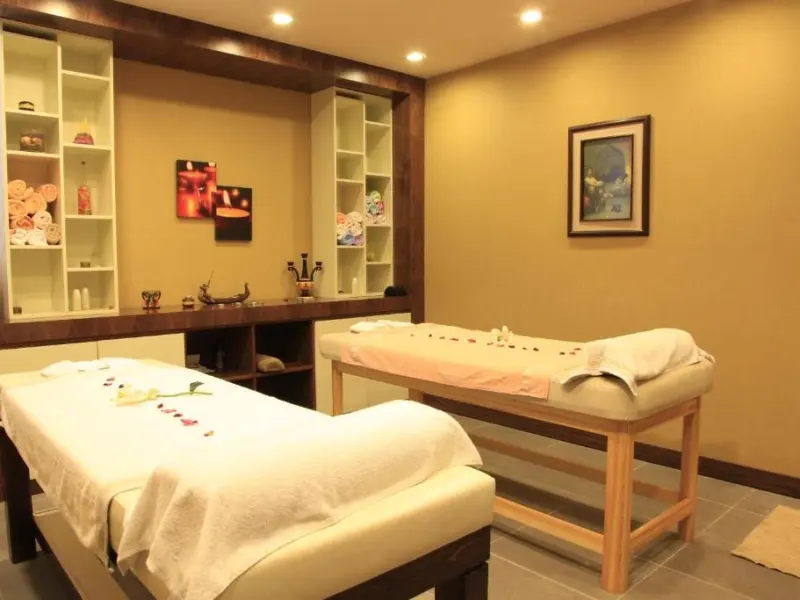
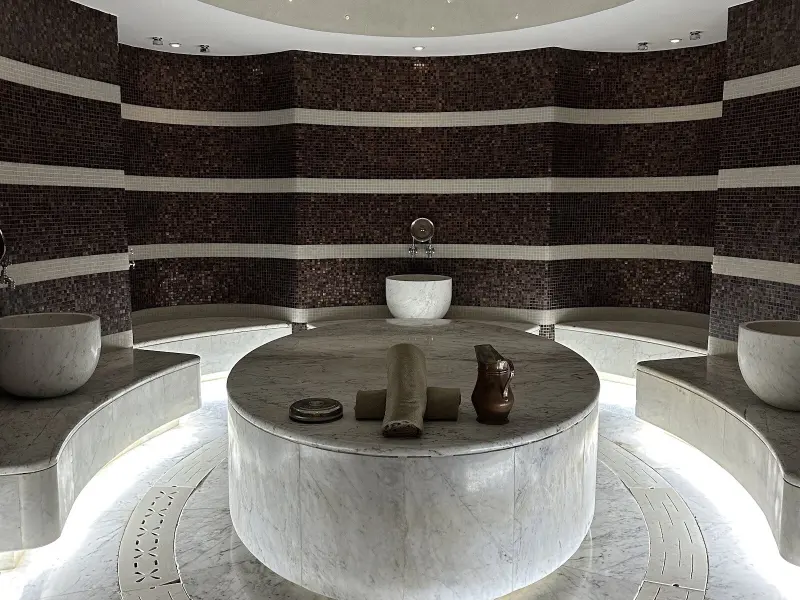
At spa and wellness venues, Pilates is offered as a group class or a one-to-one session. Venues offering Pilates classes are mostly wellness centres and hotel spas; at some thermal hotels it is offered alongside yoga and fitness. At these venues, use of the sauna or hammam after class may be included in the same membership or package.
Class length and regularity
Pilates classes usually last 45-60 minutes; one-to-one reformer sessions are of a similar length. The effects of Pilates come from regular attendance rather than a single class. It is useful for beginners to take their first classes one-to-one or in small beginner-level groups, to learn the breathing and alignment technique correctly; moving on to crowded, fast classes before the technique is established can lead to poor movement habits.
Who is it suitable for, and who should take care?
Pilates suits people who spend long hours at a desk, those who want to improve their posture and core strength, those looking for low-paced exercise that puts no impact load on the joints, and those returning to exercise after a long break. Done regularly, it may help increase muscle strength, flexibility and body awareness. It is not a form of treatment; if the cause of back or neck pain is not known, you should see a doctor first.
In the following cases, consult your doctor and inform the instructor before starting classes:
- A herniated disc in the lower back or neck, osteoporosis, a joint replacement
- Recent surgery or injury
- Uncontrolled high blood pressure and cardiovascular disease
- Pregnancy: work with an instructor trained in pregnancy Pilates; in later weeks, movements that involve lying on your back for a long time are adapted
How Pilates differs from yoga and fitness training
Pilates and yoga are often confused: both place importance on breath and controlled movement, but while yoga gives more room to flexibility, balance and meditation, Pilates puts strengthening the core muscles at its centre.
What to ask before a class
- Whether the class is mat or reformer, and whether there is a group suited to your level
- How many people group classes have, and whether one-to-one classes are an option
- The instructor's Pilates training and experience
- Whether there is a trial class, and how long class packs are valid
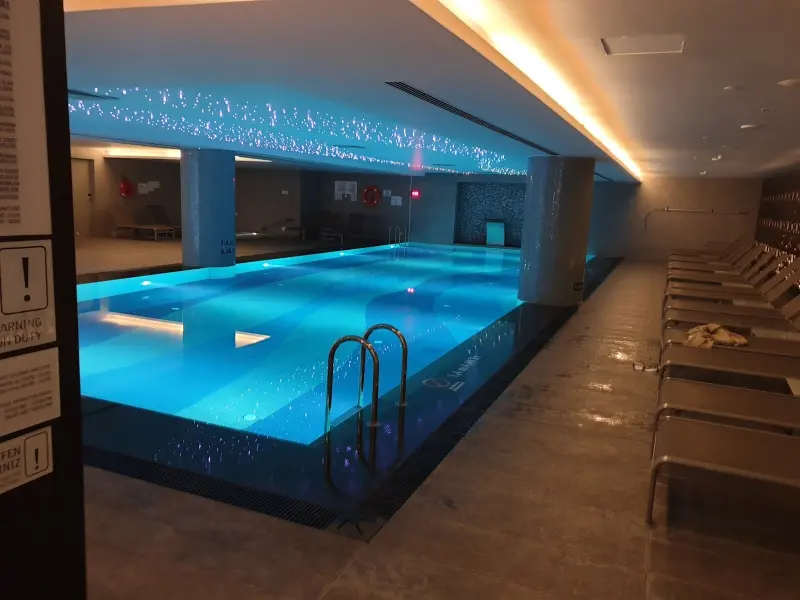
- Whether use of the sauna, hammam or pool is included in the class fee