Closed · opens today at 11:00
Turkish BathKese ScrubFoam Massage
27 venues without a price are not shown.
11 venues found
Closed · opens today at 11:00

Closed · opens today at 10:00
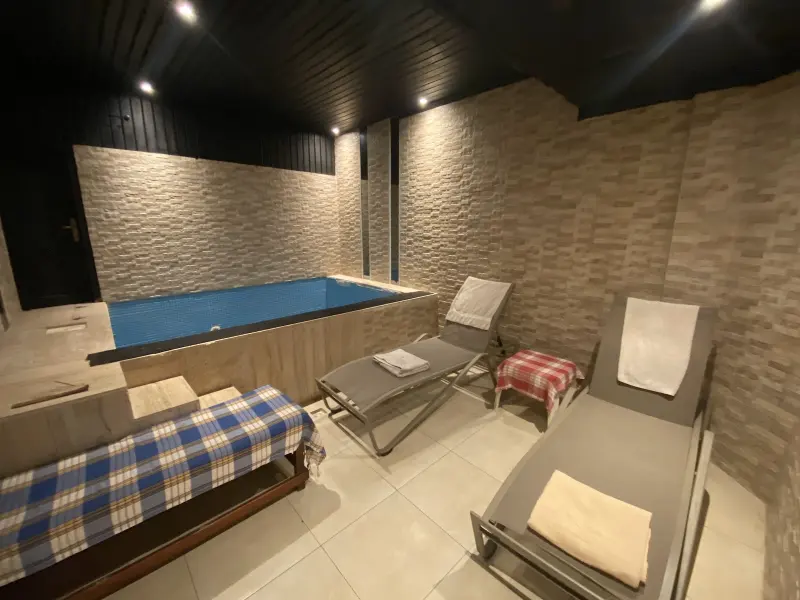

Separate sections

Closed · opens today at 10:00

Closed · opens today at 10:00

Closed · opens today at 10:00

Closed · opens today at 10:00

Closed · opens today at 10:00

Closed · opens today at 10:00
The recommended order is based on rating and number of reviews, and on how complete and up to date a listing is. A paid membership does not change the order.
The map couldn't be loaded
Medical massage (clinical massage, therapeutic massage) is a massage approach used not for relaxation but to target a specific complaint. It is not a single technique: depending on the assessment made before the session, deep tissue work, trigger point pressure, myofascial release, stretching and joint mobilisation techniques are used together.
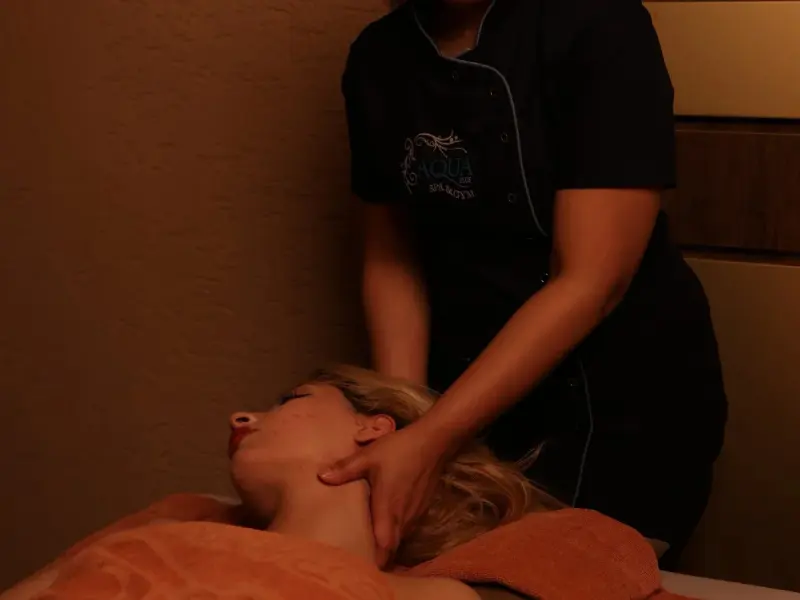
A medical massage session starts with a conversation: you are asked when the complaint started, what makes it worse, which movement is restricted and whether you have a diagnosed condition. The therapist often also looks at your posture and the range of movement of the problem area; they may ask you to make certain movements to see at what angle the restriction begins. The treatment focuses not on the whole body but on the source of the problem and the areas linked to it; with neck pain, it is usual for the shoulder girdle and upper back to be worked on too.
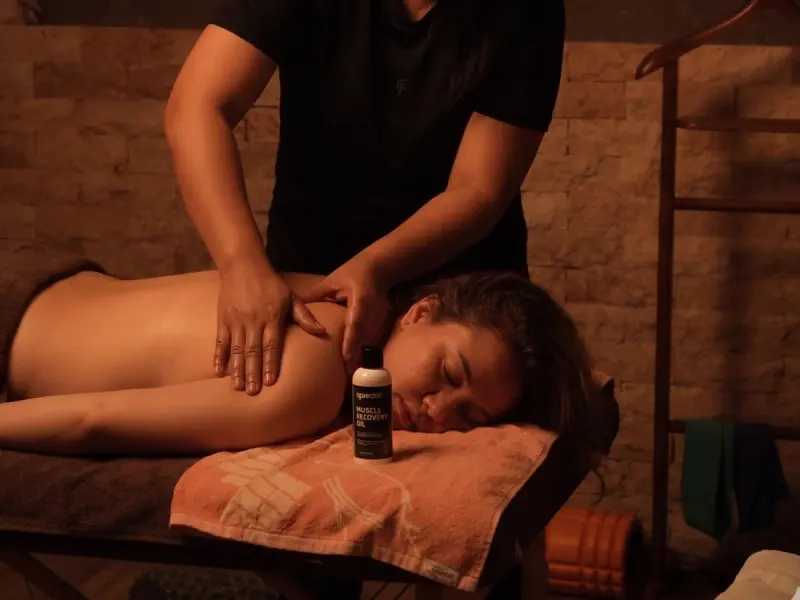
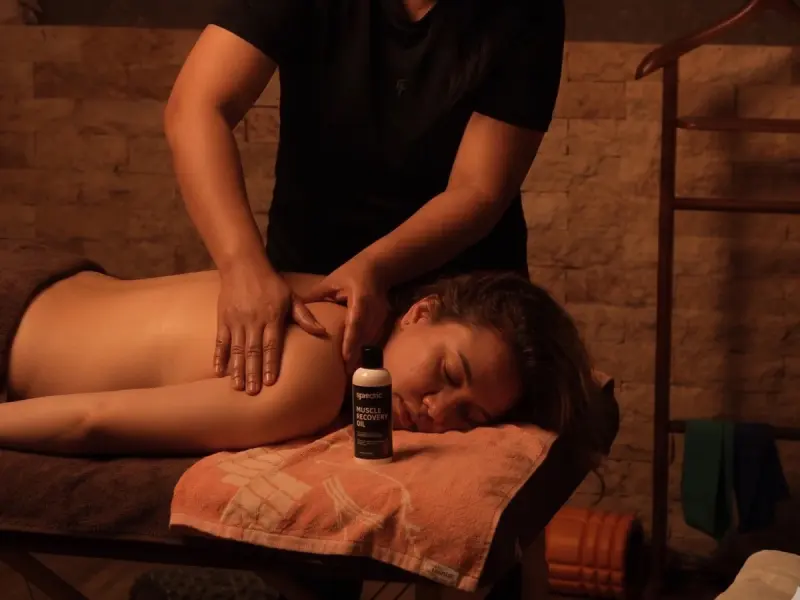
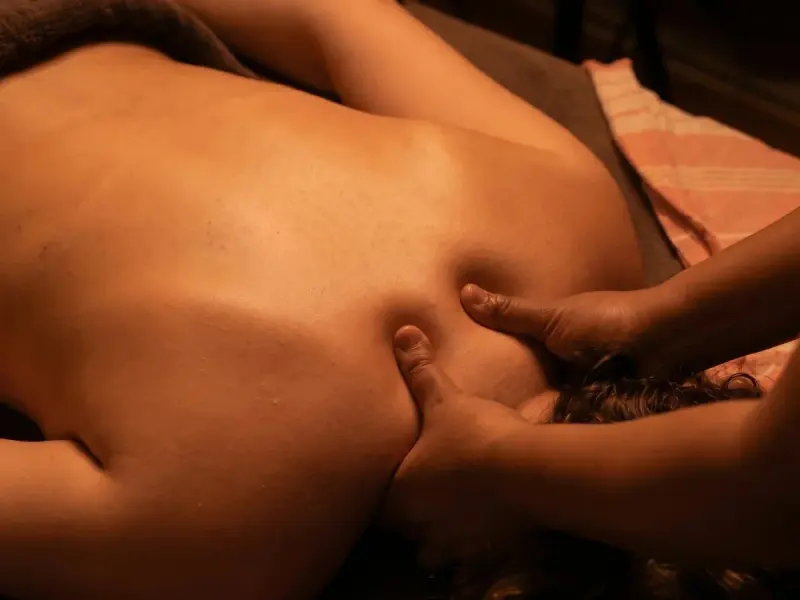
The session is usually given on a table with oil or cream; you lie face down, face up or on your side depending on the area being worked on. Pressure varies from area to area: the surrounding tissues are first prepared with gentler strokes, while brief, firm pressure is applied to trigger points. Recommending stretching or strengthening exercises as a home programme at the end of the session is part of this approach.
A medical massage session usually lasts 45-60 minutes; the first session may be longer because of the assessment. Usually a programme of several sessions is planned rather than a single one: sessions are closer together at first, and the gaps widen as the complaint eases. The length of the programme depends on how long the complaint has lasted, how severe it is and how far the recommended exercises are kept up.
Medical massage may help temporarily reduce muscle tension and the pain linked to it, and increase restricted range of movement. It suits people with musculoskeletal complaints that have been diagnosed and for which a doctor considers massage appropriate, such as neck and shoulder pain from desk work, chronic lower back tension or stiffness from repetitive movements. Lasting change, however, mostly depends on keeping up the recommended exercises and on everyday posture habits. At some venues, medical massage is offered under the same roof as movement work such as Pilates; this is a practical arrangement for those who want to continue with regular exercise after massage.
Medical massage is not a diagnostic method and does not replace physiotherapy or a doctor's examination. If the cause of your pain has not been identified, see a doctor first. In Turkey, physical therapy and rehabilitation is a separate health service; the medical massage offered at spa and massage venues is a supportive treatment for conditions that have been diagnosed and that a doctor considers suitable.
Medical massage is not given with an acute injury, a suspected fracture, a feverish illness, an active infection, deep vein thrombosis, uncontrolled blood pressure or a bleeding disorder. A doctor's approval is mandatory during cancer treatment and with a joint replacement, osteoporosis, use of blood thinners or pregnancy. Signs such as numbness spreading into the leg, weakness, or a change in bladder or bowel control require urgent medical attention. If your complaint started after a fall, accident or blow, a doctor's assessment is needed before massage.
Because of the techniques it uses, medical massage is most often confused with deep tissue and sports massage. The difference lies in the starting point of the session:
| Massage | Starting point | Planning | Best suited to |
|---|---|---|---|
| Medical massage | A specific complaint | Assessment and a programme of several sessions | Diagnosed musculoskeletal complaints |
| Deep tissue massage | Tension in the deeper layers of muscle | A single session or regular repeats | Chronic tension and knots |
| Sports massage | Training and recovery | Based on the training schedule | People who play sport regularly |
| Swedish massage | General relaxation | A single session | People without a specific pain complaint |
Deep tissue work may feature in the session as one of the tools of medical massage; what sets medical massage apart is that the technique is chosen to suit the complaint and the programme begins with an assessment.
The price of medical massage varies with session length, whether the first assessment is charged separately, the therapist's training and experience, the type of venue, and whether several sessions are bought as a package. For details, see the guide what determines massage and spa prices. Before booking, ask about:
To judge how reliable a venue is, you can also look at the guide explaining how to tell whether a massage salon is trustworthy.
No. Physiotherapy is a healthcare service carried out by physiotherapists on the basis of a doctor's diagnosis and prescription. Medical massage is a massage approach aimed at specific complaints and does not replace physiotherapy. For pain that has not been diagnosed, you should see a doctor first.
The most common reasons are neck and shoulder pain from desk work, chronic lower back tension, complaints caused by poor posture, stiffness from repetitive movements, and neck tension that comes with headaches. The treatment focuses on the source of the complaint rather than the whole body.
A programme of several sessions is usually planned rather than a single one. Depending on how long you have had the complaint and how severe it is, 4-8 sessions, initially once a week, is a common pattern. Your therapist will suggest a personal plan after the first assessment.
Venues do not usually ask for one, but you are expected to tell them about any diagnosed condition. In cases such as cancer treatment, joint replacements, osteoporosis, taking blood thinners and pregnancy, you need your doctor's approval; this is for your own safety.
Yes, they are an integral part of this approach. Stretching or strengthening exercises are recommended so that the tension released in the session does not settle back in. Massage eases the complaint temporarily; lasting change usually comes from correcting posture and movement habits.
You need to see a doctor first. Massage is not a diagnostic method and can mask an underlying problem. In particular, if you have signs such as recent severe pain, numbness spreading to a leg or arm, weakness, pain at night or unexplained weight loss, you must have a medical assessment before any massage.
If you have a diagnosed condition, it is useful to bring your doctor's report or a document showing the diagnosis. The therapist does not interpret imaging results or make diagnoses; however, the diagnosis made by your doctor and the restrictions they recommend serve as a guide in deciding which techniques to use and which to avoid. Be sure to also mention any medication you take, especially blood thinners.
Mild tenderness in the treated area may occur within a day or two after the session and usually passes by itself. If the pain gets noticeably worse, spreads to a new area or is accompanied by numbness and weakness, postpone the next session and see a doctor. In any case, telling the therapist at the next session allows the pressure and techniques to be adjusted accordingly.
Are you sure?
Choose one more venue to compare.