Closed · opens today at 10:00
Swedish MassageAromatherapy MassageSports Massage
10 venues found
Closed · opens today at 10:00
Closed · opens today at 10:00
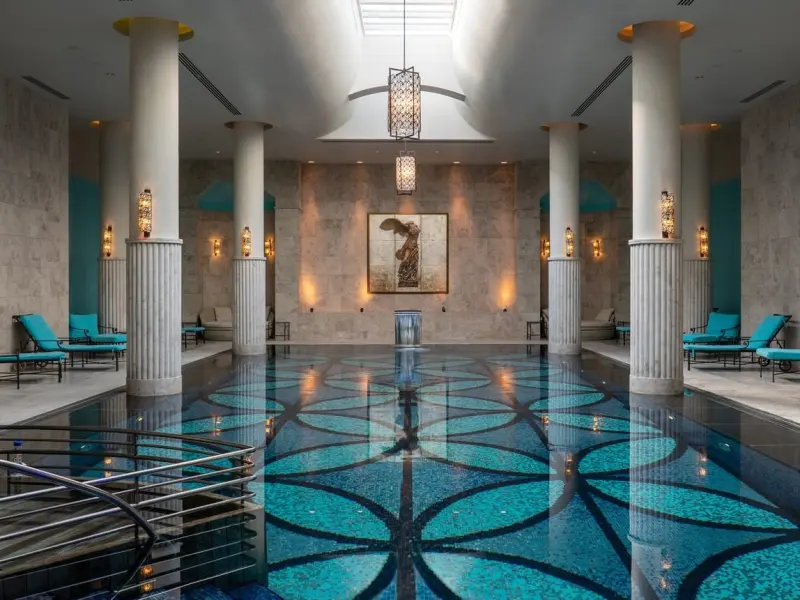
Closed · opens today at 07:00
Closed · opens today at 10:00
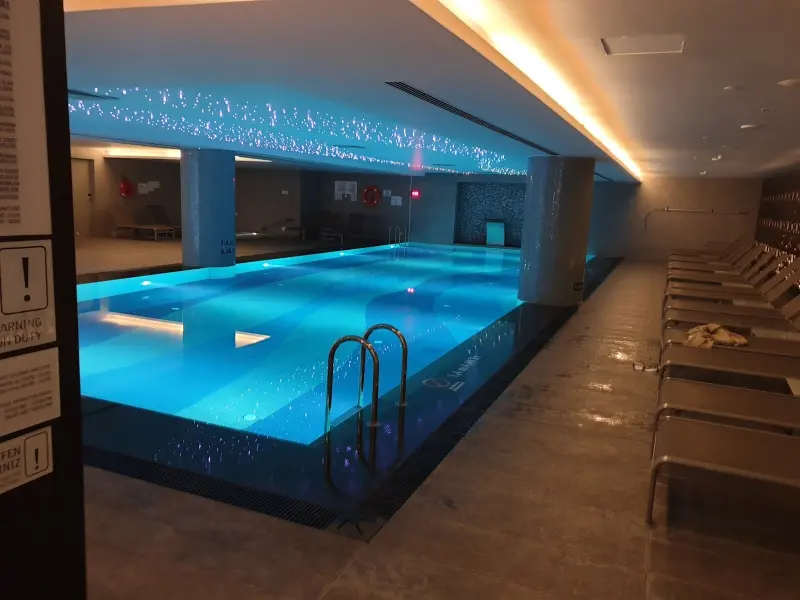
Closed · opens today at 07:00 Mixed

Closed · opens today at 10:00

Closed · opens today at 10:00

Closed · opens today at 10:00

Closed · opens today at 10:00

Closed · opens today at 10:00
The recommended order is based on rating and number of reviews, and on how complete and up to date a listing is. A paid membership does not change the order.
The map couldn't be loaded
Ayurvedic massage is a full-body massage based on Ayurveda, India's traditional health system, and given with plenty of warm oil. The form most often found on spa menus is known by its Sanskrit name, abhyanga. In the traditional approach, the oil and the pace of the movements are chosen according to the person's constitution.
At most venues, Ayurvedic massage begins with a short consultation. You may be asked about your constitution and your habits, and the oil may be chosen based on your answers. Blends of a base oil such as sesame oil with added plant extracts are common; the oil is used at a temperature close to body heat.
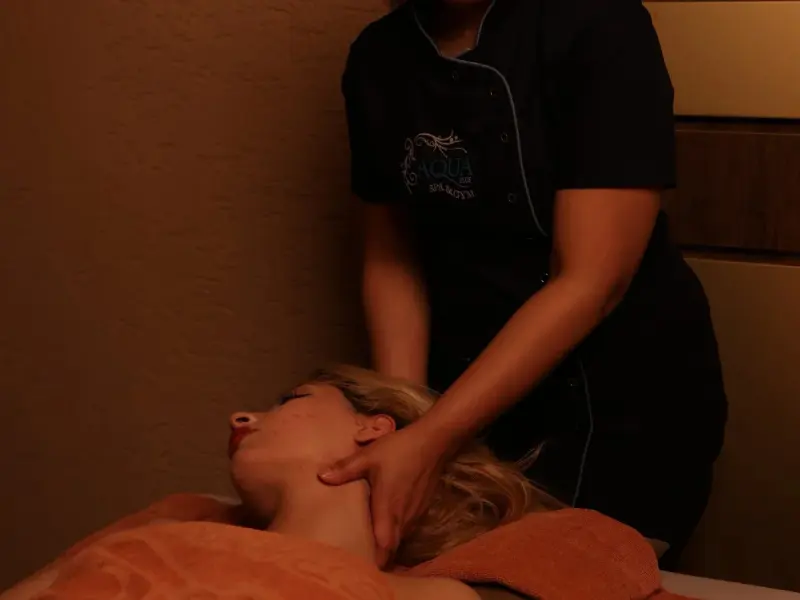
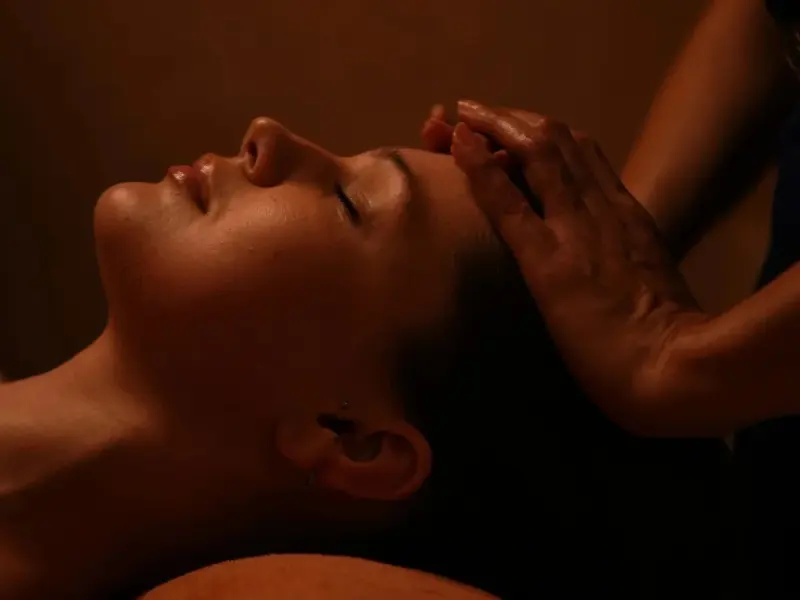
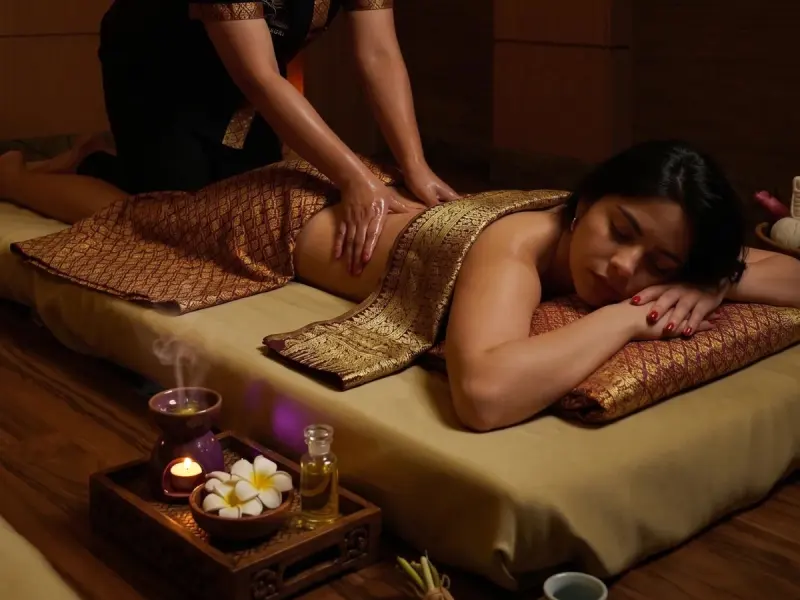
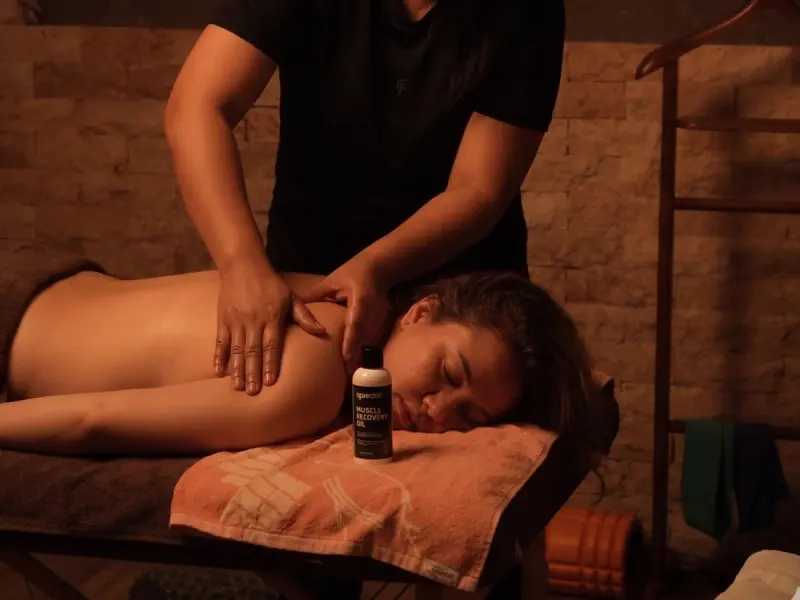
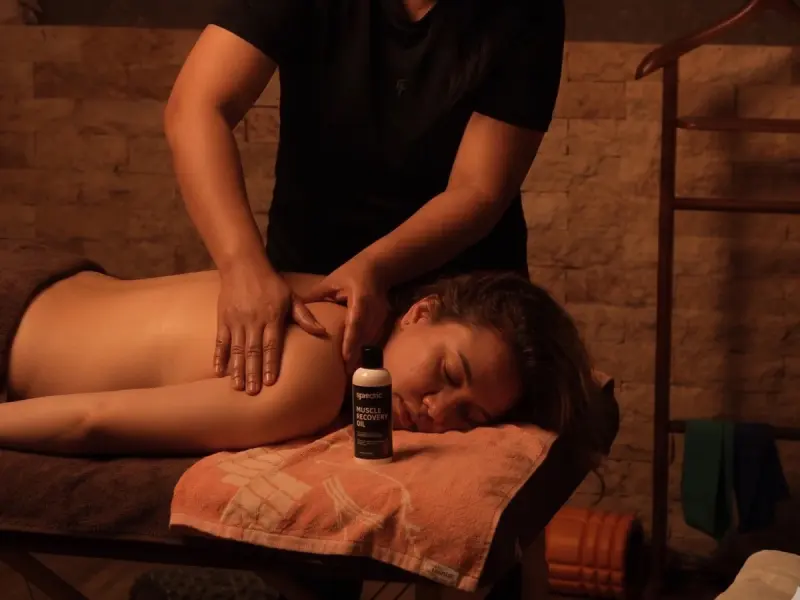
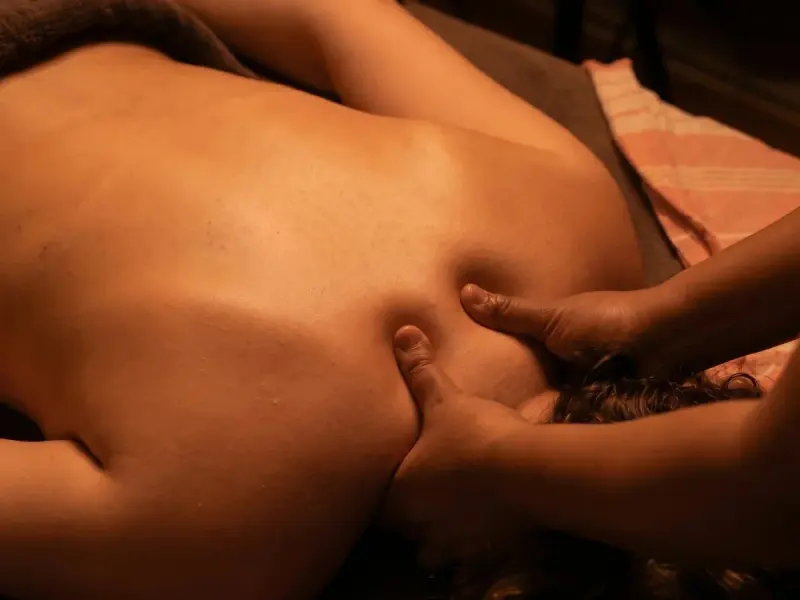
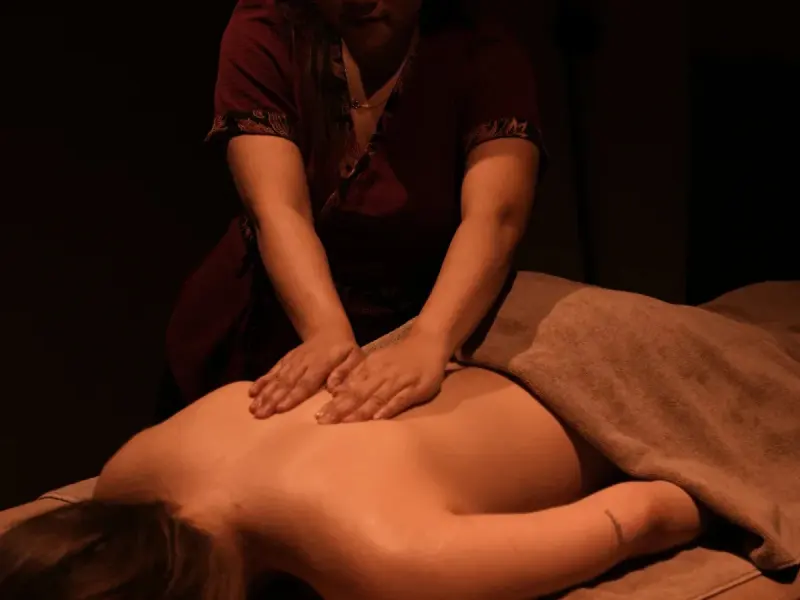
The massage is given on a massage table, and the client moves between lying face up and face down. The therapist applies the oil generously, makes long, rhythmic strokes along the arms, legs and torso, and works around the joints with circular movements. The scalp and face are often included as well.
On menus, the name Ayurveda may also be used for other treatments. The best known are shirodhara, in which warm oil is poured in a thin stream onto the forehead, and udvartana, done with dry herbal powder; it is worth clarifying when booking which treatment the session covers.
Ayurvedic massage usually lasts 60-90 minutes; with the consultation and time to rest, you may spend longer at the venue. Arriving a little before your appointment time leaves room for the consultation. Because a lot of oil is used, a noticeable layer of oil remains on the skin after the session. Some therapists recommend leaving the oil on the skin for a while, while some venues finish the session with steam or a shower. Not going into the session straight after a heavy meal makes for a more comfortable experience.
Ayurvedic massage is chosen by those who want to relax with a slow-paced, warm, oil-rich massage and by those troubled by dry skin. The oil temporarily softens the skin, and the rhythmic movements may help you relax. If you are looking for strong, deep work focused on a specific muscle knot, the slow pace of Ayurvedic massage may not meet your expectations.
Ayurvedic massage is not given during an illness with fever or an acute illness, or while there is an open wound, infection or eczema flare-up on the skin. In cases of a history of thrombosis, uncontrolled blood pressure, cardiovascular disease and recent surgery, a doctor's approval is needed first. In pregnancy, consult your doctor and consider a pregnancy massage adapted to pregnancy. If you are allergic to sesame oil or plant extracts, mention it when making your appointment.
Ayurvedic massage is most often confused with aromatherapy massage. In aromatherapy the scent of diluted essential oils comes first and the oil is used sparingly; in Ayurvedic massage, warm base oil is applied generously and the choice is based on the person's constitution. Swedish massage focuses on kneading the muscles; an oil chosen through a consultation and oiling of the scalp are usually not part of it. If you are looking for a short treatment for the head and scalp only, head massage is an option.
When making an appointment for Ayurvedic massage, asking the following makes it easier to understand what lies behind the name on the menu:
Dosha is the general name for the concepts of vata, pitta and kapha, used in Ayurveda to describe body constitution and temperament. Through these questions the therapist chooses the oil to be used and the pace of the massage. This classification is a traditional approach, not a medical assessment; you still need to tell them separately about your health and any medicines you take.
No, Ayurvedic massage at a spa is a relaxation and care treatment. Although Ayurveda continues as a traditional system in India, concepts such as body type are not part of modern medicine. If you have a health problem, see a doctor for diagnosis and treatment, and also ask your doctor whether the massage is suitable for you.
In most sessions, yes; scalp massage is a normal part of Ayurvedic massage and warm oil is applied to the hair roots as well. As you may need to wash your hair after the session, ask in advance whether a shower is available and what products to bring with you. If you do not want oil in your hair, simply say so at the start of the session.
Four-hand Ayurvedic massage is a treatment in which two therapists work at the same time with mirroring movements. Because the movements are simultaneous, it feels more intense than a session with one therapist. It is not offered at every venue, and since two therapists are working, the price is usually higher.
Are you sure?
Choose one more venue to compare.