
Separate sections
Separate sections
Turkish BathKese Scrub +1

45 venues without a price are not shown.
1 venue found
Separate sections
The map couldn't be loaded
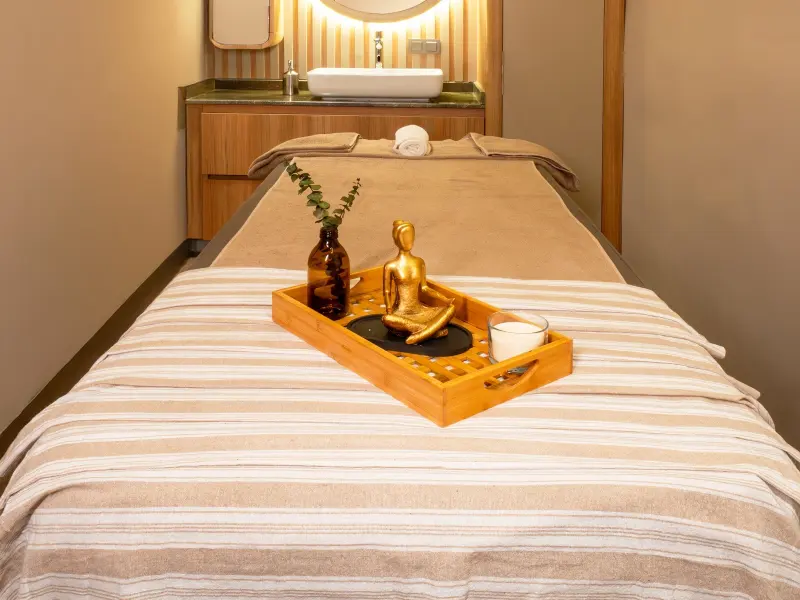
Aromatherapy massage is a type of massage in which essential oils extracted from plants are applied diluted in a carrier oil (almond, jojoba, grapeseed). The massage technique is mostly based on Swedish massage; the difference lies in the scent element of the session and the absorption of the oil through the skin. Pressure is light to medium; the aim is not deep muscle work but relaxation and sensory comfort.
Aromatherapy massage usually starts with choosing the oil. Lavender and chamomile are popular for relaxation and sleep, mint and eucalyptus for freshness and easier breathing, orange and bergamot for lifting the mood, and rosemary and ginger for tired muscles. The therapist prepares the blend according to your complaint and your preference on the day; some venues let guests smell a few ready-made blends and leave the choice to them.
60-90 minutes is common for aromatherapy massage. Because it is a relaxation treatment, no particular course is needed; every two to three weeks during busy periods, or once a month for general upkeep, is a common choice. Because the oil is meant to stay on the skin and be absorbed, you are advised not to shower straight after the session; the scent lingers for a few hours. Citrus oils make the skin sensitive to the sun; if these oils were used, avoid direct sun for 12 hours after the session. As the oil can mark light-coloured and delicate fabrics, going to the session in comfortable, easily washed clothes is a practical precaution.
The main contribution of aromatherapy massage is relaxation. Gentle, rhythmic touch may help reduce muscle tension; a scent you like also supports the calming effect of the session. Essential oils are not a medicine: aromatherapy massage does not replace treatment for sleep disorders, anxiety or chronic pain. If a specific muscle knot or entrenched pain is the target, a type of massage with firmer pressure is the better choice.
Aromatherapy massage is chosen by people with stress, anxiety, irregular sleep and mental fatigue. It is a good start for those who do not like intense pressure, those who want relaxation from a massage and first-time massage clients. As essential oils are potent compounds, the list of precautions is longer than for a classic massage with a neutral oil:
Aromatherapy massage is most often confused with other relaxation massages that use similar techniques. The difference lies less in pressure than in oil, heat and pace:
| Massage | Pressure | Distinguishing feature |
|---|---|---|
| Aromatherapy massage | Light to medium | Essential oil blend and scent tailored to you |
| Swedish massage | Light to medium | Classic techniques with neutral oil or lotion, whole body |
| Anti-stress massage | Light | Slower pace; focus on the back, neck, scalp and face |
| Hot stone massage | Medium, deepened by heat | Heated basalt stones |
Because anti-stress massage is often combined with aromatherapy, the two services may appear intertwined on menus. For someone who is bothered by scent or has asthma, an unscented Swedish massage using the same technique is a suitable alternative.
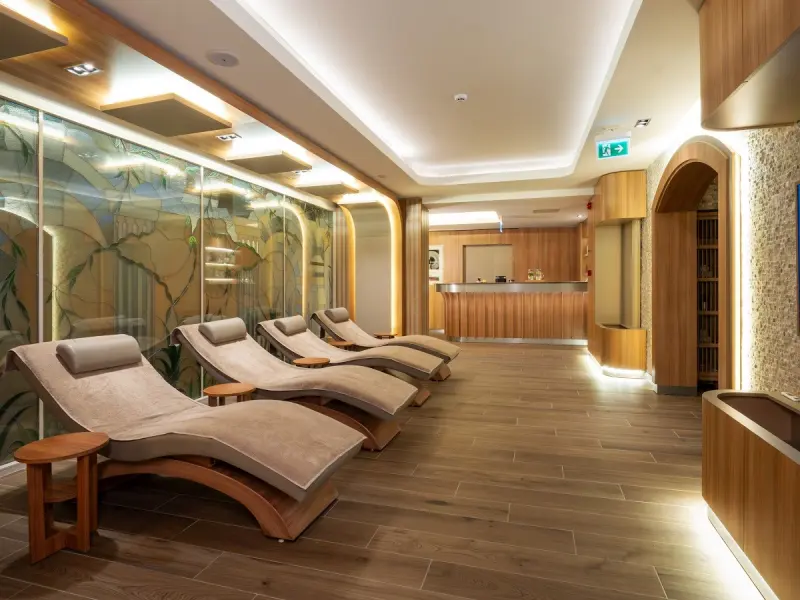
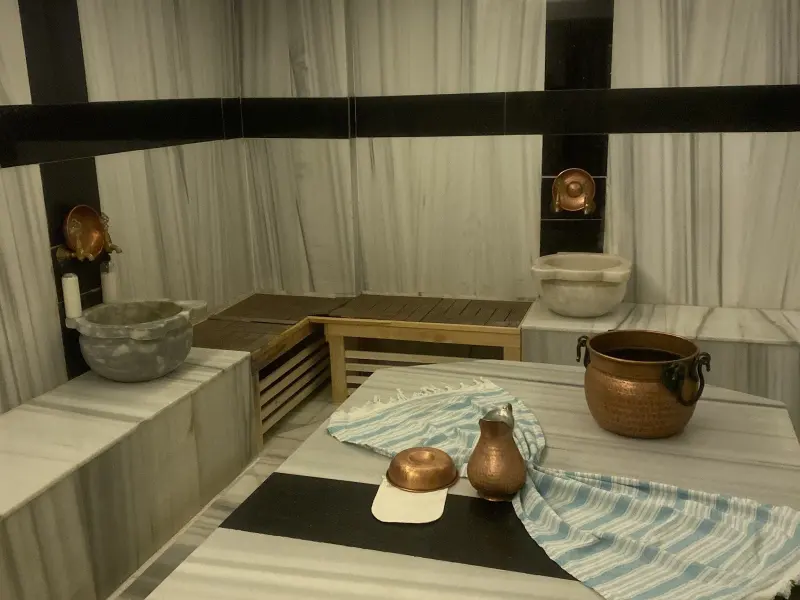
The price of aromatherapy massage varies with session length, the type and quality of the oils used (ready-made blend or one prepared for you, organic products), the type of facility and whether use of areas such as the hammam or sauna is included; some venues also charge different prices at weekends and on special days. As most of the venues listed on this page are hotel spas with a hammam and sauna, it is often possible to combine the massage with use of the wet area. For a more detailed picture, see the guide factors that determine massage and spa prices. When booking, asking these questions makes things easier:
It depends on what you are looking for: lavender and chamomile are popular for relaxation and sleep, mint and eucalyptus for a refreshing feel, orange and bergamot for lifting your mood, and rosemary and ginger for tired muscles. Your therapist will listen to your concerns and make a suggestion; liking the scent is an important part of the choice.
The massage technique is mostly the same as Swedish massage. The difference is the use of essential oils and the scent element of the session. The oils being absorbed through the skin and working through smell add an extra dimension of relaxation; in terms of pressure, it is not noticeably different from a classic massage.
Not without consulting your doctor. Many essential oils, such as sage, rosemary, jasmine, juniper and cinnamon, are inadvisable during pregnancy. If your doctor gives the go-ahead, work with a therapist who knows which oils can be used in pregnancy and is trained in pregnancy massage; always tell them how many weeks pregnant you are.
It is recommended not to shower for a few hours after the session so that the oil can be fully absorbed. If you do need to shower, rinsing with lukewarm water and no soap will not completely remove the effect of the oil. If citrus oils were used, avoid direct sunlight for 12 hours.
If you have a known allergy to scents or plants, mention it when making your appointment. For sensitive skin and people prone to allergies, it is usual to do a small patch test on the inner arm before the session. In people with asthma, a strong scent can trigger an attack; in that case a milder blend or an unscented massage should be chosen.
The usual length is 60-90 minutes. A 60-minute session covers the whole body. 90-minute sessions usually also include a face and scalp massage, which noticeably increases the relaxing effect of the session.
No, in massage essential oil is not applied neat to the skin. It is diluted with a carrier oil such as almond, jojoba or grapeseed; undiluted essential oil can cause irritation and sensitivity reactions on the skin. The same rule applies if you use it at home, and you should follow the directions on the product label.
It depends on the venue. Many spas use only their own products for reasons of hygiene and product safety; some venues, however, accept an unopened oil brought by the guest. If you want to use your own oil, ask about it when booking and show the therapist the product's ingredients before the session.


Are you sure?
Choose one more venue to compare.