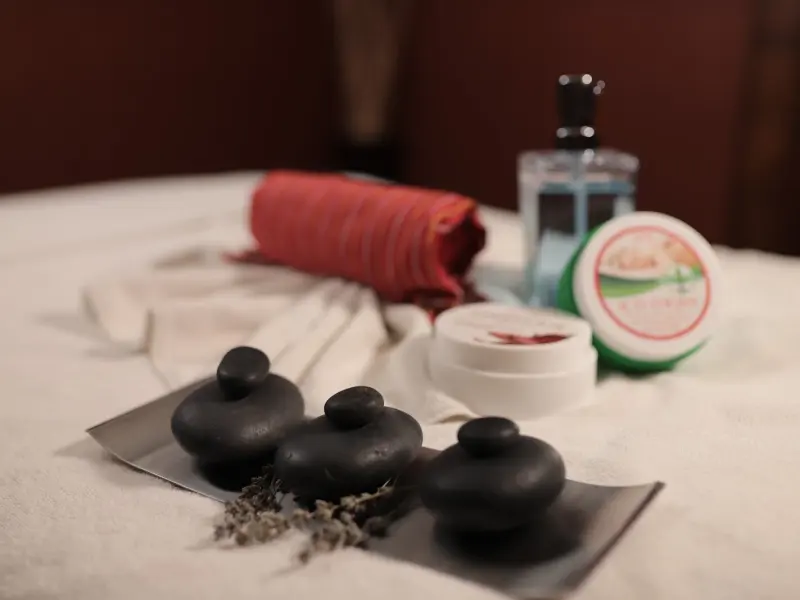
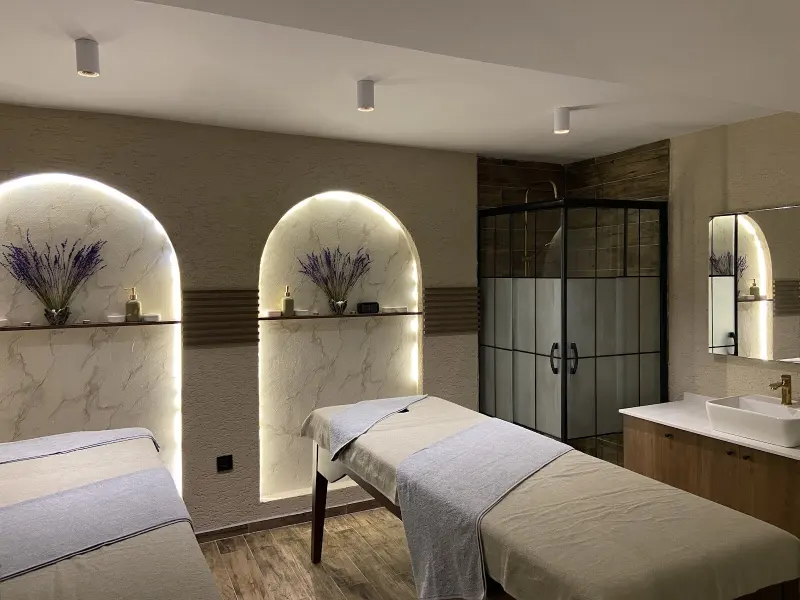
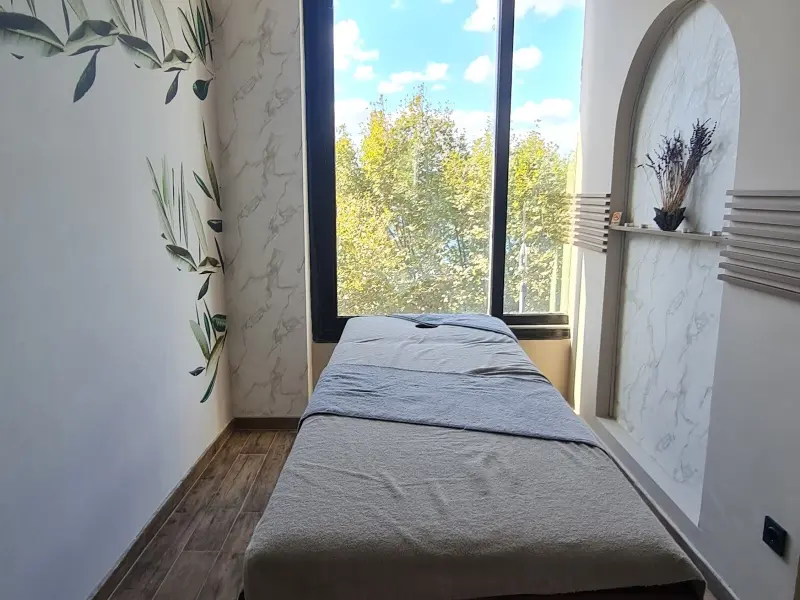
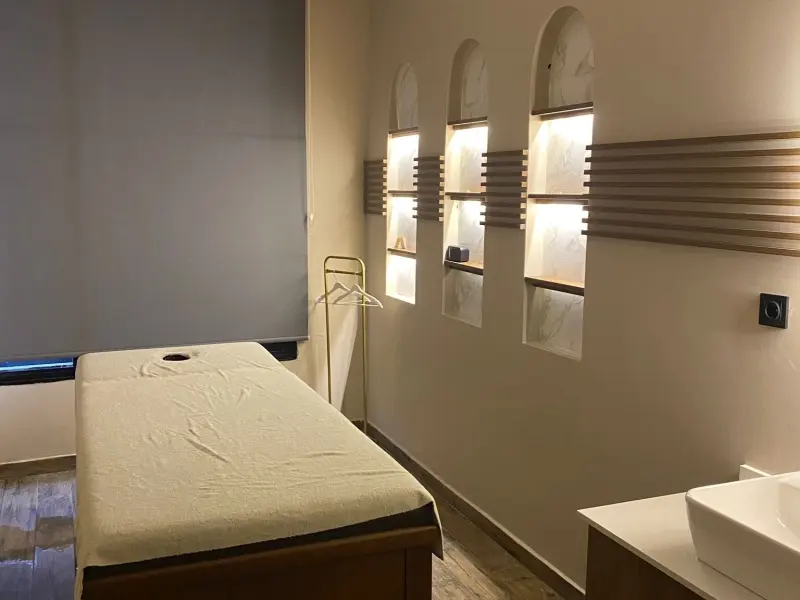
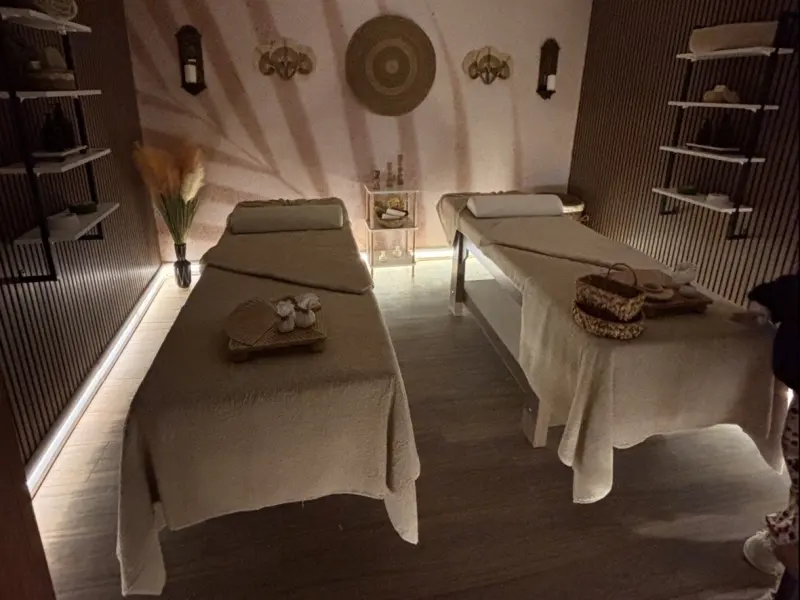
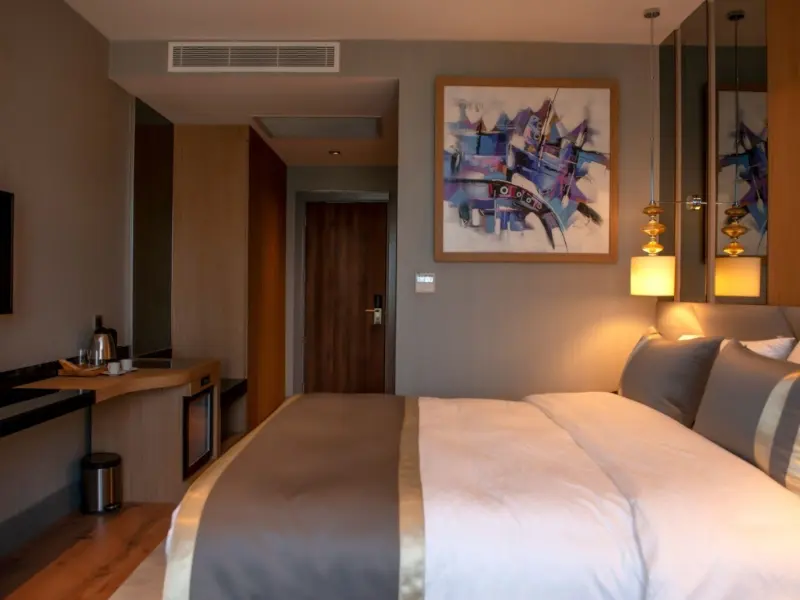
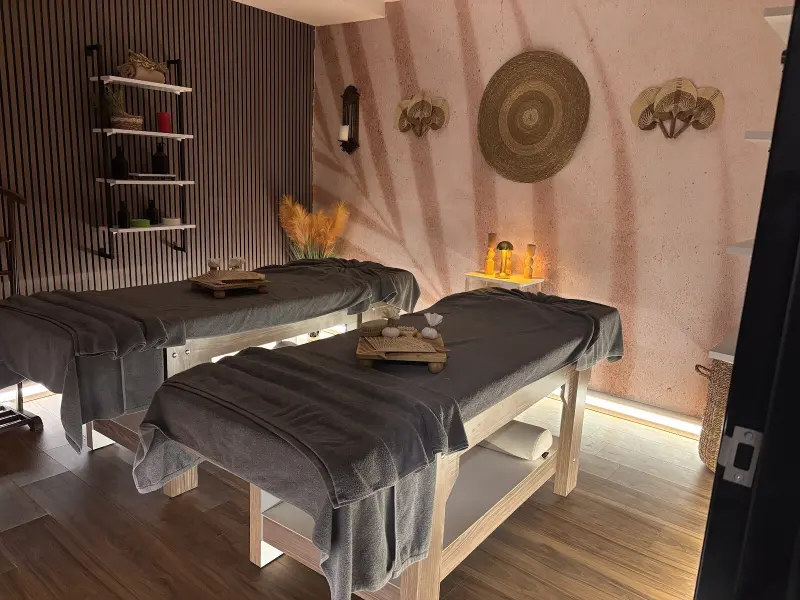
Hot stone massage is a method based on placing smooth basalt stones, heated in water, on specific points of the body, with the therapist holding the stones to give the massage. As basalt is volcanic in origin, it holds heat for a long time; the stones are usually prepared at 50-60 °C and their temperature is checked before they come into direct contact with the skin.
Where the stones go and how the session unfolds
For a hot stone massage, the stones are heated in water in a special heater before the session. The therapist first prepares the skin with oil and gives a short warm-up massage. The stones are then placed along the spine, in the palms, on the soles of the feet and between the toes; they may be placed directly on the skin or on a thin towel.
In the massage part, the therapist holds the oiled stones and works along the back, legs and arms with long, flowing strokes; as a stone cools, it is replaced with a fresh one. The session usually starts face down and finishes with you lying on your back. Because the heat helps the muscles relax, the therapist achieves a deeper effect with less force than pressure applied by hand would need.
Duration and frequency
60-90 minutes is common for hot stone massage; less than 60 minutes is not recommended, as placing the stones and letting the heat work into the tissue take time. When it is done for relaxation, no set number of sessions is needed; for chronic tension, repeating it every few weeks is a common choice. It is one of the most requested types of massage in the colder months.
What it feels like during the session
Throughout a hot stone massage there is a strong sense of warmth and weight. If the heat feels uncomfortable, you are expected to say so; the temperature of the stone is adjusted to your personal tolerance or a towel is placed in between. The heat may help reduce muscle tension and temporarily increase circulation in the treated area; noticeable relaxation and drowsiness after the session are normal. This is why hot stone massage is a good middle option for those who are wary of deep pressure but still want established tension to ease. Drinking water after the session and not going straight into a long sauna or hammam session prevents the body from being exposed to one heat load after another.
Who it suits and who should not have it
Hot stone massage is chosen by people with chronic muscle tension, stiffness that worsens in cold weather, hands and feet that often feel cold, and stress. It also suits people with no particular muscle problem who simply want to rest; in that case the temperature of the stones and the pressure can be lowered to suit relaxation.
Because it is heat-based, the list of contraindications is long. It should not be given, or should only be given with a doctor's approval, in the following situations:
- Diabetes and neuropathy: reduced sensitivity to heat increases the risk of burns
- Uncontrolled high or low blood pressure, cardiovascular disease
- Deep vein thrombosis and advanced varicose veins
- Very sensitive skin, open wounds and sunburn
- Pregnancy
- Ongoing cancer treatment
During a feverish illness the session is postponed. In pregnancy, a pregnancy massage adapted to pregnancy is preferred to treatments that raise body temperature.
How it differs from deep tissue, Swedish and hot candle massage
Those who do not like heat can reach the same goal of relaxation with a Swedish massage, which involves no heat. If you have one of the health conditions above, ask your doctor first which massage is suitable.
Price and questions to ask before booking
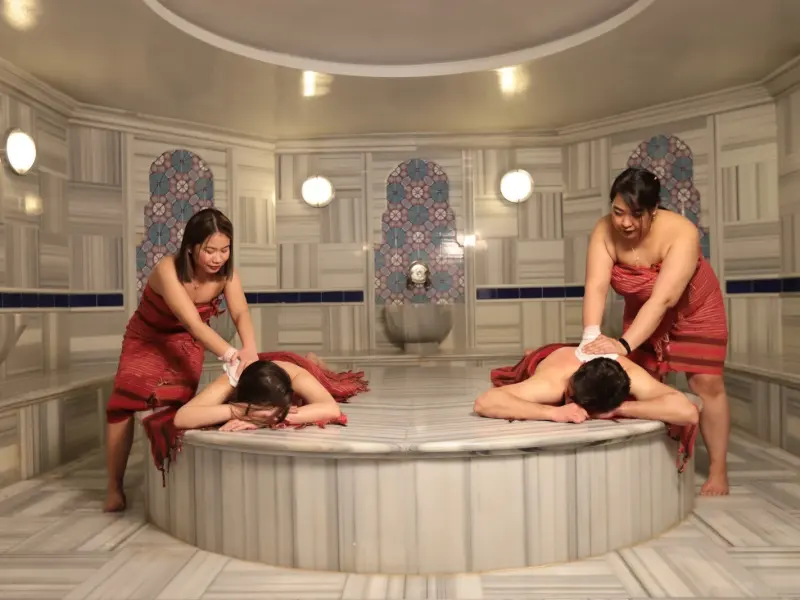
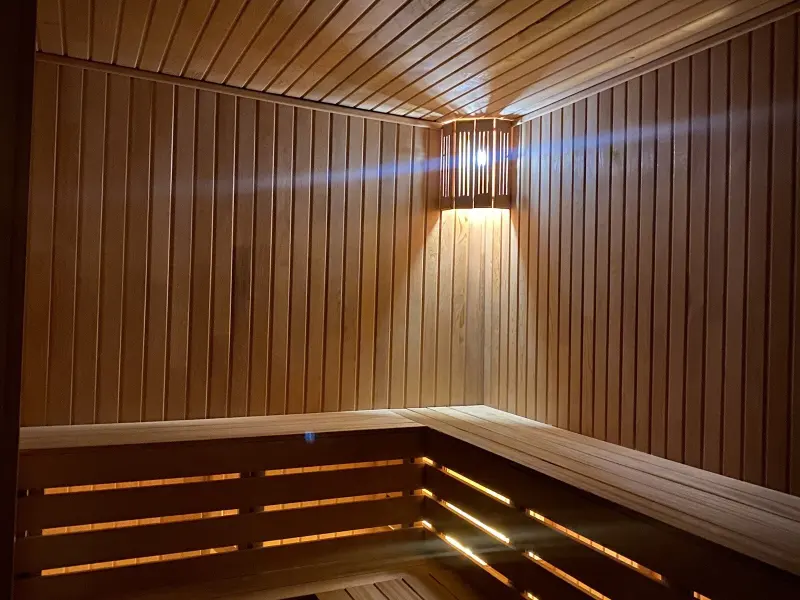
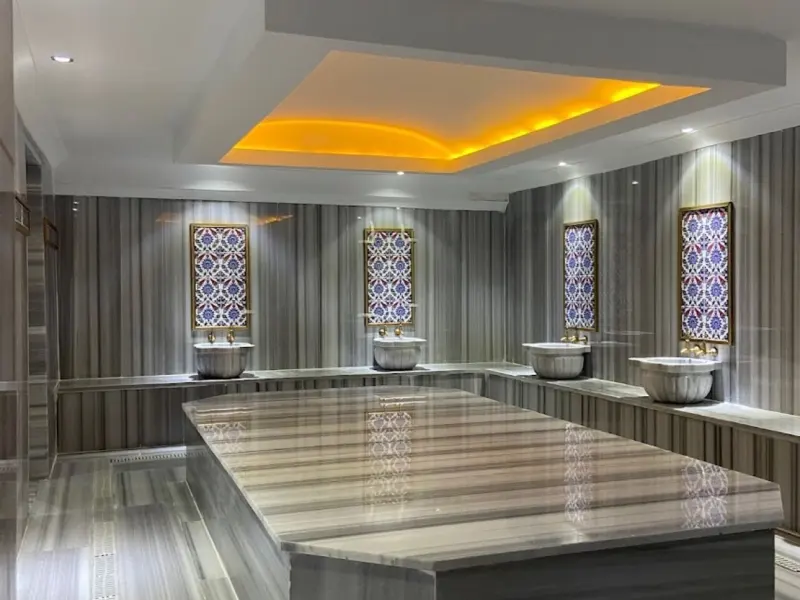
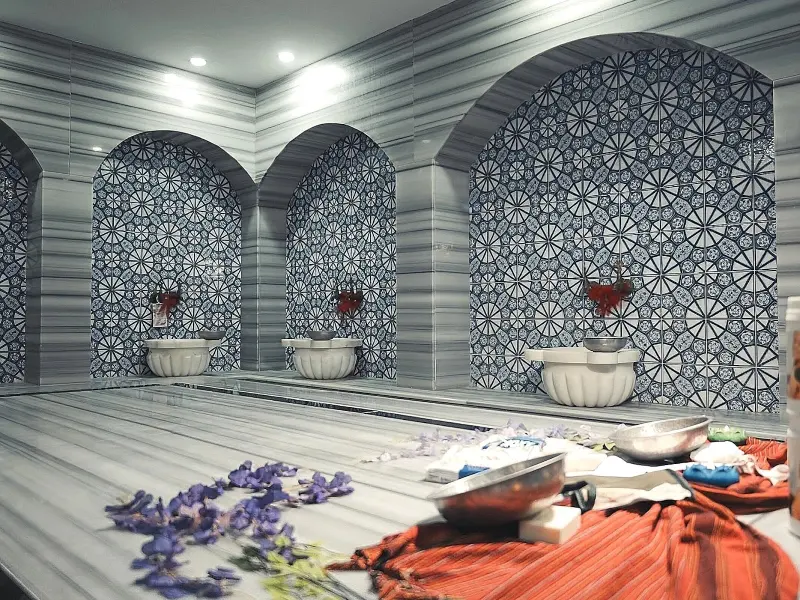
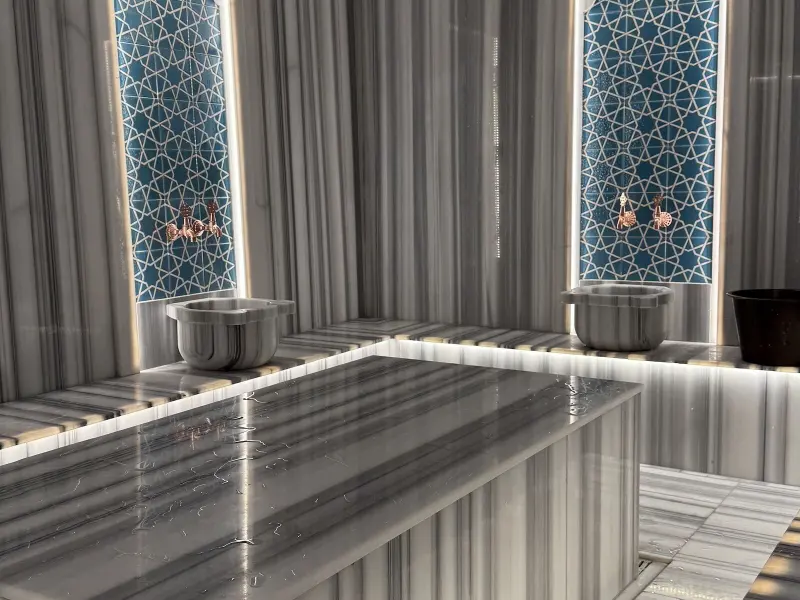
The price of a hot stone massage varies with the duration, the type of venue, how much of the session is done with the stones and whether areas such as the hammam and sauna are included. Because preparing the stones requires extra equipment and time, many venues price this massage higher than a classic massage of the same length. Most of the venues listed on this page also have a hammam and sauna; finding out in advance how long you can use these areas as part of the package, and in what order they come with the massage, makes planning easier. For details, see the guide to the factors that determine massage and spa prices. When booking, ask:
- Are the stones used throughout the session, or only in part of it?
- How is the temperature of the stones checked; can they be placed on a towel if you prefer?
- Is the stated duration the actual massage time?
- How are the stones cleaned after each guest?
- If you have a condition such as diabetes, blood pressure problems or varicose veins, what alternative is recommended?