
Separate sections
Separate sections
Turkish BathTraditional Hammam Ritual +1
106 venues without a price are not shown.
10 venues found
Separate sections

Mixed

Closed · opens today at 07:00 Separate sections

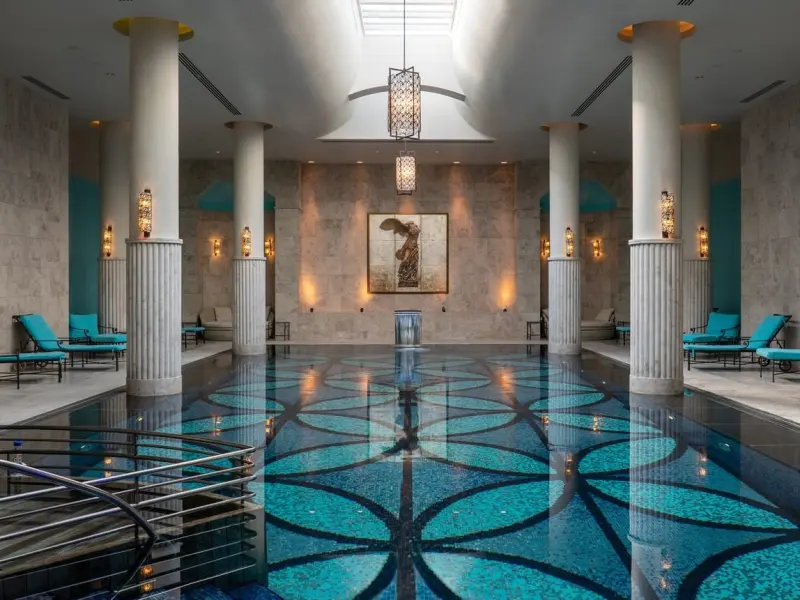
Closed · opens today at 07:00
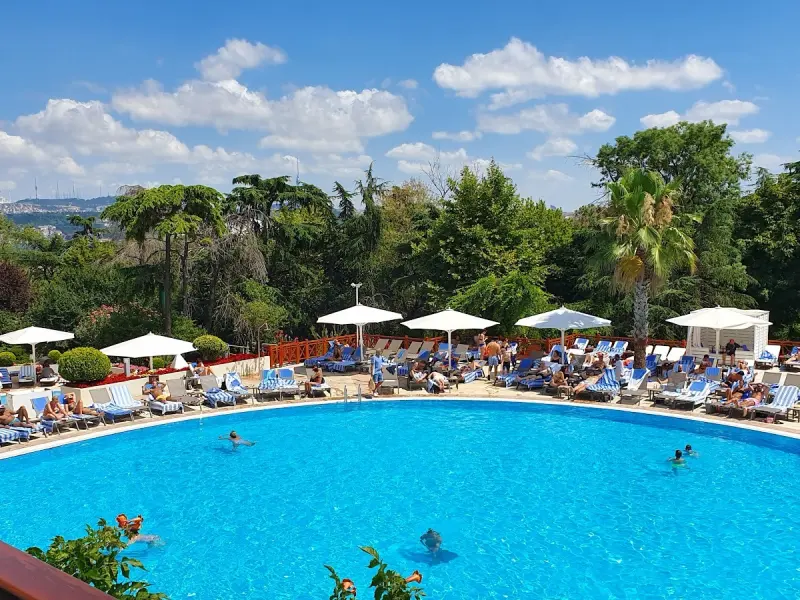
Closed · opens today at 06:30
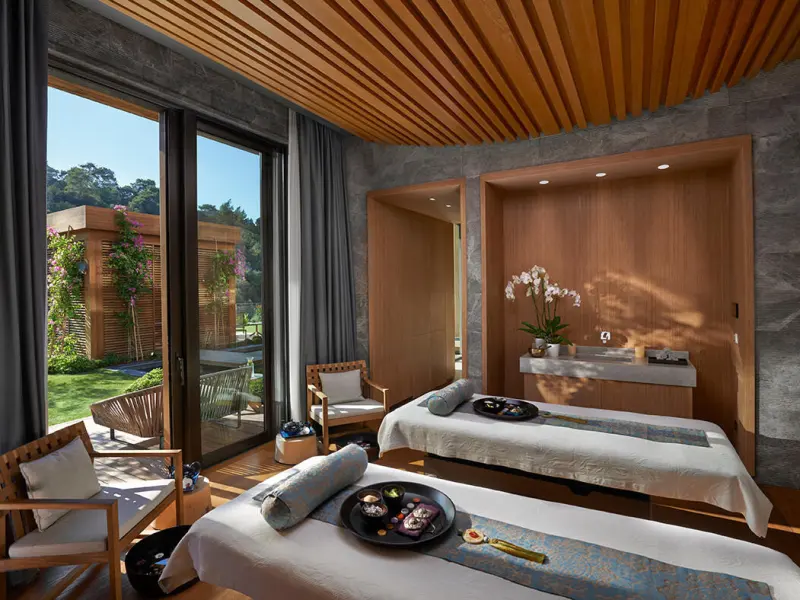
Closed · opens today at 10:00

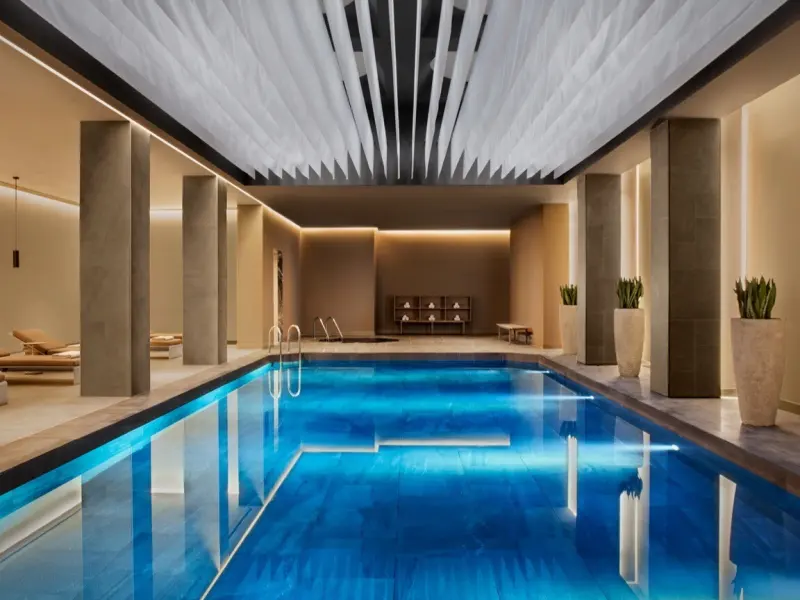
Closed · opens today at 10:00 Mixed
Closed · opens today at 07:00 Mixed
from€125
The recommended order is based on rating and number of reviews, and on how complete and up to date a listing is. A paid membership does not change the order.
The map couldn't be loaded
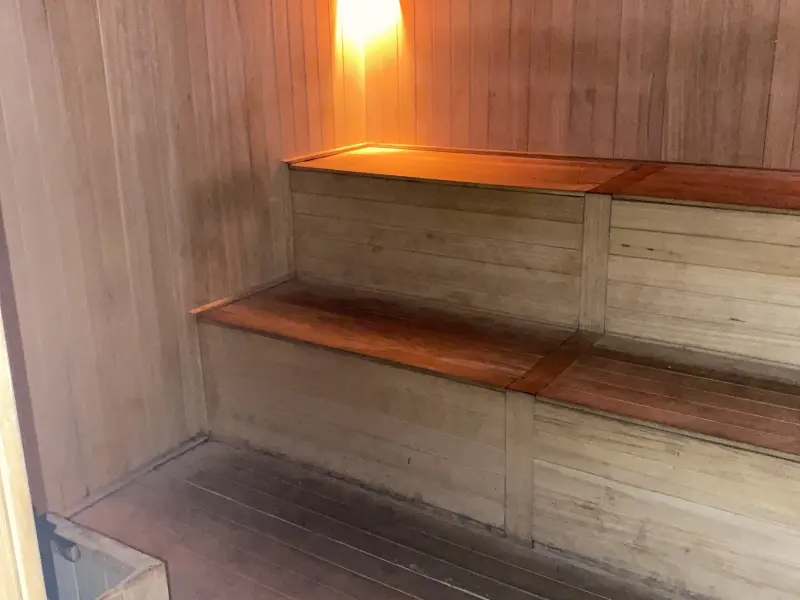
The sauna is a practice of Finnish origin based on sweating in a wood-lined cabin at high temperature and low humidity. In a classic Finnish sauna the temperature is 70-100 °C and the humidity around 10-20%. Pouring water onto the hot stones (löyly) briefly raises the humidity and makes the heat feel stronger.
In spas and hammams the sauna is mostly not sold as a stand-alone service but is one station of the wet area, used together with the hammam, steam room, pool and relaxation area. A large share of the listed venues are hotel spas; saunas are also found in historic hammams, thermal resorts and fitness clubs.
A sauna is designed to be used in cycles rather than for one long sitting. One cycle consists of the following steps:
The cycle is repeated 2-3 times; total time in the sauna usually does not exceed 30 minutes. In a shared sauna it is common courtesy to ask the people inside before pouring water on the stones; at some venues this is left to the attendant alone. For first-timers, the detailed routine is set out in the guide explaining how to use a sauna.
There is no fixed rule on how often to use a sauna; healthy adults can use it several times a week. What matters is replacing the fluid lost each time and paying attention to the signals your body gives you. Do not go in on an empty or very full stomach; skip the sauna on days when you feel tired, short of sleep or unwell. If you are using it after a workout, wait for your pulse and breathing to return to normal, and drink water first.
People choose the sauna for muscle relaxation, warming up in cold weather, unwinding after a workout and general relaxation. The heat widens the blood vessels in the skin and temporarily speeds up circulation; many people describe a marked sense of relaxation and mild drowsiness after the cycles. The weight lost through sweating, however, is water and comes back once you drink; the sauna does not make you slimmer. The common belief that sweat flushes toxins out of the body is not supported by science either: most of what leaves in sweat is water and salt.
The sauna is suitable for most healthy adults, but the high heat puts a considerable load on the heart and circulatory system. Doctor's approval is needed for cardiovascular disease, a previous heart attack, uncontrolled high or low blood pressure, heart rhythm disorders, epilepsy, diabetes and kidney failure. It is not recommended during pregnancy. Do not go in if you have a feverish illness. You must never go in after drinking alcohol; alcohol is the most common cause of serious sauna-related incidents. If you feel dizzy, nauseous, have palpitations or feel weak, leave immediately and ask for help. For children, the time should be kept markedly short, and children should not be left alone in the sauna.
The sauna is most often confused with the steam room and the hammam; the main differences between them are humidity and the source of the heat.
| Facility | Temperature and humidity | Setting | Who prefers it |
|---|---|---|---|
| Sauna | 70-100 °C, 10-20% humidity; dry heat | Wooden cabin, heated stones | Those who enjoy intense, dry heat |
| Steam room | 40-50 °C, humidity close to 100% | Enclosed room lined with marble or tiles | Those who find dry heat uncomfortable |
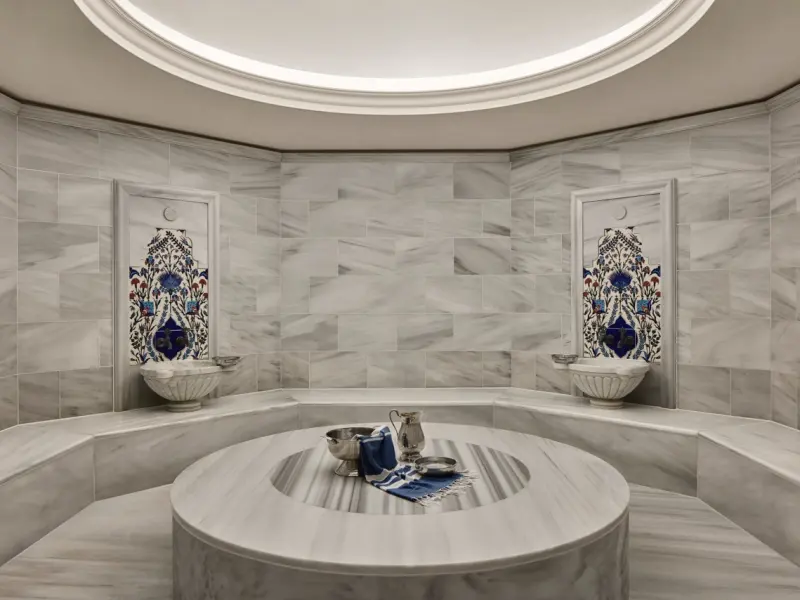
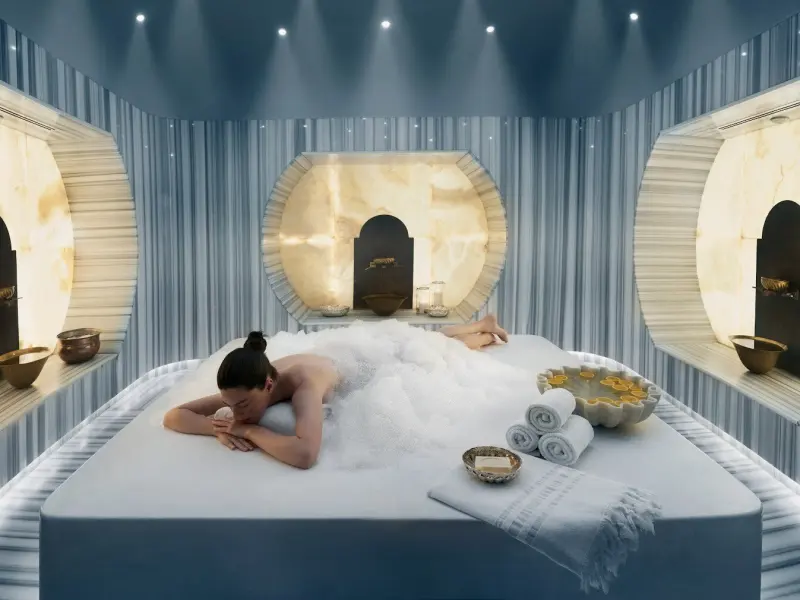
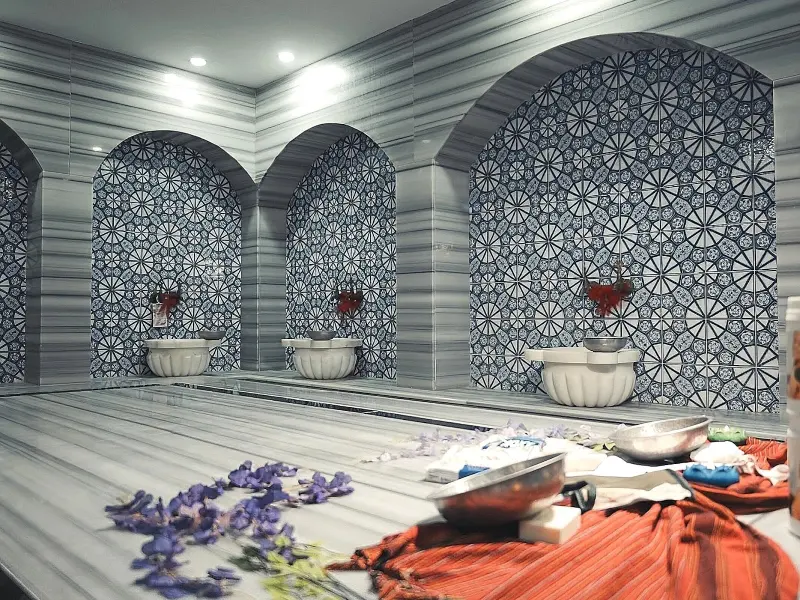
| Turkish bath | Hot and humid; the heat comes from the marble floor and the navel stone | Domed marble building, basins | Those who want to be washed with kese and foam |
| Russian bath | More humid than a sauna | Wooden room, water poured on the stones often | Those curious about the ritual performed with bundles of branches in humid heat |
At most facilities sauna use is not charged separately; it is included in wet-area entry, a hotel stay, club membership or a hammam or massage package. The amount you pay depends on the type of facility, whether day-use entry is offered to people not staying there, how long you can use it, whether the pool and hammam are included in entry, and weekend and seasonal differences; details are in the guide to the factors that determine spa prices. Asking the following before you go makes things easier:
8-15 minutes at a time is enough. A sauna is used in cycles: sauna, cooling down, rest, repeated 2-3 times. Your total time in the sauna should generally not exceed 30 minutes. Sitting in it for a long stretch in one go brings no benefit and creates risk.
The difference lies in the humidity. A sauna is dry heat: a temperature of 70-100 °C with 10-20% humidity. A steam room, on the other hand, is cooler, at around 40-50 °C, but has humidity close to 100%. A sauna gives a more intense feeling of heat, while a steam room is found soothing for the airways.
It is not compulsory, but it is part of traditional sauna use and completes the effect of the cycle. A cold shower or cold pool triggers a sudden reaction in the blood vessels; people with cardiovascular conditions should avoid it and cool down gradually instead. If you feel unwell, don't force it.
Absolutely not. Alcohol disrupts the body's temperature regulation and fluid balance, lowers blood pressure and significantly increases the risk of fainting. It is the most common cause of serious sauna-related incidents.
It is not recommended. A rise in body temperature is harmful during pregnancy, and that is exactly what a sauna causes. Do not use one without consulting your doctor; the general advice is to stay away from saunas, hammams and hot jacuzzis throughout pregnancy.
Shower and dry yourself before going in; entering with wet skin makes it harder to sweat. You are expected to sit on a towel spread out beneath you. In mixed areas swimwear is worn; in separate sections, follow the venue's rules. If it is your first time, start on the lower benches, which are cooler.
The difference lies in how they heat. In a Finnish sauna, a stove and stones heat the air in the cabin to 70-100 °C; in an infrared sauna, panels deliver heat directly to the body by radiation and the air temperature stays noticeably lower. In an infrared cabin, no water is poured on stones and the humidity is not raised. Even though the heat load feels lighter, the warnings about cardiovascular conditions, blood pressure and pregnancy apply to both types.
It is advisable not to. Metal jewellery, watches and glasses frames heat up quickly at sauna temperatures and can irritate or even burn the skin they touch. Phones and other electronic devices are not taken into the sauna either, as they can be damaged by the high temperature; leave them all in your locker.
Are you sure?
Choose one more venue to compare.