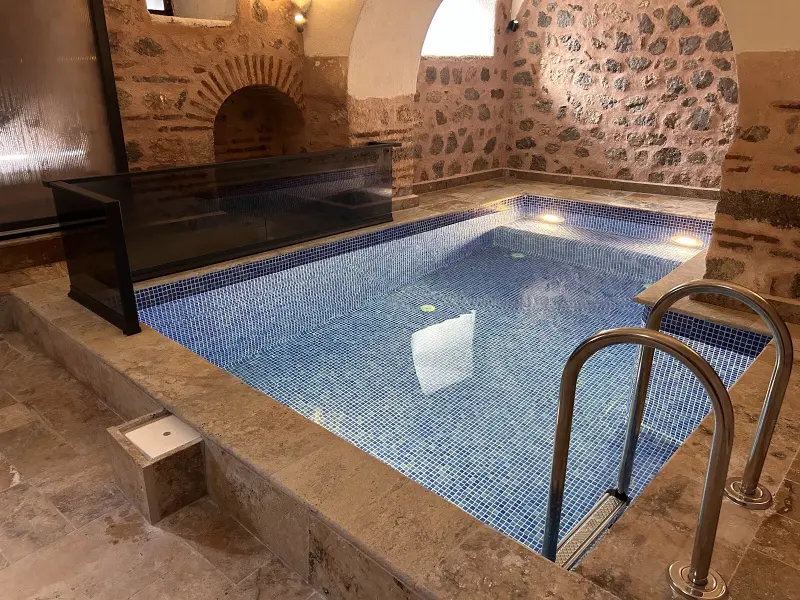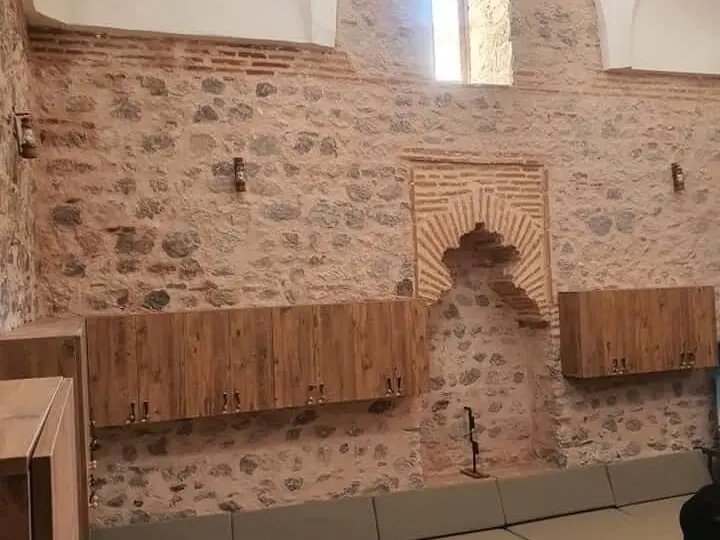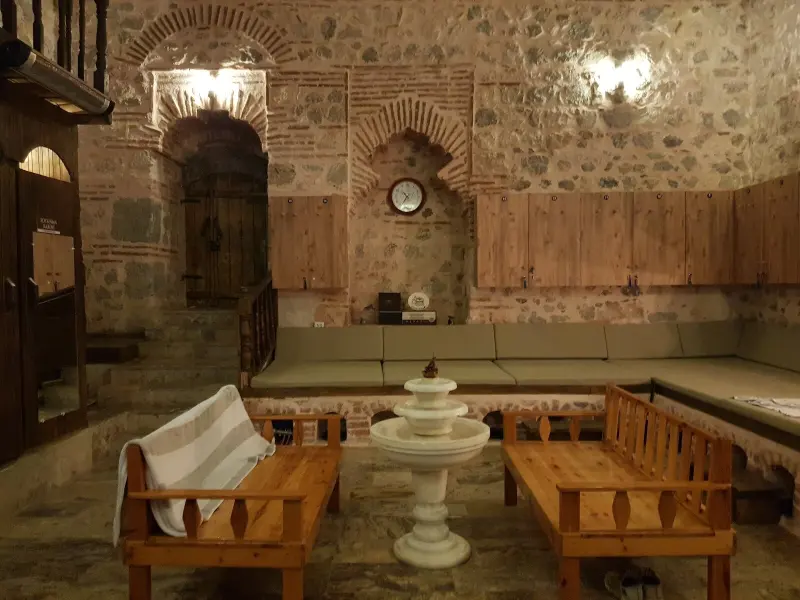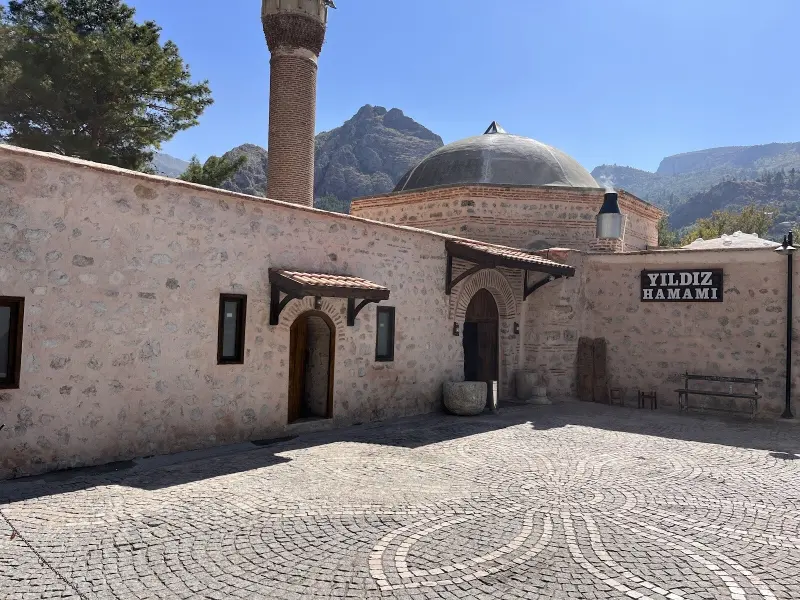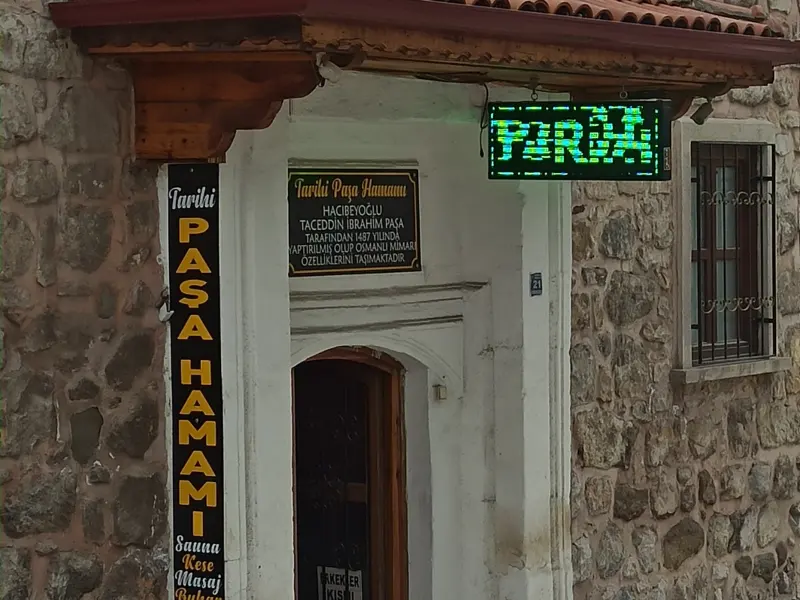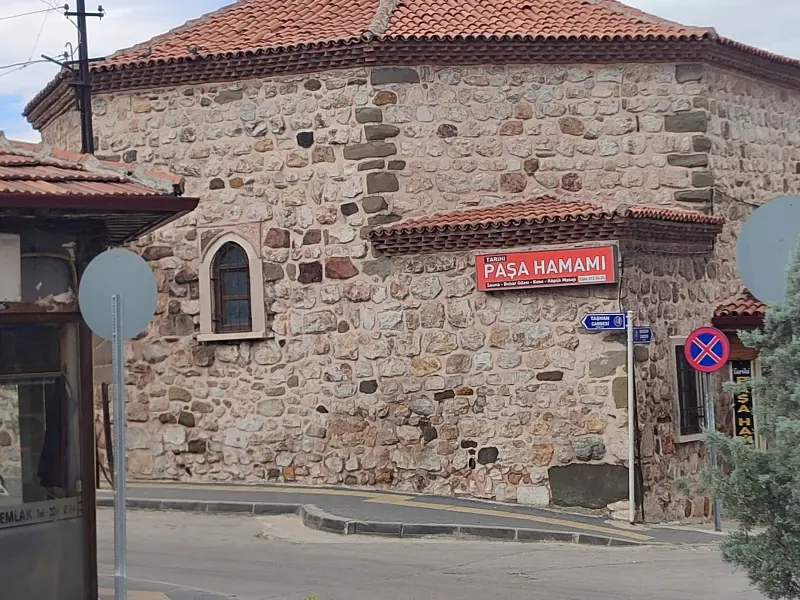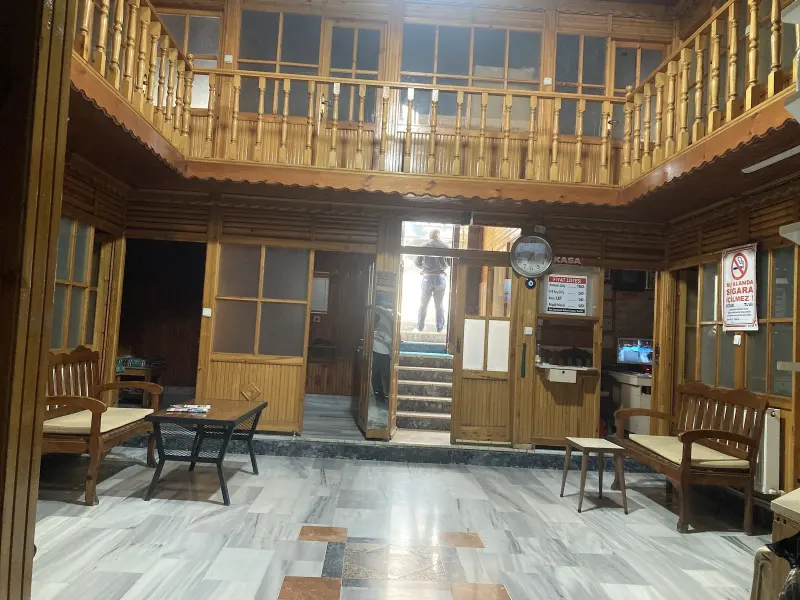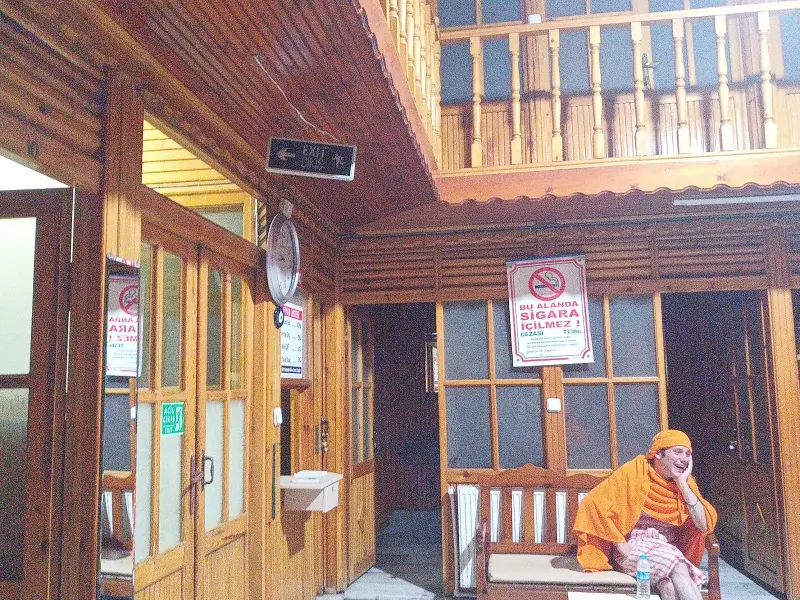
Closed · opens today at 06:00 Separate sections
Separate sections
Turkish BathKese Scrub +1

198 venues found
Closed · opens today at 06:00 Separate sections
Closed · opens today at 10:00 Mixed
Closed · opens today at 08:00
Separate sections
Closed · opens today at 13:00
Closed · opens today at 10:00
Separate sections
Mixed
Closed · opens today at 08:00 Separate hours
Closed · opens today at 10:00
Separate sections
Mixed
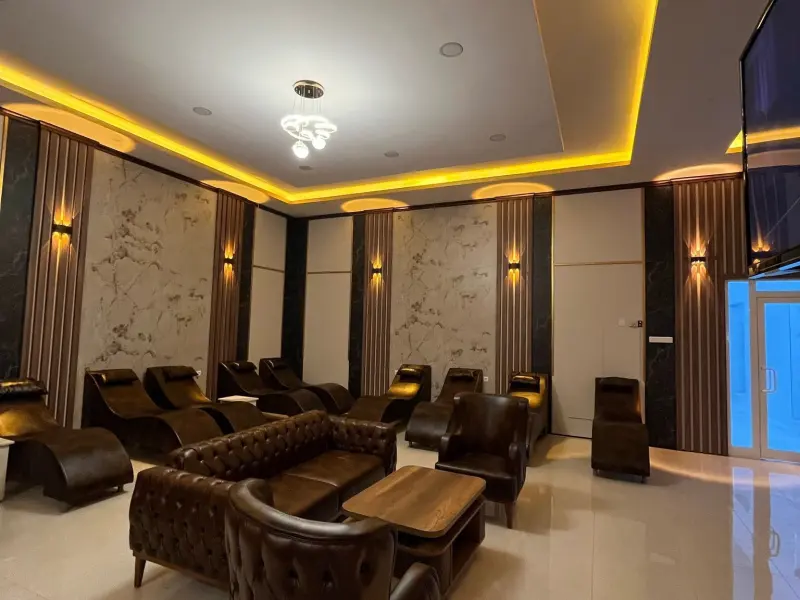
Separate sections
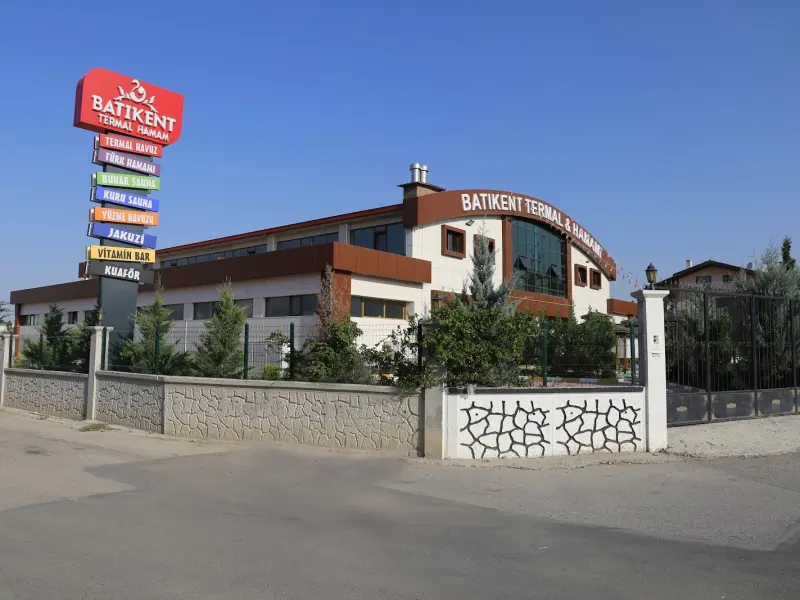
Closed · opens today at 08:00 Separate sections
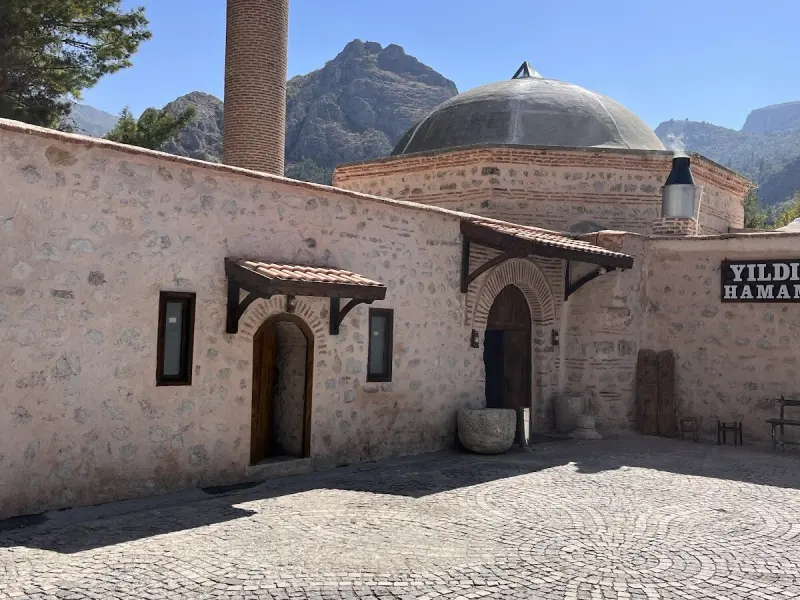
Closed · opens today at 05:00
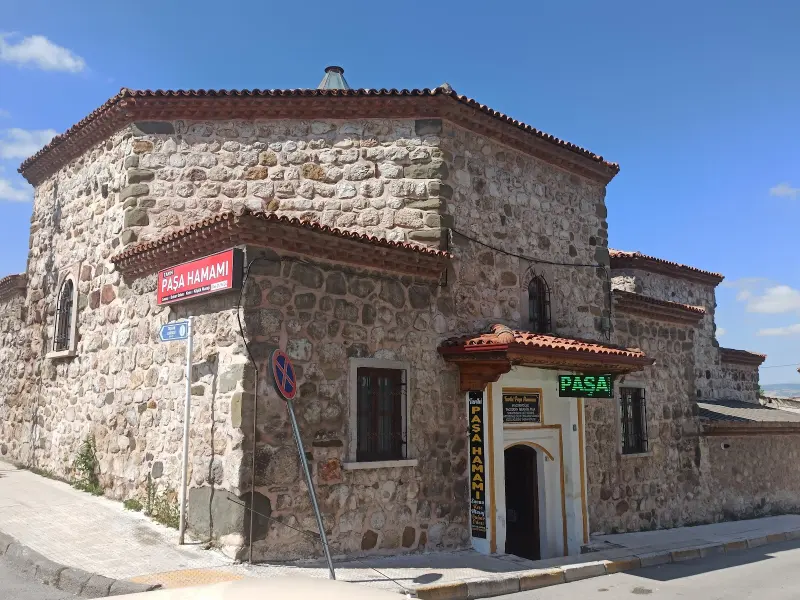
Closed · opens today at 06:00 Separate sections

Separate sections
Separate sections
Closed · opens today at 07:00 Separate sections
Closed · opens today at 09:00 Separate sections
Closed · opens today at 07:00 Separate sections

Separate sections
The recommended order is based on rating and number of reviews, and on how complete and up to date a listing is. A paid membership does not change the order.
The map couldn't be loaded
The Turkish bath is a traditional bathing ritual that takes place in a hot, humid space around a heated marble platform called the navel stone. It is the form the Roman bathing tradition took in the Ottoman period, and in Turkey it lives on both in historic buildings and in modern venues such as hotel spas and thermal resorts. At the heart of the ritual are warming up, kese (exfoliating scrub) and foam massage.
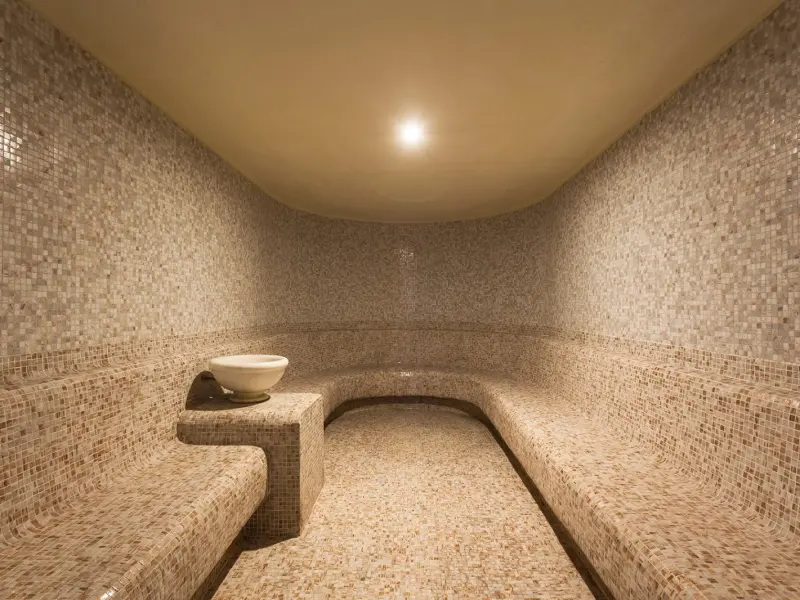
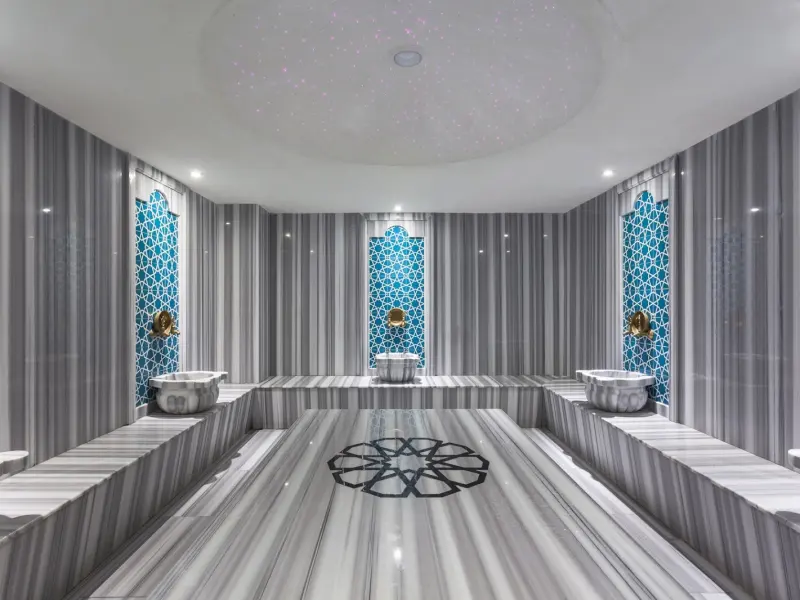
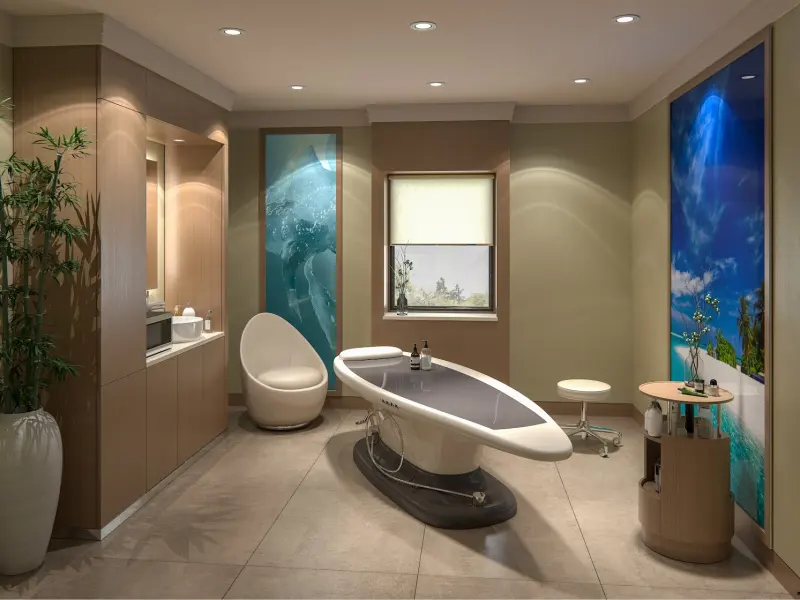
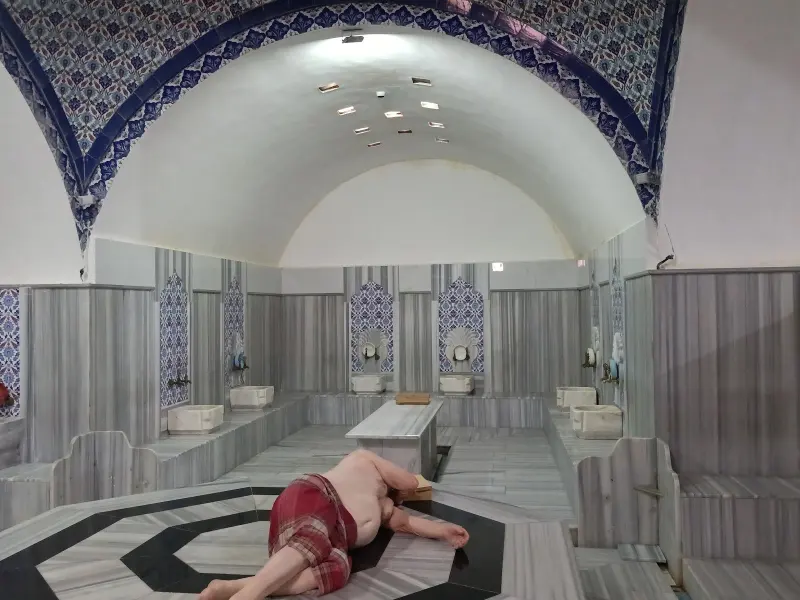
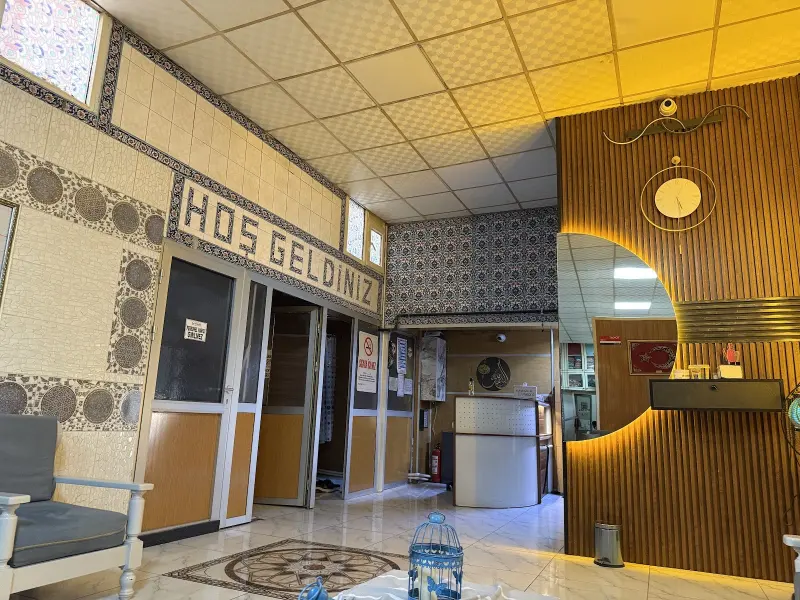
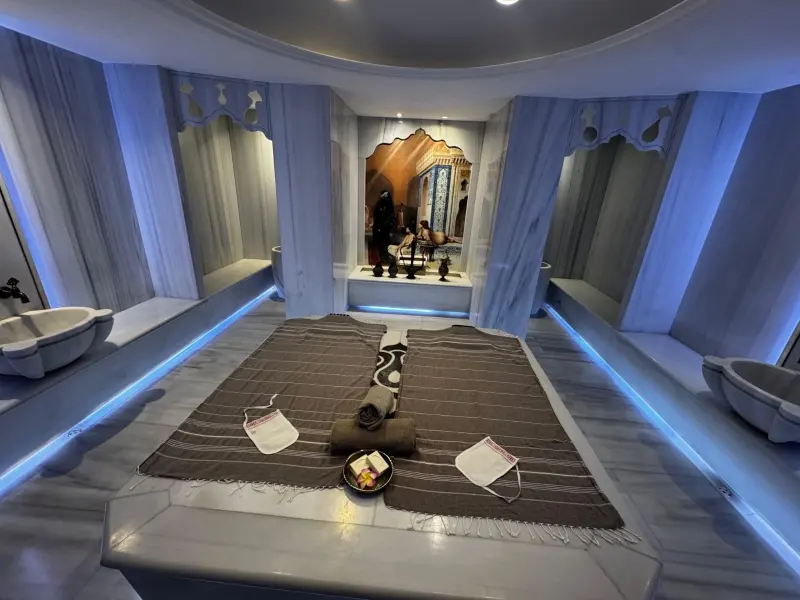
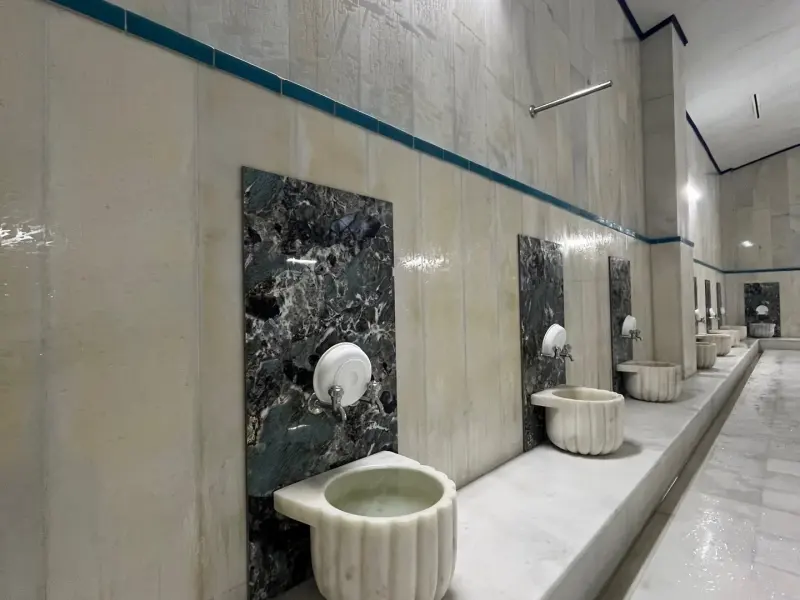
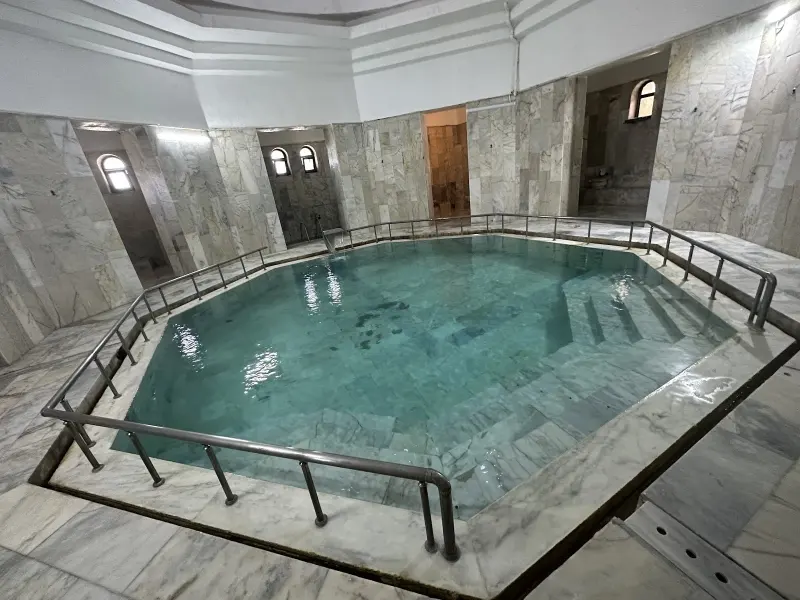
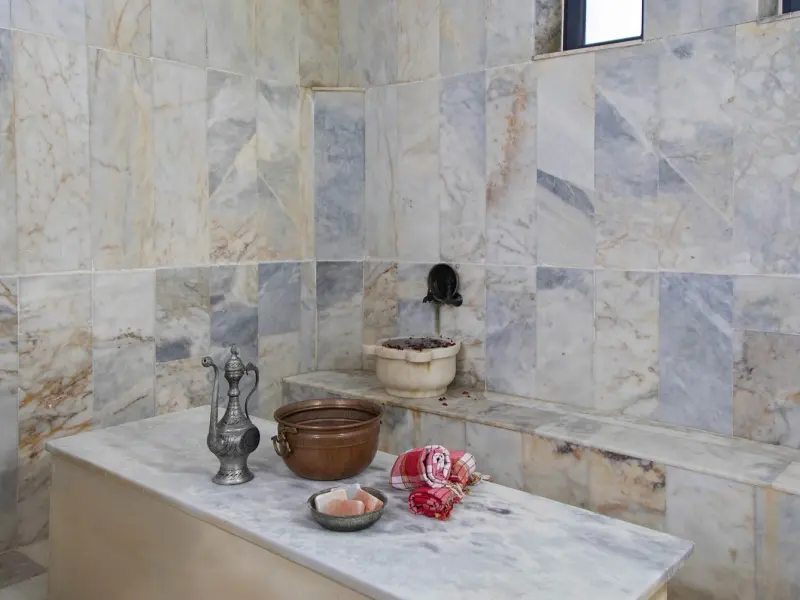
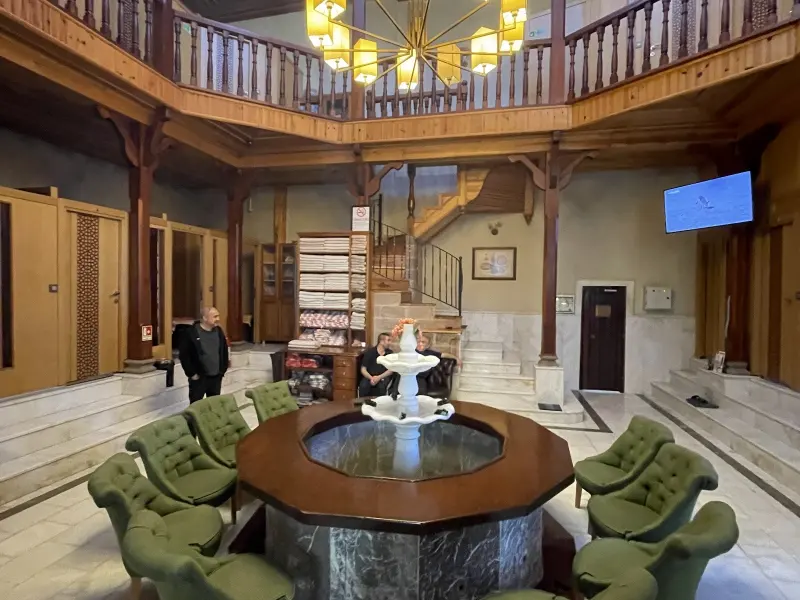
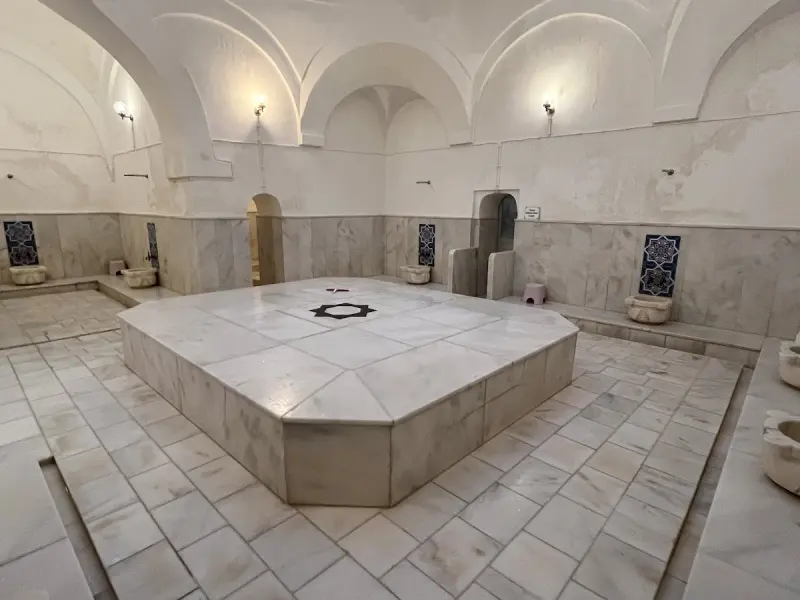
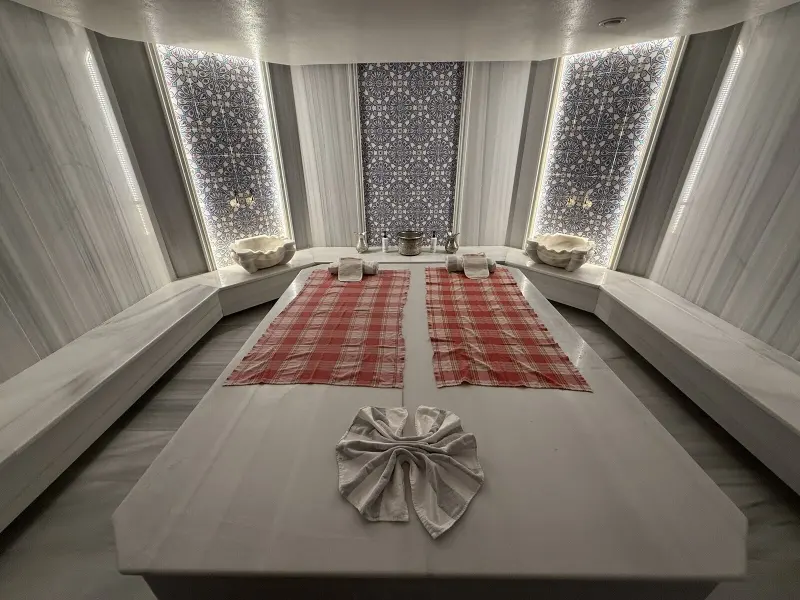
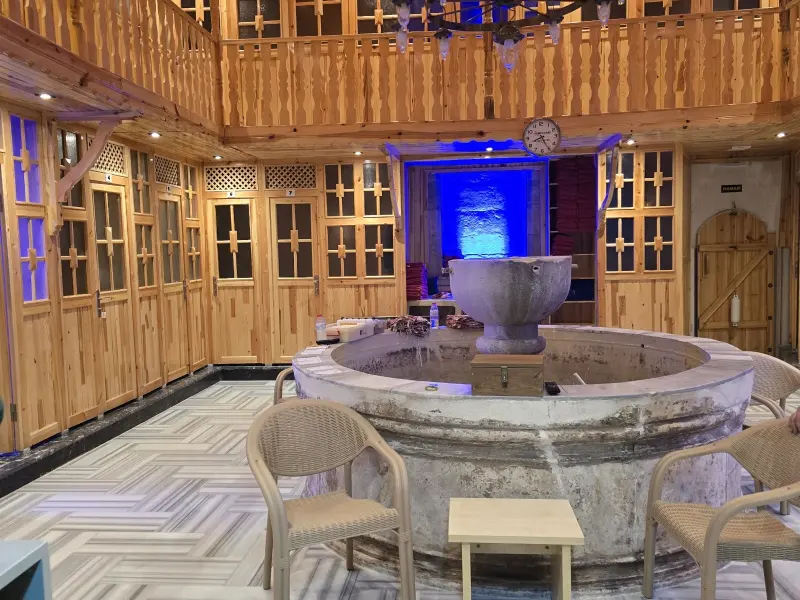
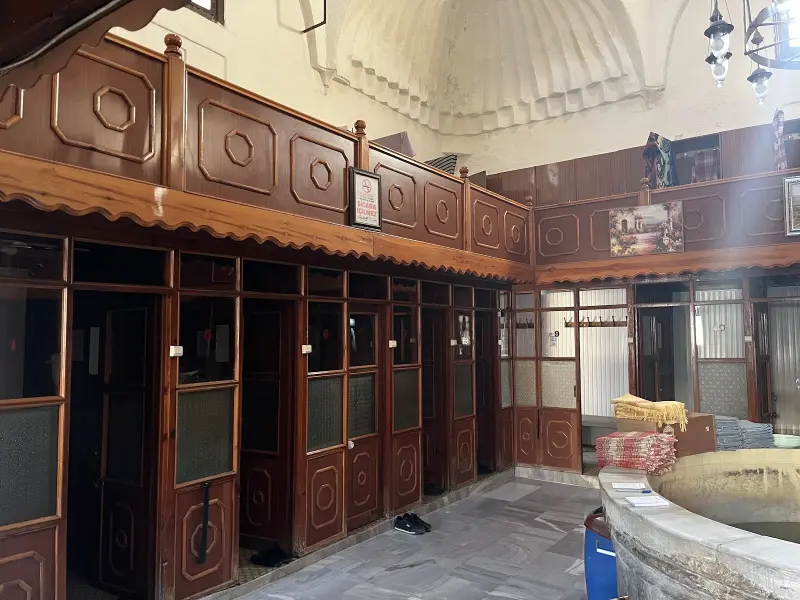
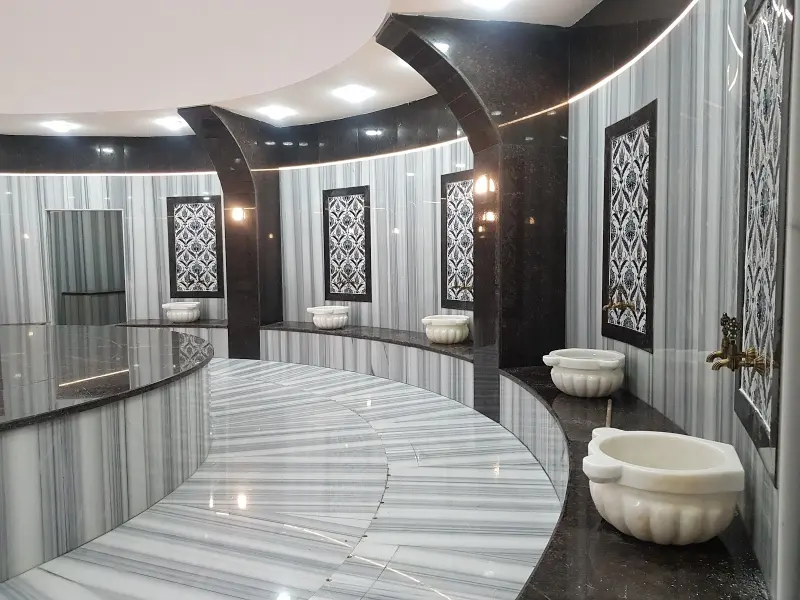
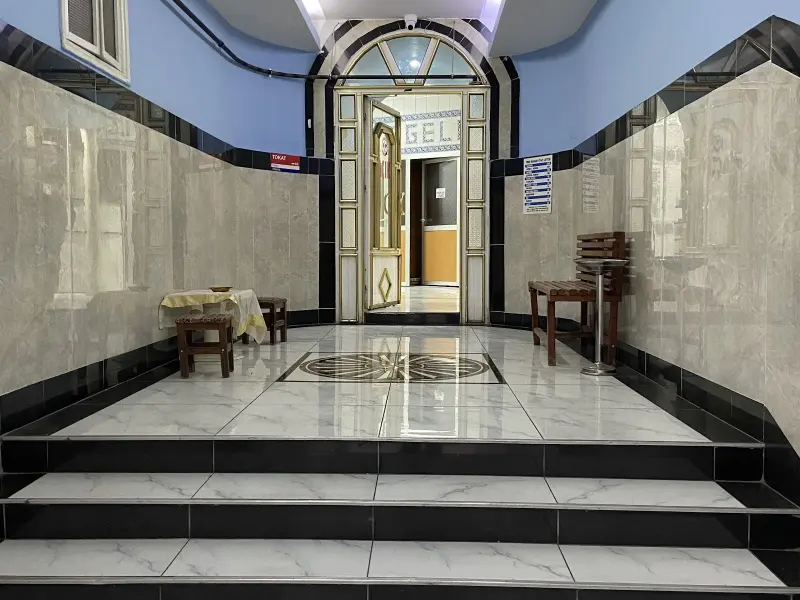
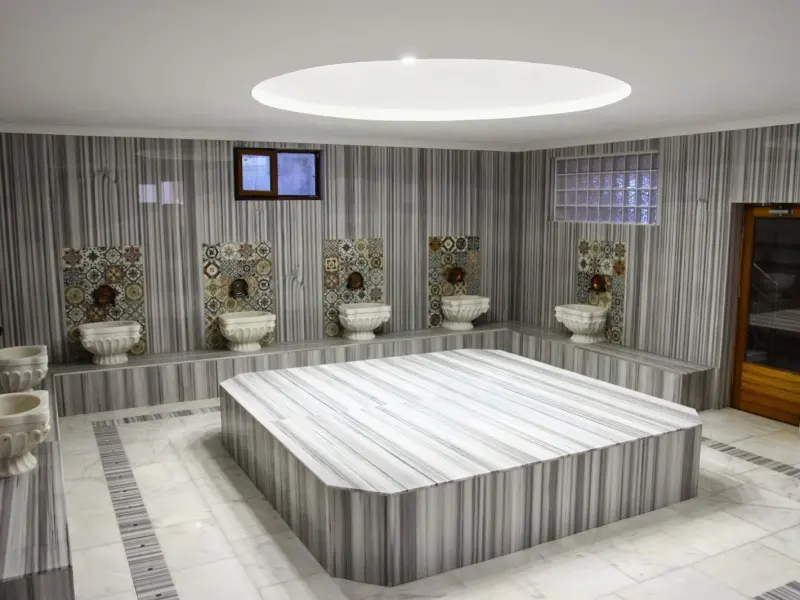
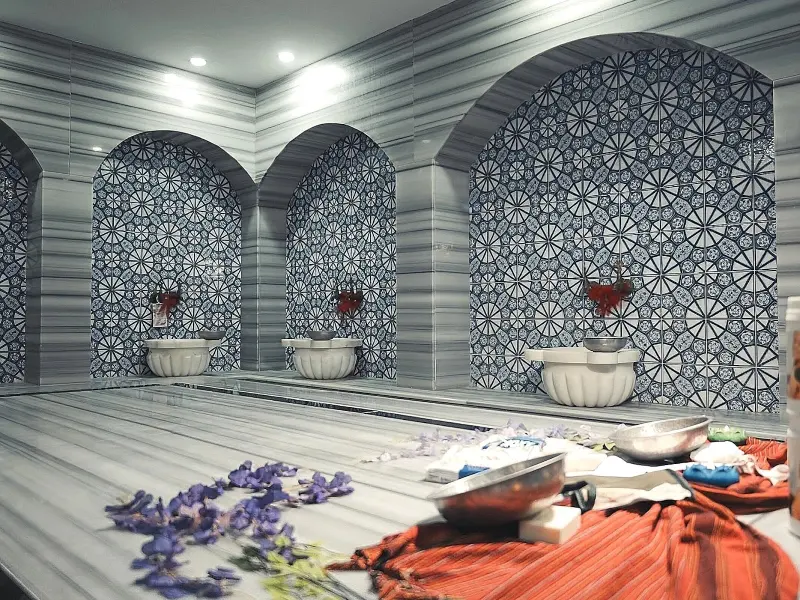
A classic Turkish bath has three main sections. The entrance section, where you undress and where you rest at the end of the ritual, is called the camekân or soyunmalik. The warm room is the transitional section where the body gets used to the heat. The hot room has the navel stone in the middle, marble basins (kurna) along the walls and, in some hammams, small private washing rooms called halvet. Hammams in hotel spas usually consist of a single hot room with a navel stone; changing and resting take place in the spa's shared areas.
The kese and foam wash are given by attendants called tellak in the men's section and natir in the women's section. If it is your first visit, you can also read the guide that explains how to use a hammam step by step.
The full ritual, including kese and foam wash, takes 60-90 minutes. Using the hammam on its own can be done in 45 minutes; packages that add a massage run to 2 hours. Many hammams get busier at weekends, so making an appointment shortens the wait.
At most venues today you go into the hammam in a swimsuit or bikini with a peshtemal wrapped over it; full nudity is not usual, but the rules vary from venue to venue. A peshtemal, towel and slippers are provided at most venues; you may want to bring personal items such as shampoo, a comb and moisturiser.
Arrangements for women and men also vary by venue. The site lists, side by side, historic hammams that serve women only, thermal resorts that open to women and men at separate times, and mixed hotel spa hammams. Some places also have a private hammam option set aside for families or couples. Ask about the arrangements when you make your appointment.
The heat of the hammam relaxes the muscles and temporarily increases blood circulation; because the kese removes dead skin, the skin feels smoother. Together, the heat and the bathing ritual can help you relax. What you lose through sweating is water: the hammam does not flush out toxins or make you lose weight, and the lost fluid is replaced by drinking water.
The heat and humidity of the hammam have a marked effect on blood pressure. Consult your doctor if you have cardiovascular disease, uncontrolled high or low blood pressure, diabetes, epilepsy, a respiratory condition or thyroid problems. It is not recommended during pregnancy. It should be postponed if you have a feverish illness, an active skin infection or an open wound, or have just had hair removal. Do not go in after drinking alcohol, on an empty stomach or straight after a heavy meal, and drink plenty of water. If you feel dizzy, leave the hot section immediately.
A Turkish bath, a sauna and a steam room may sit side by side in the same spa, but they are not the same thing:
| Facility | Environment | What happens |
|---|---|---|
| Turkish bath | Hot and humid; heated marble | Warming up, kese, foam wash and bathing |
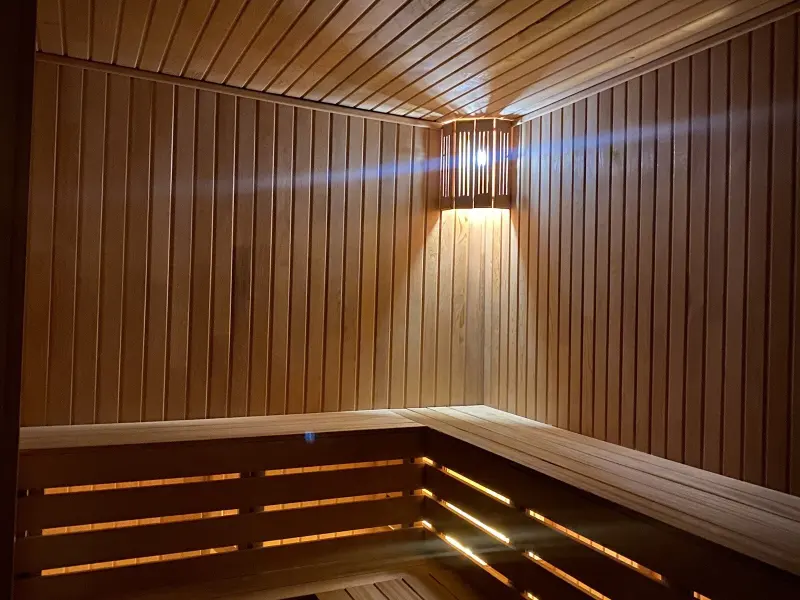
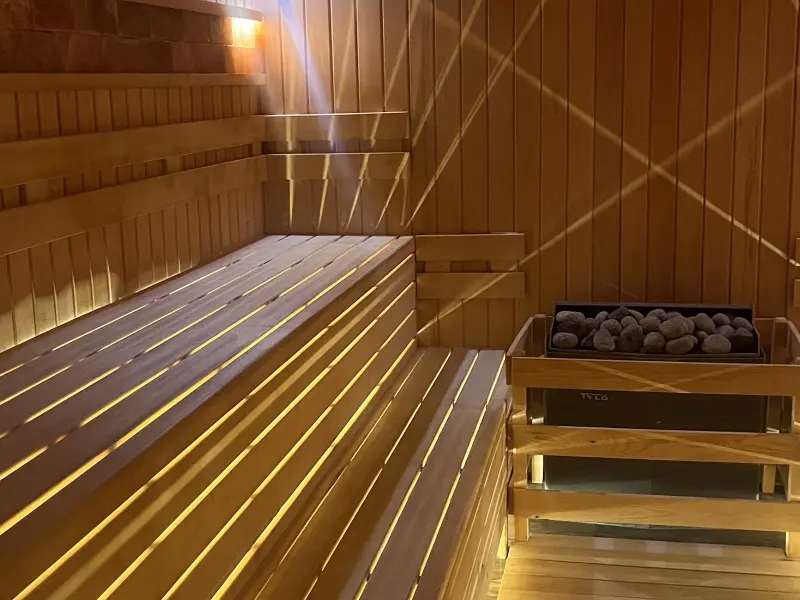
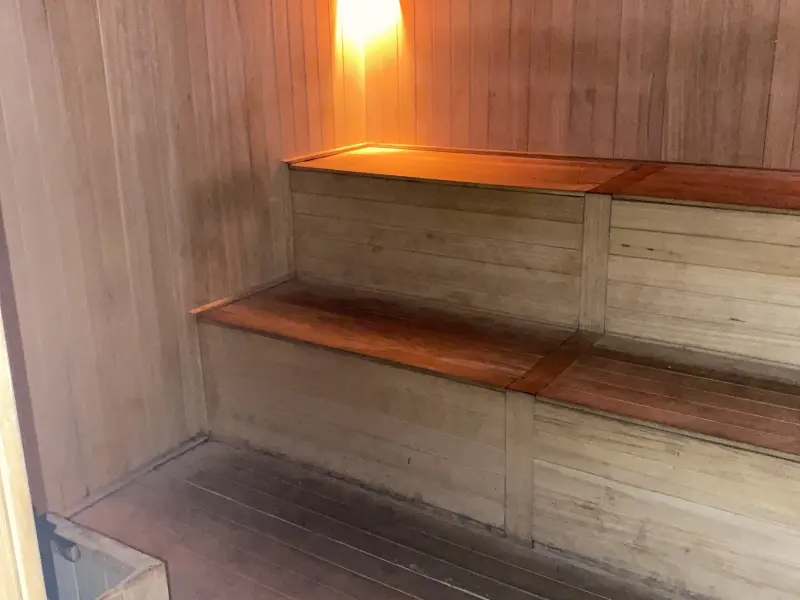
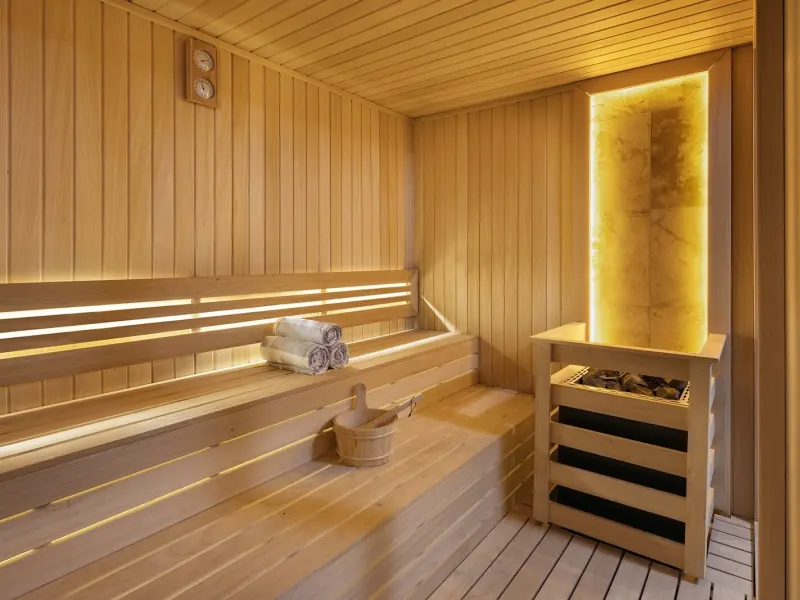
| Sauna | Very hot, dry air | Sweating in short rounds, cooling off in between |
| Steam room | Lower temperature than a sauna, air saturated with steam | Sweating while seated; no washing service |
The hammam is a bathing and care ritual, whereas the sauna and steam room are used only for warming up and sweating. If you are going to use all three on the same day, allow time in between to cool down and drink water.
The price of a hammam visit depends first on what is included: whether it is entry only, whether kese and foam wash are included, and whether a massage or mask is added. The type of venue also matters; historic hammams, hotel spas and thermal resorts price differently. A location in a tourist area, use of a private or family hammam, refreshments and the products used, and weekend demand also affect the price. For an overview specific to Istanbul, see the guide to Istanbul hammam prices. When making an appointment, ask:
You are expected to bring a swimsuit or bikini; full nudity is not usual in today's venues. Most venues provide a peshtemal, towel and slippers. If you have long hair, bring a hair tie, and ask the venue about drying your hair after the session.
The full ritual, including kese (exfoliating scrub) and foam wash, takes 60-90 minutes. Using the hammam on its own can take as little as 45 minutes. With comprehensive packages that add a massage, the total can reach 2 hours; allow for this when planning your appointment.
At most venues the sections are separate, or certain hours of the day are set aside for women and others for men. Venues offering mixed use state this in advance. The kese and foam wash are usually done by an attendant of the same sex as you; you can state your preference when making your appointment.
No. In today's hammams you go in wearing a swimsuit or bikini, with a peshtemal wrapped over it. During the kese and foam wash, too, you keep the peshtemal or swimsuit on. It is normal to state your expectations about privacy when making your appointment.
It is not recommended. The high heat and humidity of the hammam raise body temperature, which is inadvisable during pregnancy; there is also a risk of falling on the wet marble floor. To relax during pregnancy, choose a pregnancy massage, with your doctor's approval, given by therapists trained in it.
Not without consulting your doctor. The heat of the hammam dilates the blood vessels and causes marked changes in blood pressure; with uncontrolled blood pressure there is a risk of dizziness and fainting. If your doctor gives the go-ahead, keep your time in the hot room short, drink plenty of water, do not stand up suddenly and leave immediately if you feel unwell.
At many hammams, yes: you can pay just the entry fee and wash yourself with your own kese. This is more common at historic and neighbourhood hammams; at hotel spas, the hammam is mostly offered as a kese and foam wash ritual with an attendant. Ask when booking whether you need to bring your own kese and soap.
Many people prefer to postpone the hammam during their period. The hot environment can increase bleeding and fatigue in some people; the hygiene of the shared water and marble areas should also be taken into account. If you decide to go, use a tampon or menstrual cup, keep your time in the hot room short, and ask about the venue's rules on this beforehand.
It is not recommended to go out straight away; rest in the changing hall for around 15-20 minutes and wait for your body temperature and pulse to return to normal. Sudden cold after heat can cause chills and dizziness, especially in the winter months. During this time, dry your hair thoroughly and have water or a warm drink.
Are you sure?
Choose one more venue to compare.