Closed · opens today at 12:00
Turkish BathTraditional Hammam RitualKese Scrub

27 venues without a price are not shown.
13 venues found
Closed · opens today at 12:00
Closed · opens today at 11:00
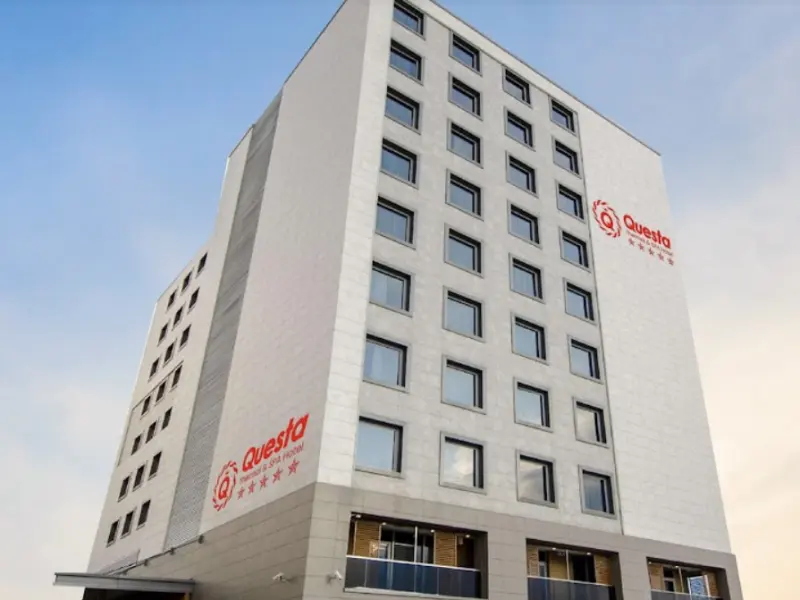
Mixed
Closed · opens today at 10:00
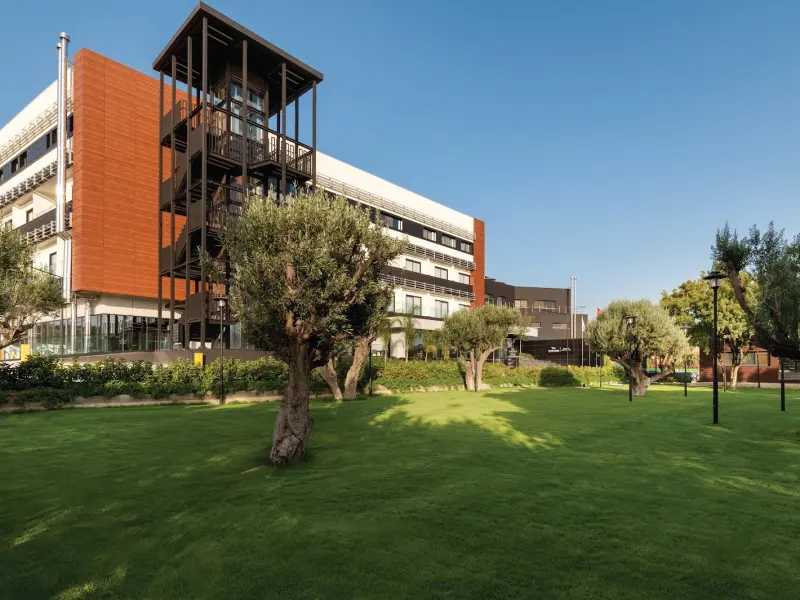
Separate sections
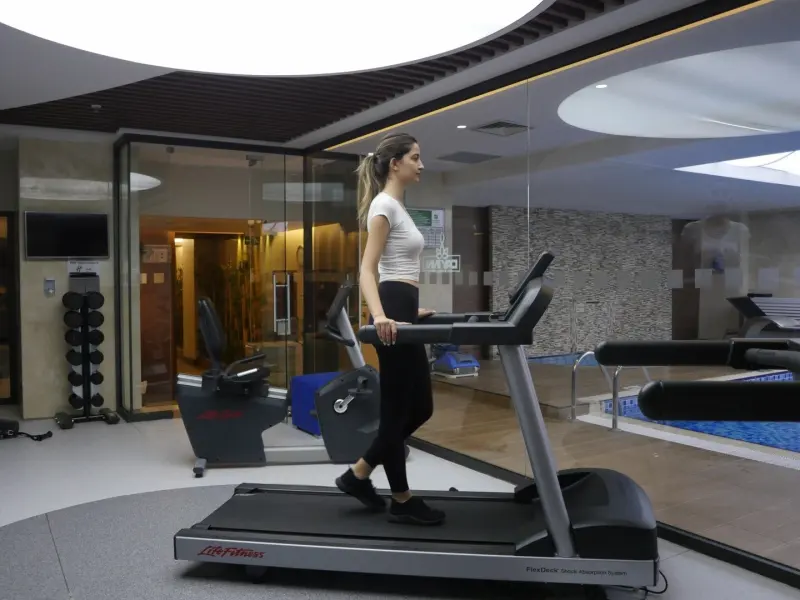
Closed · opens today at 09:00 Mixed
Separate sections
Closed · opens today at 10:00
Closed · opens today at 10:00

Closed · opens today at 10:00
Closed · opens today at 10:00

Closed · opens today at 10:00

Closed · opens today at 10:00
The recommended order is based on rating and number of reviews, and on how complete and up to date a listing is. A paid membership does not change the order.
The map couldn't be loaded
Balinese massage is a holistic body massage from the Indonesian island of Bali that combines acupressure, kneading and long gliding strokes with warm herbal oil. Because it brings together the flow of Swedish massage and the pressure of deep tissue work in the same session, Balinese massage is a frequent choice for people torn between "relaxing or therapeutic".
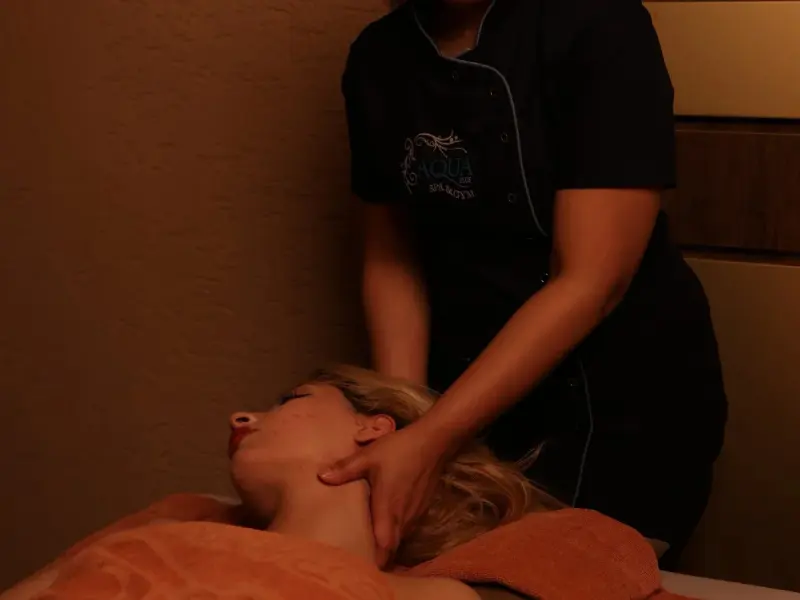
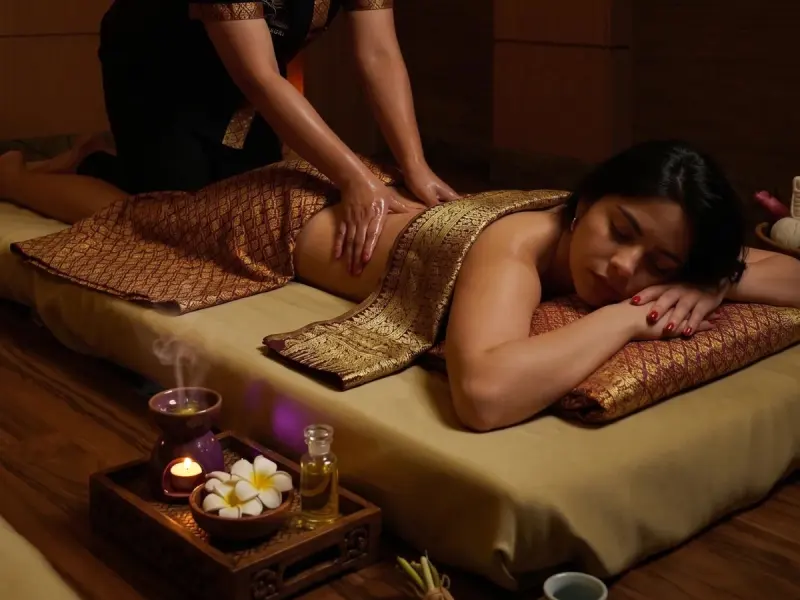
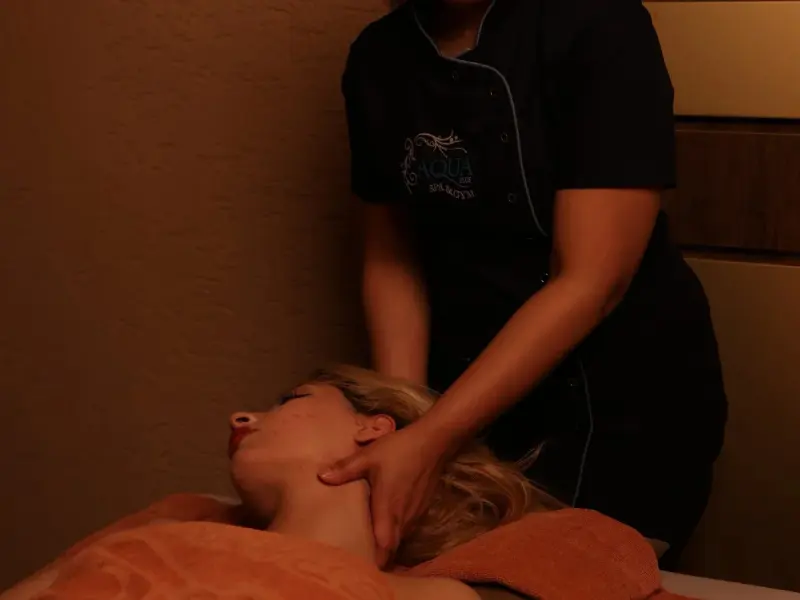
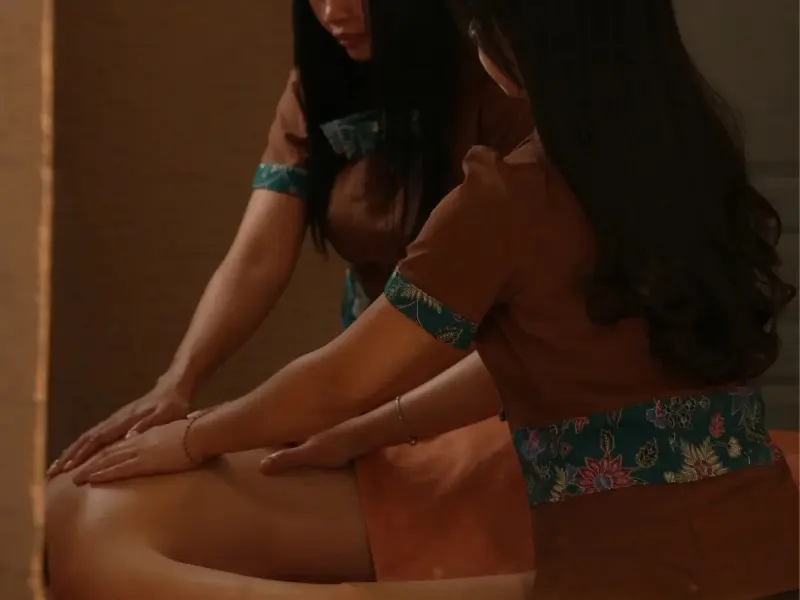
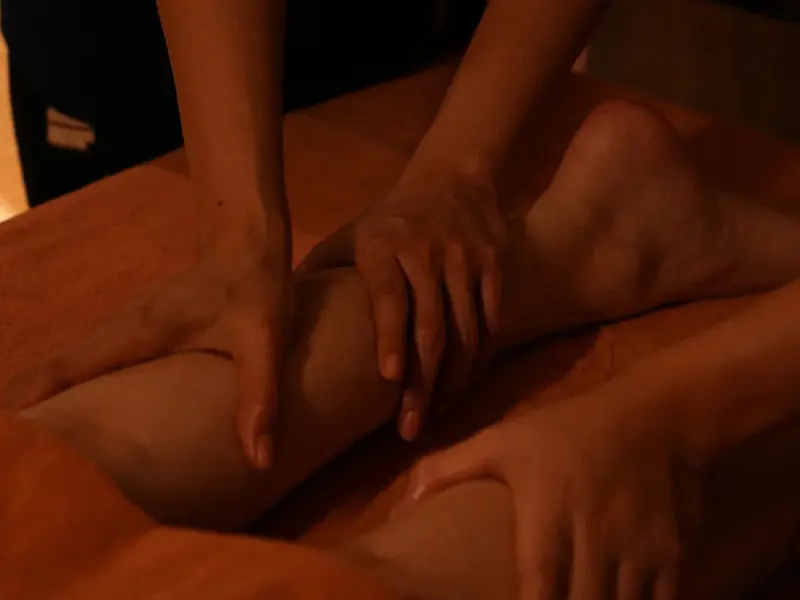
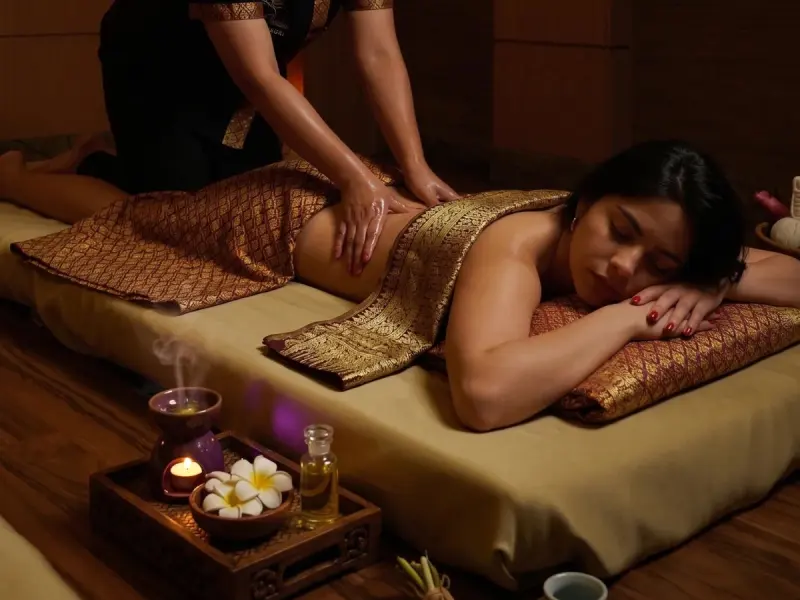
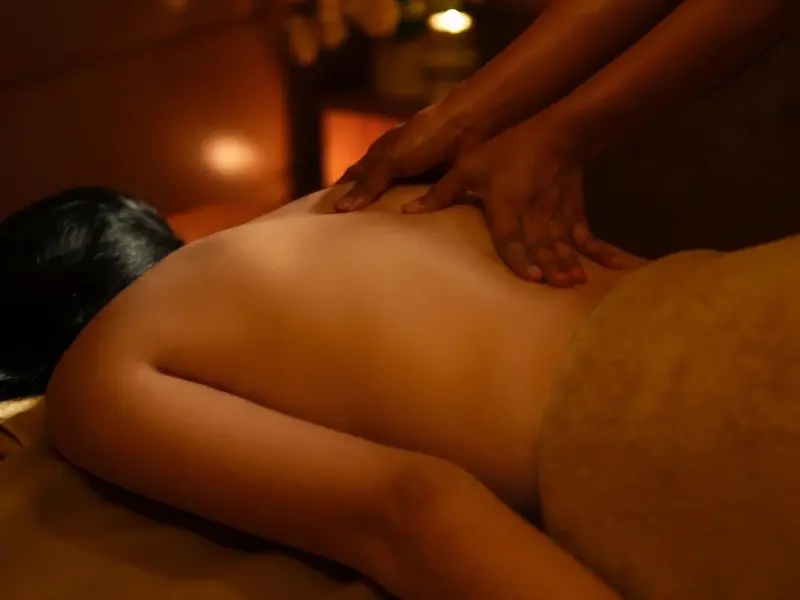
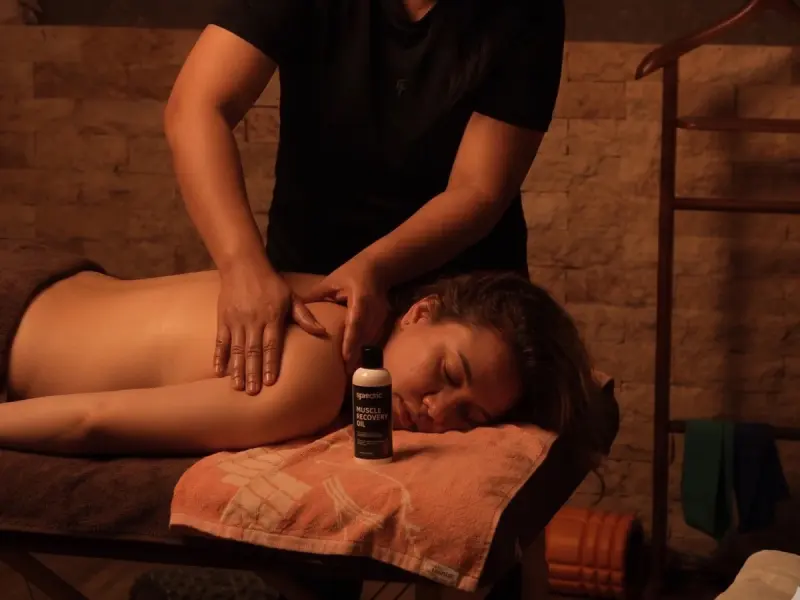
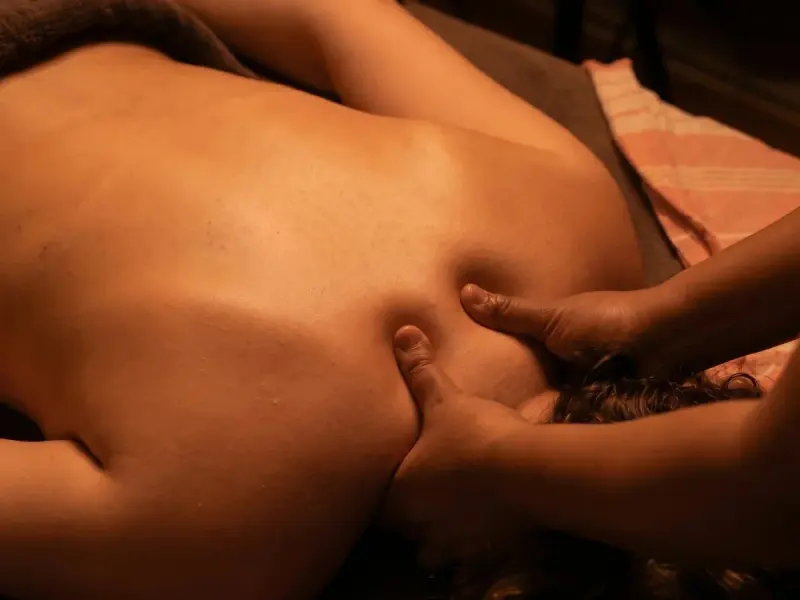
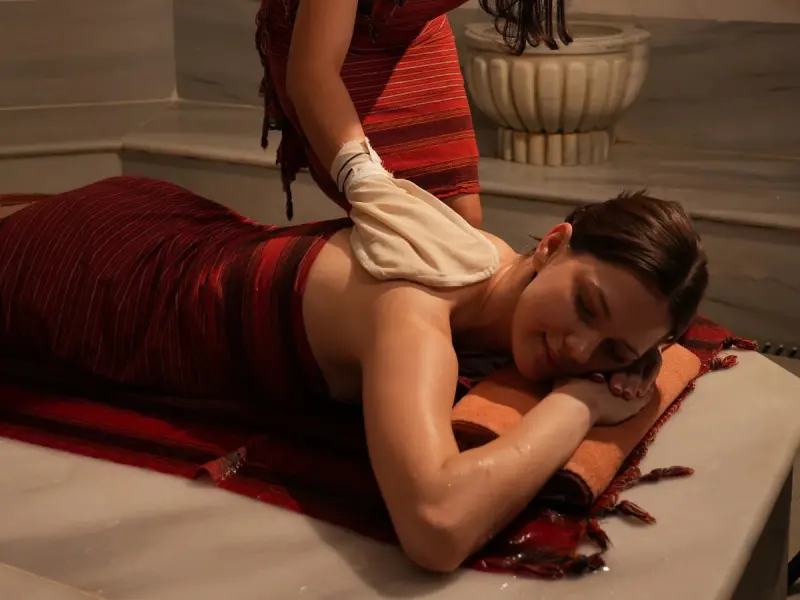
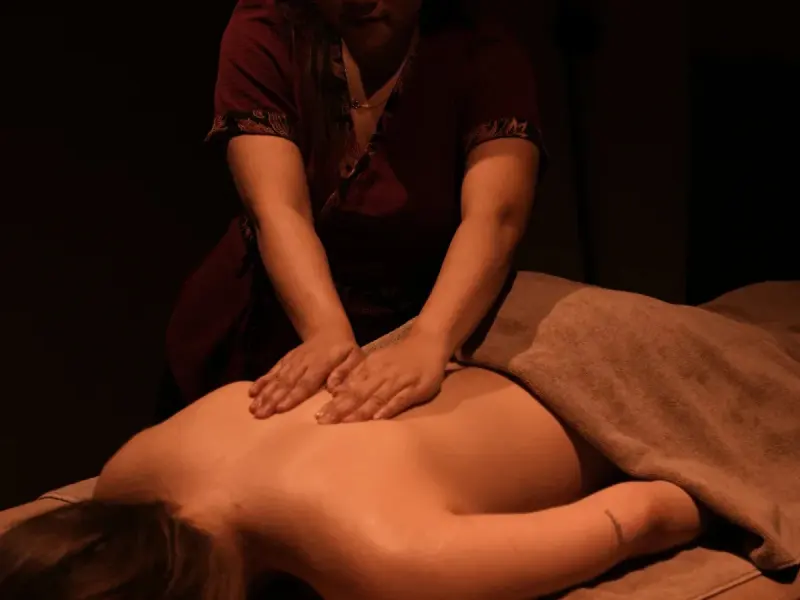
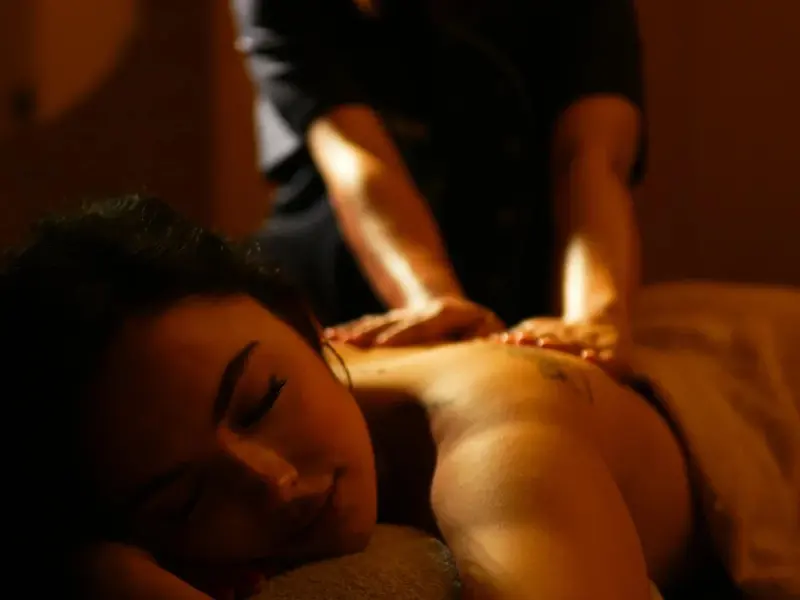
Balinese massage is given on a table, with you suitably covered by a sheet; only the area being worked on is uncovered. Depending on the venue, the session starts with you lying on your back or on your front. Using the palms, thumbs and forearms, the therapist works through the muscle groups of the shoulders, back, legs and arms in turn: long gliding strokes spread the oil and warm the tissue, kneading loosens the muscles, and thumb acupressure is applied to tight spots. Some venues also add light stretches and a foot and scalp massage to the session.
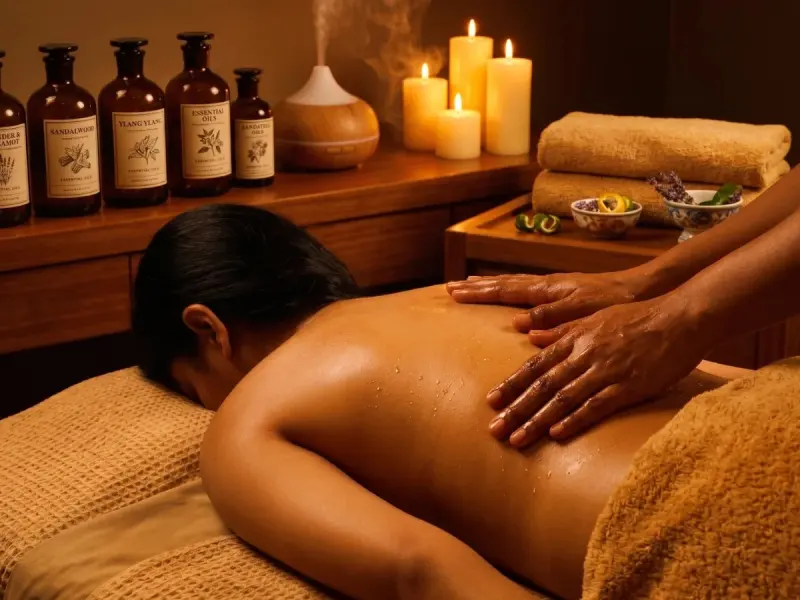
At most venues the oil is based on coconut, jasmine or frangipani. The aromatherapy element is an integral part of the session, not a separate extra. Pressure is medium to deep and is adjusted by talking during the session. Before the session the therapist usually asks about your pressure preference and the areas you want them to focus on; saying clearly how much pressure you want in your first session makes a marked difference to how comfortable it is.
A typical Balinese massage session lasts 60-90 minutes. 60 minutes is enough to go over the whole body once; 90 minutes allows more time on problem areas such as the back and shoulders. Those who have it for general relaxation mostly schedule sessions once or twice a month; during busy periods when shoulder and neck tension is pronounced, the interval can be shortened.
Balinese massage may help reduce muscle tension and aid relaxation; the warm oil and gliding strokes temporarily increase local circulation. A slight looseness and drowsiness after the session are normal, which is why evening slots are a popular choice. Balinese massage does not remove the cause of chronic pain; for a diagnosed problem, your doctor's advice should come first.
Balinese massage is most often chosen for the shoulder and neck tension that builds up in desk workers, tired legs after long journeys, and general stress. For people having a massage for the first time it is a gentler start than Thai massage and a more substantial one than classic Swedish massage. It also suits those who want more than a light touch but not the intensity of deep tissue massage.
Consult your doctor before having a massage if you are pregnant, have uncontrolled high blood pressure, a history of deep vein thrombosis, advanced varicose veins or an active skin infection, have had recent surgery or are undergoing cancer treatment. For pregnant women, pregnancy massage is a separate treatment. Massage should be postponed during a feverish illness. If you are allergic to oils or scents or have sensitive skin, ask about the ingredients of the oil in advance.
Balinese massage is often confused with several massages that have a similar name or technique. The table below sums up the main differences:
| Massage | Pressure | Oil | Key feature |
|---|---|---|---|
| Balinese massage | Medium to deep | Warm herbal oil | Gliding strokes, kneading and acupressure combined |
| Thai massage | Firm, deep in places | No oil, clothed | Pressure and stretching on a mat |
| Swedish massage | Light to medium | Oil or lotion | General relaxation with long gliding strokes |
| Aromatherapy massage | Light to medium | Chosen blend of essential oils | Scent and slow, flowing movements |
For those choosing between Balinese and Thai, the guide Balinese massage or Thai massage? offers a more detailed comparison.
The price of Balinese massage is set mainly by session length and the type of venue; it is usually higher in hotel spas than in independent spas in town. Whether sauna, hammam or pool use is included, whether the massage comes as a package with a scrub or facial, and weekend or seasonal differences also play a part. Some venues also offer Balinese massage as a couples' massage in private rooms for couples; with this option the price is based on a session for two. For details, see the guide what determines massage and spa prices. Before booking, clarify:
A typical session lasts 60-90 minutes. A 60-minute session covers the whole body once; 90 minutes allows longer work on problem areas such as the back, shoulders and legs. Some venues also offer 120-minute packages combined with an exfoliating scrub or a facial.
Balinese massage is done with oil, on a table, using gliding and kneading strokes; its main focus is relaxation. Thai massage, by contrast, is performed without oil, fully clothed, on a mat, and is based on stretching and joint-mobilising movements. Those who want to unwind choose Balinese; those looking for flexibility and range of motion choose Thai.
The pressure is medium to deep and can be adjusted during the session by talking to the therapist. It is not as intense as a deep tissue massage, but noticeably stronger than a classic Swedish massage. It is perfectly normal to ask for lighter pressure during the session if you feel uncomfortable.
Prices vary considerably by city, the venue's location and the length of the session; they are higher at hotel spas than at city spas. For current prices, see the pages of the venues listed on this page or contact the venue directly. Spa Deneyimi does not set prices.
Balinese massage is not designed for pregnancy. During pregnancy, pressure on the abdomen and lower back, some of the essential oils used and the lying position all call for specialist expertise. While pregnant, consult your doctor and choose a pregnancy massage given by therapists trained in it.
Avoid heavy meals for 1-2 hours before the session, and drink plenty of water afterwards. The oil used in the massage is meant to stay on the skin; most venues have showers available. After the session, rest rather than doing intense exercise or taking a hot shower. You may feel mild muscle tenderness the next day; this is normal.
No. Balinese massage is the name of a technique and can be given by any therapist trained in it. Some venues highlight that their massages are given by Indonesian or Far Eastern therapists; what really matters when choosing, however, is the therapist's training and experience in this technique. If you are curious, you can ask what training the therapist has had when you book.
Some venues offer shorter sessions focusing on the back, neck and shoulders; if it is not on the menu, you can ask when booking. By definition Balinese massage is a flow covering the whole body, so in short sessions the gliding strokes and acupressure are applied only to the chosen area. For stubborn tension in a particular area, asking for extra time on that area during a full-body session is also an option.
Are you sure?
Choose one more venue to compare.