Separate hours
Separate hours
Turkish BathTraditional Hammam Ritual +1

45 venues found
Separate hours
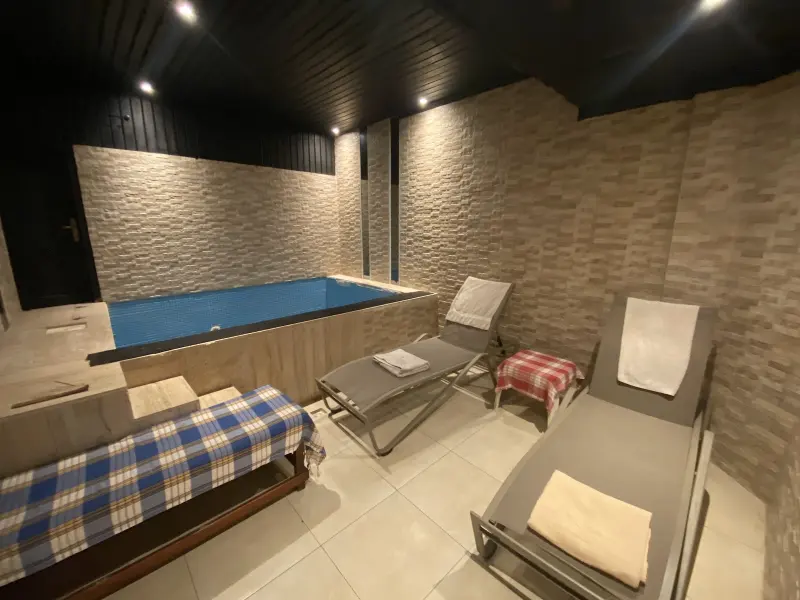
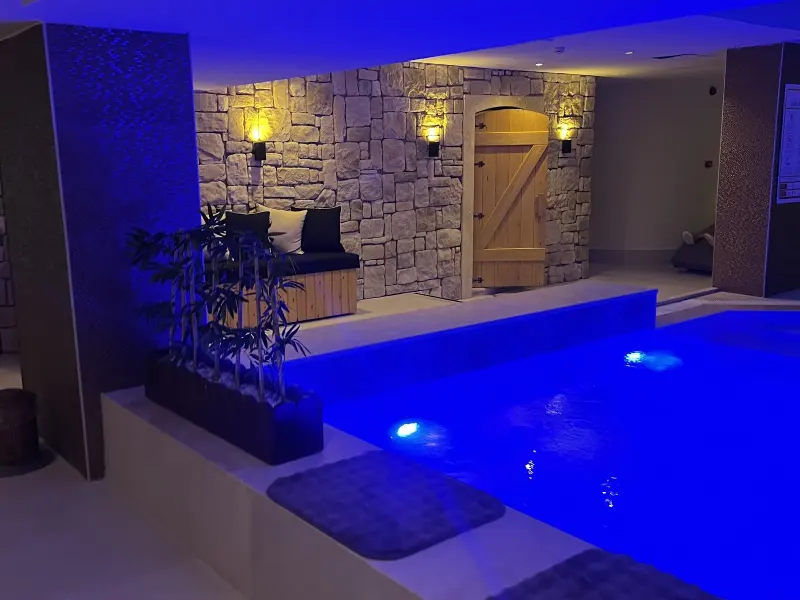
Closed · opens today at 07:00 Mixed

Closed · opens today at 08:00
Separate sections
Closed · opens today at 10:00
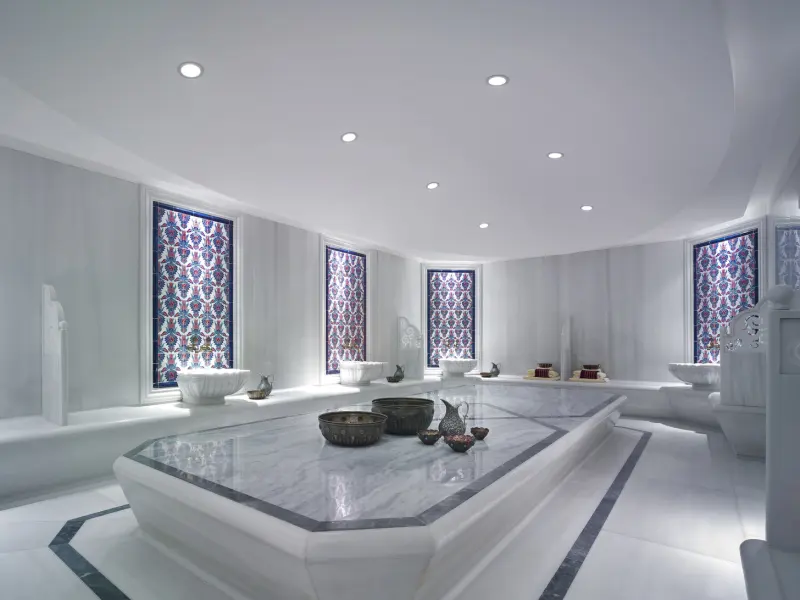
Closed · opens today at 10:00

Closed · opens today at 07:00
Closed · opens today at 10:00
Closed · opens today at 10:00

Closed · opens today at 07:00 Mixed
from€125

Closed · opens today at 07:00 Mixed
Closed · opens today at 12:00

Closed · opens today at 10:00

Closed · opens today at 10:00

Closed · opens today at 10:00

Closed · opens today at 10:00

Closed · opens today at 10:00

Closed · opens today at 10:00
The recommended order is based on rating and number of reviews, and on how complete and up to date a listing is. A paid membership does not change the order.
The map couldn't be loaded
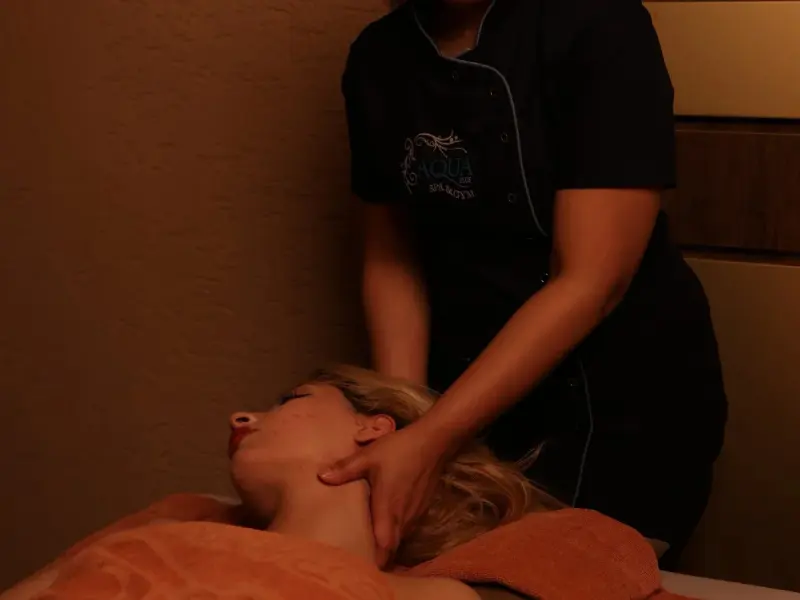
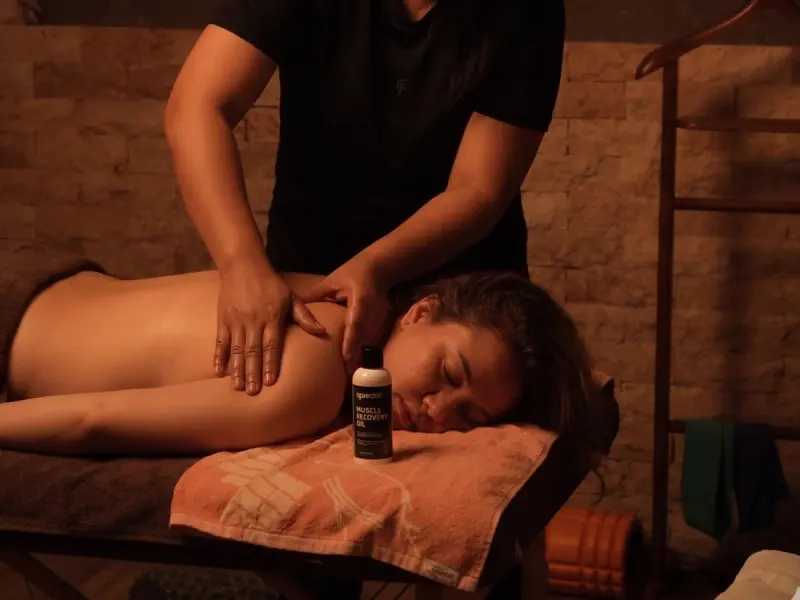
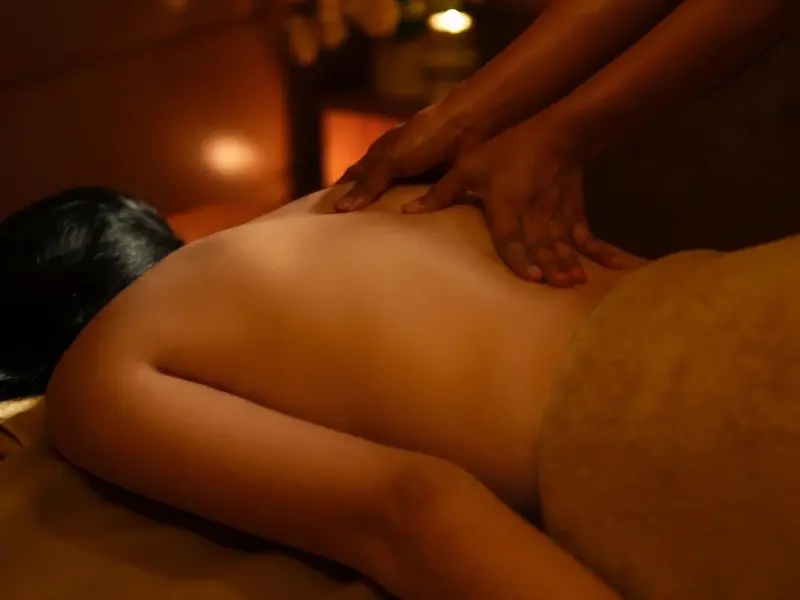
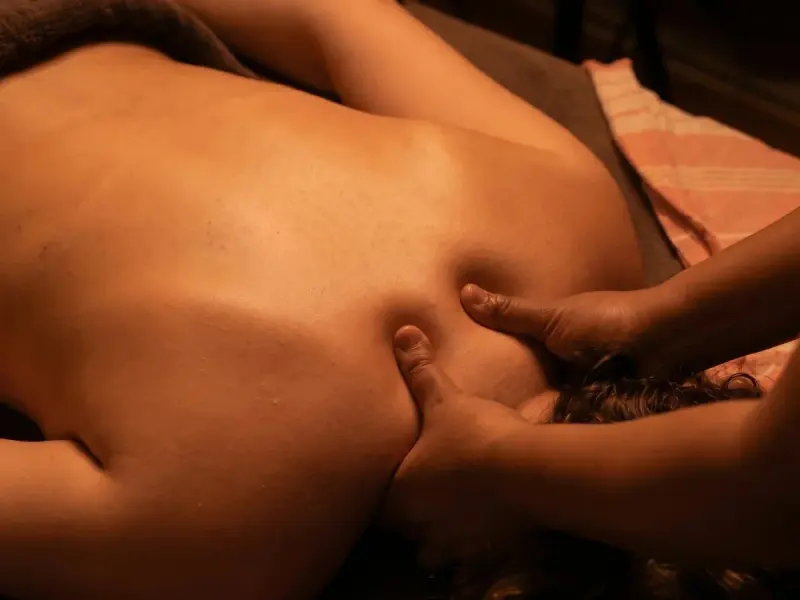
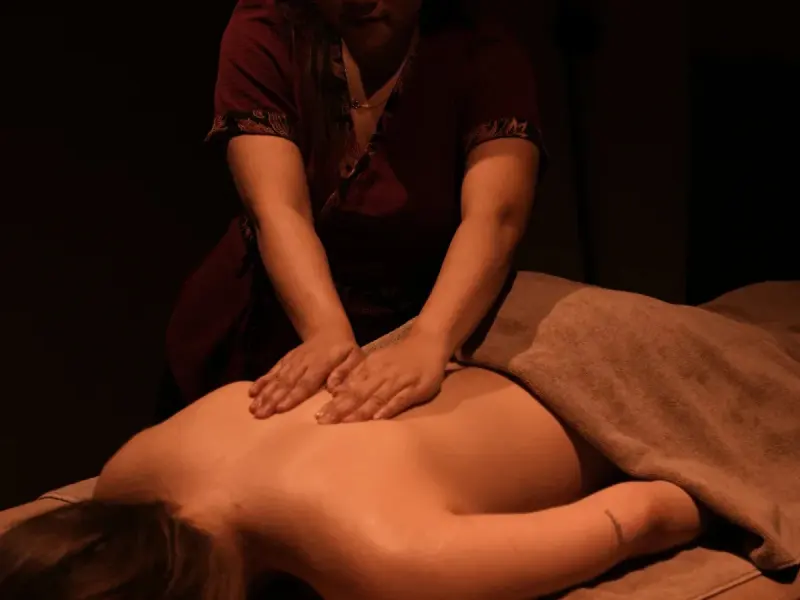
Deep tissue massage is a slow, firm-pressure type of massage that targets the layers beneath the surface of the muscle and the connective tissue around it (fascia). The therapist uses fingertips, knuckles, elbow and forearm, working across or along the direction of the muscle fibres; the aim is to help chronic bands of tension and trigger points release.
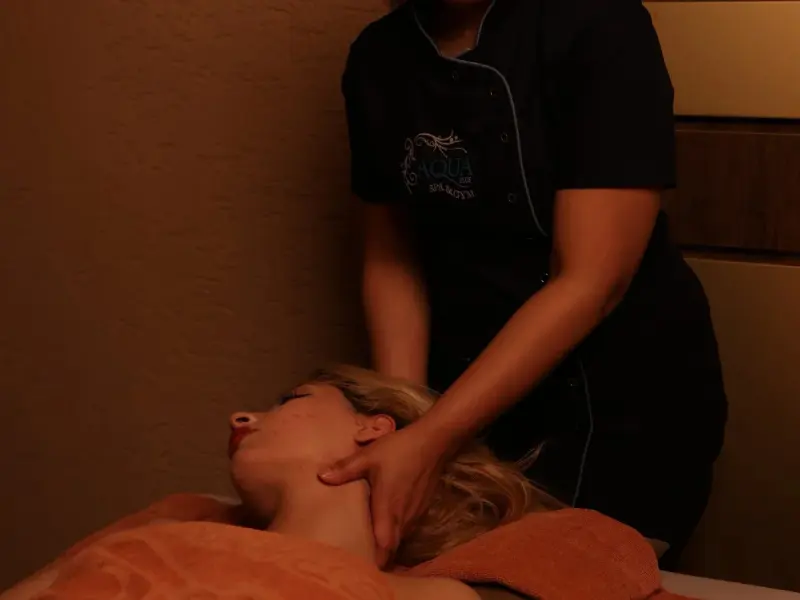
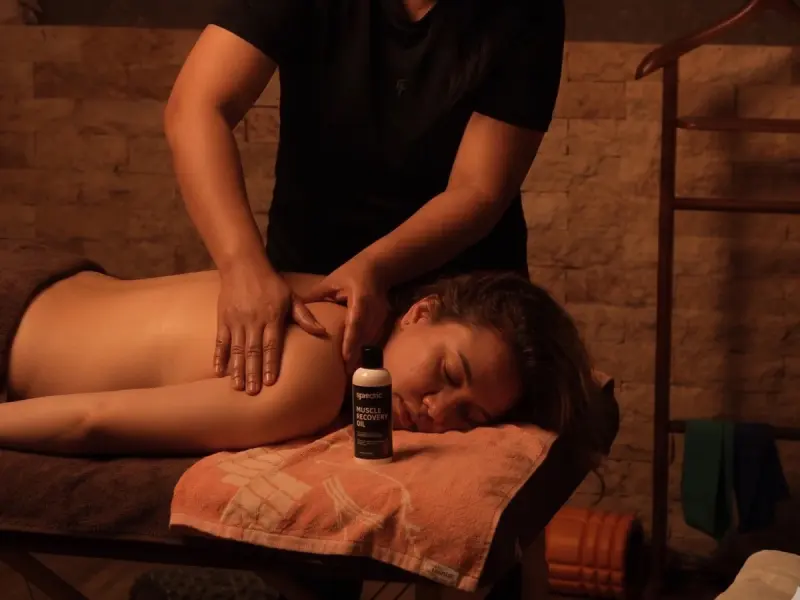
Deep tissue massage begins with a short consultation: you are asked where the problem is, how long it has lasted, which movements make it worse, and about any diagnosis you have and any medication you take. The therapist then warms the tissue for a few minutes with superficial strokes; deep pressure is never started on a muscle that has not been warmed up. The work mostly takes place with you lying face down and concentrates on the back, neck and shoulders, or on the lower back, hips and the backs of the legs; where necessary you switch to lying on your back or on your side.
What sets deep tissue massage apart from Swedish massage is the pace. The movements are slower because the tissue needs time to yield to pressure; fast, hard pressure makes the muscle contract rather than relax. Pressure is increased gradually and held for a while on tight spots. During the session you are asked to breathe out deeply; this makes it easier for the tension to release. The measure of the right pressure is your feedback.
60-90 minutes is common for deep tissue massage. Rather than the whole body, the work usually targets a region such as the back, neck and shoulders or the lower back, hips and legs. When working on a chronic problem, a few days are left between sessions so that the tissue can recover.
During the session you may feel a tenderness that fits the description of ‘good pain’; sharp, unbearable pain is not normal and should be reported to the therapist. The next day, muscle tenderness similar to that after exercise may last 24-48 hours. Spending the day of the session on light movement rather than heavy training makes this easier.
Deep tissue massage may help reduce established muscle tension and temporarily ease the feeling of restricted movement. The difference often becomes noticeable over a few sessions; how long the effect lasts depends on changing the habits that cause the tension (sitting in the same posture for long periods, repetitive movements, not stretching enough). Deep tissue massage does not correct a structural problem and does not replace a doctor's or physiotherapist's plan for a diagnosed condition.
Deep tissue massage is chosen for established neck and shoulder tension in people who work at a computer for long hours, chronic lower back pain, stiffness caused by repetitive movements and complaints caused by poor posture. People who train regularly use it alongside sports massage in their recovery programmes.
Deep pressure is inadvisable in the following situations; do not book without a doctor's approval:
Deep tissue massage is not given during pregnancy; in this period a pregnancy massage adapted to pregnancy is preferred. With acute, recently started severe pain, or with numbness and weakness spreading to an arm or leg, a diagnosis should be made first.
| Massage | Pressure and pace | Focus |
|---|---|---|
| Deep tissue massage | Firm, slow | Deeper layers of muscle and the fascia; specific areas |
| Swedish massage | Gentle to medium, flowing | General relaxation of the whole body |
| Sports massage | Varies with the training period | Muscle groups loaded by the sport; preparation and recovery |
| Medical massage | Adjusted to the complaint | A programme aimed at a specific complaint after an assessment |
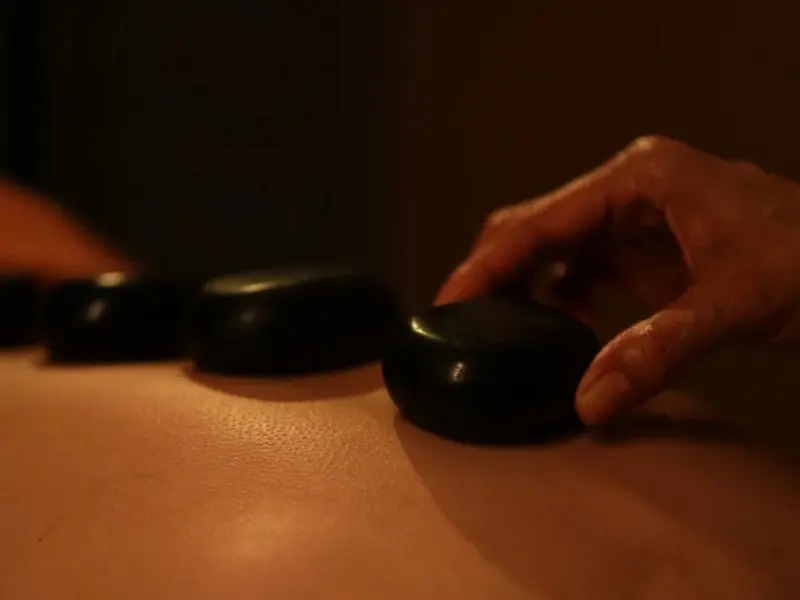
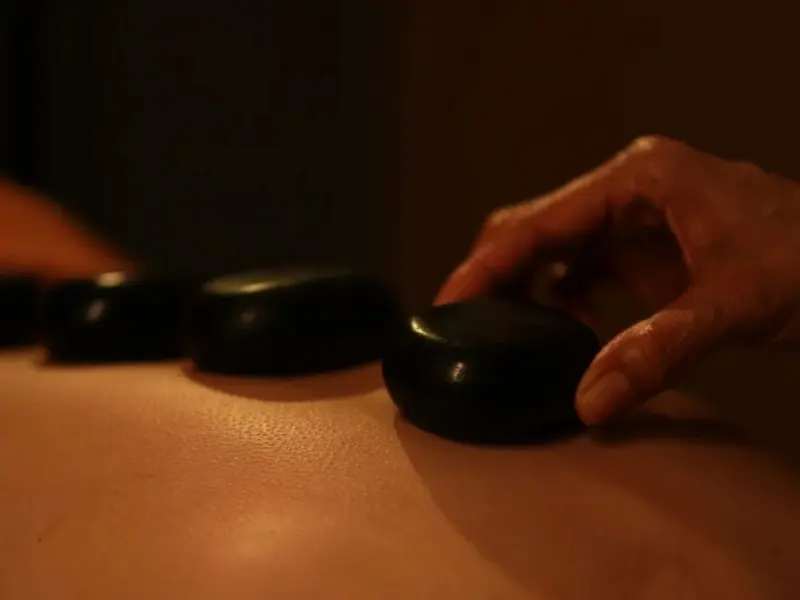
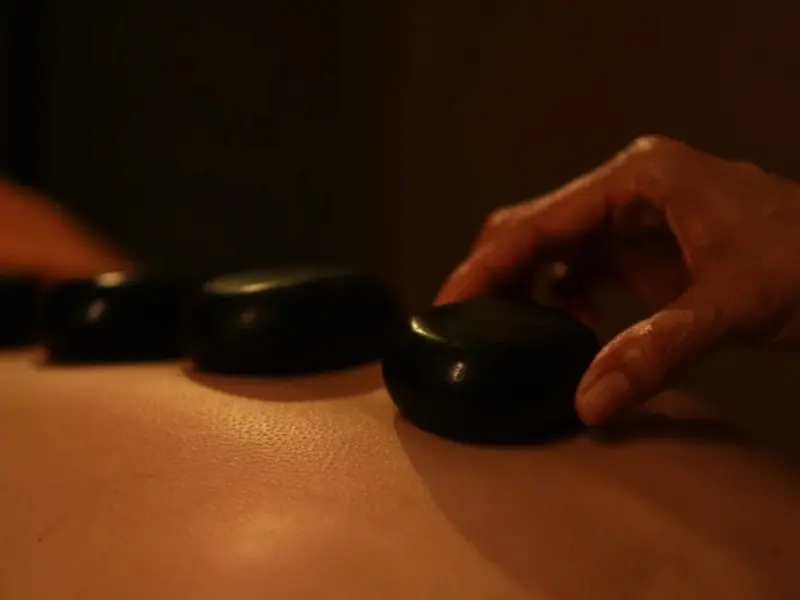
In medical massage, deep tissue work is only one of the techniques; the session is planned after an assessment and combined with other methods such as stretching. For those who are wary of deep pressure but still want to reach established tension, a hot stone massage, which works with heat, is a middle option. For more on choosing by pressure, see the guide Swedish massage or deep tissue?
The price of a deep tissue massage varies with the session length, the therapist's experience, the type of venue and whether areas such as the sauna and hammam are included. Most of the venues listed on this page also have a sauna and hammam; you may be able to use them for a short warm-up before the massage. For other factors that affect the price, see the guide to massage and spa prices. Before booking, ask:
Where tension is concentrated you will feel a distinct tenderness, often described as a "good pain", but the session should not be unbearable. If you are holding your breath or tensing your muscles, the pressure is too much and you should tell the therapist; deep tissue work on a tensed muscle is both ineffective and puts strain on the tissue.
Muscle tenderness the next day lasting 24-48 hours, similar to after a hard workout, is normal and shows that the tissue has been worked intensively. Drinking plenty of water and gentle movement help. If the pain is sharp, lasts more than three days, or comes with bruising and swelling, see a doctor.
For people diagnosed with a herniated disc in the lower back, the decision about massage rests with the doctor. There are cases where it can bring relief by reducing protective spasm in the surrounding muscles, and cases where it is inadvisable depending on the stage of the herniation and the symptoms. Tell both your doctor and the venue about your diagnosis and any numbness or weakness spreading to your leg.
The usual length is 60-90 minutes. Because deep tissue work requires a slow pace, it usually targets a specific area, such as the back, neck and shoulders or the lower back, hips and legs, rather than the whole body. 30-minute sessions are only suitable for a single problem area.
If you are working on a chronic complaint, a common programme is once a week at first, then once or twice a month as the complaint eases. It is advisable to leave at least a few days between sessions so the tissue can recover; deep pressure on consecutive days is not recommended.
Not without consulting your doctor. Taking blood thinners increases the risk of bruising and bleeding within the tissue under deep pressure. If your doctor gives the go-ahead, tell the venue; the therapist will adjust the pressure accordingly or suggest a gentler alternative.
When applied with the right pressure, it usually leaves no bruises. Small bruises may appear in people who bruise easily or when the pressure exceeds what the person can tolerate. If you did bruise, ask for less pressure at the next session; for unexplained or widespread bruising, see a doctor.
Do not have one without consulting your doctor. With fibromyalgia the tissues can be more sensitive to pressure, so intense pressure may increase pain; for this reason, treatment usually begins with gentler techniques and shorter sessions. If your doctor approves, tell the therapist about your diagnosis and ask for the pressure to be adjusted gradually.

Are you sure?
Choose one more venue to compare.