Closed · opens today at 09:00 Separate sections
Separate sections
Turkish BathTraditional Hammam Ritual +1
75 venues without a price are not shown.
17 venues found
Closed · opens today at 09:00 Separate sections
Open · closes at 23:00 Mixed
from₺1,250 · ≈ €23
Open · closes at 23:30 Separate hours
from₺4,700 · ≈ €85
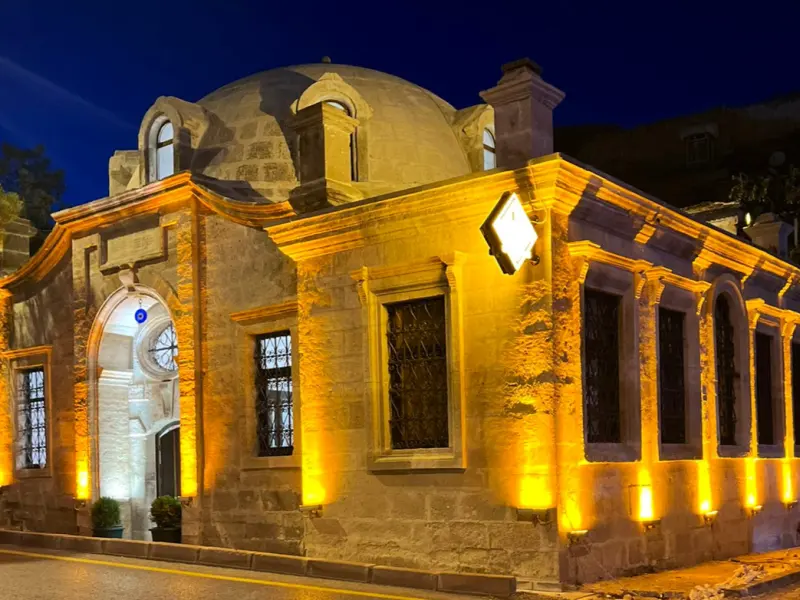
Closed · opens today at 09:00
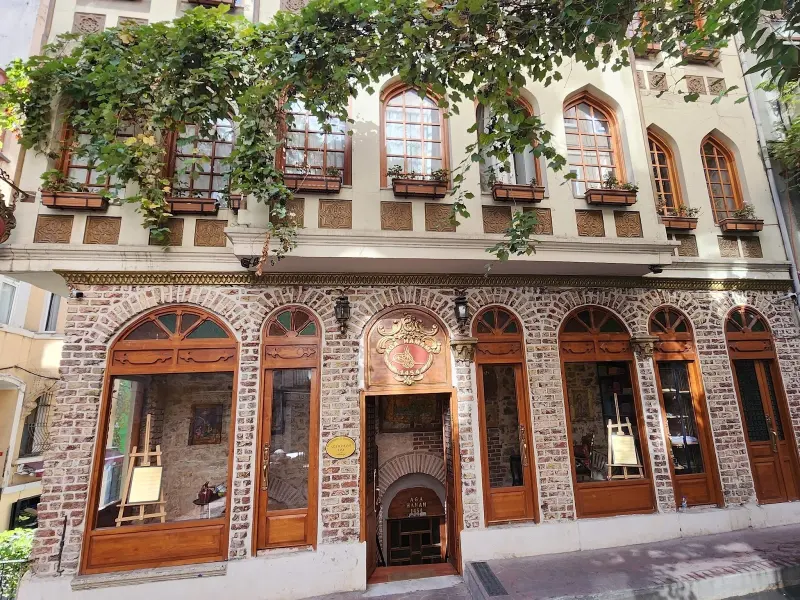
Closed · opens today at 10:00
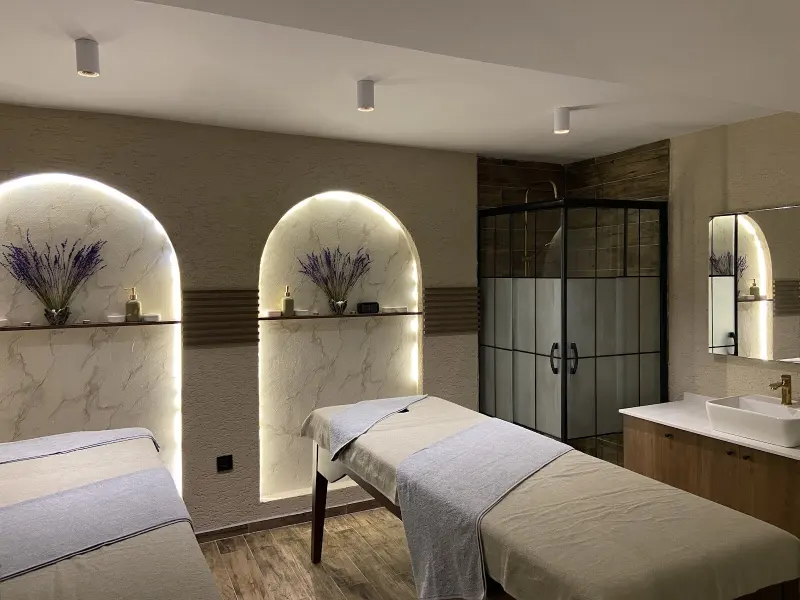
Closed · opens today at 10:00 Mixed
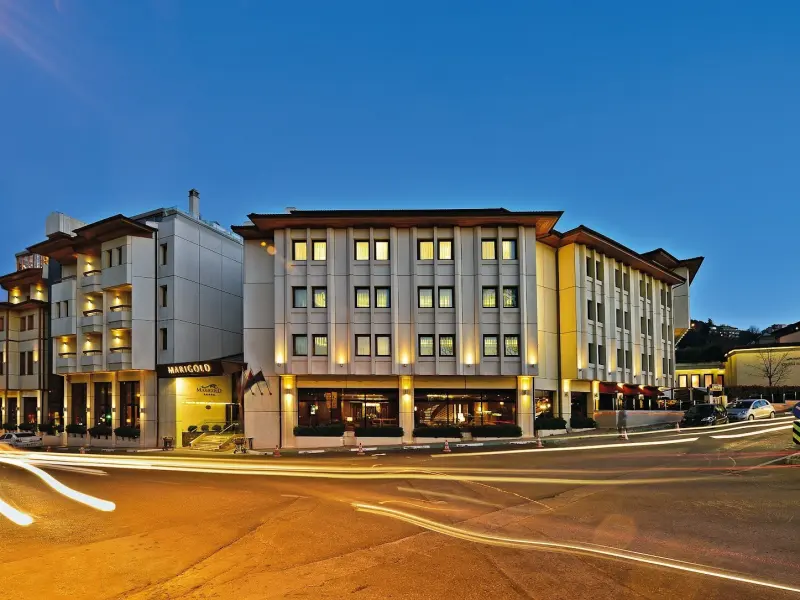
Open · closes at 22:00 Mixed
Open · closes at 00:00 Separate sections
from₺3,200 · ≈ €58
Open · closes at 23:00
from₺3,500 · ≈ €63
Closed · opens tomorrow at 12:00 Mixed
Closed · opens today at 09:00
Closed · opens today at 09:00 Separate sections
from€95
Closed · opens tomorrow at 10:00 Mixed
from€90
The recommended order is based on rating and number of reviews, and on how complete and up to date a listing is. A paid membership does not change the order.
The map couldn't be loaded
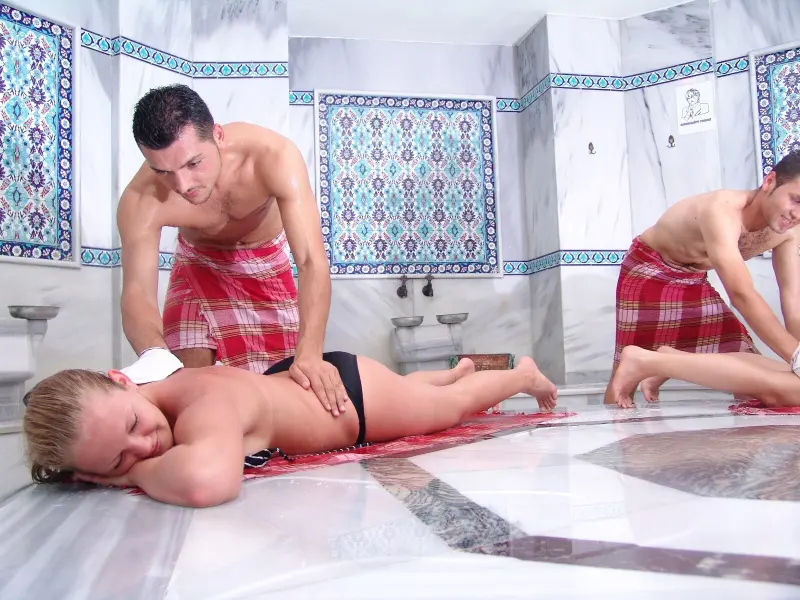
Kese (exfoliating scrub) is the most distinctive part of the hammam ritual: after warming up, the dead outer layer of skin is removed from the whole body with a specially woven kese mitt. Because the top layer of the skin softens in the hot, humid air, kese is only done after warming up; going straight into the kese is both ineffective and irritating to the skin. Kese is mostly given as part of the Turkish bath ritual, before the foam massage.
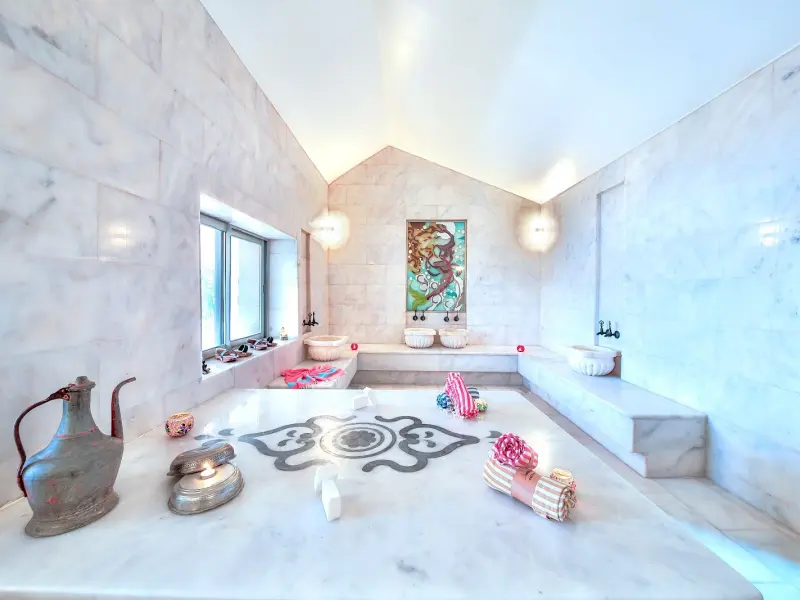
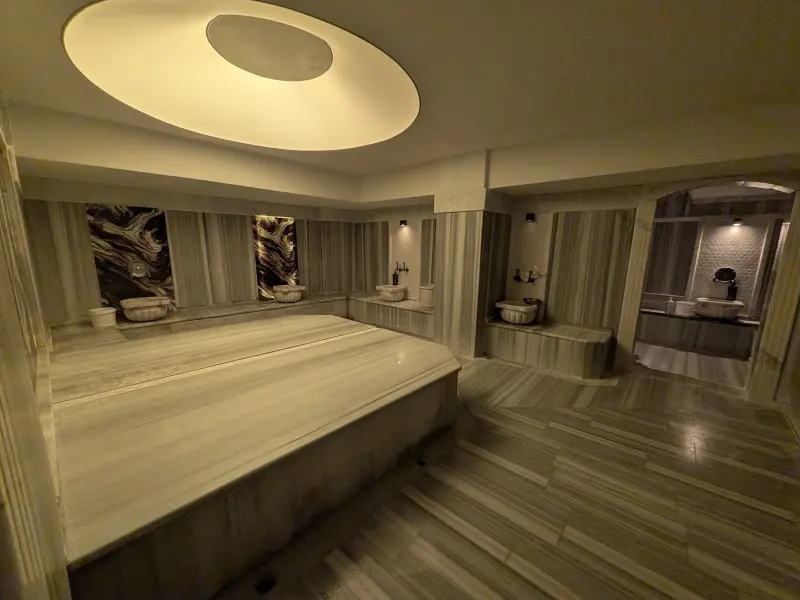
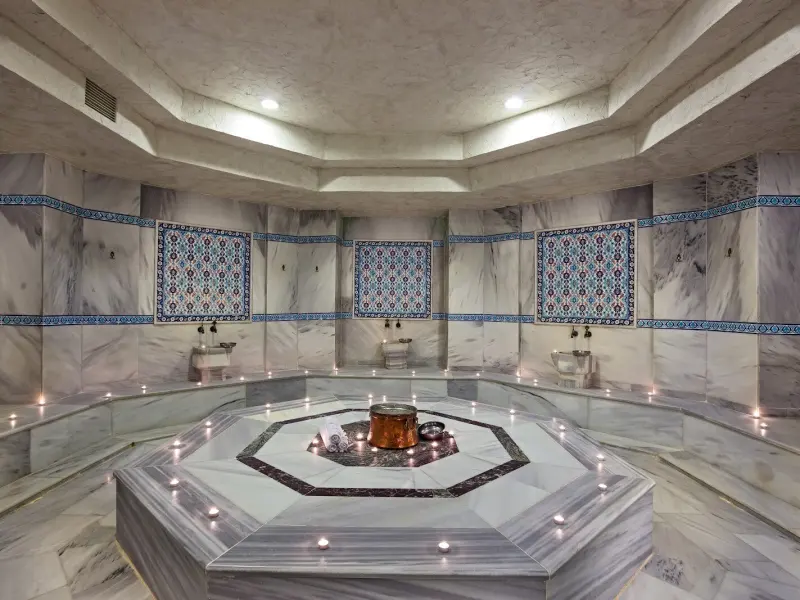
The kese begins once you have warmed up and sweated on the navel stone or in the hot room. The attendant wets your skin with hot water and usually asks you to lie down on the navel stone or a marble bench. The scrub moves in a systematic order over the back, arms, legs and torso; you lie face down and then face up so that the whole body is covered, and the hands and feet are not left out. Thin-skinned areas such as the face and neck are either skipped or scrubbed very lightly; you can say at the start if there is an area you do not want scrubbed.
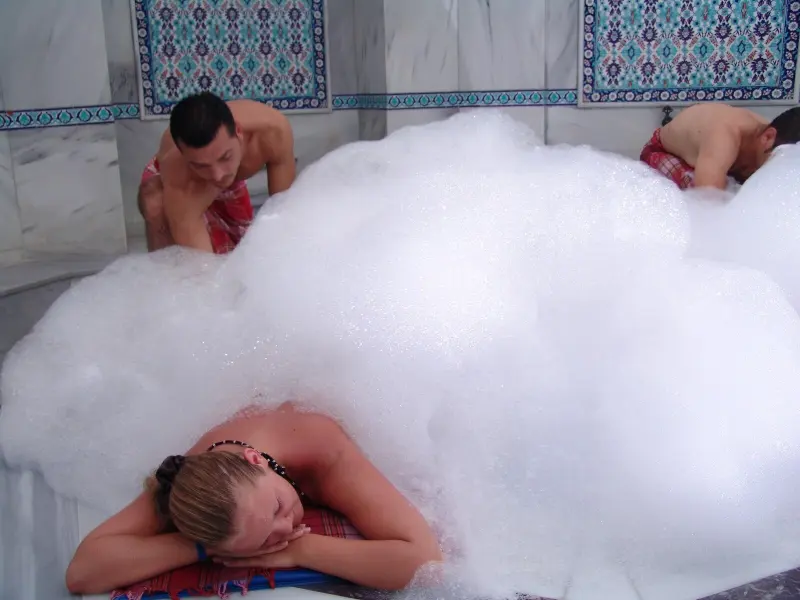
It is normal to see dead skin coming off in rolls, and this is taken as a sign that the treatment is working; how much comes off depends on how long you warmed up and on your skin type. Kese mitts are woven in different textures: coarse ones give stronger friction, fine ones a gentler rub. When the kese is finished, the skin is rinsed, and the treatment usually continues with a foam massage.
The kese part takes 15-25 minutes. Because of the skin's renewal cycle, having it more often than once every 2-4 weeks is not recommended; too much kese weakens the skin's protective barrier and leads to dryness and sensitivity. You can also take a look at the kese guide, which explains in detail how kese is done and how often to have it.
After a kese the skin may be red and sensitive for a while; this is normal. Using a moisturiser is recommended, as the skin absorbs products more easily at this point. Avoid waxing, shaving, exfoliating and direct sun exposure for 24 hours after a kese. On the first day, choosing a plain moisturiser rather than heavily perfumed lotions reduces the risk of irritation.
By removing built-up dead skin, kese leaves the skin feeling smoother and softer, can reduce dullness and helps a moisturiser applied afterwards to spread more evenly. The effect is temporary; as the skin renews itself, the top layer forms again. Kese does not get rid of cellulite, make you lose weight or flush out toxins, and it does not erase marks or scars.
Kese is not done over active eczema, psoriasis, open wounds, sunburn, active acne, new tattoos or fresh scars. For people with sensitive or thin skin and those taking blood thinners, the pressure should be reduced. Care is needed with diabetes, as the skin's integrity is more fragile. Wait at least 48-72 hours after waxing or laser hair removal. Because kese is mostly done in a hot hammam, the warnings about the hammam's heat also apply: consult your doctor if you have cardiovascular disease or uncontrolled blood pressure, and do not have a kese in the hot room during pregnancy. If you think your skin is sensitive, tell the attendant at the start; the coarseness of the mitt and the pressure can be adjusted.
Kese is often confused with other treatments that remove dead skin, and with the foam massage that follows it in the hammam:
| Treatment | Method | Where | Effect |
|---|---|---|---|
| Kese | Mechanical scrubbing with a wet kese mitt | In the hammam, after warming up | Noticeable removal of dead skin |
| Body scrub | Grainy mixture based on salt, sugar or coffee | On a massage table or in a wet room | Usually gentler; contains moisturising ingredients |
| Foam massage | Gliding strokes with soap foam | In the hammam, after the kese | Cleansing and relaxation; does not remove dead skin |
For people for whom a hot environment is inadvisable, or who want dead-skin care without going to a hammam, a body scrub can be an alternative; its effect is more superficial than that of kese.
The price of a kese depends first on what is included: whether you have the kese on its own or with a foam wash, whether hammam entry is included, and whether a massage or mask is added. The type of venue also changes the price. Venues on the site that offer kese range from historic hammams to hotel hammams and thermal hotels; in historic hammams kese is offered as part of the hammam ritual, while in hotel spas it is mostly offered as a ‘kese and foam wash’ ritual or within a spa package. Weekends and the busy season also affect the price; for details, see the guide that explains what determines massage and spa prices. When making an appointment, ask:
Because of the skin's renewal cycle, once every 2-4 weeks is enough. Having a kese more often weakens the skin's protective barrier and causes dryness, sensitivity and redness. For sensitive skin you may need to leave even longer between sessions.
It should not be uncomfortable; you will feel a distinct but tolerable friction. On sensitive skin, or when the pressure is too firm, it can cause a burning sensation. If you think your skin is sensitive, tell the attendant at the start — the coarseness of the kese mitt and the pressure applied can be adjusted.
Yes, temporary redness and sensitivity after a kese are normal and usually fade within a few hours. Using a moisturiser is recommended. If the redness lasts longer than a day, or comes with itching, blisters or burning, your skin has been irritated; in that case, ask for a gentler treatment at your next session.
After waxing or laser hair removal you need to wait at least 48-72 hours. After hair removal the skin is already irritated and has micro-tears; a kese on top of that risks burning, redness and infection.
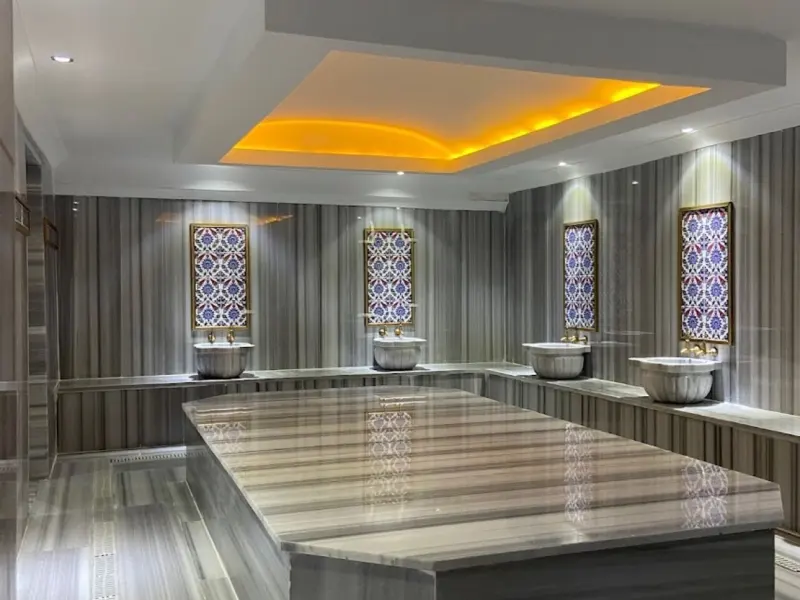
You need to warm up on the navel stone (the heated marble platform) for 15-20 minutes. This time is essential for the outer layer of the skin to soften and for the pores to open. Going straight into the kese is both ineffective and irritating to the skin, so don't skip the warm-up.
A kese should not be done if you have active eczema, psoriasis, open wounds, sunburn or active acne. If none of these apply but your skin is sensitive, let the attendant know and ask for a softer kese mitt and lighter pressure. If in doubt, consult your dermatologist first.
Yes, but the effect will not be as noticeable as in a hammam; bathroom steam does not soften the skin as much as the hot, humid air of a hammam. First soften your skin for 10-15 minutes in a warm to hot shower or bath, apply the kese to wet skin and do not press repeatedly on the same area. The same gap between sessions applies at home as at the hammam; use a moisturiser afterwards.
Generally, yes; using a personal kese is the preferred option from a hygiene point of view. Some venues include a new kese in the kese price and give it to you after the treatment, so ask the venue before bringing your own. Wash your own kese after each use and let it dry completely.
A kese can make part of a tan fade sooner, because some of the pigment that gives the colour sits in the upper layer of skin that is removed. If you want to keep your tan, you can put off the kese for a while after your holiday. A kese is never done on sunburnt or peeling skin.
Are you sure?
Choose one more venue to compare.