Closed · opens today at 12:00
Turkish BathTraditional Hammam RitualKese Scrub
65 venues without a price are not shown.
17 venues found
Closed · opens today at 12:00
Closed · opens today at 11:00
Mixed
Closed · opens today at 10:00
Separate sections
Closed · opens today at 09:00 Mixed
Separate hours
Separate sections
Closed · opens today at 10:00
Closed · opens today at 10:00
Closed · opens today at 10:00
Closed · opens today at 10:00
Closed · opens today at 10:00
Closed · opens today at 10:00
The recommended order is based on rating and number of reviews, and on how complete and up to date a listing is. A paid membership does not change the order.
The map couldn't be loaded
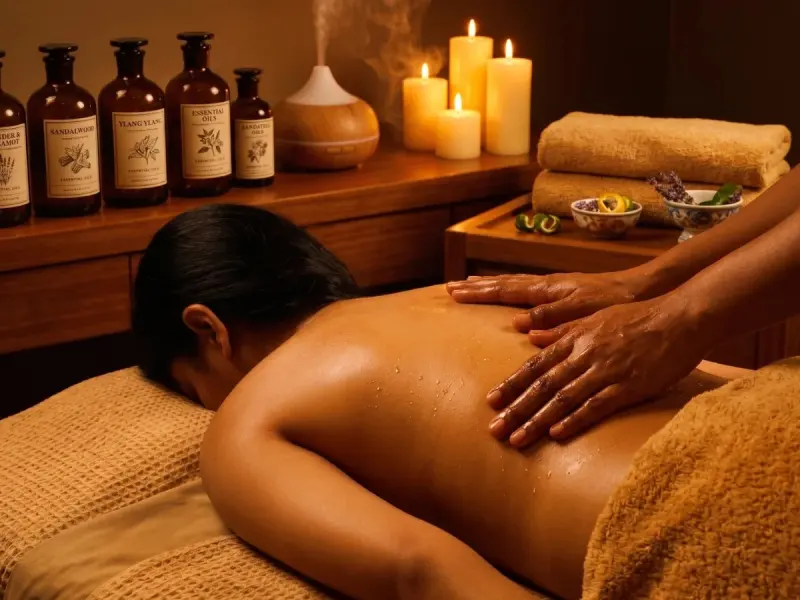
Massage types differ by the pressure applied, the technique, whether oil is used and the aim of the session: some aim purely at relaxation, some focus on ingrained muscle tension or restricted movement, and some work with a tool such as heat, cups or wooden instruments. On Spa Deneyimi, the massage group includes 23 massage types and treatments offered by at least one venue. Some of them describe a particular technique, others short sessions focused on a single area; headings such as couples' massage describe how the session is arranged rather than a technique.
The table below compares the massage types with venues listed on the site by pressure, typical session length and who they suit. The lengths reflect common practice; the venue's menu and the package chosen can change them.
| Massage | Pressure | Typical length | Who it suits |
|---|---|---|---|
| Swedish massage | Light to medium | 50-60 minutes | First-timers, general relaxation |
| Aromatherapy massage | Light to medium | 60-90 minutes | People with stress and disrupted sleep |
| Anti-stress massage | Light | 50-90 minutes | A hectic pace, mental fatigue |
| Lymphatic drainage massage | Very light, rhythmic | 45-60 minutes | A feeling of heaviness and puffiness; for oedema, with a doctor's approval |
| Hot candle massage | Light to medium | 50-60 minutes | Dry skin, those who want a warm, gentle touch |
| Ayurvedic massage | Light to medium, with plenty of oil | 60-90 minutes | Those who want a rhythmic session with warm oil |
| Lomi lomi massage | Medium, long strokes with the forearms | 60-90 minutes | Those who like a flowing, uninterrupted rhythm |
| Balinese massage | Medium to deep | 60-90 minutes | Those who want relaxation and muscle work together |
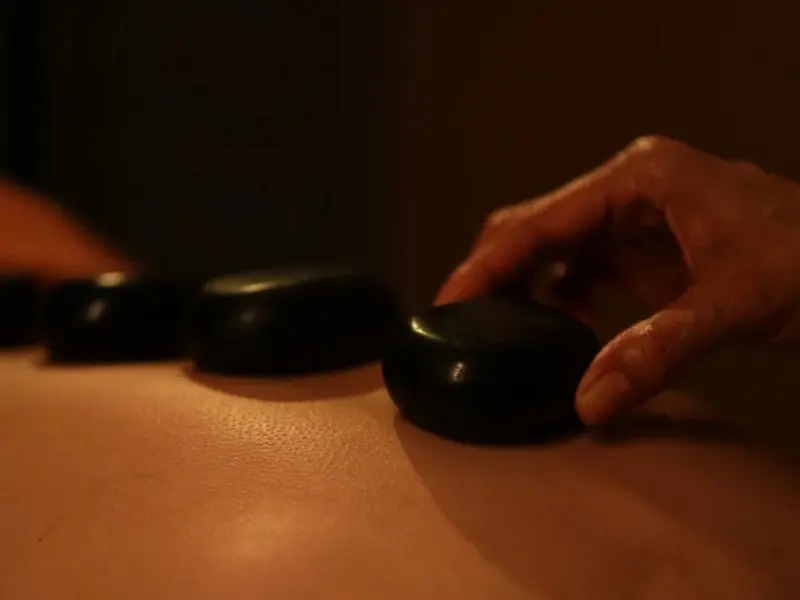
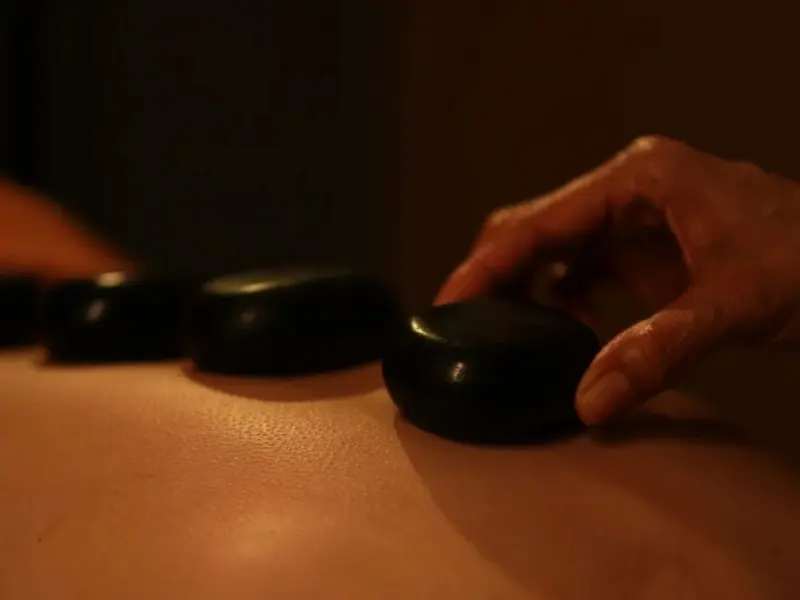
| Hot stone massage | Medium; the heat deepens the effect | 60-90 minutes | Stiffness that worsens in the cold, those wary of deep pressure |
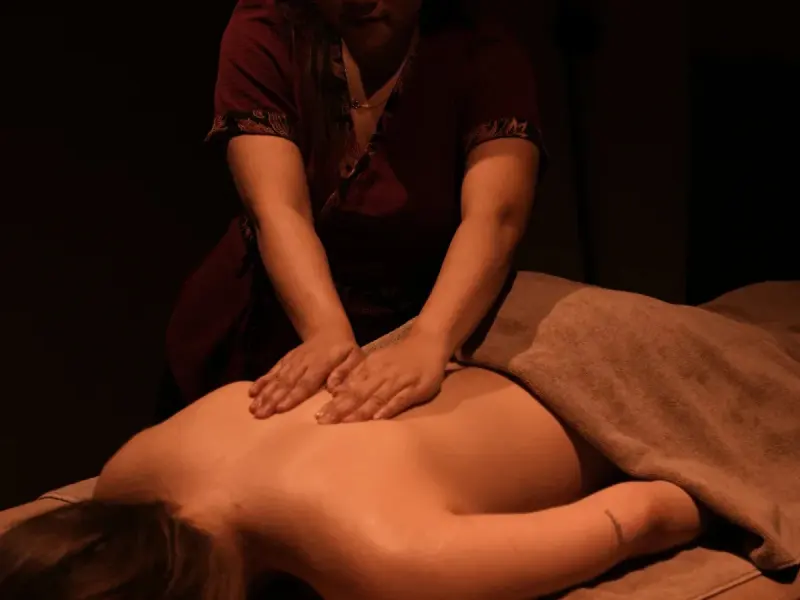
| Deep tissue massage | Deep, slow | 60-90 minutes | Ingrained tension in the neck, shoulders and lower back |
| Medical massage | Varies with the complaint | 45-60 minutes | A specific, diagnosed complaint |
| Sports massage | Medium to deep | 15-60 minutes, depending on timing | People who train regularly |
| Thai massage | Medium to firm, with stretching | 60-120 minutes | Those seeking flexibility and range of motion |
| Shiatsu | Medium, point pressure | 45-90 minutes | Those who want an oil-free session with their clothes on |
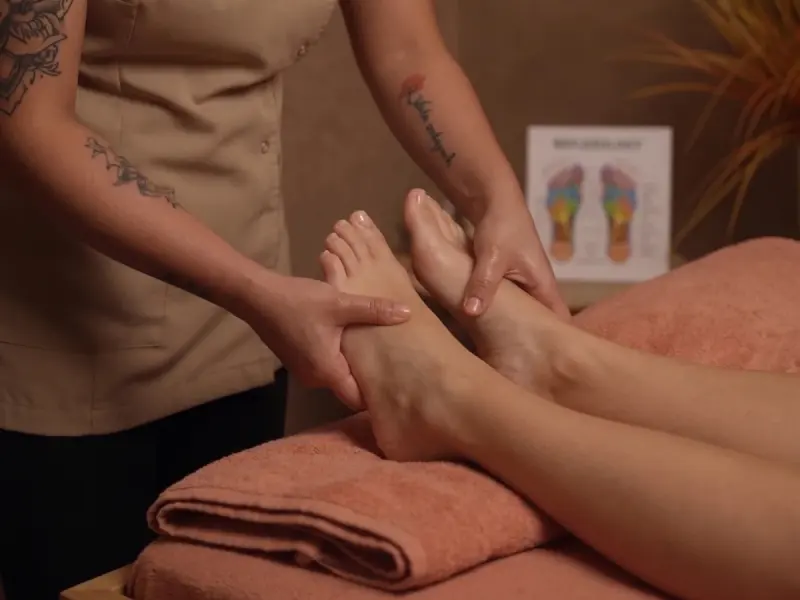
| Reflexology | Medium, point pressure | 30-60 minutes | People on their feet all day, those who prefer not to undress |
| Cupping therapy | Vacuum suction; cups left in place or glided | 30-45 minutes | Ingrained tension in the back and shoulders; may leave marks |
| Maderotherapy massage | Medium to firm, with wooden tools | 45-60 minutes | Those who can tolerate intensive work with tools |
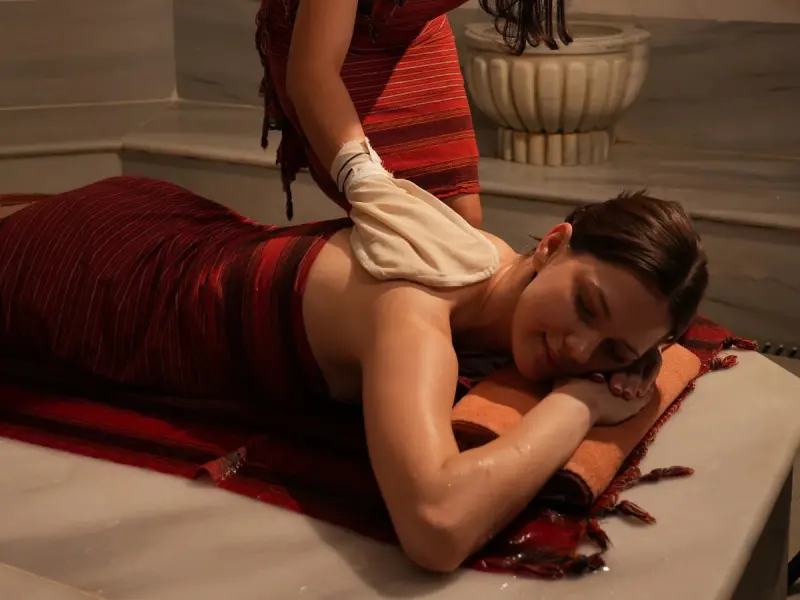
| Sultan massage | Light to medium; there is also a four-hand version | 90-150 minutes | Those who want hammam and massage in a single programme |
| Couples' massage | Depends on the type chosen | 50-90 minutes | Two people who want a massage together in the same room |
| Back, neck and shoulder massage | Medium | 30-45 minutes | Upper back and neck tension from desk work; can be combined with a head massage |
| Head spa | Light | 45-90 minutes | Those who want to combine scalp care with a head massage |
| Foot and leg massage | Medium | 30-45 minutes | People who spend a lot of time on their feet, tired legs; those who do not want a full-body massage |
| Pregnancy massage | Light to medium | 45-60 minutes | Pregnant women with a doctor's approval |
Choosing a massage depends above all on what you want to relieve and how much pressure you are ready for. The pairings below are a starting point for common needs:
At most venues a massage session begins with a short consultation. You are expected to arrive 10-15 minutes before your appointment time; if you will use the hammam or sauna before the massage, you need to arrive earlier. At this point you are asked, or given a form, about blood pressure, pregnancy, any medication you take, recent surgery and allergies.
For oil massages the therapist leaves the room while you undress and lie on the table under a cover; many venues provide disposable underwear, and only the area being worked on is uncovered during the session. Thai massage and shiatsu are done with your clothes on, and most venues provide the clothing needed. You are expected to say at the start of the session which area to focus on and how much pressure you prefer. After the massage, it is advisable to lie still for a few minutes, get up slowly, drink water and not go straight back to anything demanding.
The price of a massage depends not on a single factor but on a combination of several variables. Because figures vary by venue and season, these are the factors to look at when comparing two offers:
For a detailed breakdown, see the guide to the factors that determine massage and spa prices.
The great majority of venues offering massage are hotel spas; city hotel spas in particular make up a large part of the list. They are followed by venues with a hammam section, day spas that accept outside guests, wellness centres and massage centres. Most of the listed venues offer a Turkish bath and sauna as well as massage, so in most places massage is sold as part of a package that includes use of the wet area. Whether guests who are not staying are accepted is the first thing to ask when choosing a hotel spa.
By city, Istanbul clearly stands out; a large share of the options in Istanbul are concentrated in Beşiktaş, Şişli and Beyoğlu. In Ankara, spas offering massage are concentrated in Çankaya; in Antalya, resort and hammam venues in Kemer, Serik and Manavgat stand out. There are also options in Bursa, Bodrum, Edirne and Adıyaman. A few hotel spas state that they offer Balinese massage with Indonesian or Far Eastern therapists; for names that venues give their own treatments, such as a signature massage, you need to ask what is included when making your appointment.
Massage is a safe treatment for most people, but in some situations it should be postponed or done only with a doctor's approval. Massage is postponed during a feverish illness, with an active skin infection or an open wound, and after recent surgery. If you have swelling, redness, warmth or pain in one leg only, do not have a massage and see a doctor; these signs may point to a blood clot.
Massage is not a diagnosis or a form of treatment; if you have pain of unknown cause, recent onset or that is getting worse, see a doctor first. The guide on how to tell whether a massage salon is trustworthy lists what to look for in a venue's licences and certificates.
For ingrained muscle tension and knots, deep tissue massage is usually preferred, and medical massage for a specific diagnosed complaint. If the tension comes from regular training, sports massage may be more suitable; if you are wary of deep pressure, hot stone massage, which works with heat, may suit you better. Massage may help reduce muscle tension but does not remove the cause of the pain; if the pain is new, severe or comes with numbness, see a doctor first.
The lightest pressure is used in lymphatic drainage massage, anti-stress massage and head spa; Swedish and aromatherapy massage also stay at light to medium pressure. The aim of these types is not to work the muscles deeply but to help you relax. Whichever type you choose, you can say how much pressure you want at the start of and during the session; the therapist will adjust accordingly.
Thai massage, shiatsu and reflexology are done fully clothed and without oil. For Thai massage and shiatsu you need comfortable, flexible clothing; most venues provide this themselves. For reflexology you only take off your shoes and socks. As no oil is used, there is no need to shower after these sessions.
If it is your first massage or you want general relaxation, 60 minutes is usually enough; it allows time to work over the whole body once. If there is ingrained tension in a particular area, or you have chosen a type with a longer preparation and flow, such as Thai or hot stone massage, 90 minutes is more suitable. If only one area such as the back, neck and shoulders is to be worked on, 30-45 minute targeted sessions are also an option.
Most venues schedule the hammam first, then the massage. Muscles warmed in the hammam respond more easily to massage; packages such as the sultan massage follow this order too. Resting for 10-15 minutes between the two and drinking water makes for a more comfortable transition than lying down for a massage straight out of the heat.
At many venues you can state a therapist preference when booking your appointment, but this is not a rule and depends on the team working that day. If your preference matters, mention it when you book; at weekends and at busy times, last-minute changes become harder. Our listings also include venues that state clearly that their therapists are women.
Many hotel spas also take massage appointments from guests who are not staying, but this does not apply at every hotel. Whether outside guests can use areas such as the hammam, sauna and pool, and whether that is included in the massage price, also varies from venue to venue. When booking, ask about the entry conditions and how long you can use the facilities.
For older guests, Swedish massage, anti-stress massage or reflexology with light to medium pressure are usually preferred. Because osteoporosis, blood-thinner use, joint replacements and circulation problems are more common in later life, types involving deep pressure and stretching are avoided. If you take medication regularly or have a chronic illness, you should consult a doctor before the appointment and inform the therapist.
Are you sure?
Choose one more venue to compare.