Separate hours
Separate hours
Turkish BathTraditional Hammam Ritual +1
46 venues found
Separate hours
Closed · opens today at 10:00
Closed · opens today at 07:00 Mixed

Closed · opens today at 08:30
Separate sections


Closed · opens today at 10:00
Closed · opens today at 10:00
Closed · opens today at 08:00
from₺3,500 · ≈ €63

Closed · opens today at 07:00
Closed · opens tomorrow at 12:00 Mixed
Closed · opens today at 09:00 Mixed
Closed · opens today at 10:00
Closed · opens today at 10:00 Mixed

Closed · opens today at 10:00

Closed · opens today at 10:00

Closed · opens today at 10:00
Closed · opens today at 10:00

Closed · opens today at 10:00

Closed · opens today at 10:00
The recommended order is based on rating and number of reviews, and on how complete and up to date a listing is. A paid membership does not change the order.
The map couldn't be loaded
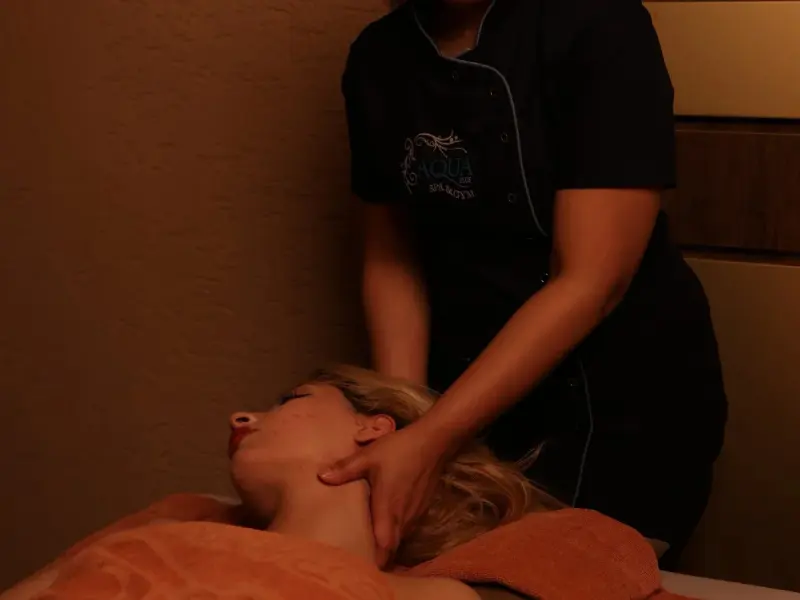
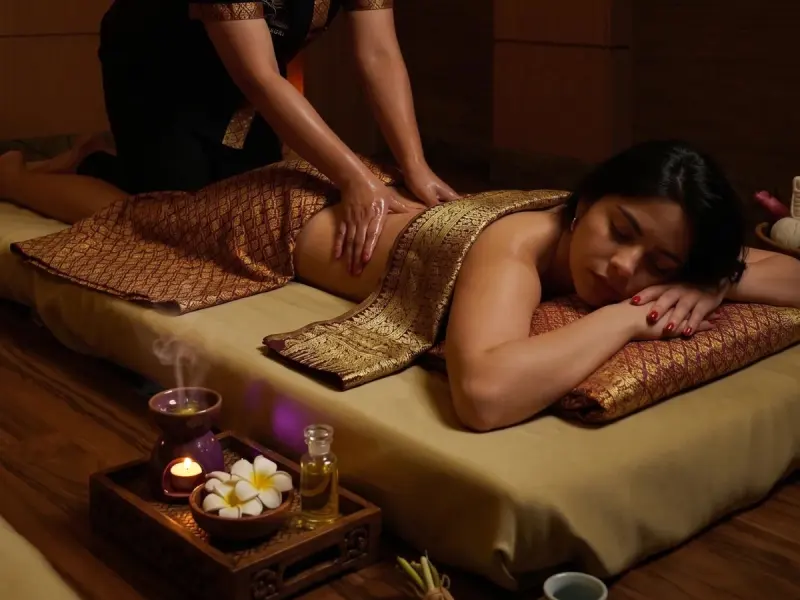
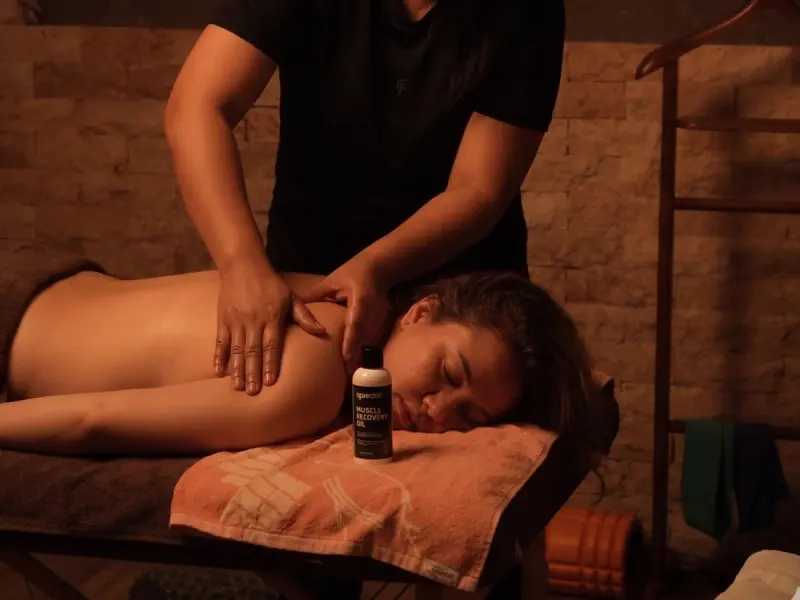
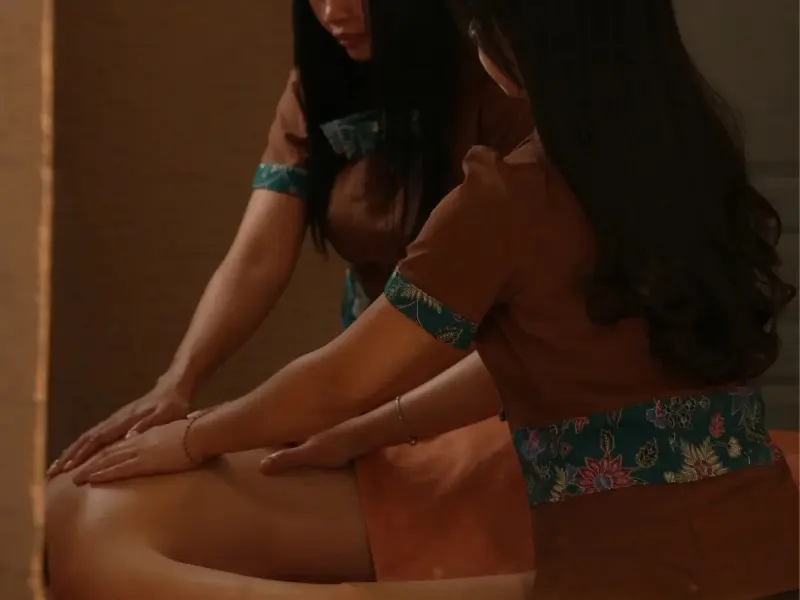
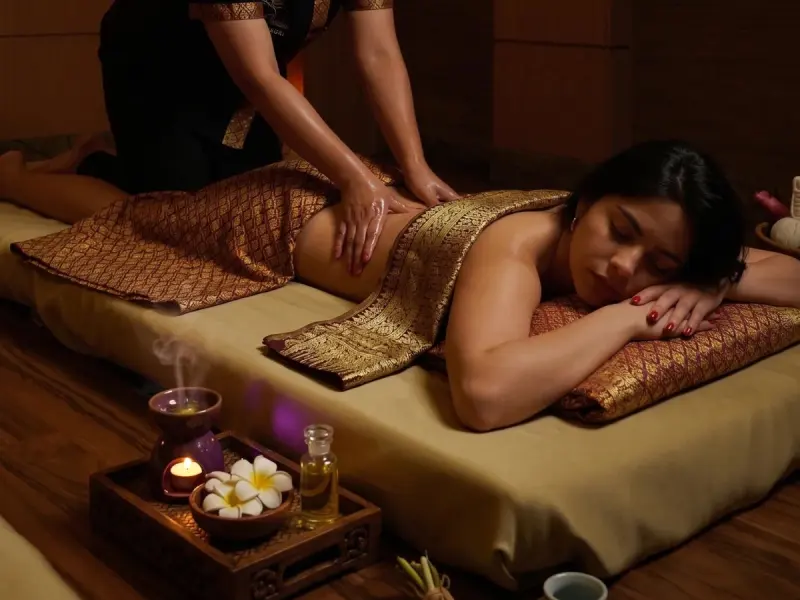
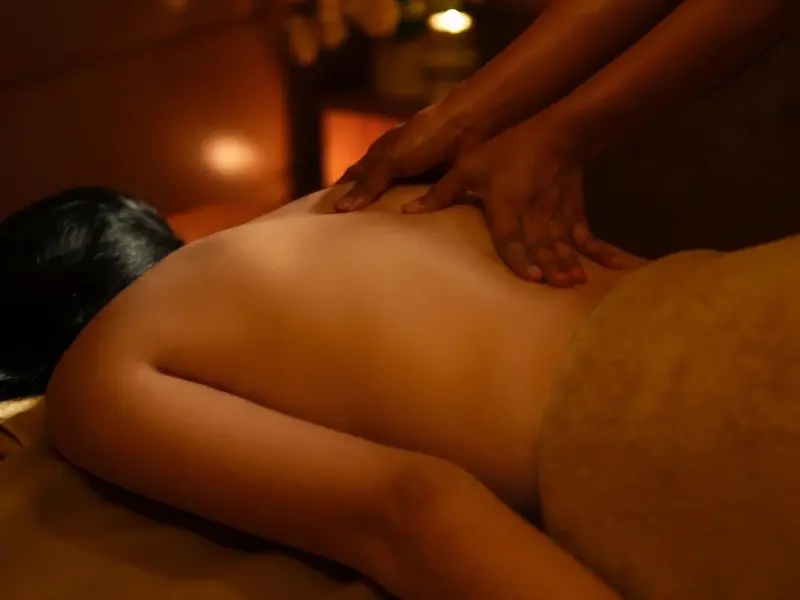
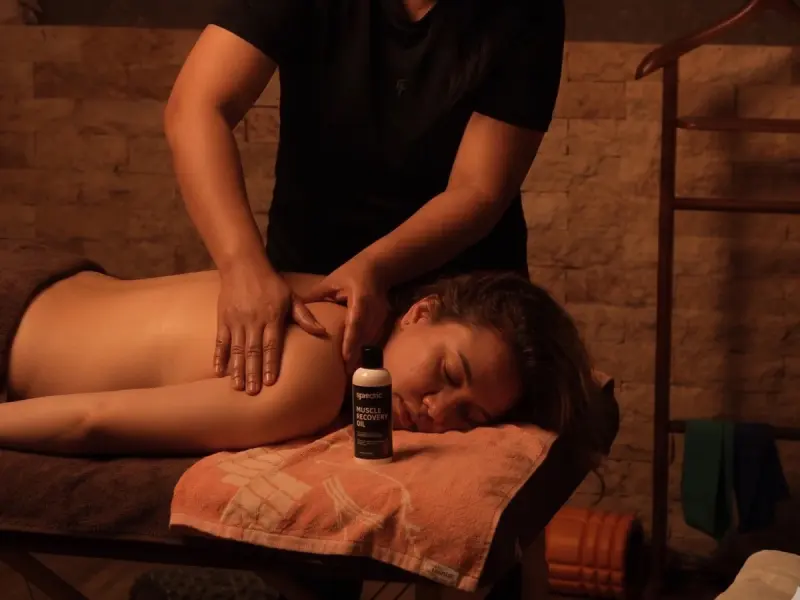
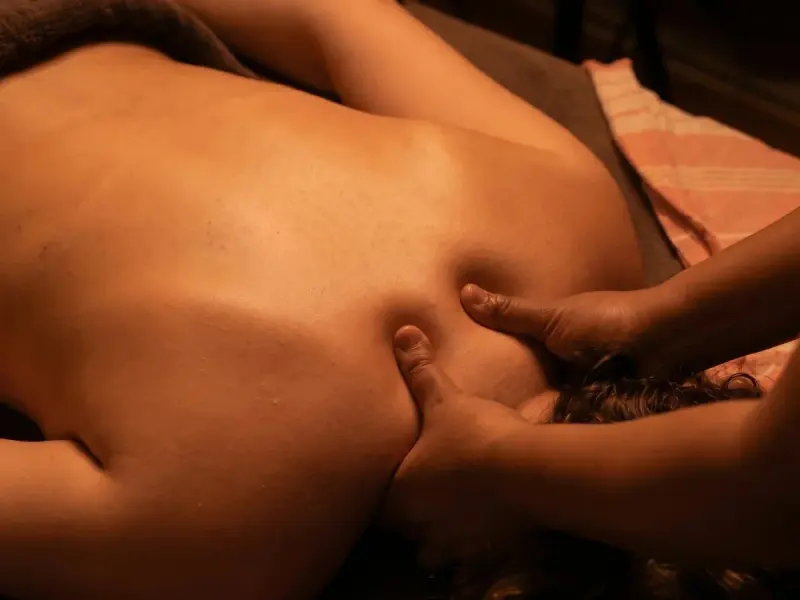
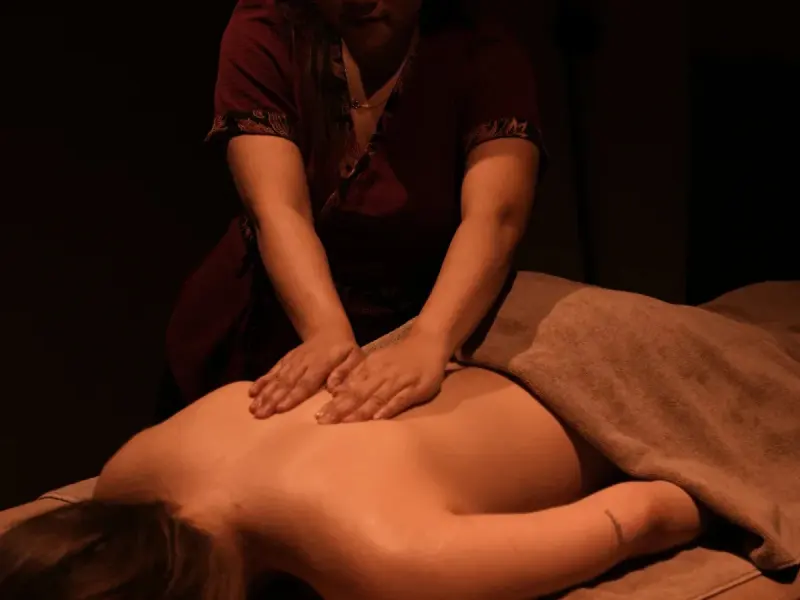
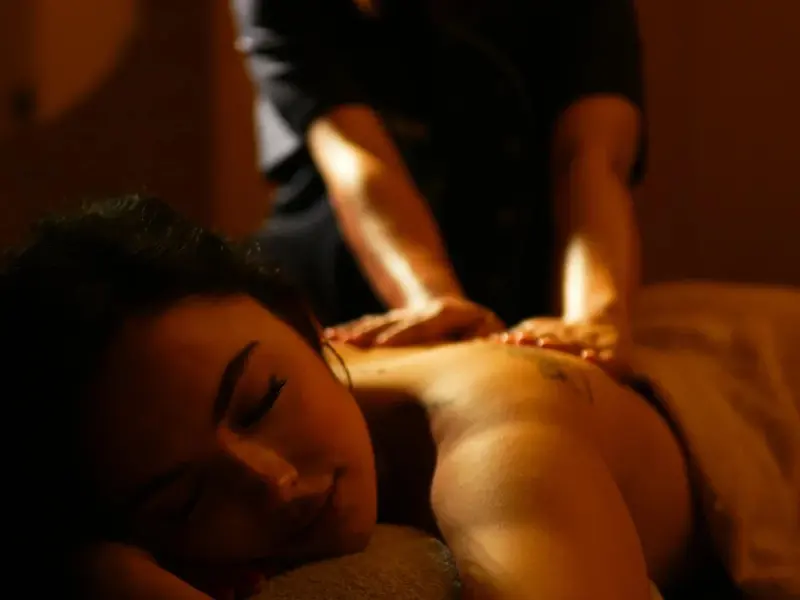
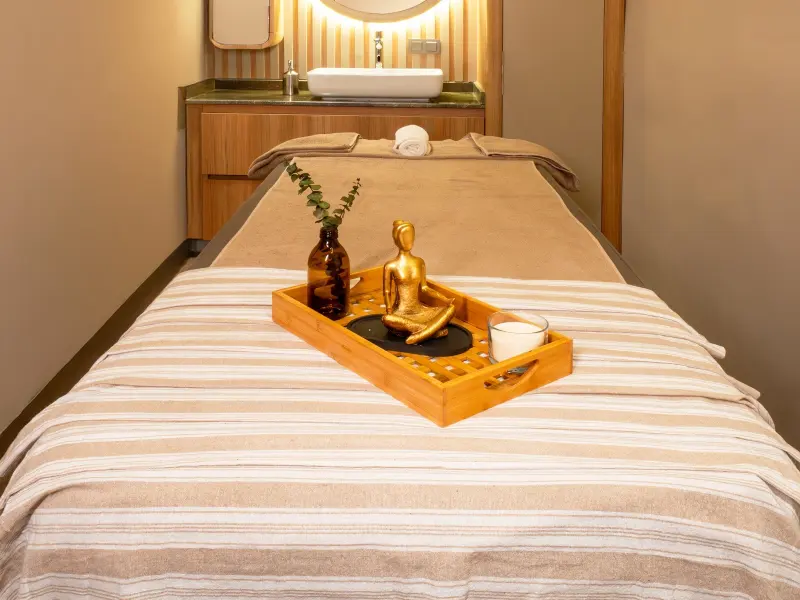
Swedish massage (classic massage) is the basis of modern Western massage techniques and the most widely practised type of massage in the world. It is given with oil or lotion, on a table, with you suitably covered by a sheet; pressure is light to medium. The aim of Swedish massage is not to work deep into the muscle tissue but to increase surface circulation and bring general relaxation.
Swedish massage is built on five basic strokes: long gliding strokes (effleurage), kneading (petrissage), friction, rhythmic tapping (tapotement) and vibration. Each area is usually first warmed with gliding strokes; kneading and friction follow, tapping and vibration are used in shorter bursts, and the section closes again with gliding strokes.
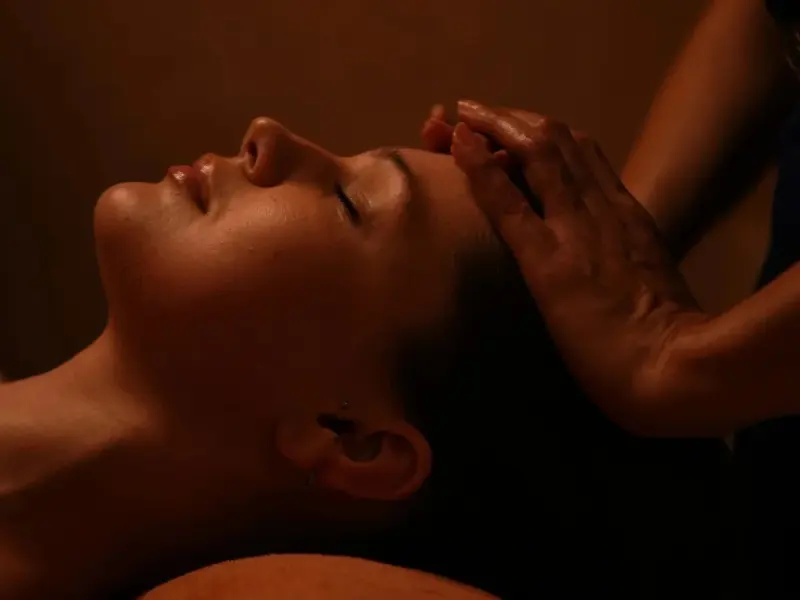
Most sessions start face down with the back, shoulders and backs of the legs; you then turn onto your back for the fronts of the legs, the arms, shoulders and neck. Some venues end the session with a scalp massage. In a short conversation before the session you are asked about your health, your pressure preference and any areas you do not want worked on; pressure is adjusted to your preference at the start of and during the session.
A 50-60 minute Swedish massage session covers the whole body; short 30-minute sessions usually focus on the back, neck and shoulders. 90 minutes is for those who want to spend longer on problem areas. One or two sessions a month is a common pattern for general relaxation; during busy periods the interval can be shortened. Changing and preparation time is often not counted in the session time, so arriving a few minutes early for your appointment lets you use the whole session.
Swedish massage temporarily increases surface circulation and may help reduce muscle tension and aid relaxation. General stress, irregular sleep, shoulder and neck tension from desk work, and circulation-related complaints are the most common reasons for choosing it. Relaxation and slight drowsiness are to be expected after the session; marked soreness the next day is not. If you feel pain during a light-to-medium pressure session, you should tell the therapist straight away. It should not be expected to resolve a pronounced muscle knot or long-standing pain in a single session; a different type of massage is better suited to such goals.
Swedish massage suits people who are uncomfortable with deep pressure, older guests and those new to massage. It is also a simple, predictable option for those who just want to unwind after a busy week without any particular pain complaint. Because it gives a clear framework for learning what is done and what to expect, it is a safe start for anyone trying massage for the first time; to prepare, see the guide for first-time massage clients.
Massage should be postponed if you have a fever, an active skin infection or an open wound. A doctor's approval is needed with a history of deep vein thrombosis, advanced varicose veins, uncontrolled blood pressure, a bleeding disorder, use of blood thinners, recent surgery and during cancer treatment. During pregnancy, pregnancy massage should be chosen instead.
Swedish massage is most often confused with deep tissue massage, because the strokes used in the two are similar. The difference lies in pace and aim: deep tissue massage uses slower, stronger pressure to reach the deeper layers of the muscle in a specific problem area. If a specific muscle knot or chronic tension is the target, deep tissue massage is the better choice; for choosing by pressure, see the guide Swedish massage or deep tissue: choosing by pressure.
Sports massage is planned around a training schedule and focuses on the muscle groups the sport loads; for athletes' complaints it is more suitable than Swedish massage. Aromatherapy massage, for its part, uses gentle strokes close to those of Swedish massage, but puts the scent of the chosen essential oils at the centre of the session.
The price of Swedish massage varies with session length, the type of venue (hotel spa, day spa, massage centre), whether sauna or hammam use is included, and weekend or seasonal differences; the difference between a short back-and-neck session and a full-body session is also marked. For the general picture, see the guide to massage and spa prices. When booking, ask:
Yes. It is the technique meant by "classic massage" both in Turkey and around the world; Swedish massage (İsveç masajı in Turkish) and classic massage are names for the same treatment. Venues may use any of these names on their menus.
Swedish massage is the best choice for a first experience. Its pressure is gentle to medium, it covers the whole body and it gives you the clearest idea of what to expect. If you enjoy it, you can move on to types such as deep tissue or aromatherapy in later sessions.
Swedish massage uses gentle to medium pressure across the whole body for general relaxation. Deep tissue massage uses slower, stronger pressure to target the deeper layers of muscle and a specific problem area. Those who want to relax choose Swedish; those with chronic tension and knots choose deep tissue.
You don't have to take off your underwear; you remove only as much as you are comfortable with. Throughout the session you are covered with a sheet so that only the area being worked on is uncovered. The therapist leaves the room while you get ready and knocks before coming back in.
For general relaxation and stress management, once or twice a month is a common choice. During busy periods at work or when you have marked shoulder and neck tension, a weekly session can be planned. How often depends on your symptoms and your therapist's recommendation.
No. You can choose to stay quiet throughout the session; this is completely normal. You are only expected to give feedback about the pressure, the temperature or any discomfort. Telling the therapist "the pressure is fine like this" or "could you go a little lighter?" is a normal part of the session.
Generally, yes; because of its gentle to medium pressure, it is a massage often chosen by older guests too. If there are conditions such as osteoporosis, cardiovascular disease, advanced varicose veins, blood-thinner use or thin skin that bruises easily, consult a doctor first and be sure to inform the therapist. It is normal to ask for help getting on and off the table and when changing position.
Either can be used; the choice depends on the venue and the therapist. Oil gives a smoother glide during long gliding strokes; lotion or cream is absorbed into the skin more quickly and leaves less residue after the session. If you have sensitive skin or an allergy to fragrances, you can ask for an unscented product and ask beforehand what is in the product that will be used.

Are you sure?
Choose one more venue to compare.